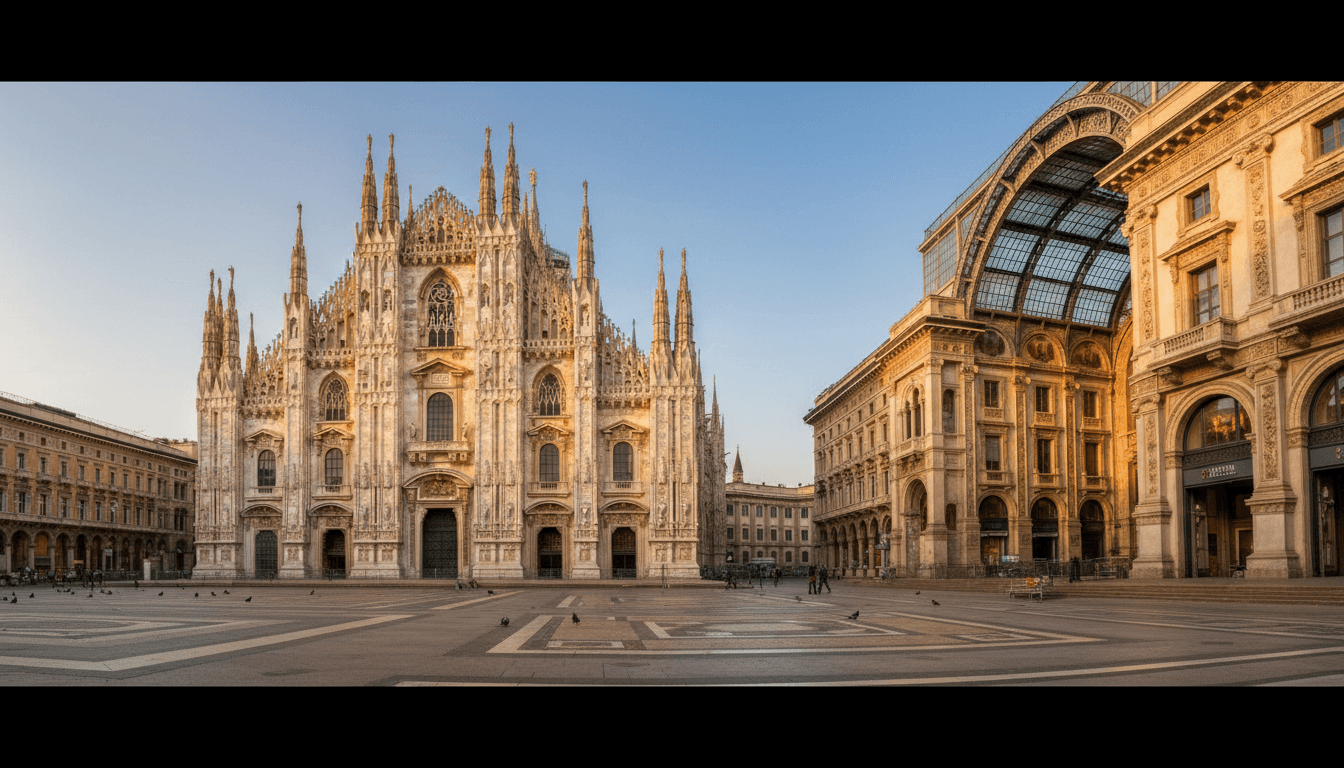
Senior-Friendly Home Swap in Milan: Your Complete Guide to Accessible Italian Living
Maya Chen
Travel Writer & Home Exchange Expert
Discover how to find accessible, comfortable home exchanges in Milan. Elevator access, walkable neighborhoods, and practical tips for senior travelers.
My mother called me last February with a request that stopped me mid-coffee-sip. "Maya, I want to do one of your home swap things. In Italy. Specifically Milan." She's 68, has a tricky knee, and hadn't traveled internationally since my dad passed. My first instinct was to worry—accessibility in European cities can be a nightmare. But six weeks later, she spent three glorious weeks in a ground-floor apartment in Milan's Porta Venezia neighborhood, and she's already planning her next senior-friendly home swap in Milan for this coming spring.
Here's the thing: I've learned a lot from her experience, my own research, and conversations with dozens of senior home exchangers. Milan is actually one of the most accessible cities in Italy for older travelers, and finding the right home swap can make it even better.
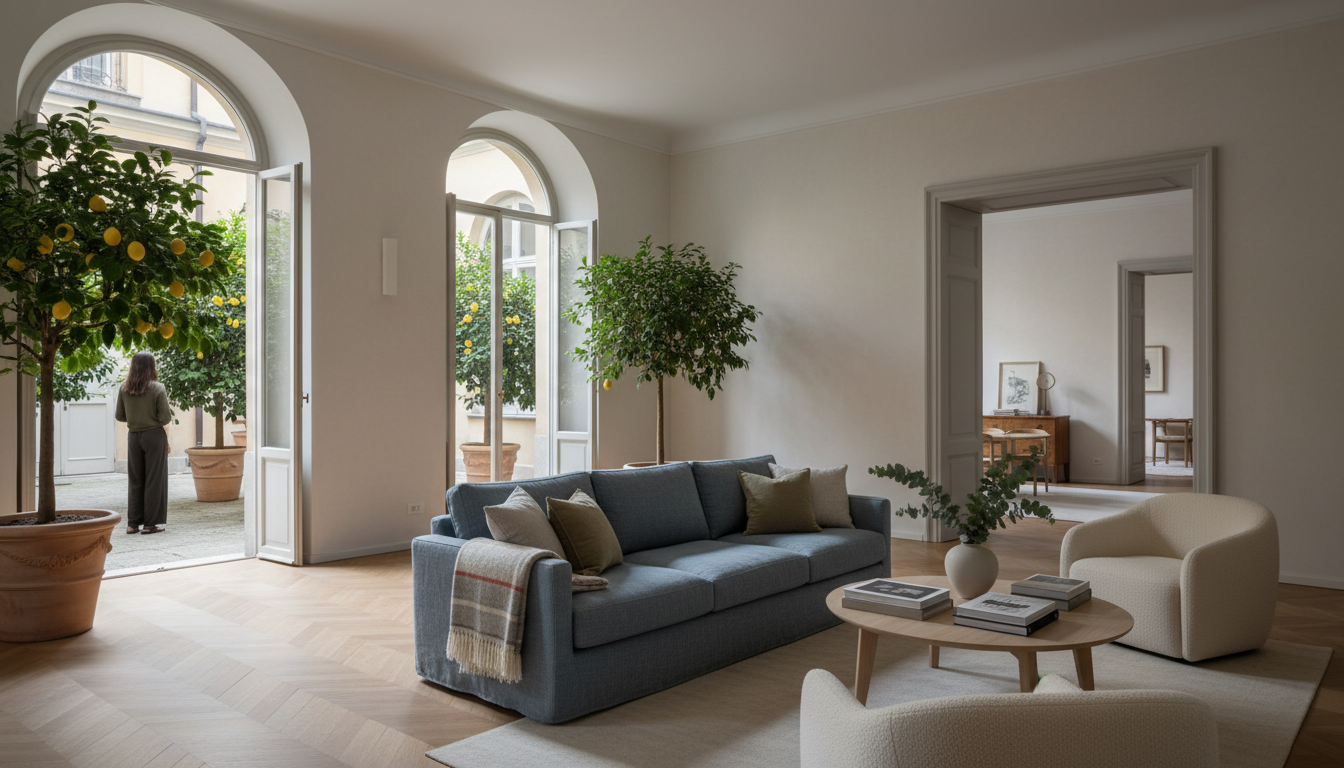 Elegant Milanese apartment interior with wide doorways, natural light streaming through tall windows
Why Milan Works for Senior Home Swappers
When most people picture Italy, they imagine Rome's endless stairs or Venice's bridges. Milan? Totally different story. The city is remarkably flat, built on the Lombard plain, which means no hills to conquer just to grab your morning cappuccino.
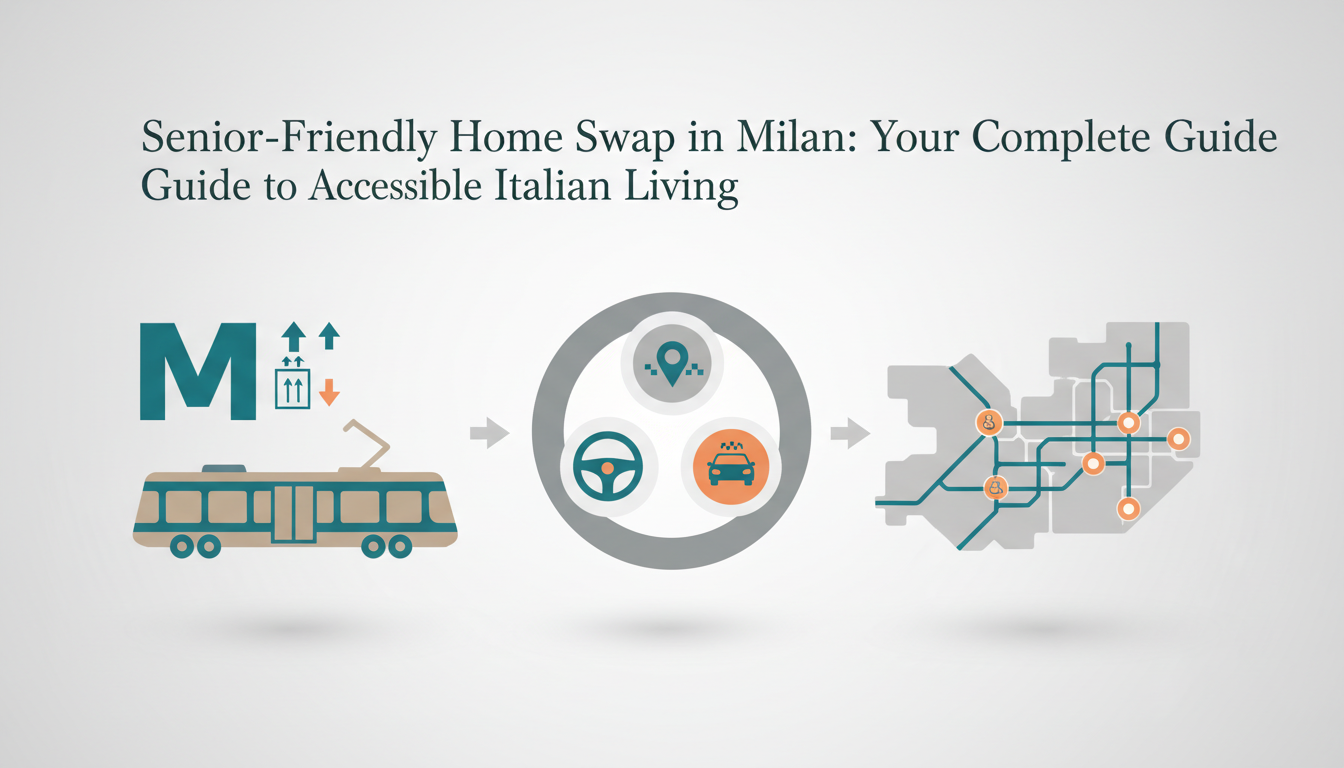
The metro system deserves special mention. Unlike many European transit networks that feel like archaeological expeditions, Milan's metro has been aggressively modernizing—most stations now have elevators, and the newer lines (M4 and M5) were designed with full accessibility from day one. My mom, who uses a cane on bad days, navigated the entire system without breaking a sweat.
But here's what really makes a senior-friendly home swap in Milan special: the neighborhood culture. Milanese life revolves around local rhythms—the same bakery every morning, the same café for afternoon aperitivo. When you're staying in someone's home, you inherit their neighborhood. The pharmacist knows your host. The produce vendor gives you the good tomatoes. You're not a tourist fumbling through phrase books; you're Maria's American friend staying in her flat.
This matters more as we age. The comfort of routine, familiar faces, a home base that actually feels like home—these aren't luxuries. They're necessities.
Finding Accessible Home Exchange Properties in Milan
Not all home swaps are created equal, especially when mobility matters.
The Elevator Question
Milan is a city of beautiful old buildings—which often means beautiful old staircases and zero elevators. When browsing listings on SwappaHome, don't just check if an elevator exists. Message the host and ask specific questions.
How old is the elevator? Some vintage Milanese lifts are barely bigger than a phone booth and require stepping up into them. Is there a step to enter the building? What about from the elevator to the apartment door? I've seen listings that technically have "elevator access" but require climbing 8 steps to reach it.
Ground-floor apartments are gold for senior travelers. Yes, they're harder to find, but they exist. My mom's Porta Venezia place was a converted former shop space—high ceilings, massive windows, and a front door that opened directly onto a quiet courtyard. No steps. Zero. She could roll her suitcase straight in.
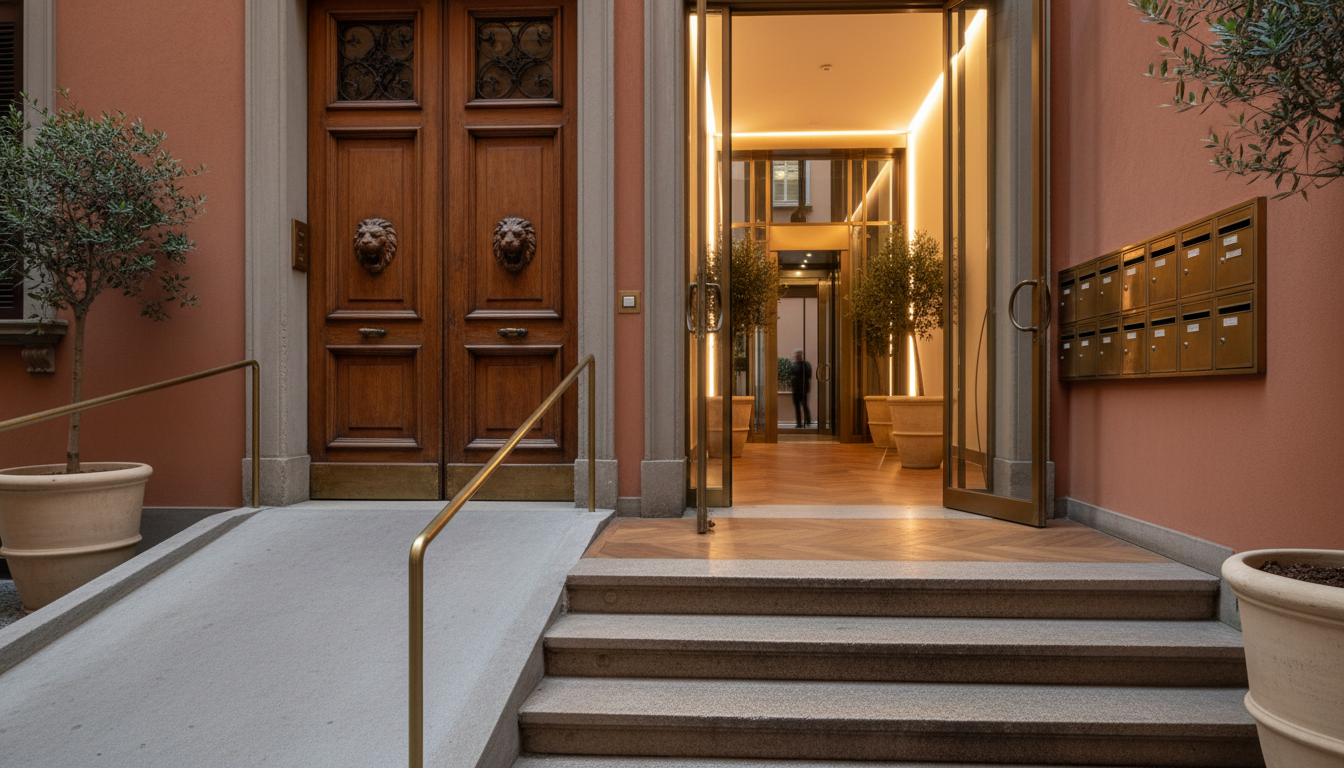 Close-up of a classic Milanese building entrance with a modern accessibility ramp beside traditional
Bathroom Considerations Nobody Talks About
I'm going to say what travel guides won't: bathrooms matter enormously for senior travelers, and Italian bathrooms can be... challenging. Many older Milanese apartments have tubs without showers, or showers with high step-in thresholds. Some have bidets that take up half the floor space.
When evaluating a home swap, ask for bathroom photos specifically. Look for walk-in showers or low-threshold tubs. Ask if there's a handheld showerhead—surprisingly not universal. My mom specifically requested a bathroom with grab bars. Her host didn't have them but installed a temporary removable bar before her arrival. That kind of accommodation is only possible with home exchange, where you're communicating human-to-human.
The Neighborhood Matters More Than the Address
For senior travelers, the best neighborhoods combine walkability, services, and that intangible sense of safety that comes from active street life.
Porta Venezia is my top recommendation. Flat streets, excellent public gardens (Giardini Indro Montanelli), abundant pharmacies, and a mix of traditional shops and modern conveniences. The metro station has elevators. Apartments here range from €80-150/night in hotels, but through home exchange, you're spending just 1 SwappaHome credit per night regardless of the property's market value.
Brera is gorgeous, artistic, central—but be careful. Some streets are cobblestoned, which can be rough on joints. The area near Via Solferino is flatter and more manageable than the sections closer to the castle.
Navigli? Trendy canal district, but I'd caution senior travelers. The nightlife means late-night noise, and the canal-side paths can be uneven. Beautiful for a visit, less ideal for a home base.
Città Studi is the university district. Sounds young and chaotic, but it's actually quite calm—lots of wide sidewalks, good medical facilities nearby (Policlinico hospital), and a more residential feel. Excellent value for home swaps here.
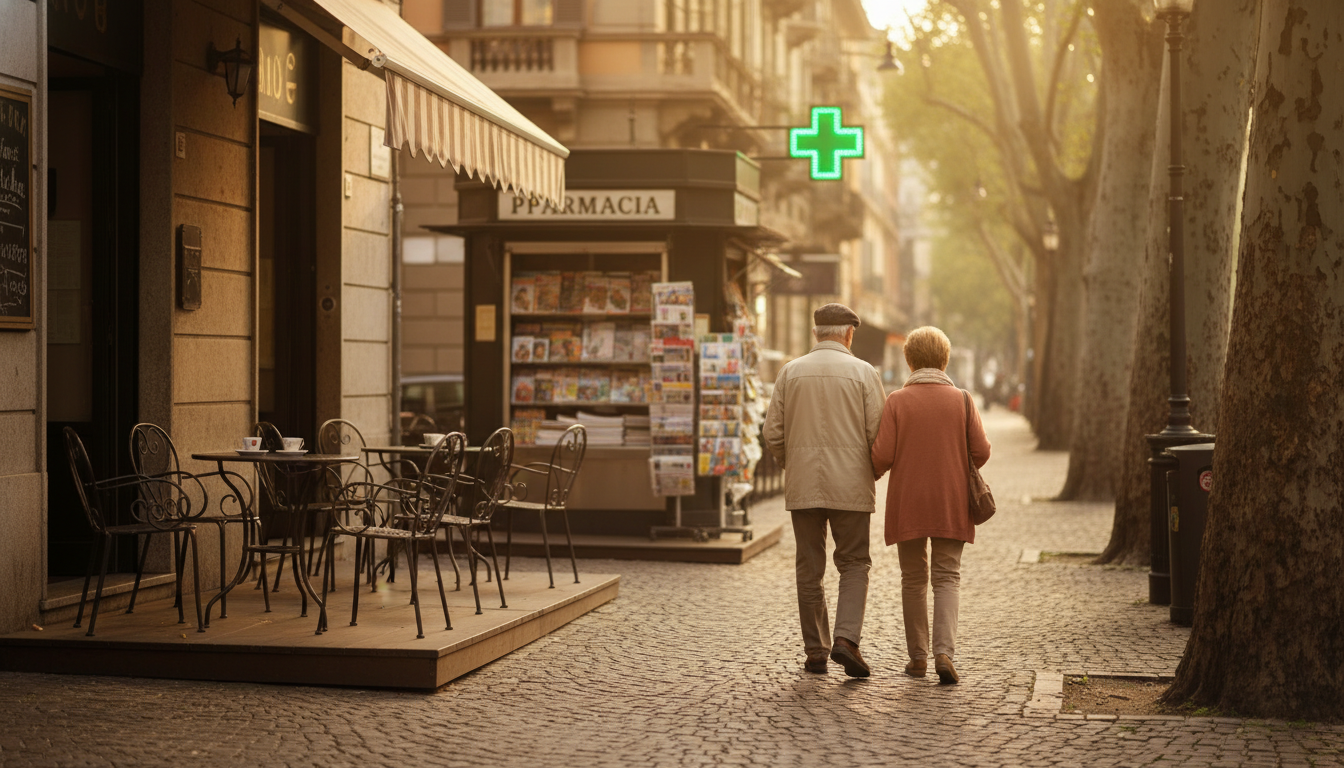 Morning scene in Porta Venezia neighborhood elderly Italian couple walking arm-in-arm past a traditi
Preparing Your Home for Senior Guests
Home exchange works both ways. If you're hoping to attract senior travelers to your property—or if you want to make your listing more appealing to the widest range of guests—here's what matters.
Photograph your accessibility features explicitly. Don't make people guess. Show the elevator, the bathroom, the entrance. If you have a step-free shower, feature it. These photos might not be the most glamorous, but they're the ones senior travelers scrutinize.
Be specific in your listing description. "First-floor apartment" means different things in different countries—ground floor in Europe, second floor in America. Say "ground level, no stairs" or "one flight up, no elevator" clearly.
Consider small additions that make a big difference. A shower stool costs maybe $30 and can be stored when not needed. A nightlight in the hallway. A list of nearby pharmacies and the number for the local doctor. These touches signal that you've thought about accessibility—and they'll make your listing stand out.
My mom has become evangelical about leaving detailed notes for her hosts when she returns. Which café has seating with back support. Where to find the elevator in the Duomo metro station. The pharmacy that speaks English. This kind of information doesn't exist in guidebooks.
Practical Milan Tips for Senior Travelers
Beyond the home swap itself, Milan requires some specific navigation.
Getting Around
The ATM (Azienda Trasporti Milanesi) offers a senior discount on transit passes for EU residents over 65, but even without it, a weekly pass costs around €17 ($18.50 USD) and covers unlimited travel on metro, trams, and buses. The 24-hour pass is €7.60 ($8.25 USD).
Trams are romantic but tricky—many require a step up that can be challenging. The newer low-floor trams (look for the sleek orange ones) are fully accessible. Buses vary; look for the wheelchair symbol indicating a lowered floor.
For longer distances, consider Milan's taxi service. Fares start at €3.30 and run about €1.10/km. From the Duomo to Porta Venezia costs roughly €10-12. Not cheap for daily use, but reasonable for airport transfers or tired evenings. The official taxi apps are ItTaxi and Free Now—avoid unmarked cars.
 Infographic showing Milan transportation options for seniors metro with elevator icons, low-floor tr
Healthcare and Pharmacies
Italian pharmacies (farmacie) are everywhere, and pharmacists are highly trained—they can recommend treatments for minor issues without a doctor visit. Look for the green cross. Many stay open until 7:30 PM, and each neighborhood has a rotating night pharmacy.
For more serious concerns, Milan has excellent hospitals. Policlinico is the largest public hospital; Humanitas and San Raffaele are renowned private facilities. EU citizens should carry their European Health Insurance Card. Americans—please get travel insurance. A basic policy costs $30-50 for a month and covers emergency care, medical evacuation, and trip interruption. This isn't optional advice.
The Heat Factor
Milan in July and August can hit 35°C (95°F) with humidity that makes it feel worse. If you're sensitive to heat, consider spring (April-May) or fall (September-October). The city empties in August anyway—many local shops close, and you'll miss that neighborhood immersion that makes home swapping special.
Winter is mild by Northern European standards but can be damp and foggy. December has Christmas markets; February has Fashion Week crowds. March is unpredictable but often lovely.
What Senior Travelers Actually Want to Do in Milan
I asked my mom what she actually did for three weeks, expecting a list of museums. Her answer surprised me.
"I went to the same café every morning. I read in the park. I took a cooking class. I watched people."
She saw the Duomo exactly once, spent maybe two hours in the Pinacoteca, and skipped the Last Supper entirely—tickets were sold out, and honestly, she didn't care.
This is the secret advantage of home exchange for senior travelers: you don't have to "do" Milan. You can live it.
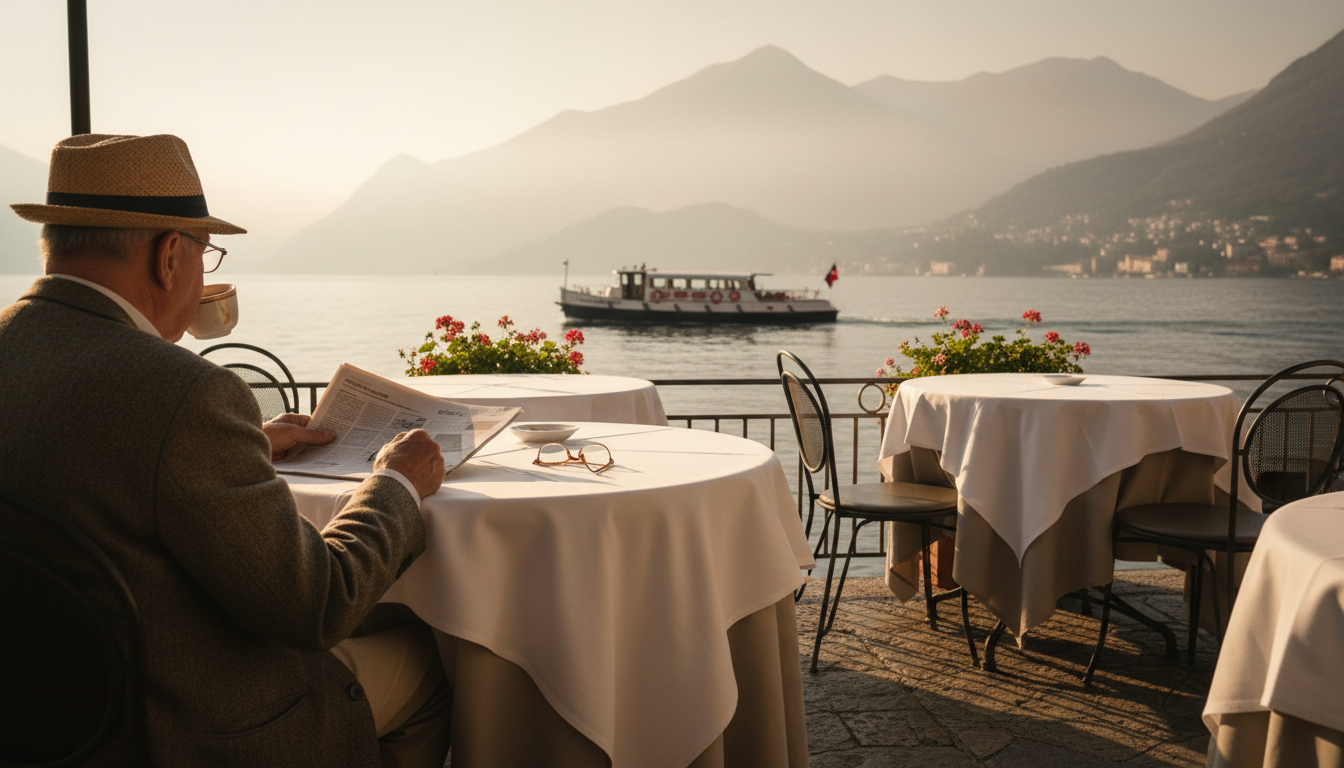
That said, here are activities that work well for older visitors. The Duomo terraces have an elevator option (€16 vs €13 for stairs). The rooftop views are spectacular and there's seating—go early morning to avoid crowds. Pinacoteca di Brera is fully accessible with elevators and wheelchairs available. The collection is world-class, the building is beautiful, and there's a café in the courtyard. Fondazione Prada is modern, fully accessible, and includes Wes Anderson's designed café Bar Luce—a whimsical spot that feels like stepping into a film. Entry is €15 ($16.30 USD). Day trips to Lake Como are manageable by train (40 minutes to Varenna). The lakeside promenades are flat, and many restaurants have terrace seating with views. Just note that some villages involve more walking than others—Bellagio is hillier than Varenna.
 Serene morning on Lake Como, viewed from a lakeside caf terrace with white tablecloths, an elderly t
The Social Side of Senior Home Swapping
Something happens when you're staying in someone's actual home. You become part of an informal network.
My mom's host, Maria, left a list of her friends who spoke English and were happy to meet for coffee. One of them, Lucia, took my mom to her neighborhood's hidden trattoria—the kind of place with no sign, just a door and a buzzer. Another, Paolo, walked her through the Brera market and haggled for artichokes on her behalf.
This isn't something you can buy. It's not in any guidebook. It emerges from the trust inherent in home exchange—you're not a stranger, you're Maria's friend.
For senior travelers who might worry about loneliness or isolation in a foreign city, this social dimension matters enormously. Through SwappaHome's messaging system, you can connect with your host before arrival, ask questions, and start building that relationship. Many hosts are happy to introduce you to their circles, especially if you mention you're traveling solo or would appreciate local connections.
How the Credit System Works for Extended Stays
Senior travelers often want longer stays—two weeks, three weeks, a month. This is where SwappaHome's credit system really shines.
Here's the math: every night you host someone earns you 1 credit. Every night you stay somewhere costs 1 credit. New members start with 10 free credits. So if you host a couple for 10 nights in your home, you've earned enough credits for 10 nights in Milan—or anywhere else in the network.
For a three-week Milan stay, you'd need 21 credits. That might sound like a lot, but consider: hosting guests while you're away on other trips, or hosting during local events when visitors want to come to your city. My mom hosted three separate guests over six months before her Milan trip, building up credits without any rush.
The beauty is flexibility. You don't need to find someone who wants to swap directly with you. Host a family from Tokyo, use those credits in Milan. It's a network, not a one-to-one trade.
Preparing for Your Senior-Friendly Milan Home Swap
A month before departure, here's your checklist.
Confirm accessibility details with your host one more time. Things change—elevators break, construction happens. A quick message ensures no surprises.
Arrange airport transfer in advance. Malpensa is 50km from central Milan; a taxi costs €95-100 fixed rate. The Malpensa Express train is €13 and drops you at Milano Centrale, but involves some walking and stairs at the station. For accessibility, book a private transfer through services like Welcome Pickups (around €80-90) where you can request assistance.
Download offline maps of Milan and your neighborhood. Google Maps works well; save the area around your accommodation so you can navigate without data.
Learn five Italian phrases: Buongiorno (good morning), Grazie (thank you), Scusi (excuse me), Parla inglese? (do you speak English?), and Dov'è il bagno? (where's the bathroom?). These go further than you'd think.
Pack a small first-aid kit with your regular medications, plus basics like pain relievers and antacids. Pharmacies are everywhere, but having your essentials means one less thing to figure out jet-lagged.
What Could Go Wrong (And How to Handle It)
Real talk: let's discuss potential issues.
The apartment isn't as described. This is rare in home exchange because hosts have reputations to protect—unlike hotels, they'll get a review that future travelers will read. But if something's genuinely wrong, document it with photos and contact your host immediately. Most issues are misunderstandings or fixable problems.
You have a medical emergency. Call 118 for ambulance services. Most operators speak some English. If you can get to a hospital yourself, emergency rooms (Pronto Soccorso) will treat you regardless of insurance status—you'll sort out payment later.
You feel isolated or overwhelmed. This happens, especially on longer stays. Build in social touchpoints: a weekly market visit, a regular café, a cooking class. Join expat Facebook groups for Milan—there's often someone happy to meet for coffee.
The neighborhood feels unsafe. Milan is generally very safe, but if you're uncomfortable, trust your instincts. Stick to well-lit streets, avoid deserted areas late at night, and remember that Italian cities are designed for walking—there's usually a busier street one block over.
Is Home Swapping Right for Every Senior?
I want to be honest here. Home exchange isn't for everyone.
If you need daily assistance, medical equipment that can't travel, or have cognitive challenges that make unfamiliar environments distressing, a home swap might not be the right choice. Hotels and assisted travel programs exist for good reasons.
But if you're an independent senior who's simply thoughtful about accessibility—someone who checks for elevators and avoids cobblestones but otherwise travels confidently—home swapping opens up a world that traditional travel can't match.
My mom put it this way: "At a hotel, I'm a guest. At Maria's apartment, I was a neighbor."
That distinction matters more as we age. The human connections, the daily rhythms, the sense of belonging somewhere—these aren't luxuries. They're what make travel meaningful.
Your Next Step
If you're considering a senior-friendly home swap in Milan—or anywhere else—start by creating your SwappaHome profile. Be honest about your accessibility needs and what you offer guests. Upload clear photos of your home, including those practical bathroom shots.
Then browse Milan listings with fresh eyes. Message hosts whose places look promising. Ask the specific questions: elevator age, bathroom setup, neighborhood walkability. You'll find that the home exchange community is remarkably responsive and helpful—we've all been the nervous first-timer.
My mom is already messaging with a host in Florence for next spring. She's looking at ground-floor apartments near Santo Spirito, checking for walk-in showers, asking about the nearest pharmacy. She's become an expert at this, and she's 68 years old and traveling solo.
If she can do it, so can you.
Frequently Asked Questions
Is a senior-friendly home swap in Milan safe for solo travelers?
Milan is one of Italy's safest major cities, with low violent crime rates and excellent public services. The home exchange community adds another layer of security—you're staying in a verified member's home, with reviews from previous guests. Solo senior travelers regularly use SwappaHome in Milan without issues. That said, always inform someone of your travel plans and keep emergency contacts accessible.
How much can seniors save with home exchange versus Milan hotels?
A mid-range Milan hotel costs €120-180 per night ($130-195 USD). For a three-week stay, that's €2,520-3,780 ($2,730-4,095 USD) in accommodation alone. With SwappaHome, you'd spend 21 credits—earned by hosting guests in your own home. The only cash costs are the platform membership and your flights. Most senior home swappers report saving 60-80% on total trip costs.
What accessibility features should I look for in a Milan home swap?
Prioritize elevator access (ask about elevator size and any steps to reach it), ground-floor or first-floor locations, walk-in showers or low-threshold tubs, and neighborhoods with flat terrain. Porta Venezia, Città Studi, and parts of Brera offer the best accessibility. Always message hosts directly to confirm specific details before booking.
Can I bring mobility aids like walkers or wheelchairs on a Milan home swap?
Yes, though you'll want to confirm storage space with your host and check that doorways are wide enough (standard Italian doors are 70-80cm). Milan's metro system accommodates wheelchairs on newer lines, and many museums offer wheelchair loans. Some home swap hosts keep folding wheelchairs or walking aids available for guests—ask when messaging.
What's the best time of year for senior travelers to visit Milan?
Spring (April-May) and fall (September-October) offer mild temperatures, fewer crowds, and full neighborhood life. Avoid July-August when heat exceeds 35°C and many local businesses close. Winter is manageable but damp. For the best home swap availability, book 2-3 months ahead for shoulder seasons.
40+
Swaps
25
Countries
7
Years
About Maya Chen
Travel Writer & Home Exchange Expert
Maya is a travel writer with over 7 years of experience in the home swapping world. Originally from Vancouver and now based in San Francisco, she has completed more than 40 home exchanges across 25 countries. Her passion for "slow" and authentic travel led her to discover that true luxury lies in living like a local, not a tourist.
Ready to try home swapping?
Join SwappaHome and start traveling by exchanging homes. Get 10 free credits when you sign up!
Related articles
Lyon Home Exchange: Your Complete Guide to France's Hidden Gem for Home Swapping
Discover why Lyon home exchange is booming among savvy travelers. From Croix-Rousse to Presqu'île, find the best neighborhoods and insider tips for your swap.

Zurich Bucket List: 47 Unforgettable Experiences to Enjoy During Your Home Swap
Discover the ultimate Zurich bucket list for home swappers—from secret swimming spots to fondue rituals locals actually do. Save thousands while living like a true Zürcher.
Dublin Home Exchange Utilities Guide: WiFi, Heating & Everything Your Guests Need
Master Dublin home exchange utilities—from dodgy WiFi fixes to heating quirks. Practical tips from 7 years of swapping homes across Ireland.