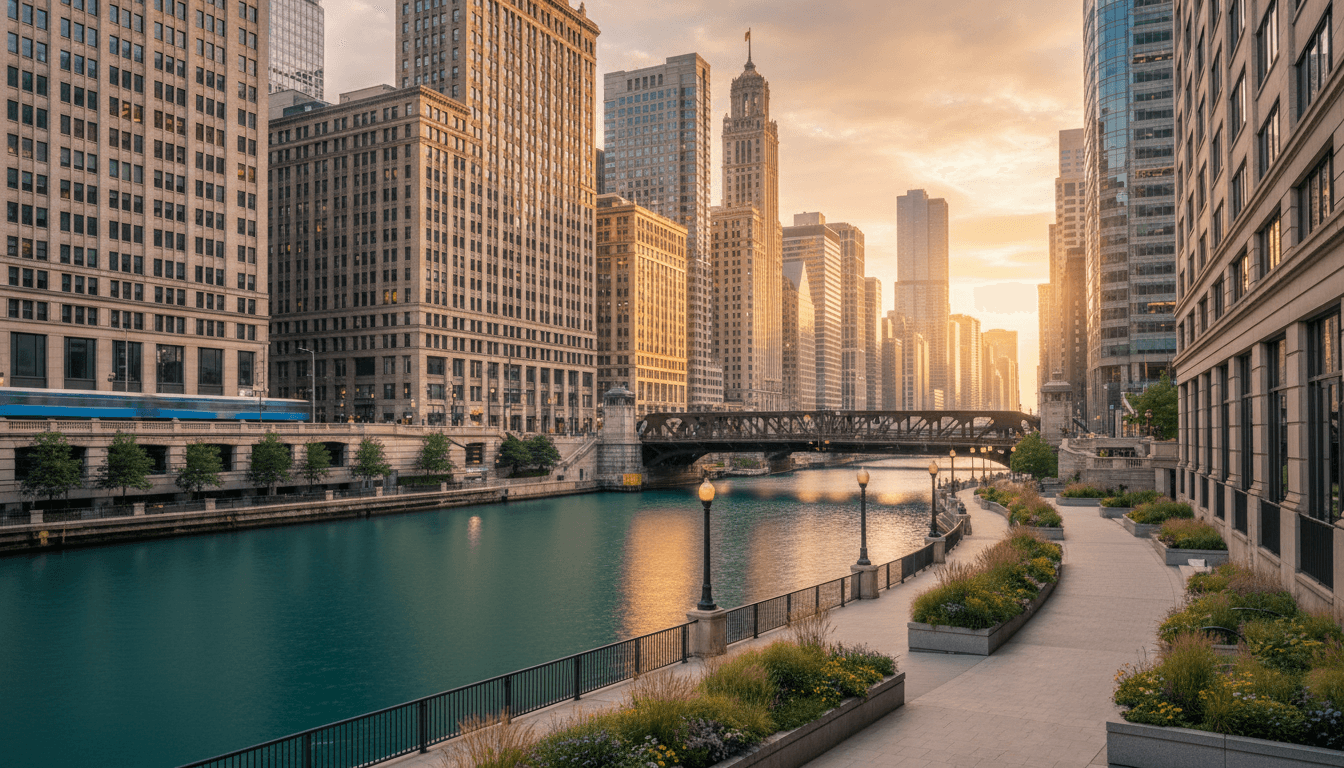
Top 10 Things to Do in Chicago During Your Home Swap: A Local's Insider Guide

SwappaHome Editorial Team
Home Exchange & Slow Travel Editorial
Discover the top 10 things to do in Chicago during your home swap—from deep-dish pizza to hidden speakeasies, architecture tours to neighborhood gems only locals know.
The L train rattled overhead as I dragged my suitcase down a tree-lined street in Lincoln Park, trying to match the address on my phone to the brick three-flat in front of me. My first home swap in Chicago, and I was already sweating through my shirt in the August humidity. But then my host's neighbor waved from her porch, pointed me toward the hidden garden entrance, and within an hour I was drinking iced coffee on a rooftop deck watching the skyline turn gold.
That was three years ago. I've since done four more Chicago home swaps, each in a different neighborhood, each revealing a completely different city. And here's what I've learned: the things worth doing in Chicago during your home swap aren't necessarily what you'll find in a glossy guidebook. Sure, you'll hit the classics—but when you're living in someone's actual apartment, cooking in their kitchen, borrowing their bikes, you experience Chicago the way Chicagoans do.
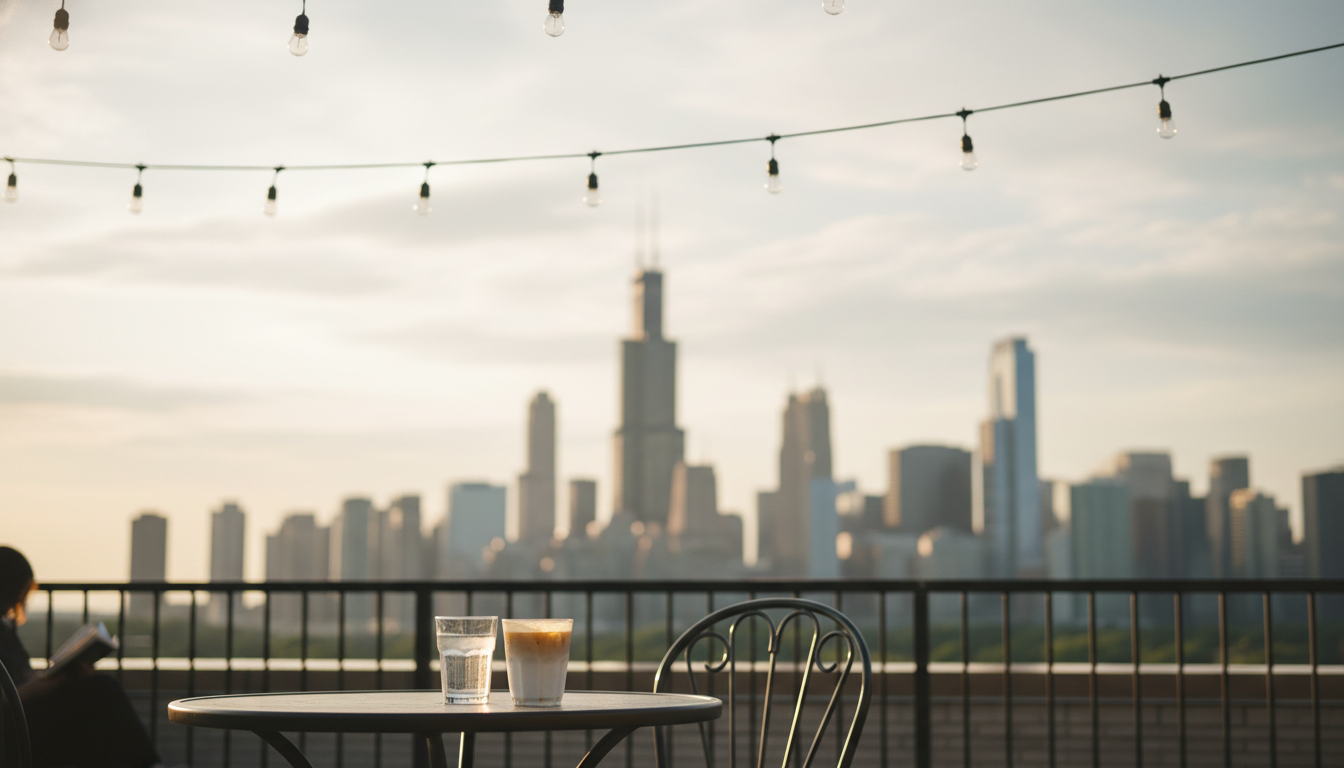 Golden hour view of Chicago skyline from a Lincoln Park rooftop deck, string lights overhead, iced c
These are the experiences that made me fall hard for this city—and how staying in a real Chicago home changes everything.
1. Experience Chicago's Legendary Architecture from the Water
I'm going to start with something touristy because honestly? It's touristy for a reason.
The Chicago Architecture Center River Cruise is the single best thing I've ever done in this city. And I've done it three times. Each time I notice something new—the way the Aqua Tower's balconies ripple like waves, how the Tribune Tower has fragments of famous buildings embedded in its base (pieces of the Parthenon, Notre-Dame, the Great Wall). It's almost absurd how much detail is packed into these buildings.
Book the 90-minute tour with the Chicago Architecture Center specifically—they use volunteer docents who are architects, historians, and urban planners. Not actors reading scripts. The difference shows.
If you're staying in River North or the Loop, walk to the dock. It's at Michigan Avenue and Wacker Drive. Tickets run about $62 for adults, and you'll want to book at least a few days ahead during summer. The 9:15 AM departure has the softest light and smallest crowds.
Here's the home swap advantage: after the tour, you're not trudging back to a hotel room. You're heading to your borrowed apartment in Wicker Park, making lunch with groceries from the corner bodega, and processing what you just saw. That decompression time? It's everything.
2. Go Deep on Deep-Dish Pizza (But Know the Real Debate)
Real talk about Chicago deep-dish pizza: actual Chicagoans don't eat it every week. It's more of a "visitors are in town" or "it's someone's birthday" food. But when you do eat it, you need to do it right.
The big three are Lou Malnati's, Giordano's, and Pequod's. Here's my honest take after trying all of them during various home swaps.
Lou Malnati's has the best crust—buttery, flaky, almost like a savory pie. Their sausage is a single patty that covers the entire pizza. The original location in Lincolnwood is worth the trip, but the River North spot works fine.
Giordano's does stuffed pizza, which is different—two layers of dough with cheese in between. It's heavier, gooier, and divisive. I love it. My partner thinks it's too much. We've agreed to disagree.
Pequod's is the cult favorite, and honestly, it might be my pick. They do a caramelized cheese crust that gets crispy and almost burnt at the edges. The Lincoln Park location is cramped and loud and perfect. Expect a 45-minute wait on weekends—put your name in, walk to the Biograph Theater (where John Dillinger was shot), and come back.
Budget about $35-45 for a medium pizza that feeds 2-3 people. And order it as soon as you sit down—these things take 45 minutes to bake.
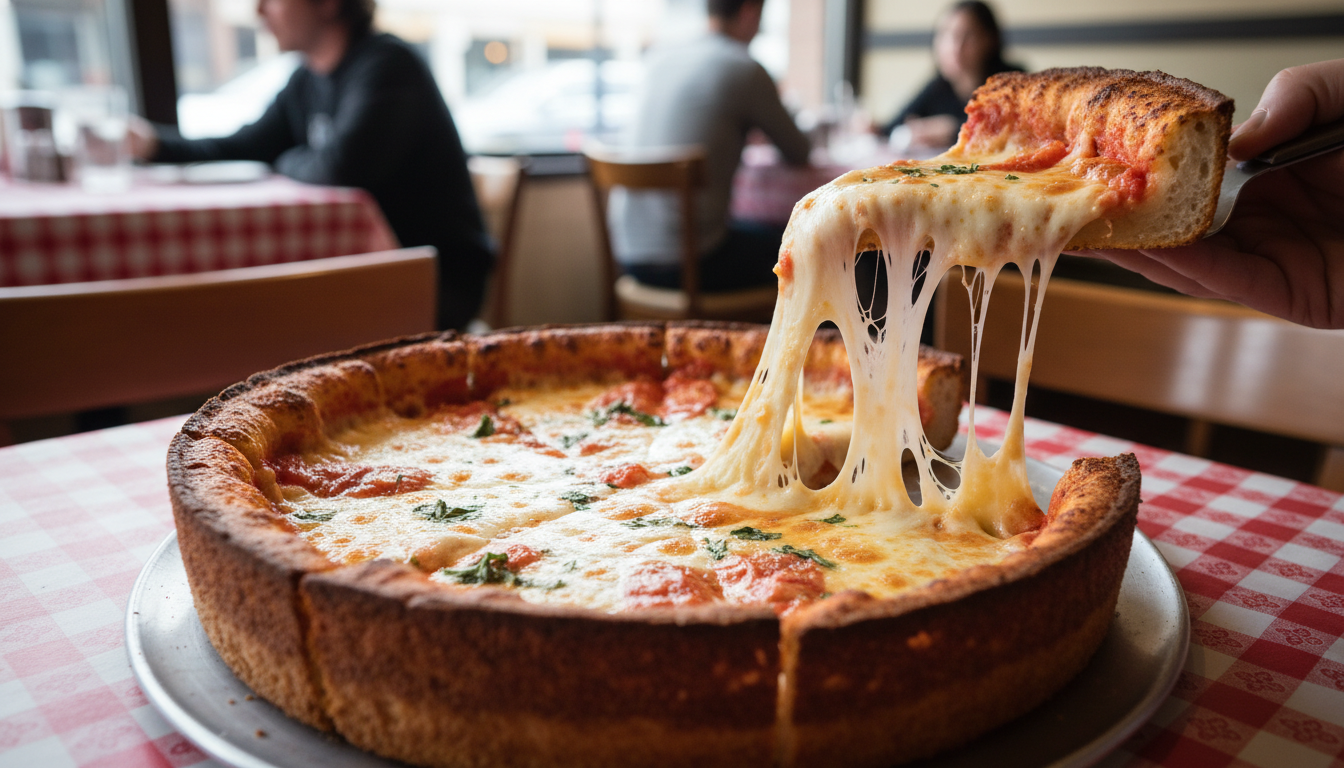 Overhead shot of a deep-dish pizza at Pequods with caramelized cheese edges, one slice being lifted
When you're doing a home swap in Chicago, you can take leftovers home. Cold deep-dish for breakfast is a genuine Chicago experience. Don't knock it.
3. Walk the 606 Trail Like a Local
The 606 is an elevated rail trail—think New York's High Line, but longer, less crowded, and running through actual neighborhoods instead of tourist zones.
It stretches 2.7 miles from Wicker Park through Bucktown, Humboldt Park, and Logan Square. What makes it special during a home swap is that it connects four of Chicago's most interesting residential neighborhoods. You're not walking through a curated experience—you're walking through people's backyards, past their gardens, above their streets.
I did this on my second Chicago swap, staying in a Bucktown coach house. My host left a note: "Walk the 606 at sunset. Trust me." She was right. The trail faces west, and watching the sun drop behind the city while joggers and families and couples drift past you—it's genuinely magical.
The trail is free and open 6 AM to 11 PM. Access points are scattered throughout, but I'd start at the Walsh Park entrance (1722 N. Ashland) and walk west. Stop at the Humboldt Park overlook, then exit at Ridgeway and walk down to grab tacos at L'Patron (2815 W. Diversey, cash only, $3 tacos that will ruin all other tacos for you).
4. Spend a Full Day at the Art Institute (Yes, Really)
I used to be a "two hours max in any museum" person. The Art Institute of Chicago broke me of that.
This isn't just one of the best art museums in America—it's one of the best in the world. And I don't say that lightly. The Impressionist collection alone could fill a day. They have Nighthawks. They have American Gothic. They have an entire wing of Thorne Miniature Rooms that sounds boring until you're crouched in front of a 1:12 scale 18th-century French salon for twenty minutes, completely transfixed.
Admission is $35 for adults, but here's a home swap hack: if you're staying more than a few days, buy an Illinois resident pass for $149 (annual) and go multiple times. Or check if your host has a membership—many do, and some include guest passes.
I'd suggest doing the museum in two visits if possible. First visit: the Modern Wing and Impressionists. Second visit: everything else. The rooftop terrace in the Modern Wing has free admission and overlooks Millennium Park—good for a mid-museum break.
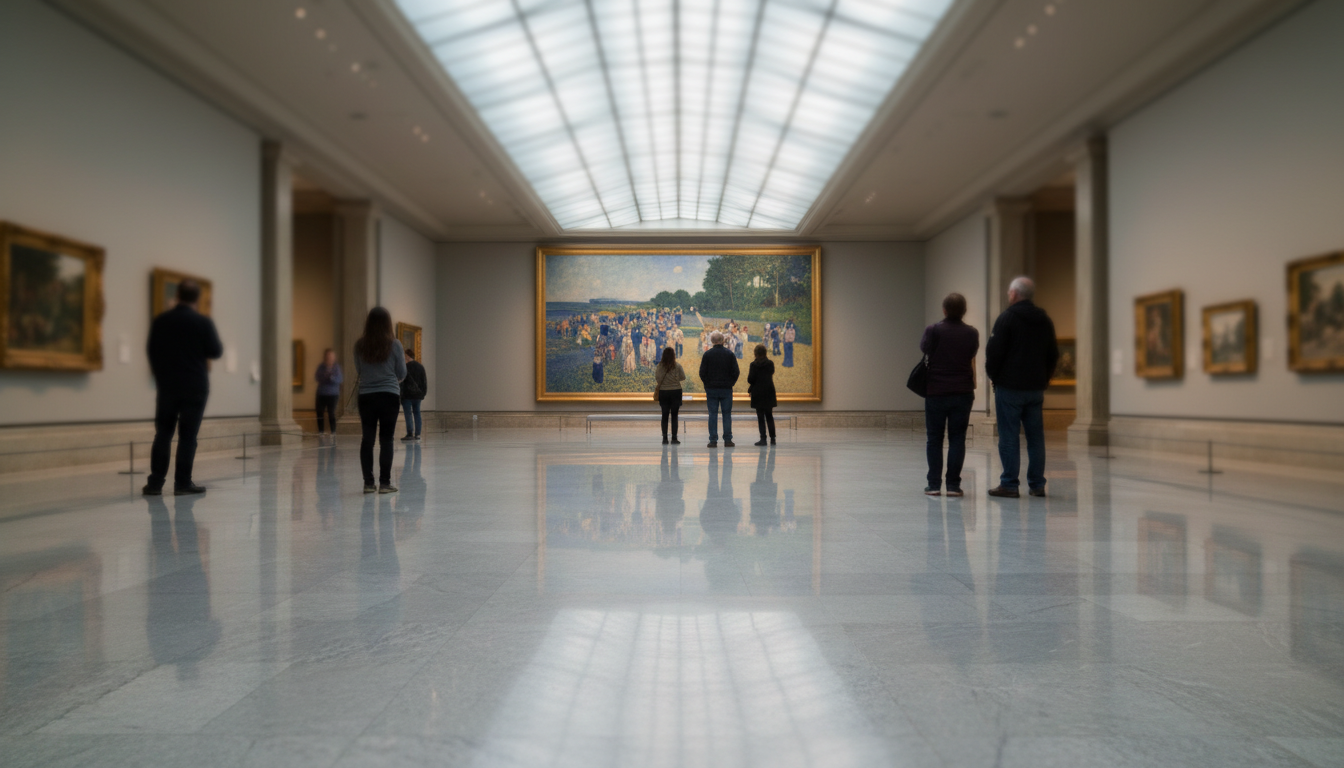 Interior of the Art Institute of Chicagos Impressionist gallery, visitors contemplating Seurats A Su
The museum is closed on Tuesdays. Don't learn this the hard way like I did.
5. Explore Chicago's Best Neighborhoods for Home Swapping
One of the best things about doing a home swap in Chicago is that you're not stuck in the tourist corridor. You're embedded in a neighborhood. And Chicago's neighborhoods have more distinct personalities than almost any American city I've visited.
Wicker Park / Bucktown
This is where I've stayed most often. It's the sweet spot—walkable to great restaurants, bars, and coffee shops, easy access to the Blue Line (which goes straight to O'Hare), and residential enough to feel like you're actually living somewhere. Expect to find vintage shops, third-wave coffee, and excellent tacos. The median home swap here tends to be a condo or apartment in a converted building.
Lincoln Park
More upscale, more families, more green space. This is where you stay if you want to jog along the lakefront, visit the (free!) Lincoln Park Zoo, or browse boutiques on Armitage Avenue. It's beautiful but can feel a bit suburban-in-the-city.
Logan Square
The most "up and coming" of the bunch—which means younger, artier, and slightly edgier. The best cocktail bars in the city are here (more on that later). The Palmer Square area is gorgeous, all Victorian homes around a central park.
Pilsen
Chicago's Mexican-American heart. Incredible street art, authentic taquerias, and the National Museum of Mexican Art (free, and genuinely excellent). Staying here feels like being in a different city entirely—in the best way.
Hyde Park
Where the Obamas lived, where the University of Chicago is, where you'll find the Museum of Science and Industry. It's further south and requires more intentional travel, but the architecture is stunning and the neighborhood has an intellectual, bookish vibe I love.
6. Catch a Show at Second City or an Improv Comedy Club
Chicago invented modern improv comedy. Tina Fey, Amy Poehler, Bill Murray, Steve Carell—they all came through here. Seeing a show at Second City or iO Theater isn't just entertainment, it's cultural pilgrimage.
Second City (1616 N. Wells Street) does sketch comedy with improv elements. The mainstage show runs about $35-60 depending on the night. It's polished, professional, and consistently funny. But here's the insider move: stay for the free improv set after the main show. It's usually around 10:30 PM, and it's where you see performers taking real risks.
iO Theater (1501 N. Kingsbury Street) is pure improv. If you've never seen long-form improv before, it might take a minute to click—but when it does, it's electric. Tickets are cheaper here, around $15-25.
I saw a show at iO during my last Chicago swap and ended up at the bar afterward talking to one of the performers about the creative process. That doesn't happen at a Broadway show. It happens in Chicago.
7. Do the Lakefront Trail (All 18 Miles of It)
You don't have to do all 18 miles. But you should do some of it.
The Lakefront Trail runs from Edgewater in the north to 71st Street in the south, hugging Lake Michigan the entire way. It's separated from traffic, it's free, and it's one of the most beautiful urban running/biking/walking paths in the country.
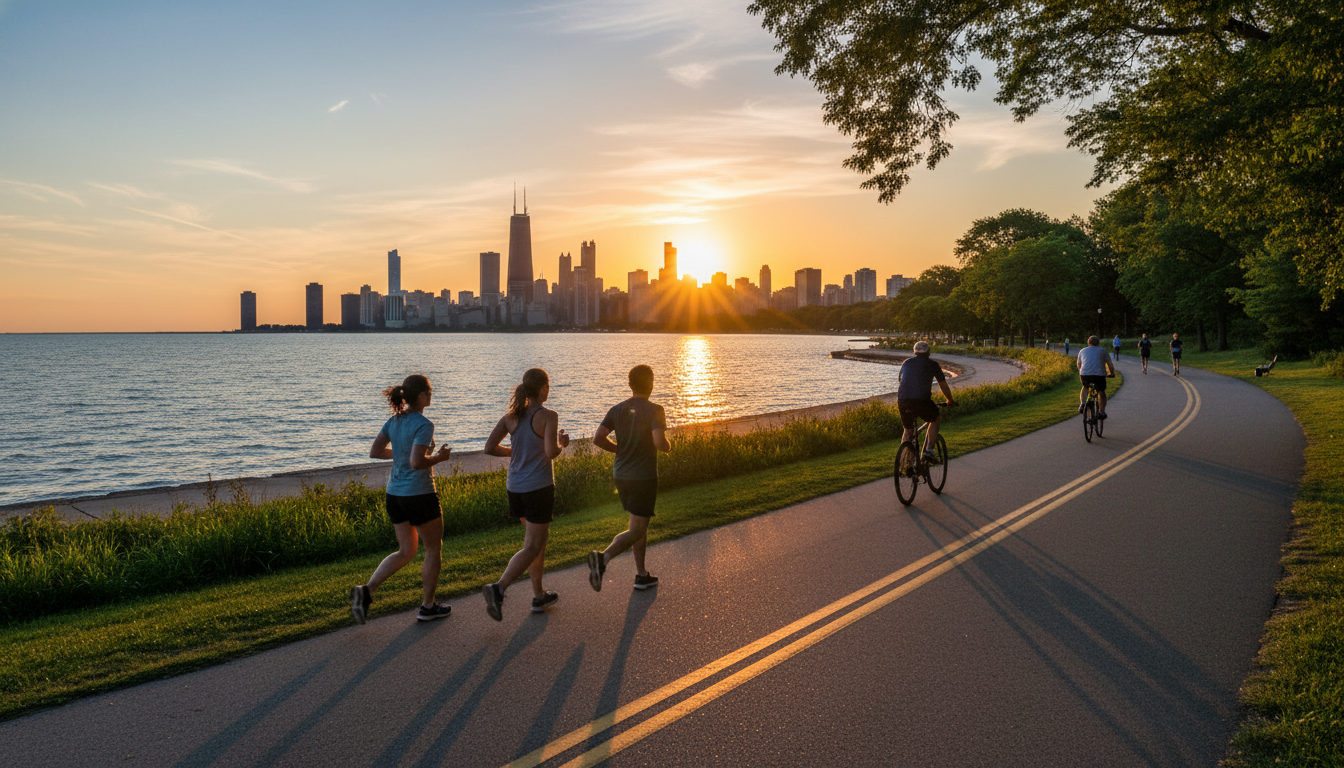 Early morning on Chicagos Lakefront Trail near North Avenue Beach, joggers and cyclists, Lake Michig
If you're doing a home swap in Chicago, ask your host if they have bikes you can borrow. Many do. If not, Divvy (Chicago's bike share) has stations everywhere—$15 for a day pass, which includes unlimited 3-hour rides.
My favorite stretch: start at Montrose Harbor, ride south past the totem pole (yes, there's a random totem pole), through the curve at Belmont, past the chess pavilion at North Avenue Beach, and end at Navy Pier. It's about 7 miles, mostly flat, and you'll pass every type of Chicagoan along the way.
8. Find the Hidden Speakeasies
Chicago's cocktail scene is world-class, and the best bars are the ones you have to look for.
The Violet Hour (1520 N. Damen Avenue) started the craft cocktail movement in Chicago. There's no sign—just a wooden wall with a door. Cocktails run $16-18, the vibe is dark and moody, and they have a strict "no cell phones" policy that I actually appreciate.
The Whistler (2421 N. Milwaukee Avenue) in Logan Square combines cocktails with live music and art shows. It's smaller, cheaper ($10-14 drinks), and attracts a creative crowd. Monday nights often have free jazz.
Kumiko (630 W. Lake Street) is Japanese-inspired and stunning—both the drinks and the space. It's pricier ($18-22 cocktails) but worth it for a special night. The bar snacks are exceptional.
Here's my home swap approach to Chicago nightlife: pick one nice cocktail bar per trip, go early (5-6 PM), sit at the actual bar, and talk to the bartender. Ask what they're excited about. You'll learn more about the city in an hour than you would from any guidebook.
9. Visit a Neighborhood Farmers Market
This might sound boring, but hear me out.
When you're doing a home swap, you have a kitchen. You can actually cook. And there's something deeply satisfying about buying produce at a Chicago farmers market, taking it back to your borrowed apartment, and making dinner while the sun sets over the city.
The Green City Market in Lincoln Park (Saturdays, May-October) is the biggest and best. It's been running since 1998 and features 50+ vendors. Get there by 8 AM to avoid crowds, grab coffee and a pastry from the Floriole stand, and wander.
The Logan Square Farmers Market (Sundays) is smaller and more neighborhood-focused. It's where I discovered the best hot honey I've ever had (from a vendor called Bee Seasonal).
Wicker Park Farmers Market (Sundays) is convenient if you're staying in that area, with a good mix of produce, prepared foods, and crafts.
Budget about $30-50 for a good haul of vegetables, bread, cheese, and something sweet.
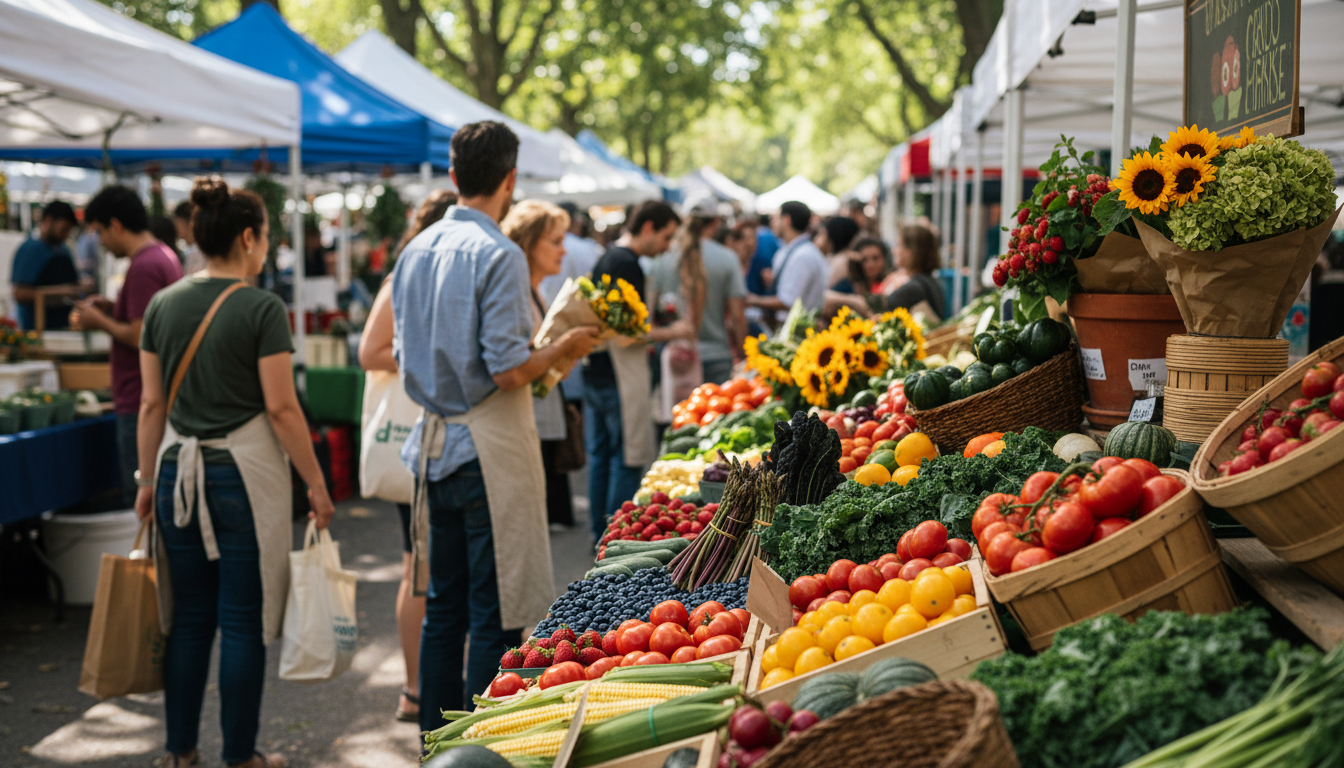 Colorful produce spread at Green City Market in Lincoln Park, late morning light, vendors chatting w
10. Take the Brown Line Just to Take the Brown Line
This is my most unconventional recommendation, and I stand by it.
The Brown Line is Chicago's elevated train that loops through the North Side, passing through neighborhoods like Lincoln Square, Ravenswood, and Albany Park. Unlike the Blue or Red lines, it runs above ground almost the entire way.
Get on at any stop and ride the full loop. Look into people's backyards. Watch the neighborhoods change. See the city from a perspective tourists never get. It costs $2.50 and takes about an hour for the full circuit.
I did this on a rainy afternoon during my third Chicago swap. I had nowhere to be, nothing scheduled. I just rode the train with a coffee and a book, looking up occasionally to watch Chicago drift by. It's one of my favorite travel memories.
This is the home swap difference. You're not optimizing every minute. You're not checking boxes. You have time to just... be somewhere.
Why Home Swapping Changes How You Experience Chicago
I've stayed in Chicago hotels. They're fine. You wake up, you go to the lobby, you get a cab to your destination, you come back, you sleep. The city happens outside your window.
When you do a home swap in Chicago, the city happens around you. You learn which coffee shop the neighbors go to. You figure out the recycling schedule. You know that the guy at the corner store will save you the last copy of the Sunday Tribune if you ask nicely.
My last Chicago host left me a hand-drawn map of her favorite spots within a ten-minute walk. A ramen place, a used bookstore, a park with a hidden garden. None of them were in any guidebook. All of them made my trip.
That's what SwappaHome makes possible. You're not booking a room—you're borrowing someone's life for a week. And in a city like Chicago, where the neighborhoods are the whole point, that changes everything.
New members start with 7 free credits, which means 7 free nights to try it out. Chicago has hundreds of listings across all the neighborhoods I mentioned. And honestly? The Chicago home swap community is one of the most active and welcoming I've encountered.
I'm heading back to Chicago next spring. This time I'm eyeing a coach house in Pilsen—I want to spend more time in that neighborhood, explore the street art, eat my weight in tacos. Maybe I'll finally make it to a Cubs game at Wrigley (I know, I know, I've somehow never done this).
Chicago is one of those cities that rewards return visits. Each time I go, I find a new layer. And each time, staying in someone's home makes me feel less like a tourist and more like a temporary local.
That's the whole point, isn't it?
Frequently Asked Questions
What are the best things to do in Chicago during a home swap?
The standouts include the Architecture River Cruise, exploring deep-dish pizza spots like Pequod's, walking the 606 Trail, visiting the Art Institute, and experiencing neighborhood life in areas like Wicker Park or Pilsen. Having a kitchen and local neighborhood access through home swapping lets you experience Chicago like a resident rather than a tourist.
How much does a week in Chicago cost with home swapping vs hotels?
A decent Chicago hotel averages $200-350 per night, meaning $1,400-2,450 for a week. With SwappaHome's credit system, accommodation is essentially free—you spend 1 credit per night regardless of location. Add in cooking at home versus restaurant meals, and most home swappers save $2,000-3,000 on a week-long Chicago trip.
What neighborhoods are best for home swapping in Chicago?
Wicker Park/Bucktown (walkable, great food scene), Lincoln Park (upscale, near the lakefront), Logan Square (artsy, excellent bars), Pilsen (authentic Mexican-American culture), and Hyde Park (intellectual, beautiful architecture). Each offers a distinct Chicago experience unavailable from downtown hotels.
Is Chicago safe for home swap visitors?
Chicago's popular home swap neighborhoods—Lincoln Park, Wicker Park, Bucktown, Logan Square, and the Loop—are generally safe for visitors. Like any major city, use common sense, stay aware of your surroundings, and ask your home swap host for specific neighborhood advice. The SwappaHome review system helps you connect with verified, trusted hosts.
When is the best time to visit Chicago for a home swap?
Late May through early October is ideal when the weather is warm and outdoor activities thrive. Summer (June-August) offers festivals and lakefront activities but higher demand. September-October provides pleasant weather, fall colors, and easier booking. Winter swaps offer lower demand and holiday markets, but prepare for cold.

Published by
SwappaHome
SwappaHome Editorial Team
Home Exchange & Slow Travel Editorial
The SwappaHome Editorial Team brings together travel research, home-exchange community insights, and platform data to produce practical guides for first-time and experienced home swappers. Every article cites real platforms, current market rates, and verifiable city-level facts so readers can make informed decisions without guessing.
Ready to try home swapping?
Join SwappaHome and start traveling by exchanging homes. Get 7 free credits when you sign up!
Related articles
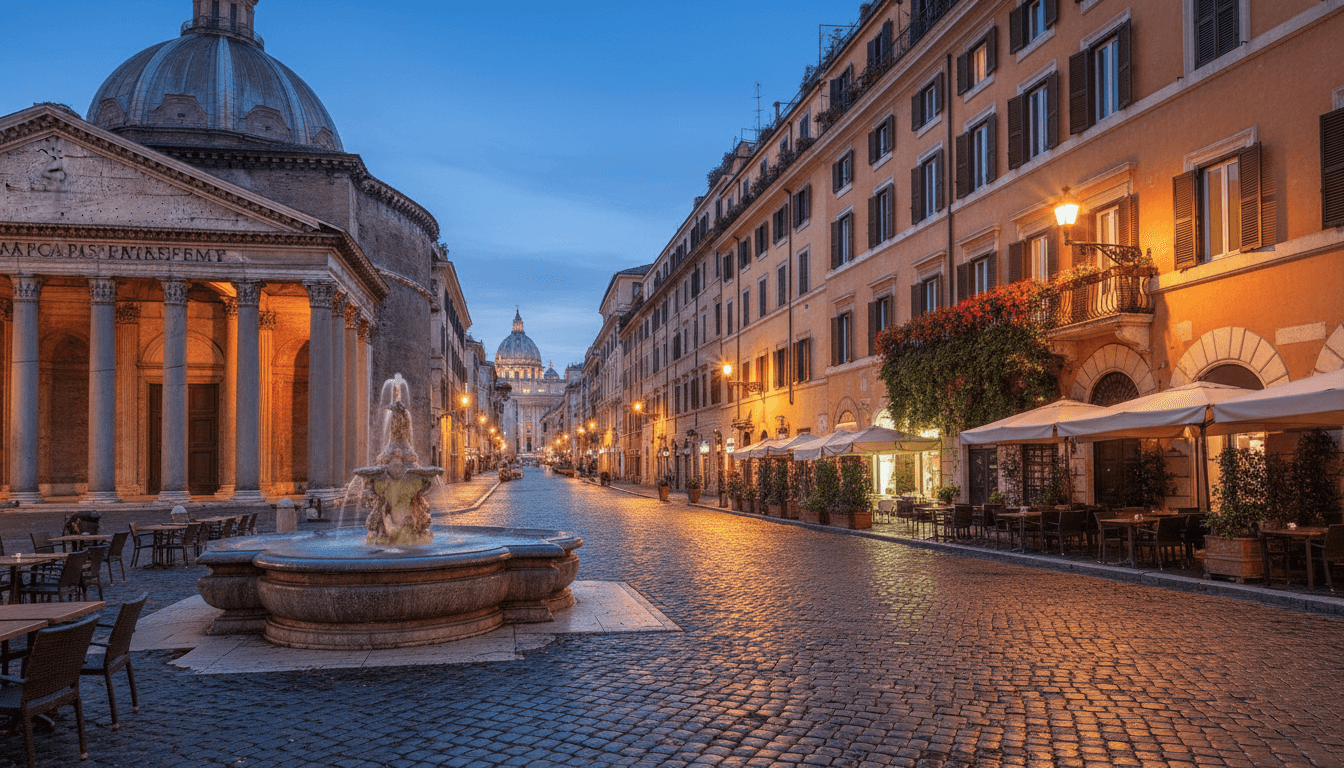
Home Swap in Rome: Where to Find the Best Properties for Your Italian Exchange
Discover where to find the best home swap properties in Rome—from Trastevere's cobblestone charm to Testaccio's local authenticity. Real neighborhoods, real advice.

Home Swap in Bangkok: Where to Find the Best Properties for Free Stays
Discover where to find the best home swap properties in Bangkok—from riverside condos in Charoen Krung to family homes in Ari. Real neighborhoods, real savings.

Home Swap for Beach Lovers: 12 Coastal Destinations Ranked for 2026
Discover the best coastal destinations for home swapping in 2026. From Portugal's Algarve to Australia's Gold Coast, find your perfect beach exchange.