
Chicago for Retirees: Your Complete Guide to Relaxed Home Exchange Experiences

SwappaHome Editorial Team
Home Exchange & Slow Travel Editorial
Discover why Chicago is perfect for retired home exchangers—from peaceful lakefront neighborhoods to world-class museums at senior discounts.
My friend Barbara called me last October, practically giddy. She'd just returned from three weeks in Chicago—her first home exchange since retiring—and couldn't stop talking about how she'd finally traveled the way she'd always wanted to. No rushing. No cramped hotel rooms. Just a spacious Lincoln Park apartment, morning walks along the lakefront, and afternoons lost in the Art Institute.
"Maya," she said, "I had a kitchen. I made my own coffee every morning and watched the boats on the harbor. Why didn't I do this years ago?"
Here's the thing about Chicago for retirees: it offers something genuinely hard to find. A world-class city that doesn't demand you run yourself ragged to enjoy it. Combine that with a relaxed home exchange experience? You've got the recipe for the kind of trip you'll be telling your grandkids about.
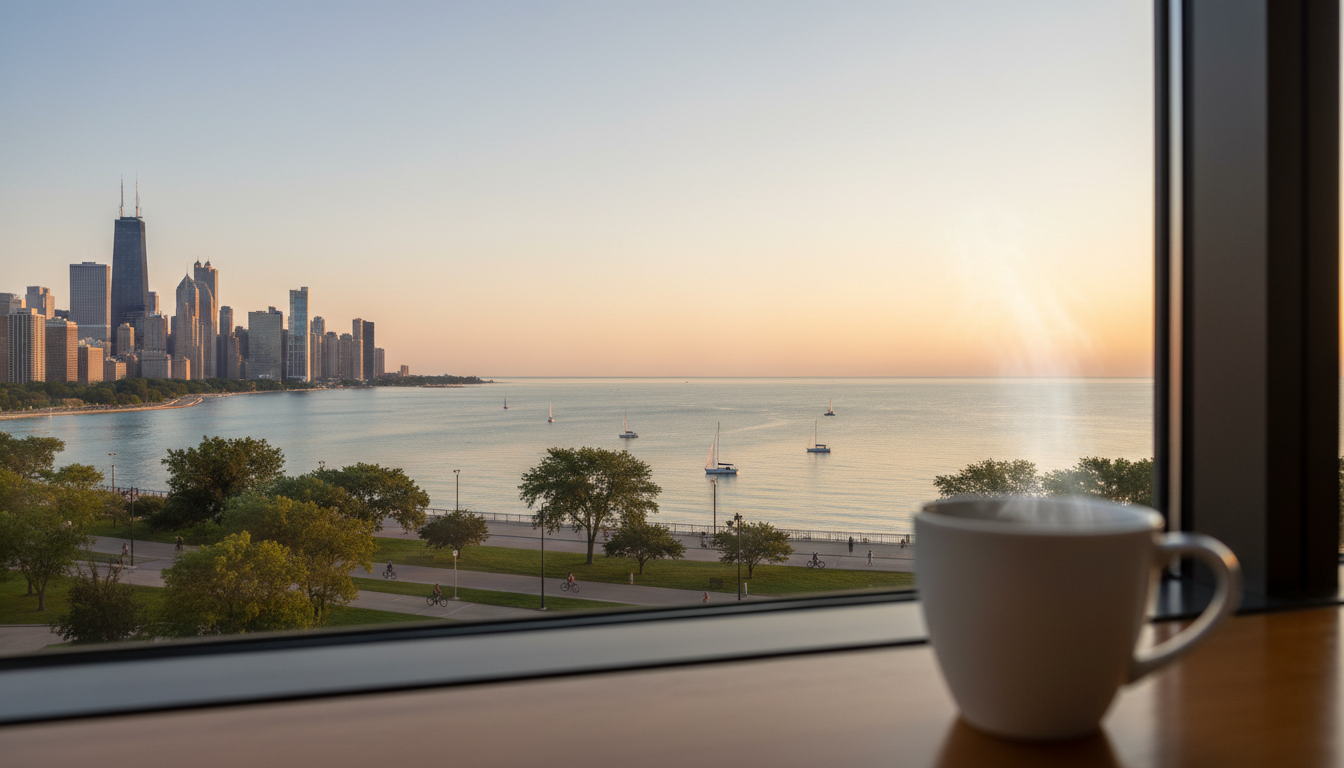 Early morning view of Chicagos lakefront from a high-rise apartment window, coffee cup on windowsill
Why Chicago Works So Well for Retired Home Exchangers
I've written about dozens of destinations over the years. I keep coming back to Chicago as one of my top recommendations for retirees exploring home exchange for the first time.
The pace, honestly, is everything. Unlike New York—where I always feel like I'm swimming upstream—Chicago has this Midwestern sensibility that lets you breathe. People actually wait for the walk signal. Servers don't rush you through dinner. There's an unspoken understanding that life doesn't need to be a sprint.
Then there are the neighborhoods. Chicago is really a collection of 77 distinct communities, each with its own personality. You're not stuck in some tourist corridor. Through home exchange, you can wake up in a quiet residential area with tree-lined streets, a local bakery on the corner, and neighbors who wave good morning.
And the practical bit? Chicago's public transit is genuinely excellent for people who'd rather not rent a car. The 'L' train system is comprehensive, buses run frequently, and most major attractions cluster in walkable areas. My knees aren't what they were at 25, and I still navigated Chicago comfortably during my last two swaps there.
The cost factor matters too. Hotels in downtown Chicago run $200-350 per night for anything decent. For a three-week stay like Barbara's? That's potentially $6,000+ just for accommodation. With SwappaHome's credit system, she spent zero dollars on lodging—just the credits she'd earned hosting guests at her Santa Fe casita.
Best Chicago Neighborhoods for Retiree Home Exchange Stays
Not all neighborhoods suit the relaxed pace most retirees are looking for. After my own swaps and countless conversations with retired members, these are the areas I'd point you toward.
Lincoln Park: The Gold Standard
Lincoln Park is where Barbara stayed, and I get why she fell in love. This neighborhood wraps around the park of the same name—1,200 acres of green space stretching along the lakefront. Morning walks here feel almost meditative. You've got the Lincoln Park Zoo (free admission, by the way), the conservatory, and miles of paved paths that are flat and well-maintained.
The housing stock tends toward vintage brick buildings and brownstones, many converted into spacious condos. Home exchange listings here often feature those coveted extras: in-unit laundry, parking spots, balconies with lake views. Expect two-bedroom apartments that would rent for $2,500-3,500/month.
Dining options range from the legendary Twin Anchors ribs ($25-35 per person) to quiet cafes perfect for lingering over breakfast. The Bourgeois Pig coffeehouse has become my personal writing spot whenever I'm in the area—mismatched furniture, excellent chai, and absolutely no one rushing you out.
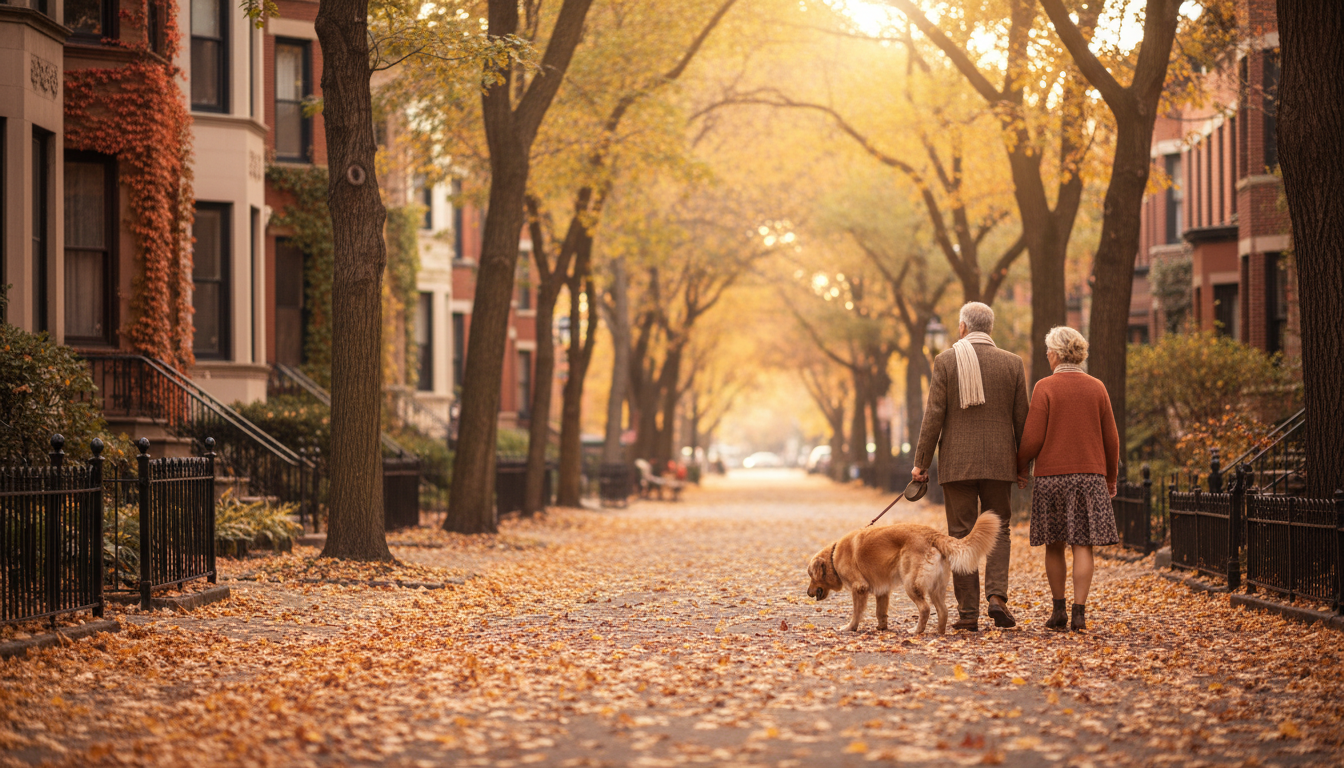 Tree-lined residential street in Lincoln Park during autumn, vintage brownstone buildings with bay w
Andersonville: Charm Without the Crowds
If Lincoln Park feels too polished, head north to Andersonville. This Swedish-heritage neighborhood has evolved into one of Chicago's most eclectic, welcoming communities. It's quieter than trendier areas, with independent bookshops, antique stores, and restaurants where the owners still greet regulars by name.
The Swedish American Museum ($4 seniors, free on the second Tuesday) tells the neighborhood's immigrant story. But honestly, I love Andersonville for the everyday pleasures. Ann Sather's cinnamon rolls. The Women & Children First bookstore. Simon's Tavern, which has been serving glogg and good conversation since 1934.
Home exchange properties here tend to be more modest—think cozy one-bedrooms in walk-up buildings—but the neighborhood's walkability compensates. Everything you need sits within a few blocks.
Hyde Park: For the Intellectually Curious
The University of Chicago campus anchors Hyde Park, giving the neighborhood an academic energy that appeals to many retirees. The Museum of Science and Industry lives here—and I'll tell you right now, plan to spend an entire day. Senior admission runs $19.95, but the annual pass ($75) pays for itself if you're staying more than a week.
Obama's Chicago home is in Hyde Park (you can walk past it, though Secret Service keeps things secure). The neighborhood has excellent independent restaurants, including Valois Cafeteria—a cash-only institution serving comfort food since 1921. Full breakfast runs about $8.
Housing here offers good value compared to North Side neighborhoods. You'll find stately apartments in vintage buildings, many with architectural details that have survived decades of "modernization" elsewhere.
Ravenswood: The Quiet Achiever
Ravenswood doesn't make most tourist lists. That's precisely the point. This residential neighborhood in the North Center area offers authentic Chicago living without any pretense. Craftsman bungalows and two-flats line the streets. The Ravenswood Metra station provides easy access to downtown.
The neighborhood's corridor of craft breweries has earned it the nickname "Malt Row"—Begyle, Dovetail, and Half Acre all offer taprooms with afternoon hours perfect for a post-museum pint. For non-drinkers, the Gene Siskel Film Center downtown (accessible via the Brown Line) runs classic and international films with senior tickets at $9.
Planning Your Chicago Home Exchange: A Relaxed Timeline
One mistake I see first-time home exchangers make? Trying to plan everything like a traditional vacation. The whole point of staying in someone's home is that you can slow down, settle in, and live like a local.
That said, some structure helps.
Before You Arrive
Start browsing SwappaHome listings about 3-4 months ahead, especially if you're targeting summer or early fall (Chicago's prime seasons). When you find promising options, read the full descriptions carefully. Look for mentions of elevator access or ground-floor units if mobility is a consideration, proximity to public transit, the laundry situation, parking availability if you're driving, and any stairs involved in accessing the unit.
Reach out to potential hosts with specific questions. I always ask about the neighborhood's walkability, nearby grocery stores, and their honest assessment of noise levels. Good hosts appreciate thoughtful questions—it shows you'll be a respectful guest.
 Cozy Chicago apartment living room with exposed brick wall, comfortable reading chair by window over
Week One: Settle In and Explore Your Neighborhood
Resist the urge to hit every major attraction immediately. Your first few days should be about getting comfortable—figuring out the coffee situation, locating the nearest pharmacy, learning which grocery store has the best produce.
Take walks without a destination. Chicago reveals itself in the small moments: the corner bar with the hand-painted sign, the community garden tucked between buildings, the old-timer who's been running the same shoe repair shop for forty years.
Visit one major attraction this week—I'd suggest the Art Institute ($20 seniors, free for Illinois residents on certain days). But don't marathon it. The Impressionist galleries alone deserve a full morning. Have lunch at Terzo Piano, the museum's restaurant, and call it a fulfilling day.
Week Two: Dig Deeper
Now you've got your bearings. This is when Chicago opens up.
Take an architecture boat tour along the Chicago River ($47-65 depending on the company—Chicago's First Lady and Wendella are both excellent). The 90-minute cruise covers the city's architectural history without requiring you to walk miles. Go mid-morning on a weekday to avoid crowds.
Spend a day in a neighborhood you haven't explored. If you're staying in Lincoln Park, take the Red Line north to Argyle Street and wander through Chicago's Vietnamese community. Pho for lunch at Tank Noodle runs about $12 and will fuel an afternoon of browsing the Asian grocers and bakeries.
The Chicago History Museum ($17 seniors) is underrated and rarely crowded. Their Chicago: Crossroads of America exhibit contextualizes everything you're seeing in the city.
Week Three: Live Like You Belong
By now, you should have a routine. Maybe it's morning coffee at the same café, where the barista knows your order. An afternoon reading spot in the park. A favorite bench for people-watching.
This is the magic of home exchange that hotels can never replicate. You're not a tourist anymore—you're a temporary Chicagoan.
Use this week for the things that interest you specifically. Jazz fan? Green Mill Cocktail Lounge in Uptown has been hosting acts since the Prohibition era (no cover for the early shows). Gardener? The Garfield Park Conservatory is free and spectacular. History buff? The Pullman National Monument tells a fascinating labor history story most visitors miss entirely.
 Retired couple sitting at outdoor cafe table in Andersonville, laughing over coffee and pastries, co
What Chicago Home Exchange Hosts Typically Expect
I've been on both sides of the home exchange equation, and communication remains the key to everything. Before your stay, clarify these points with your host.
Arrival and departure logistics. Some hosts prefer key lockboxes; others arrange in-person handoffs. Neither is better—just know what to expect.
House rules. Are there plants that need watering? A cat that visits from next door? Quirks with the thermostat or hot water? Good hosts leave detailed notes, but asking ahead prevents surprises.
Communication during the stay. I check in with my hosts once, midway through, just to confirm everything's going well. A quick message saying "loving the apartment, the coffee maker is amazing" goes a long way.
Cleaning expectations. Most home exchangers expect you to leave the place as you found it—dishes done, trash taken out, linens in the hamper. Some hosts arrange professional cleaning; others don't. Know the expectation upfront.
The SwappaHome review system creates accountability on both sides. Hosts want good reviews, so they're motivated to provide accurate listings and helpful information. You want good reviews, so you're motivated to be a respectful guest. It's a virtuous cycle that makes the whole community work.
Chicago's Senior Discounts and Free Attractions
One of the genuine pleasures of traveling in retirement? Finally qualifying for all those senior discounts you've been eyeing for years. Chicago delivers on this front.
The Art Institute of Chicago offers $20 senior admission (65+), compared to $35 general. The Museum of Science and Industry charges $19.95 for seniors versus $26.95 general. The Field Museum runs $22 seniors, $28 general. These savings add up across a three-week stay.
But here's what I really want you to know: some of Chicago's best experiences cost nothing.
The Chicago Cultural Center is free, always. The building itself—Tiffany glass domes, marble staircases—is worth the visit. They host free concerts, exhibitions, and events throughout the week. Millennium Park is free. Cloud Gate (the Bean), the Lurie Garden, the Pritzker Pavilion—all free. Summer brings free concerts and movies. Even in winter, the ice skating rink charges just $15 for skate rental. The Lincoln Park Zoo is free, 365 days a year. It's one of the last free zoos in the country, and it's genuinely good—not some sad collection of tired animals, but a well-maintained facility with conservation programs and naturalistic habitats.
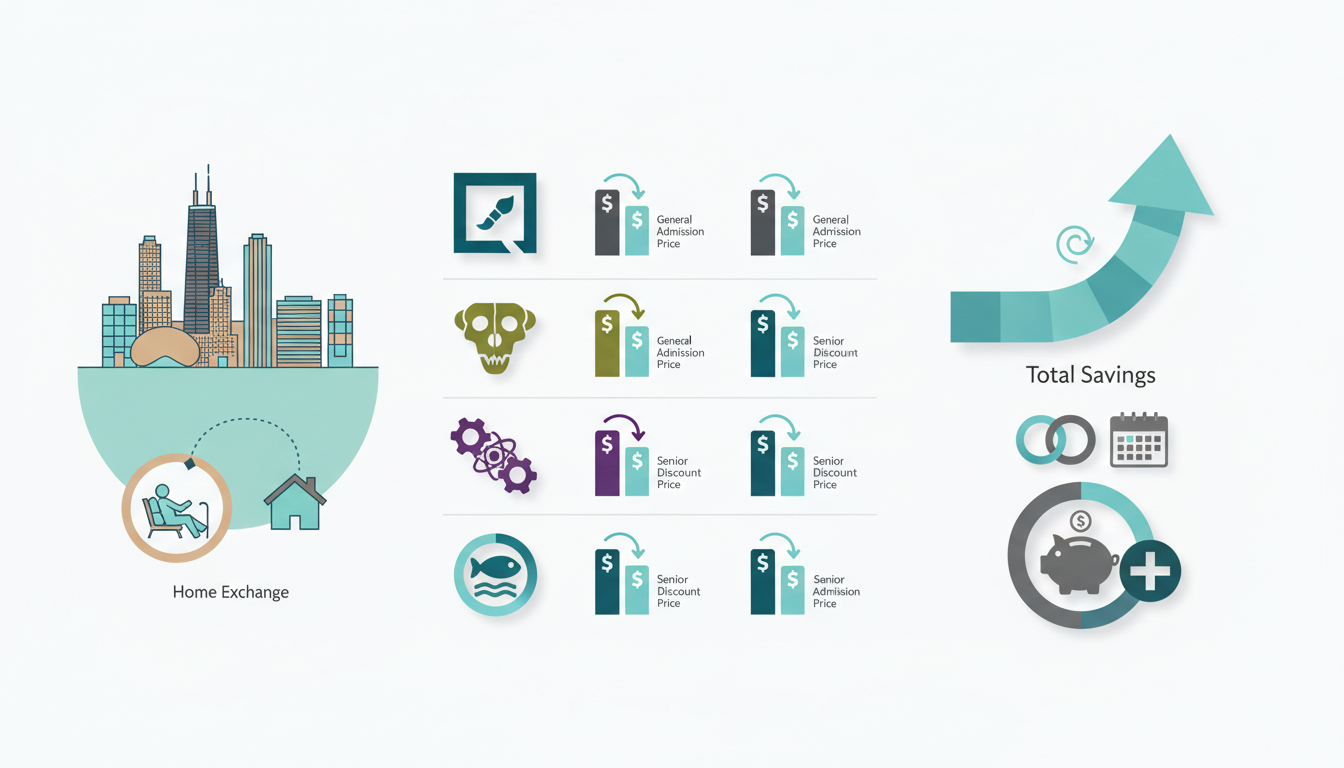 Infographic showing Chicago senior discounts at major attractions - Art Institute, Field Museum, Mus
Seasonal Considerations for Your Chicago Home Exchange
Chicago's weather shapes the experience dramatically. Choose your timing based on your priorities and tolerance for temperature extremes.
May through June is my favorite window. Temperatures hover in the 60s-70s, flowers bloom everywhere, and the summer crowds haven't arrived. Restaurant patios open up. The lakefront comes alive without being overwhelmed.
September through October is equally lovely. Warm days, cool nights, fall colors in the parks. This is when Chicago feels most livable—locals are relaxed after summer, tourists have thinned out, and there's a palpable energy of a city settling into its rhythm.
July and August run hot and humid, often pushing into the 90s. If you're from Phoenix, you'll be fine. If you're from Portland, you might struggle. That said, Lake Michigan provides natural air conditioning, and every museum offers climate-controlled refuge.
Winter (December through March) is—I won't sugarcoat it—brutal. The "Hawk" (local slang for the biting wind off the lake) is real. But if you're from Minnesota or Wisconsin, you know what you're getting into. Winter brings lower demand for home exchanges, meaning more options at better properties. The holiday markets are magical. And there's something deeply satisfying about warming up in a cozy apartment after braving the cold.
Getting Around: Transit Tips for Retired Travelers
Chicago's public transit system, the CTA, runs both the 'L' trains and buses. For retirees, it's generally excellent—but some routes and stations are more accessible than others.
The Ventra card ($5 for the card, then load value) works across all CTA services. Single rides cost $2.50 by card. If you're staying three weeks, consider the 30-day unlimited pass ($105)—it pays for itself if you're taking more than 42 rides.
Not all 'L' stations have elevators. The CTA website lists accessible stations, but I'd recommend planning your routes in advance if stairs are a concern. The Brown Line and portions of the Red Line tend to have better accessibility than older sections of the Blue and Green lines.
Ride-sharing (Uber and Lyft) fills gaps when transit doesn't make sense. A ride from Lincoln Park to the Museum Campus runs about $15-20. From Hyde Park to the Loop, expect $12-18.
For the airport connection: the Blue Line runs directly from O'Hare to downtown ($5). It's easy, but the train can be crowded and doesn't have dedicated luggage space. If you're traveling with multiple bags or have mobility concerns, a taxi ($40-50) or ride-share ($35-45) might be worth the premium.
Building Your Home Exchange Profile for Success
I'll be honest—retirees often have an advantage in home exchange. You typically have flexible schedules, well-maintained homes, and the life experience to be excellent communicators. Leverage this.
Your SwappaHome profile should highlight what makes your home appealing for a reciprocal stay. Location matters, obviously, but so do the details: Is your neighborhood walkable? Are there good restaurants nearby? What's the public transit situation?
Photos make or break listings. Natural light, wide angles, and shots that show how the space actually functions (not just the pretty corners). Include your outdoor space if you have one. Show the kitchen—travelers care about kitchens.
Mention your flexibility. "We can accommodate various dates" or "Happy to adjust our travel timing to match your needs" signals that you're easy to work with.
And here's something many people miss: write about your neighborhood like a local would. Not the tourist highlights, but the real stuff. The bakery with the best scones. The park where locals walk their dogs. The restaurant where you go for your birthday dinner. This kind of detail builds trust and makes potential exchangers feel like they're getting insider access.
A Final Thought on Traveling Slowly
Barbara told me something during that phone call that stuck with me. She said, "For forty years, I took one-week vacations where I tried to see everything. I was always exhausted when I got home. This was the first trip where I came back actually rested."
That's the promise of combining home exchange with retirement travel. You're not racing against a countdown clock. You're not trying to justify the cost of an expensive hotel room by cramming in activities. You're just... living somewhere else for a while. Making coffee in a different kitchen. Finding a new favorite bench. Discovering what it feels like to belong, even temporarily, to a place.
Chicago rewards this approach more than almost any city I know. It's not trying to impress you with flash. It's just quietly, confidently itself—a city of neighborhoods and seasons and people who'll chat with you at the bus stop.
If you're considering your first home exchange as a retiree, or your fiftieth, put Chicago on your list. And when you're sitting on a Lincoln Park bench some October morning, watching the leaves fall and the joggers pass, you'll understand exactly what Barbara was talking about.
Frequently Asked Questions
Is Chicago safe for retired travelers doing home exchange?
Chicago is generally safe for visitors, especially in the neighborhoods popular for home exchange like Lincoln Park, Andersonville, and Hyde Park. Like any major city, use common sense—stay aware of your surroundings and stick to well-lit areas at night. The tourist-friendly areas and residential neighborhoods where most home exchanges occur see very little crime affecting visitors.
How much money can retirees save with home exchange in Chicago?
A three-week stay in a decent Chicago hotel averages $4,200-7,350 at $200-350 per night. With SwappaHome's credit system, your accommodation cost is zero dollars—just the credits you've earned hosting. Add in kitchen savings (cooking some meals instead of eating out saves $30-50 daily), and a three-week Chicago home exchange can save $5,000-8,000 compared to traditional travel.
What's the best time of year for a Chicago home exchange?
May through June and September through October offer the most pleasant weather for retired travelers—mild temperatures in the 60s-70s, manageable crowds, and beautiful conditions for walking. Summer (July-August) is hot and humid but offers the most events. Winter brings cold but also lower demand, meaning more home exchange options.
Do I need a car for a Chicago home exchange stay?
No—Chicago's public transit system makes car-free travel practical for most retirees. The 'L' train and bus network covers major attractions and neighborhoods. Ride-sharing fills gaps affordably. Unless you're planning extensive suburban exploration, skip the car and save on parking hassles and costs ($30-50 daily in many areas).
How far in advance should I plan a Chicago home exchange?
Start browsing SwappaHome listings 3-4 months before your preferred dates, especially for summer and fall travel. This gives you time to communicate with potential hosts, ask questions about accessibility and neighborhood details, and secure the best properties. Winter travel offers more last-minute flexibility due to lower demand.

Published by
SwappaHome
SwappaHome Editorial Team
Home Exchange & Slow Travel Editorial
The SwappaHome Editorial Team brings together travel research, home-exchange community insights, and platform data to produce practical guides for first-time and experienced home swappers. Every article cites real platforms, current market rates, and verifiable city-level facts so readers can make informed decisions without guessing.
Ready to try home swapping?
Join SwappaHome and start traveling by exchanging homes. Get 7 free credits when you sign up!
Related articles

Bachelor and Bachelorette Parties in Singapore: The Complete Home Swap Group Guide for 2026
Planning a bachelor or bachelorette party in Singapore? Discover how home swapping lets groups of 6-12 stay together in luxury condos, saving thousands while partying in Marina Bay.

Cycling in Lisbon: 7 Home Swap Bike Tour Itineraries for Every Rider
Discover the best cycling routes in Lisbon with these home swap bike tour itineraries—from waterfront paths to hilltop adventures, all starting from your borrowed home.

Graduation Trip to Barcelona: How Home Swapping Gives New Graduates the Ultimate Celebration
Planning a graduation trip to Barcelona? Discover how home swapping lets new graduates explore Spain's most vibrant city without the hostel crowds or hotel costs.