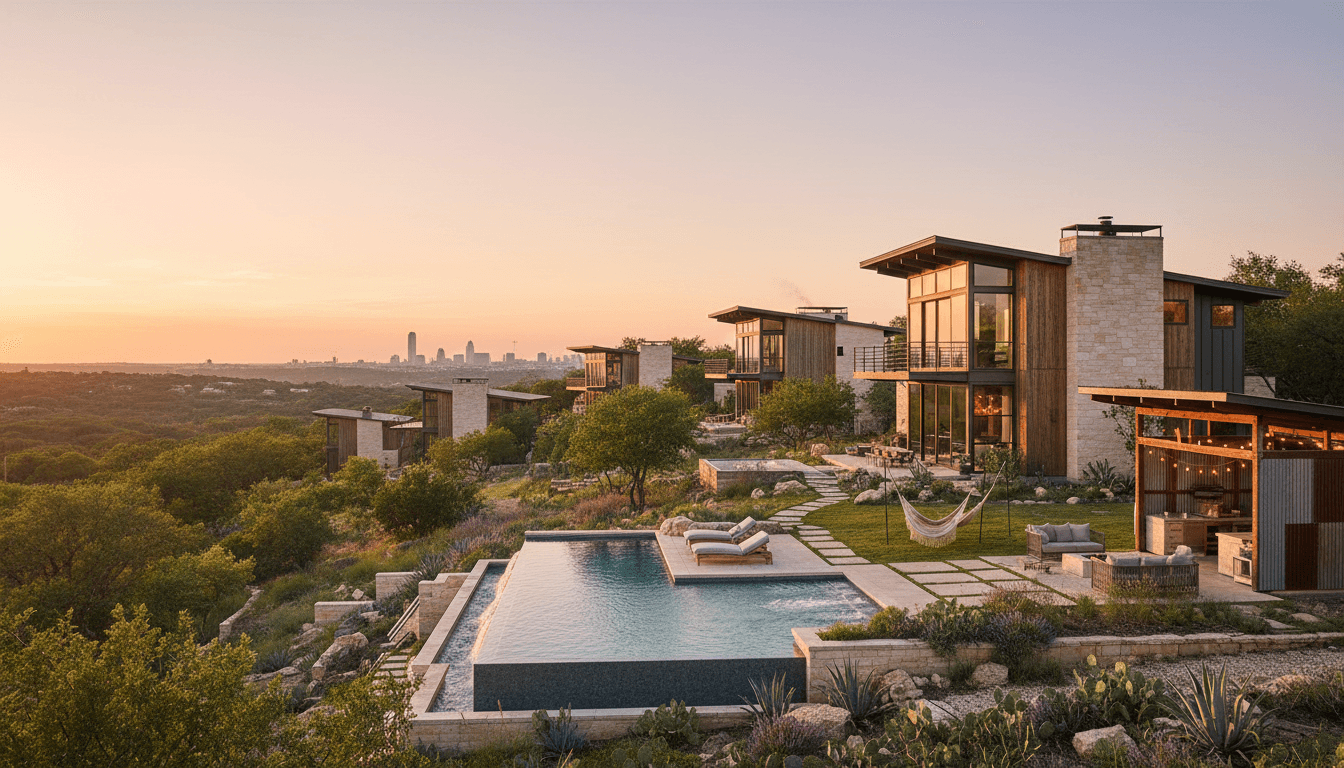
Winter in Austin Home Exchange: Your Cozy Guide to Texas's Warmest Cold Season

SwappaHome Editorial Team
Home Exchange & Slow Travel Editorial
Discover why winter in Austin is perfect for home exchange—mild weather, fewer crowds, and cozy neighborhoods waiting to be explored.
I wasn't expecting to fall for Austin in January. I'd always pictured it as a summer city—live music spilling onto hot sidewalks, people floating the river with beers in hand. But when my friend's wedding landed me there last February, staying in a converted garage apartment in East Austin through SwappaHome, I discovered something the summer crowds never see.
Winter in Austin home exchange opportunities might be the city's best-kept secret. The temperatures hover around 50-65°F most days, the tourist crowds thin out dramatically, and suddenly you can actually get a table at Franklin Barbecue without a four-hour wait. I spent that week drinking coffee on the patio every morning in just a sweater, watching hummingbirds visit the feeder my host had set up. It felt less like travel and more like borrowing someone's life for a while.
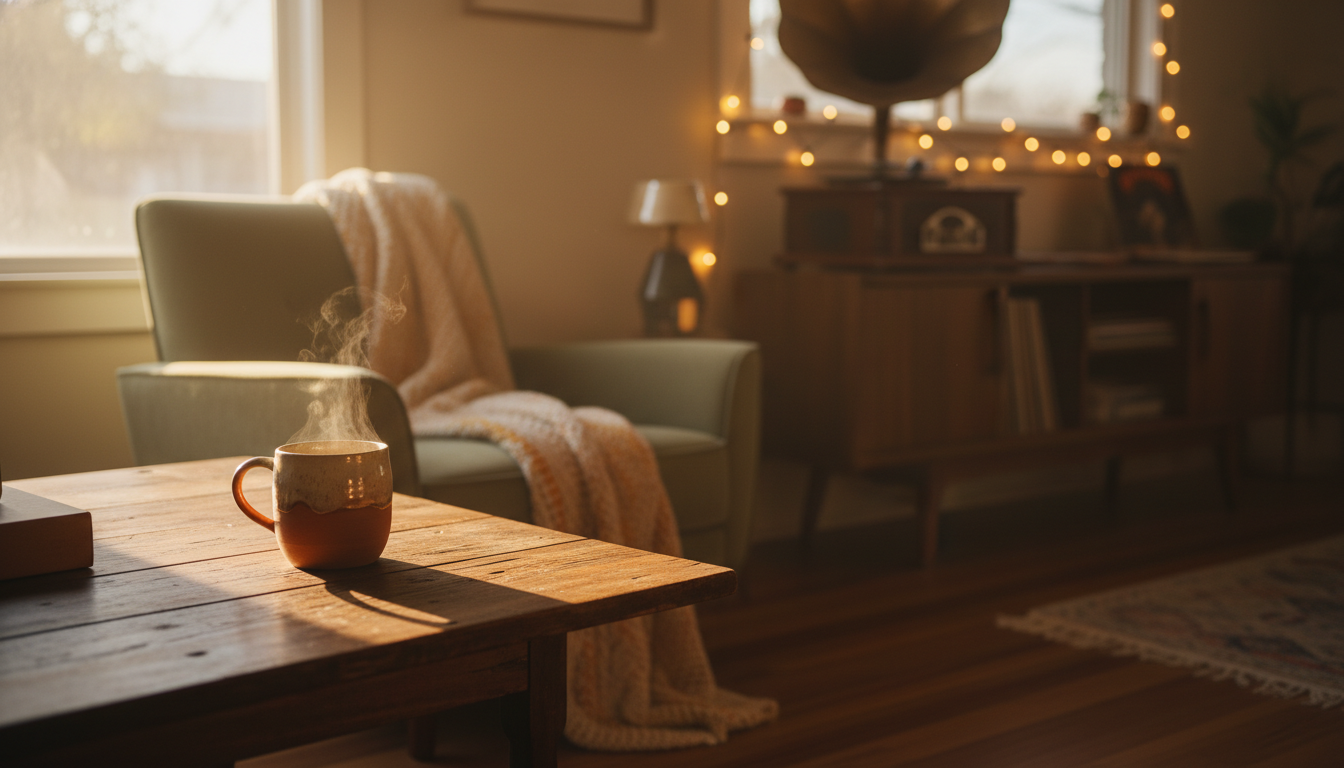 Morning light streaming through a cozy East Austin bungalow window, coffee mug on a worn wooden tabl
Why Winter Home Exchange in Austin Makes Perfect Sense
Here's what most people don't realize: Austin's winter is basically San Francisco's spring. You'll see locals in shorts on a 55°F day while you're reaching for a light jacket. The city doesn't hibernate—it just exhales.
The home exchange angle makes even more sense during these months. Austin homeowners often travel for the holidays or escape to ski destinations, leaving behind homes that would otherwise sit empty. Meanwhile, you get to experience the city like a resident rather than a tourist, with a full kitchen for making breakfast tacos at home and a real neighborhood to explore.
During my February stay, the couple whose garage apartment I borrowed had gone to Colorado for two weeks. Their place came with a record collection I'm still jealous of, an espresso machine that changed my morning routine, and a neighbor who waved at me every day like I belonged there. That's the winter home exchange in Austin experience—you slip into someone's actual life.
The financial math works out beautifully too. Hotels in downtown Austin run $180-350 per night even in the off-season. Airbnbs in desirable neighborhoods like South Congress or East Austin average $150-250 nightly. With SwappaHome's credit system—where one credit equals one night, regardless of location or home size—you're essentially staying for free after hosting guests at your own place. Over a two-week winter trip, that's potentially $2,100-4,900 in savings.
Best Austin Neighborhoods for Winter Home Exchange
Not all Austin neighborhoods feel the same in winter. Some come alive in unexpected ways when the temperatures drop.
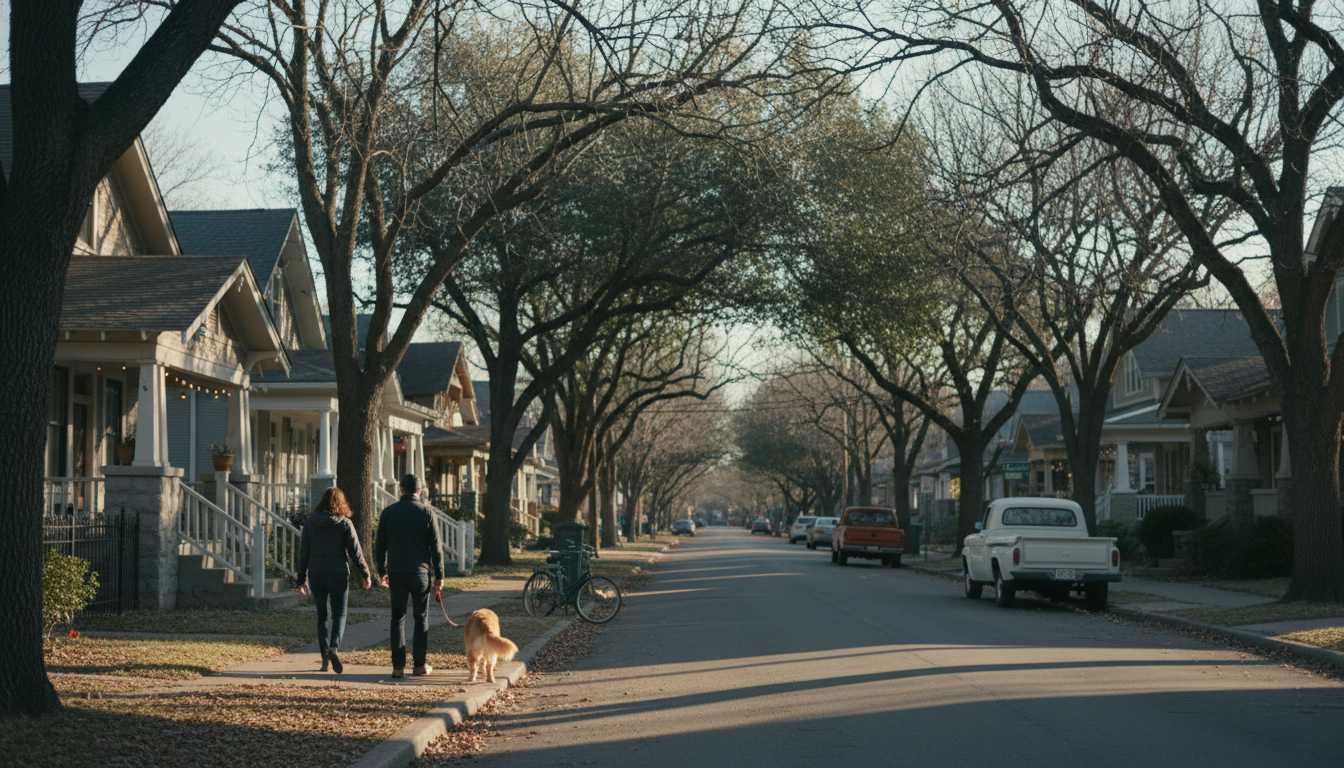 Tree-lined street in Travis Heights with craftsman bungalows, winter sun casting long shadows, a cou
East Austin: The Creative Heart
East Austin is where I always recommend first-time winter visitors look for home exchanges. The area east of I-35, particularly around East 6th Street and East 11th Street, has transformed over the past decade into Austin's creative epicenter. Converted warehouses. Colorful bungalows. Those garage apartments that seem to multiply every year.
In winter, East Austin's coffee shops become living rooms. I spent hours at Flat Track Coffee (1619 E Cesar Chavez St) watching rain streak down the windows, and nobody rushed me out. The taco trucks still operate year-round—Veracruz All Natural and Valentina's Tex Mex BBQ don't care what month it is. And the street art covering seemingly every available wall? It looks even more striking against gray January skies.
Home exchange listings in East Austin typically feature mid-century modern renovations or quirky artist spaces. These homes tend to be smaller—perfect for solo travelers or couples who don't need much space to spread out.
South Congress (SoCo): Walkable Winter Charm
South Congress Avenue is Austin's postcard street, but winter transforms it from a crowded tourist corridor into something more manageable. The vintage shops, boot stores, and restaurants remain open, but you can actually browse without bumping elbows.
The residential streets just off South Congress—particularly in the 78704 zip code—hide some of Austin's most charming homes. Think 1940s bungalows with original hardwood floors, established gardens that still have winter color, and front porches designed for mild weather lounging. I toured a home exchange listing here once that had a clawfoot tub and a backyard chicken coop. The eggs were included in the stay.
Winter mornings on SoCo mean walking to Jo's Coffee for a turbo (their signature iced coffee—yes, iced, even in January), then wandering into Uncommon Objects before the crowds arrive. By noon, you've done more than most tourists accomplish all day.
Travis Heights: The Quiet Sophistication
Just east of South Congress, Travis Heights offers a slightly more residential, slightly more upscale experience. The homes here tend to be larger—think three bedrooms, actual yards, maybe a pool that's too cold to use but looks pretty anyway.
This neighborhood suits families doing winter home exchanges or anyone who wants to feel like they've truly moved to Austin for a while. The streets wind and climb small hills (Austin's version of hills, anyway), and the mature trees create a canopy that's beautiful even without leaves.
I'd recommend Travis Heights for longer stays—two weeks or more—where you want to establish routines. There's a small grocery store, coffee shops within walking distance, and the kind of neighbors who might invite you to their Super Bowl party if you're friendly enough.
Clarksville: Historic and Central
Clarksville, just west of downtown, is Austin's oldest freedmen's community and now one of its most desirable neighborhoods. The homes here are historic, the streets are quiet, and you can walk to nearly everything.
Winter home exchange options in Clarksville tend to be smaller cottages or apartments in converted historic homes. The neighborhood's crown jewel is Josephine House (1601 Waterston Ave), a restaurant that feels like eating in someone's elegant home—perfect for a chilly evening when you want to dress up slightly.
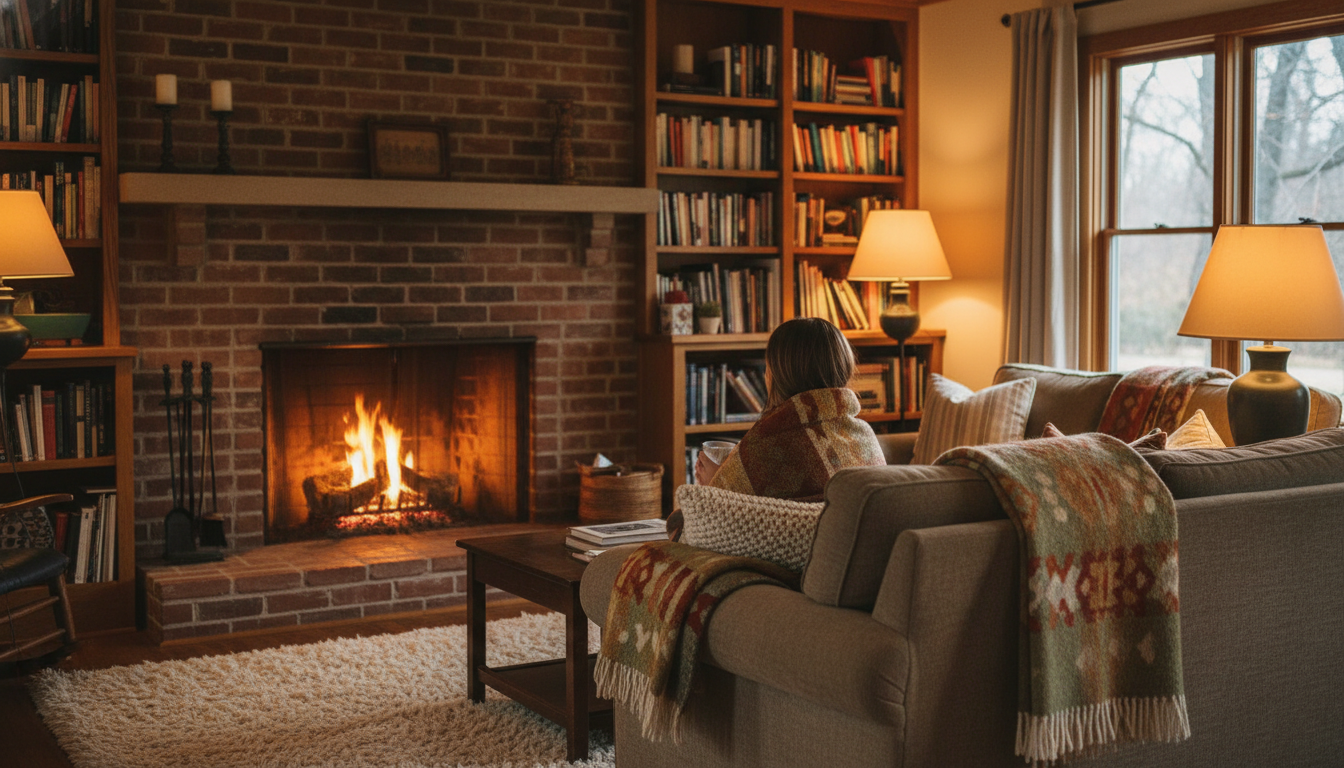 Cozy interior of a Clarksville cottage with exposed brick, a fireplace with a small fire burning, bo
What to Actually Do in Austin During Winter
Austin's outdoor culture doesn't stop for winter—it just adapts. Honestly, some activities are better when you're not sweating through your shirt.
The Food Scene Without the Wait
Let's talk about barbecue. Franklin Barbecue (900 E 11th St) is legendary, and in summer, you're looking at a 3-4 hour wait. In January? I've heard of people getting in line at 9 AM and eating by 11. That's practically VIP access.
But Franklin isn't the only game in town. La Barbecue (2401 S 1st St) serves brisket that rivals Franklin without the hype. Interstellar BBQ (12233 Ranch Rd 620 N) is worth the drive to the suburbs. Terry Black's (1003 Barton Springs Rd) offers a more accessible experience for those who can't commit to a morning in line.
The taco scene operates year-round with zero seasonal slowdown. My winter morning ritual became breakfast tacos from Tamale House East (1707 E 6th St)—their migas taco with extra salsa verde, eaten at a picnic table in the morning sun, wearing a light jacket. Perfect.
For dinner, winter is reservation season. Restaurants like Uchi (801 S Lamar Blvd) and Emmer & Rye (51 Rainey St) that normally book up weeks in advance suddenly have openings. I scored a bar seat at Uchi on a Wednesday night in February with just two days' notice. In summer? Forget it.
Live Music Without the Sweat
Austin's live music scene doesn't hibernate. The Continental Club (1315 S Congress Ave) has shows every night of the week, and winter means you can actually enjoy them without the venue feeling like a sauna. The Saxon Pub (1320 S Lamar Blvd) books singer-songwriters who'll make you forget what month it is. Antone's (305 E 5th St), Austin's legendary blues club, keeps the music hot even when the weather isn't.
The real winter advantage? Outdoor venues like Stubb's (801 Red River St) and Moody Amphitheater shift to indoor shows or take a break, pushing the city's best musicians into smaller, more intimate venues. I saw a show at the White Horse (500 Comal St) in January—a honky-tonk dance hall in East Austin—and the crowd was small enough that the band took requests.
Outdoor Adventures in Mild Weather
Here's where winter in Austin genuinely shines.
The Barton Creek Greenbelt, which becomes an overcrowded mess in summer, transforms into a peaceful hiking destination. The trails along Barton Springs (2201 Barton Springs Rd) offer easy walks with creek views, and you might actually find parking at the trailhead.
Mount Bonnell (3800 Mount Bonnell Rd) is Austin's most popular viewpoint, and winter sunsets from the top are spectacular. The 99 steps to the summit feel less punishing when you're not doing them in 100°F heat.
Lady Bird Lake's hike-and-bike trail stays active year-round. Rent a kayak from Rowing Dock (2418 Stratford Dr) on a mild afternoon—the water's too cold for swimming, but paddling in a sweater with the downtown skyline ahead is pretty perfect.
And yes, Barton Springs Pool (2131 William Barton Dr) stays open in winter. The spring-fed water maintains a constant 68-70°F year-round, which means it actually feels warmer in winter than summer. Locals swim here in January wearing nothing but swimsuits while tourists watch in disbelief. Join them.
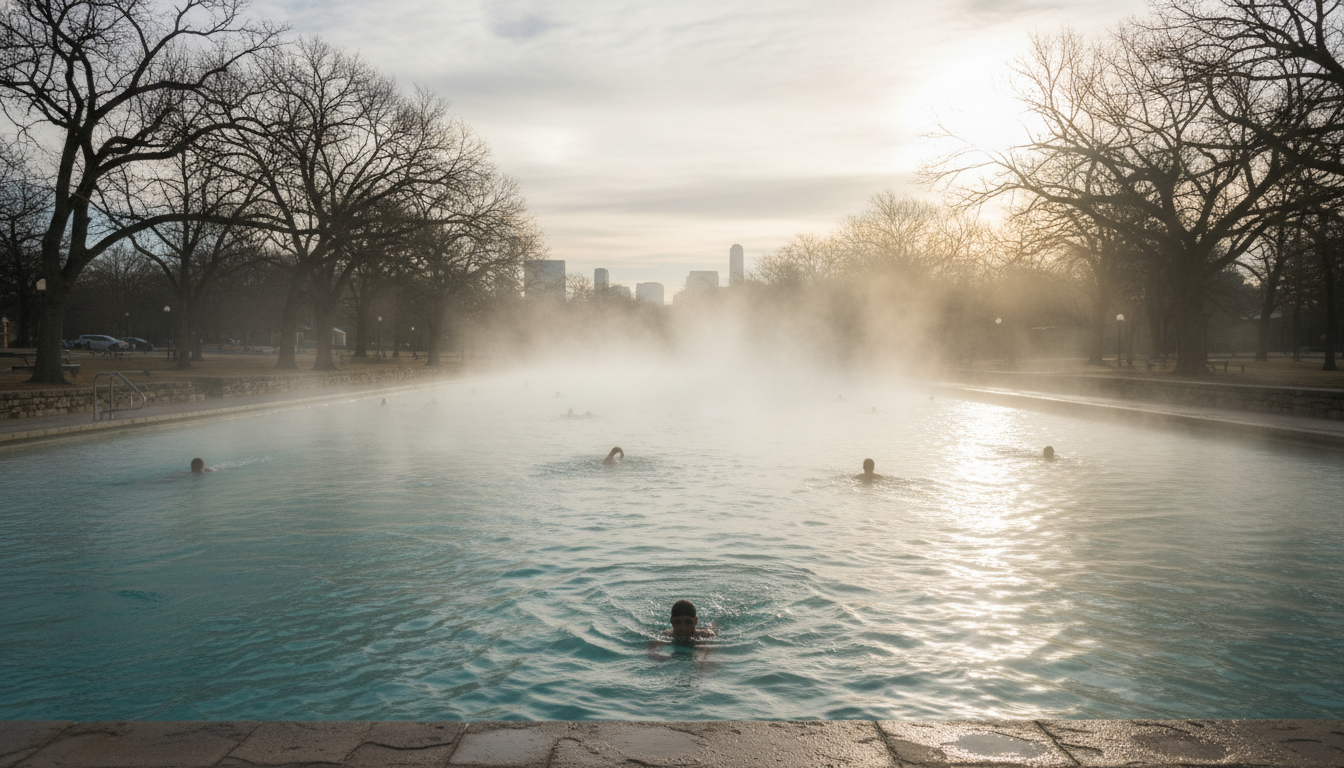 Early morning mist rising from Barton Springs Pool, a few hardy swimmers doing laps, the surrounding
Preparing Your Home Exchange Listing for Austin Hosts
If you want to attract Austin homeowners for a winter exchange, your listing needs to speak their language.
Austin residents traveling in winter are often heading somewhere colder—ski trips to Colorado, holiday visits to family in the Midwest or Northeast, maybe a European Christmas market tour. They're looking for homes that offer something different from Austin's mild winter.
Highlight any cold-weather amenities you have: a real fireplace, a hot tub, proximity to skiing, or even just the novelty of actual snow. If you're in a northern city, lean into the winter wonderland angle. Austin homeowners who've never experienced a white Christmas might find your snowy neighborhood irresistible.
Be specific about your home's heating situation. Central heat? Radiators? A wood-burning stove? Austin homes often rely on minimal heating systems because they rarely need them, so your cozy, well-insulated home is a selling point.
And mention your kitchen. Seriously. Texans love to cook, and Austin's food culture means your potential exchange partners probably spend real time in their kitchens. If you have good knives, a cast-iron skillet, or a stand mixer, say so.
What to Expect from Austin Home Exchange Hosts
Austin hospitality is a real thing, and it extends to home exchange culture. The hosts I've encountered through SwappaHome have been almost aggressively welcoming—in the best way.
Expect detailed guides. My East Austin host left me a three-page document covering everything from the best breakfast taco spots within walking distance to which neighbor's dog might bark at me (and that it was friendly). Another host included a hand-drawn map of the neighborhood with her personal annotations.
Many Austin homes come with extras that reflect local culture. Don't be surprised to find a record collection, a guitar in the corner, or a shelf of local cookbooks. One home I stayed in had a fully stocked bar with instructions for making the perfect margarita—including which limes to buy and where.
The community aspect of SwappaHome matters here. Austin's home exchange community tends to be active and engaged, leaving detailed reviews that help build trust. Before booking, read through a host's previous reviews to get a sense of their communication style and what their home is really like.
A note on logistics: Austin is a car city. Some neighborhoods (East Austin, South Congress, Clarksville) are walkable for daily life, but you'll likely want a vehicle for exploring. Ask your exchange host about parking situations—some homes have driveways, others require street parking permits.
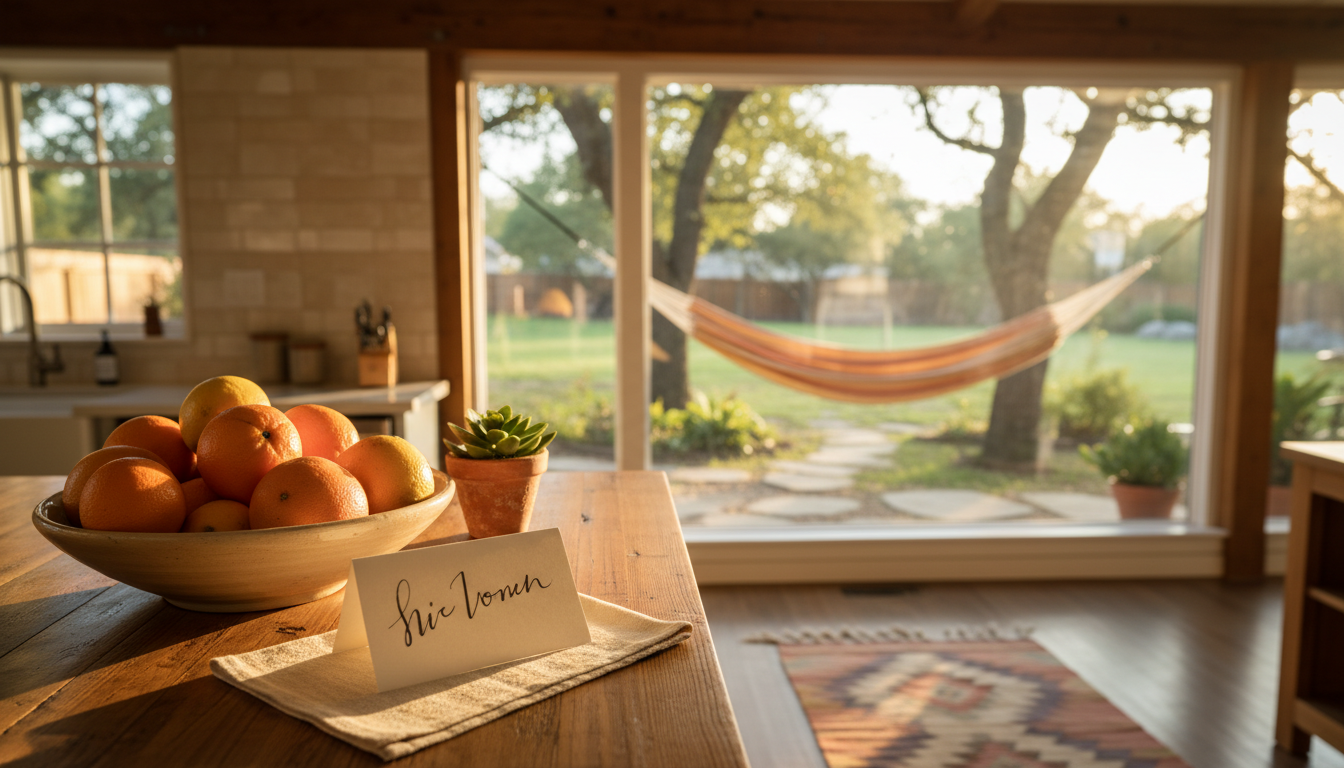 A welcoming Austin home exchange interior showing a handwritten welcome note on a kitchen counter, a
Winter Events Worth Planning Around
Austin's winter calendar has some anchor events that might shape your travel dates.
The Austin Trail of Lights (December) transforms Zilker Park into a massive holiday light display. It's one of the few times Austin feels genuinely wintery, even if you're walking through in a light jacket. The event runs most of December, and weeknight visits are significantly less crowded than weekends.
New Year's Eve in Austin is surprisingly low-key compared to other cities. The celebration centers on downtown's Auditorium Shores, but many locals prefer house parties or smaller venue shows. If you're doing a home exchange over New Year's, ask your host for their recommendations—they'll know the spots that aren't overrun.
January brings the Austin Jewish Film Festival and various smaller music festivals that fly under the radar. February means Valentine's Day crowds at restaurants (book ahead) and the beginning of wildflower scouting season—bluebonnets start appearing in late February in good years.
Rodeo Austin (late February through March) transforms the city's eastern edge into a genuine Texas rodeo experience. Even if you're not a rodeo person, the food vendors and livestock shows are worth a visit.
Practical Winter Packing for Austin
Packing for Austin winter confuses people. Here's the reality: you need layers, but not heavy ones.
Bring a good jacket—something that blocks wind and handles light rain. You probably won't need anything heavier than what you'd wear in San Francisco or Portland. A couple of sweaters, some long pants, and comfortable walking shoes cover most situations.
The exception is cold fronts. Texas "blue northers" can drop temperatures 30 degrees in a few hours. One day you're in short sleeves, the next you're wishing you'd packed a real coat. Check the forecast before you go, and if a cold front is predicted, throw in one warm layer you wouldn't normally bring.
Sunglasses are essential year-round. Austin's winter sun sits low in the sky and somehow feels more intense than summer. And bring sunscreen—you can absolutely get a sunburn on a 55°F January day.
Making the Most of Your Winter Austin Home Exchange
The real advantage of a winter home exchange in Austin isn't just the savings or the mild weather—it's the pace. Summer Austin moves fast. Winter Austin invites you to slow down.
Spend a morning at a coffee shop without feeling like you should be outside. Take the long route on your walk because the weather's perfect. Actually read that book you brought instead of cramming in one more activity.
My February stay in East Austin taught me that the best travel moments often happen when you're not trying. I discovered my favorite taco spot because I got lost walking home. I found a vintage store I still think about because I had time to wander. I met my host's neighbor, who invited me to a backyard barbecue, because I was sitting on the porch with nowhere to be.
That's what home exchange offers that hotels can't: the chance to actually live somewhere, even if just for a week or two. And winter in Austin, with its gentle weather and unhurried rhythm, might be the perfect time to try it.
If you're considering your first home exchange, SwappaHome's credit system makes it approachable. You start with 7 free credits—enough for a full week in Austin. Host a few guests at your place first to bank more credits, and suddenly a month-long Texas winter escape becomes realistic.
The Austin home exchange community is welcoming to newcomers. Be genuine in your messages, detailed in your listing, and flexible with your dates. Winter travelers have more options than summer ones, so you're already at an advantage.
I'm already planning my next Austin winter trip. There's a listing in Travis Heights I've been watching—a 1920s bungalow with a fireplace and a backyard big enough for morning yoga. The host travels every January. Maybe this year, I'll finally make it happen.
Frequently Asked Questions
Is winter a good time for home exchange in Austin?
Winter is actually ideal for Austin home exchange. The mild temperatures (averaging 50-65°F), reduced tourist crowds, and increased availability of local homes make December through February prime months. Many Austin homeowners travel during winter holidays, creating more exchange opportunities than summer months.
How much can I save with a winter Austin home exchange versus hotels?
A two-week winter stay in Austin hotels costs $2,500-4,900 depending on location and quality. Through SwappaHome's credit system, you'd spend 14 credits for the same period—credits you earn by hosting guests at your own home. The only out-of-pocket costs are food, activities, and transportation.
What should I pack for Austin in winter?
Pack layers: a light jacket, sweaters, long pants, and comfortable walking shoes. Austin winter temperatures rarely drop below 40°F, but occasional cold fronts can bring brief freezes. Bring sunglasses and sunscreen—the winter sun is deceptively strong. Skip heavy winter coats unless a cold front is forecast.
Which Austin neighborhoods are best for winter home exchange?
East Austin offers creative, walkable spaces near coffee shops and restaurants. South Congress provides classic Austin charm with vintage shopping and iconic eateries. Travis Heights suits families with larger homes and quiet streets. Clarksville offers historic cottages within walking distance of downtown.
Do I need a car for a winter Austin home exchange?
While some neighborhoods like East Austin and South Congress are walkable for daily needs, Austin is primarily a car city. You'll want a vehicle for exploring beyond your immediate neighborhood, visiting barbecue spots, and accessing hiking trails. Ask your exchange host about parking availability at their home.

Published by
SwappaHome
SwappaHome Editorial Team
Home Exchange & Slow Travel Editorial
The SwappaHome Editorial Team brings together travel research, home-exchange community insights, and platform data to produce practical guides for first-time and experienced home swappers. Every article cites real platforms, current market rates, and verifiable city-level facts so readers can make informed decisions without guessing.
Ready to try home swapping?
Join SwappaHome and start traveling by exchanging homes. Get 7 free credits when you sign up!
Related articles

Bachelor and Bachelorette Parties in Singapore: The Complete Home Swap Group Guide for 2026
Planning a bachelor or bachelorette party in Singapore? Discover how home swapping lets groups of 6-12 stay together in luxury condos, saving thousands while partying in Marina Bay.

Cycling in Lisbon: 7 Home Swap Bike Tour Itineraries for Every Rider
Discover the best cycling routes in Lisbon with these home swap bike tour itineraries—from waterfront paths to hilltop adventures, all starting from your borrowed home.

Graduation Trip to Barcelona: How Home Swapping Gives New Graduates the Ultimate Celebration
Planning a graduation trip to Barcelona? Discover how home swapping lets new graduates explore Spain's most vibrant city without the hostel crowds or hotel costs.