Food & Culture Home Exchange in Croatia
Cook local ingredients and eat where the locals eat.
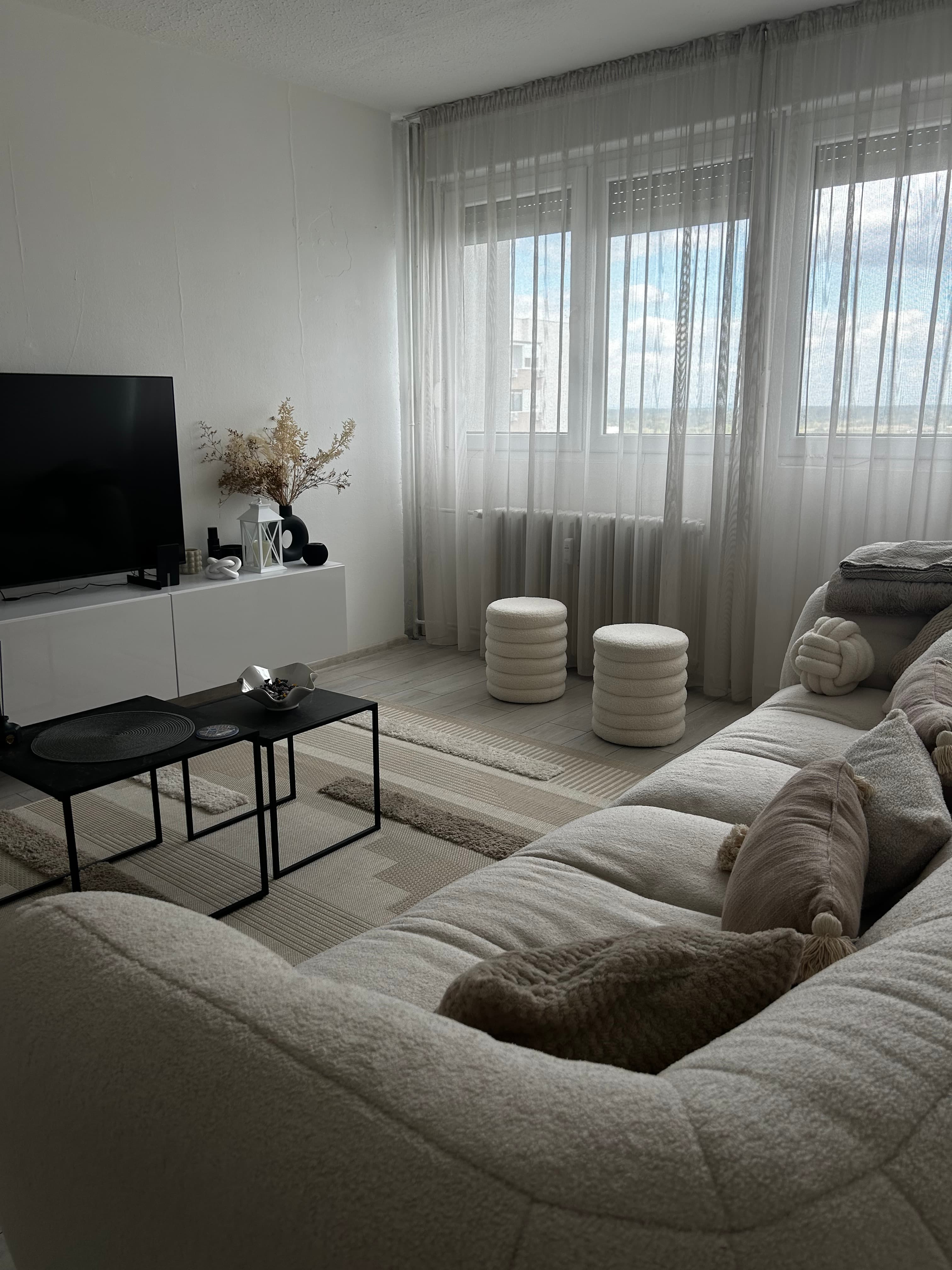
1 matching home in Croatia
Croatia's culinary landscape unfolds like a map of empires and coastlines. Along the Adriatic, you'll taste Venetian-inflected brodetto and octopus peka baked under iron bells, while inland Slavonia serves paprika-rich čobanac and kulen sausage that speaks to Ottoman and Austro-Hungarian roots. Konobas tucked down stone alleyways become your evening ritual—where rakija flows, where fishermen's wives still make their own pasta, where truffles from Istrian forests arrive at the table with ceremony. Living in a Croatian home means shopping at morning markets where dialect shifts every fifty kilometres, learning why every coastal town claims the definitive recipe for black risotto, and understanding that food here is never just sustenance—it's regional identity, fiercely protected and generously shared.
Why Croatia works for food & culture
Homes, not hotel rooms
Live in a real Croatia home — kitchen, balcony, neighbourhood rhythm — instead of a generic hotel room.
Fair by design
1 credit = 1 night. Every home is worth the same. No bidding, no haggling, no price surges.
Curated for food & culture
We prioritise kitchen — the kind of homes that actually fit the travel style.
Matching homes in Croatia
Guides for food & culture in Croatia

Dubai Food Scene: The Complete Culinary Guide for Home Exchange Travelers
Discover Dubai's extraordinary food scene during your home exchange—from AED 3 shawarma to Michelin-starred dining, with insider tips only locals know.
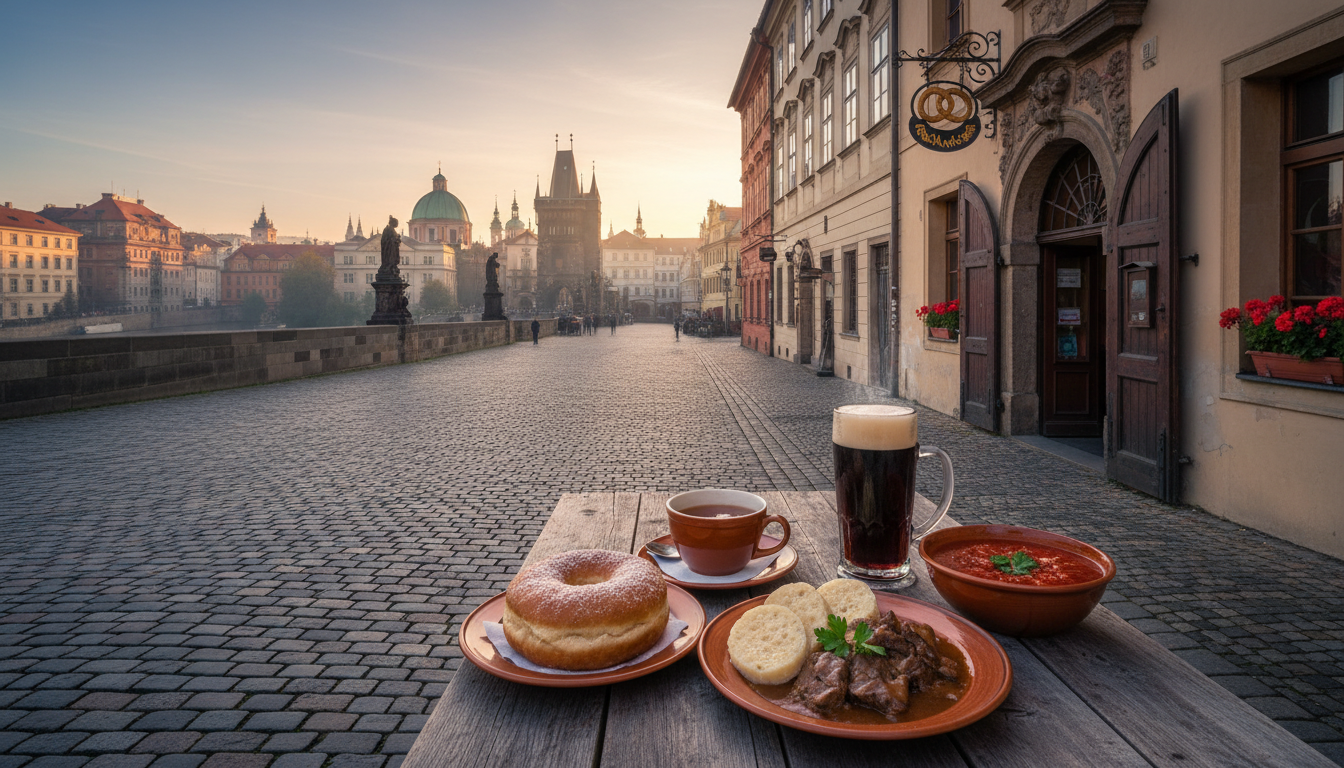
Prague Food Scene: A Home Exchanger's Guide to Czech Culinary Treasures
Discover Prague's food scene through a home exchange lens—from svíčková at local hospodas to farmers markets and hidden wine bars that tourists never find.
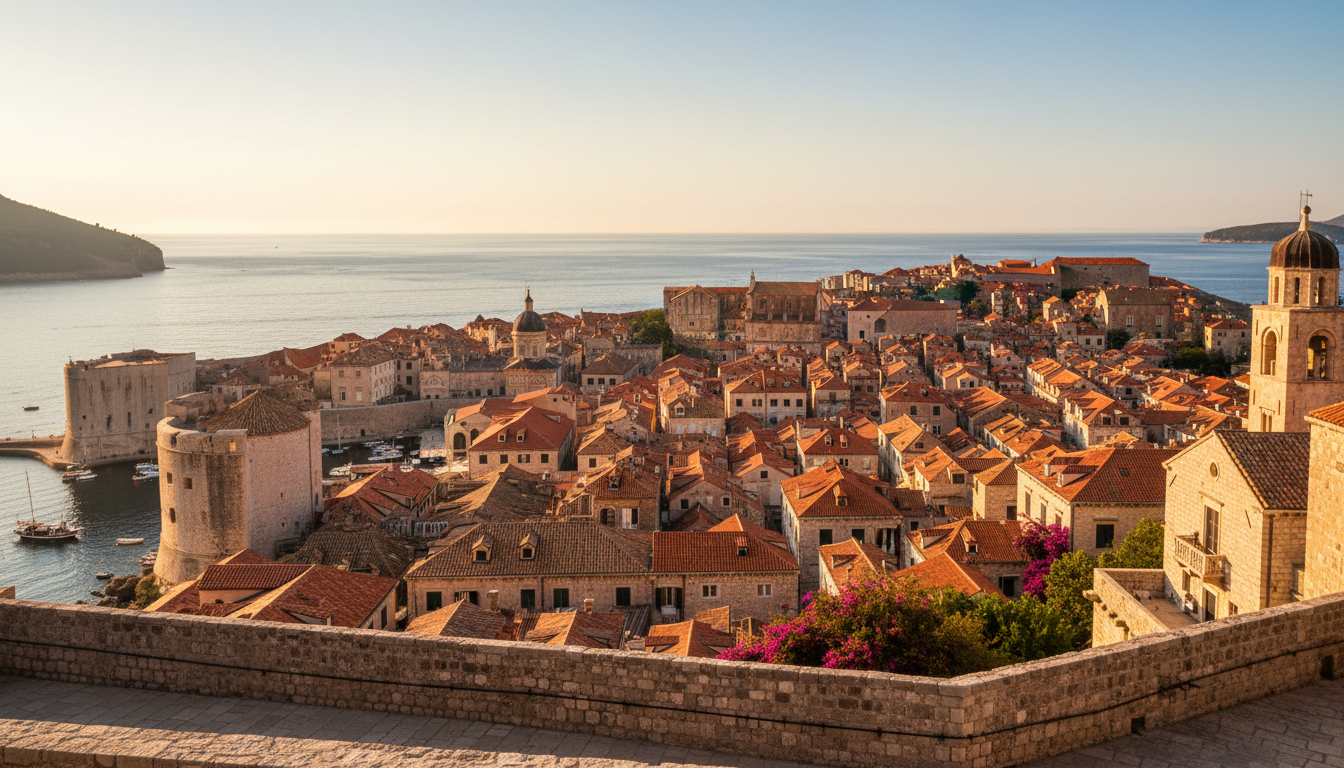
Cultural Immersion in Dubrovnik: How Home Swapping Unlocks the Real Croatia
Skip the cruise ship crowds and tourist traps. Discover how home swapping in Dubrovnik lets you live like a local, from morning markets to hidden konobas.

Local Cuisine in Cambridge: Your Complete Guide to Cooking and Dining During a Home Swap
Discover Cambridge's food scene through a home swap lens—from market shopping to pub dinners, plus tips for cooking in your borrowed kitchen.

Food Lover's Home Swap Guide to Oxford: How to Eat Like a Local in England's Culinary Hidden Gem
Discover Oxford's incredible food scene through home swapping. From covered market stalls to gastropubs, here's how to eat like a local and save thousands.
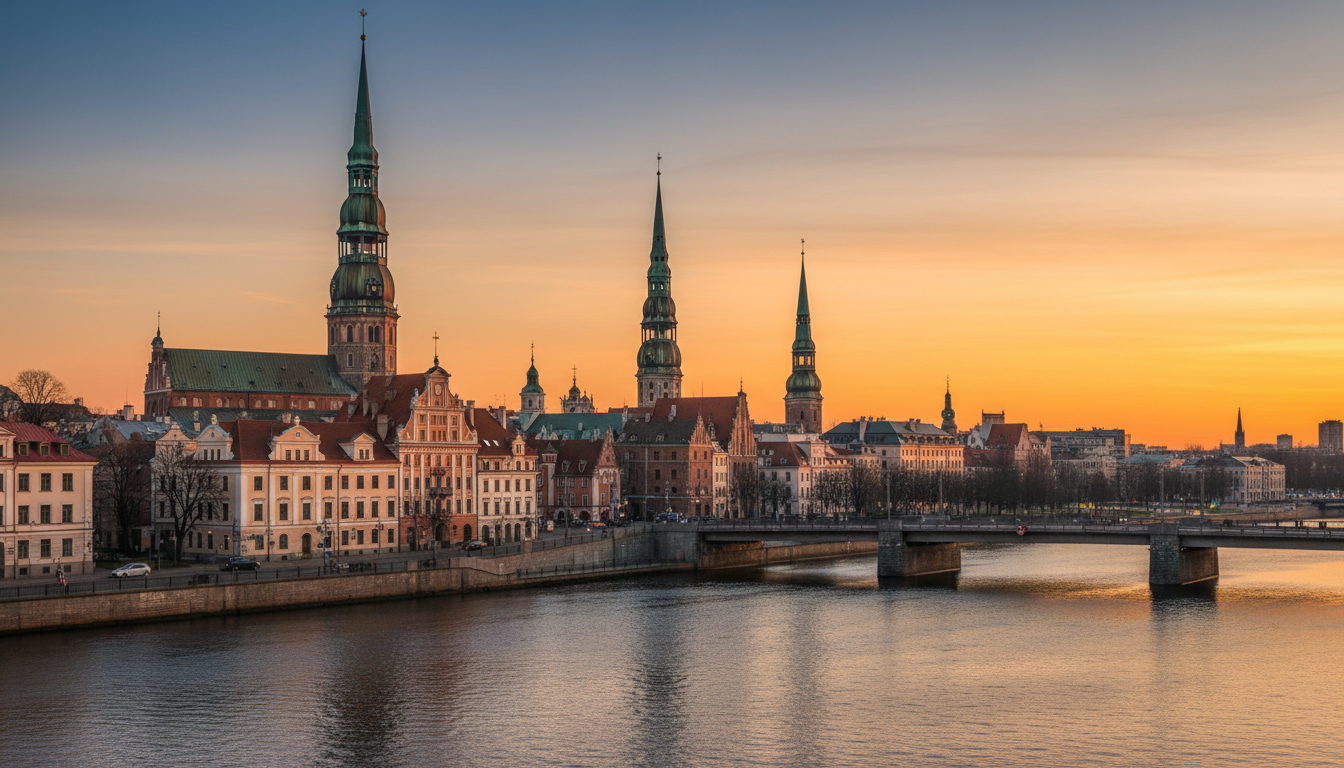
Home Swap in Riga: Your Guide to Authentic Latvian Cultural Immersion
Discover how home swapping in Riga unlocks authentic Latvian culture—from Art Nouveau neighborhoods to secret saunas and grandmother-approved recipes.
Frequently asked questions
How does home exchange on SwappaHome work?
You list your home, then swap into work-ready places worldwide. Hosting earns 1 credit per night; spending a credit books 1 night anywhere in the network. No money changes hands between members. Join with LinkedIn — that's how we know you're a real person.
Is it safe to swap homes with strangers?
Everyone joins with LinkedIn, so you meet people with real names and professional profiles — not anonymous accounts. All conversations stay inside SwappaHome. Homes are reviewed before they go live, and after each stay guests and hosts leave mutual reviews. For extra peace of mind, we recommend a video call before you confirm a swap.
Do I need to swap directly with the same person?
No. SwappaHome uses a credit system, not direct 1-to-1 swaps. You can host a family from Berlin and use the credits you earn to stay with a completely different host in Tokyo six months later. It makes travel dates, destinations and group sizes much easier to match.
Can I join if I don't own a home?
Yes — you can earn credits by hosting in a spare room, a long-term rental (if your lease allows guests) or by gifting/receiving credits from other members. You can also buy a starter pack if you want to travel before you host. Listing your primary home is the most common path, but it's not the only one.
How many homes are available for exchange in Croatia?
Right now there are 1 verified home available for exchange in Croatia. The list you see on this page is pulled live, so it stays in sync as new members join the community.
What kind of homes can I expect to find in Croatia?
The current Croatia catalog includes apartment. You can filter by property type, number of bedrooms and amenities directly on the listings page — and because this information comes straight from the database, it reflects what's actually available today, not a generic description.
What makes Croatia special for food-focused travellers beyond the coast?
Inland Croatia offers a completely different culinary tradition that most visitors miss. Slavonia and Zagorje regions showcase Central European influences—think hearty stews, freshwater fish, cottage cheese structures called štrukli, and some of the continent's best natural wines from family cellars. Istria's truffle country rivals Italy's, with autumn festivals and forest hunts. Each region fiercely guards its own recipes and techniques, so eating your way across Croatia means crossing invisible cultural borders where every grandmother insists her version is the only authentic one. Markets, not restaurants, are where you'll find the real story.