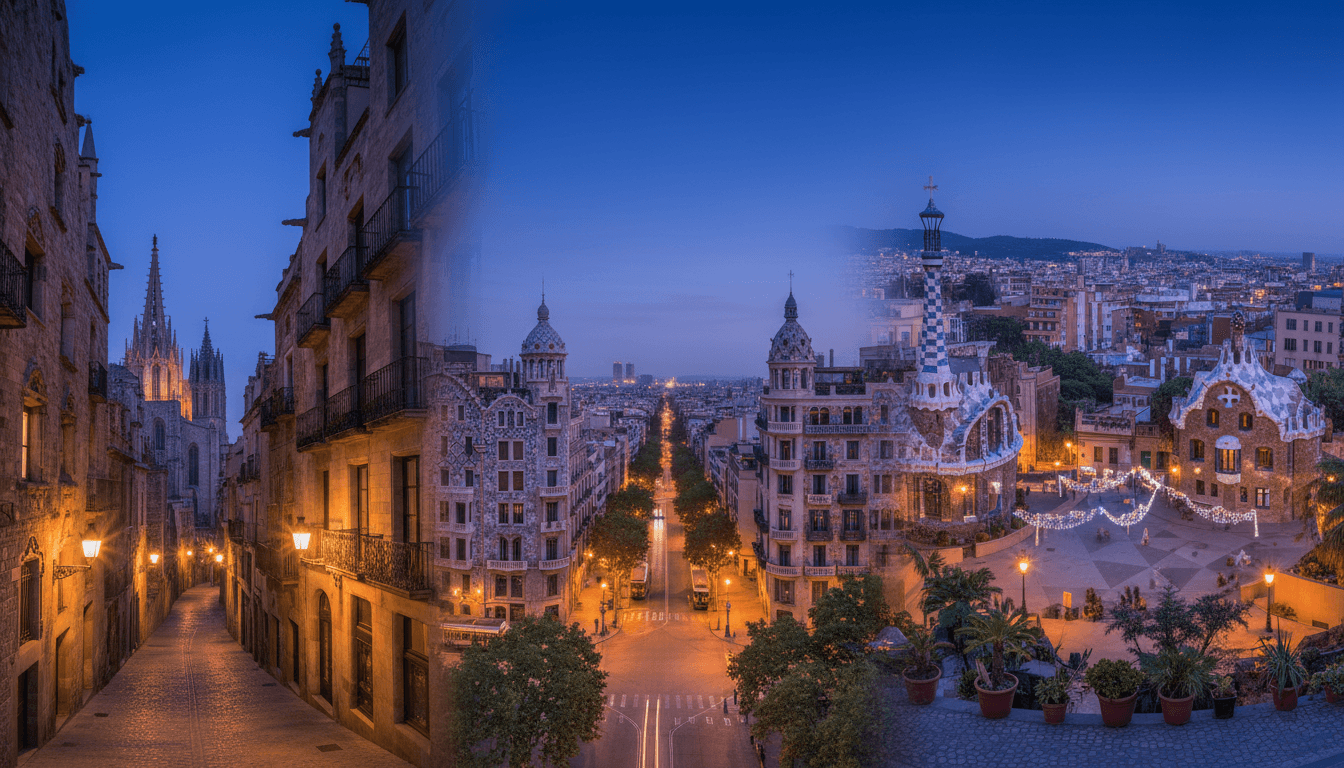
Barcelona Neighborhoods for Home Swappers: Your Complete Guide from Gothic Quarter to Gràcia

SwappaHome Editorial Team
Home Exchange & Slow Travel Editorial
Discover the best Barcelona neighborhoods for home exchange—from the medieval Gothic Quarter to bohemian Gràcia. Local tips, prices, and insider secrets from 7 years of swapping.
I still remember the exact moment I fell in love with Barcelona. It wasn't at Sagrada Familia or on La Rambla—it was at 7 AM in a stranger's kitchen in Gràcia, making coffee while church bells echoed through the courtyard below. That's the thing about Barcelona neighborhoods for home swappers: you don't just visit this city, you live it. And where you choose to stay changes everything.
After four home exchanges in Barcelona over the past six years—plus countless research trips and a brief, slightly delusional phase where I considered moving here permanently—I've developed strong opinions about which neighborhoods work best for different types of travelers. This isn't your typical tourist guide. This is what I wish someone had told me before my first swap here.
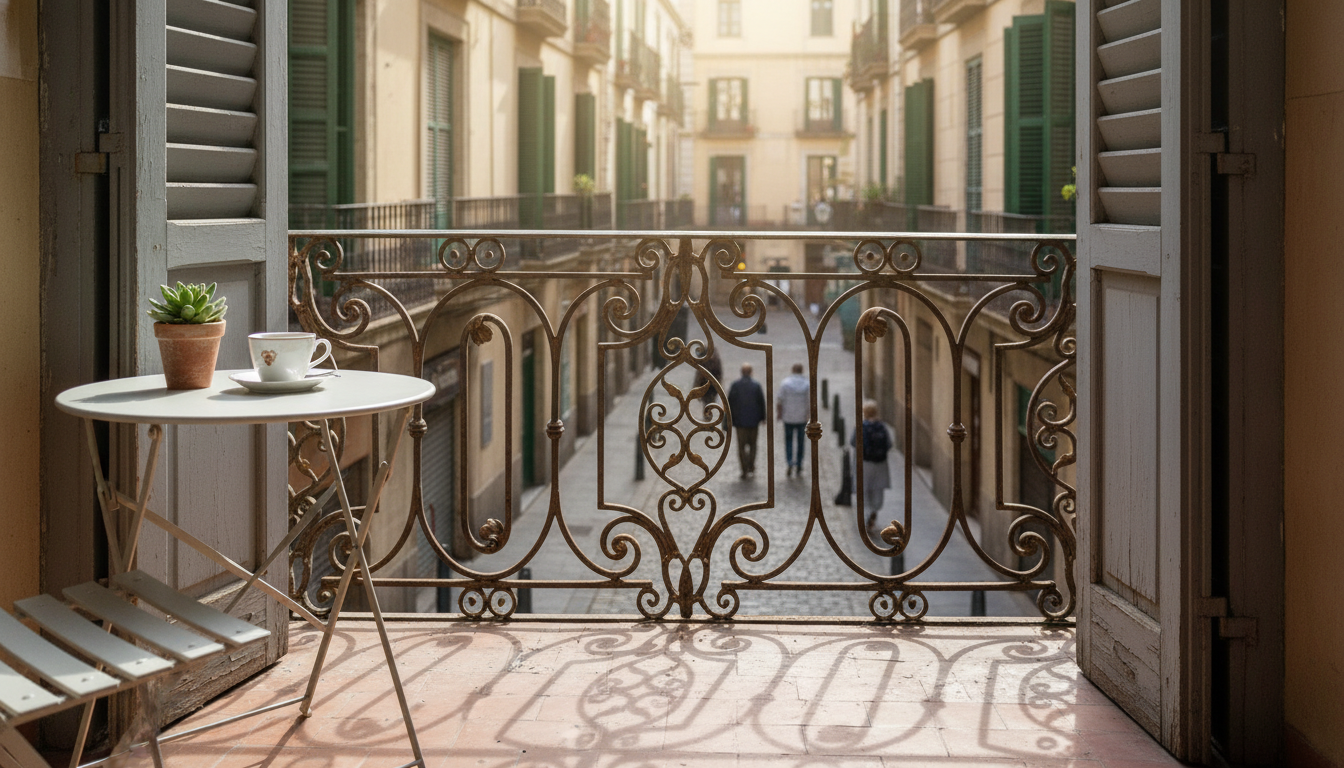 Morning light streaming through wooden shutters onto a traditional Barcelona balcony with wrought ir
Why Barcelona Neighborhoods Matter More Than You Think for Home Exchange
So here's the thing that took me embarrassingly long to understand: Barcelona isn't one city. It's a collection of villages that got absorbed over centuries, and each one kept its personality. The difference between staying in Barceloneta versus El Born? It's like the difference between staying in Venice Beach versus Brooklyn. Same country, completely different vibe.
For home swappers specifically, this matters even more than for hotel guests. When you're exchanging homes, you're not just sleeping somewhere—you're grocery shopping, finding your morning coffee spot, figuring out the recycling system (Barcelona takes this very seriously, by the way). You need a neighborhood that fits your actual life, not just your Instagram aesthetic.
The Barcelona home exchange scene is surprisingly robust. I've noticed more listings here than in most European cities of similar size, probably because Catalans tend to travel a lot themselves and understand the appeal. You'll find everything from tiny Eixample apartments to sprawling modernist flats with those iconic rounded balconies.
The Gothic Quarter (Barri Gòtic): Medieval Magic Meets Tourist Chaos
Let me be honest with you about the Gothic Quarter. It's stunning. Genuinely, jaw-droppingly beautiful, with Roman ruins under your feet and medieval buildings blocking out the sky. Walking through the narrow streets at night feels like time travel.
But.
It's also ground zero for Barcelona tourism. During peak season (basically April through October), the main arteries become a slow-moving river of selfie sticks and tour groups. If you're a light sleeper, know that the bars here don't quiet down until 3 or 4 AM.
Best for: History buffs who don't mind crowds, night owls, first-time visitors who want to be in the thick of it
Home swap reality check: Apartments here tend to be older, which means character but also quirks. Expect narrow staircases (no elevators in most buildings), small kitchens, and the occasional mysterious plumbing situation. The trade-off is waking up and walking out your door directly into the 14th century.
Local tip: The best coffee in the Gothic Quarter is at Satan's Coffee Corner on Carrer de l'Arc de Sant Ramon del Call. Yes, that's really the name. Yes, it's worth finding.
Average home swap listings: Mostly 1-2 bedroom apartments, often with interior courtyards. Expect to see a lot of exposed stone walls and wooden beam ceilings.
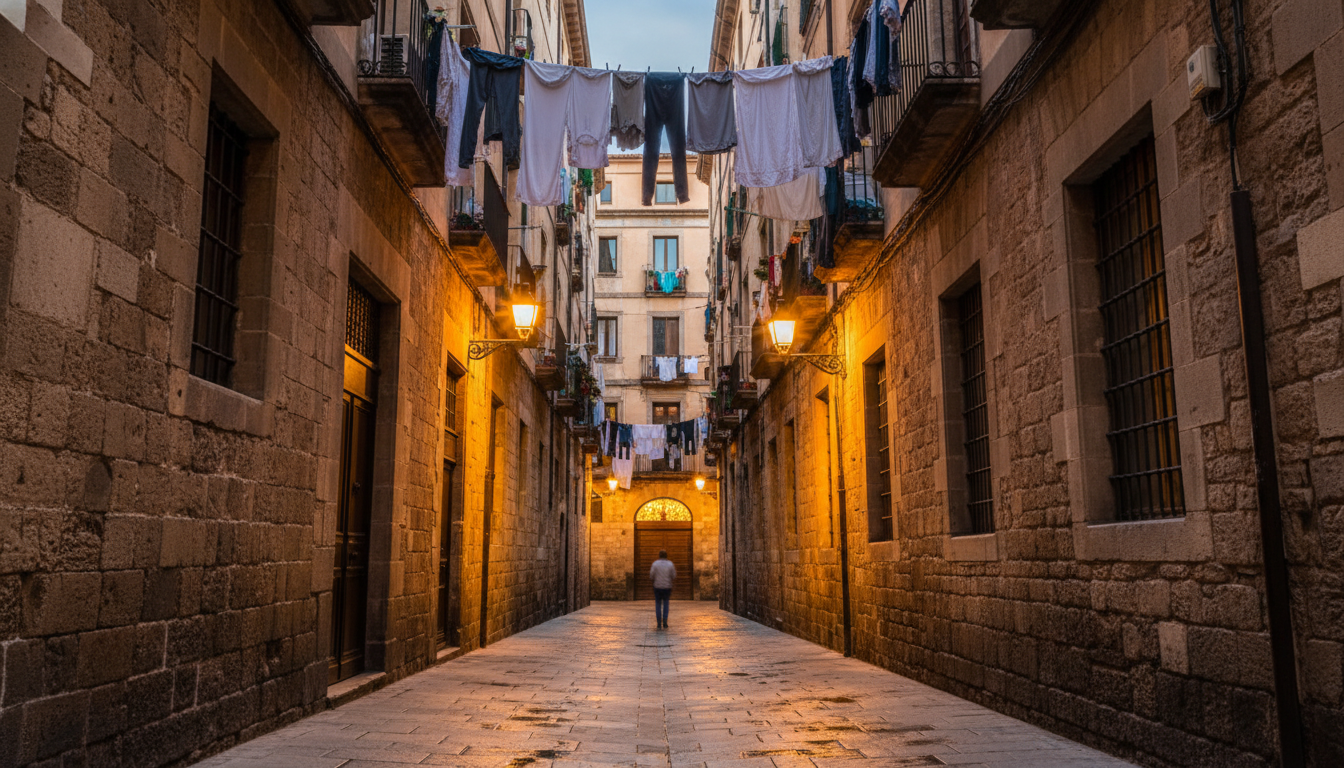 Narrow Gothic Quarter alley at dusk with hanging laundry, warm light from apartment windows, ancient
El Born: The Sweet Spot for Barcelona Home Swapping
If I had to pick one neighborhood for a first-time Barcelona home swap, it would be El Born. Every single time.
El Born hits this perfect balance between central and livable. You're a 10-minute walk from the beach, 5 minutes from the Gothic Quarter, and surrounded by some of the best restaurants, bars, and boutiques in the city. But unlike the Gothic Quarter, people actually live here—you'll see locals walking their dogs, kids playing in Parc de la Ciutadella, grandmothers chatting on benches.
The architecture is gorgeous without being overwhelming. The streets are narrow but not claustrophobic. And the food scene? Don't get me started. (Okay, fine: get the patatas bravas at Bar del Pla, the vermouth at El Xampanyet, and literally anything at Llamber.)
Best for: Food lovers, first-time home swappers in Barcelona, couples, anyone who wants walkability without sacrificing authenticity
Home swap reality check: El Born apartments are some of the most sought-after in Barcelona, which means competition for swaps can be fierce. Start your search early—I'm talking 3-4 months ahead for peak season. Apartments here tend to be well-maintained and stylish, often with that perfect blend of original features and modern updates.
What you'll pay equivalent: If you weren't home swapping, similar accommodations would run €150-250/night ($165-275 USD) for a decent one-bedroom. With SwappaHome's credit system, you're paying exactly what you always pay: one credit per night, whether you're in a studio or a palace.
Local tip: The Mercat de Santa Caterina is El Born's answer to La Boqueria, but with 90% fewer tourists and arguably better produce. Go on a weekday morning and grab breakfast at the bar inside.
Gràcia: Where Bohemian Barcelona Lives
Gràcia is where I had that life-changing morning coffee moment, and it remains my favorite Barcelona neighborhood for longer stays. Originally a separate village until Barcelona absorbed it in the late 1800s, Gràcia still feels like its own little world.
The vibe here is decidedly local and slightly alternative. You'll find more vintage shops than designer boutiques, more vermut bars than cocktail lounges, more neighborhood festivals than tourist attractions. The Festa Major de Gràcia in August transforms the streets into an explosion of handmade decorations—entire blocks compete to create the most elaborate themed installations. It's wild.
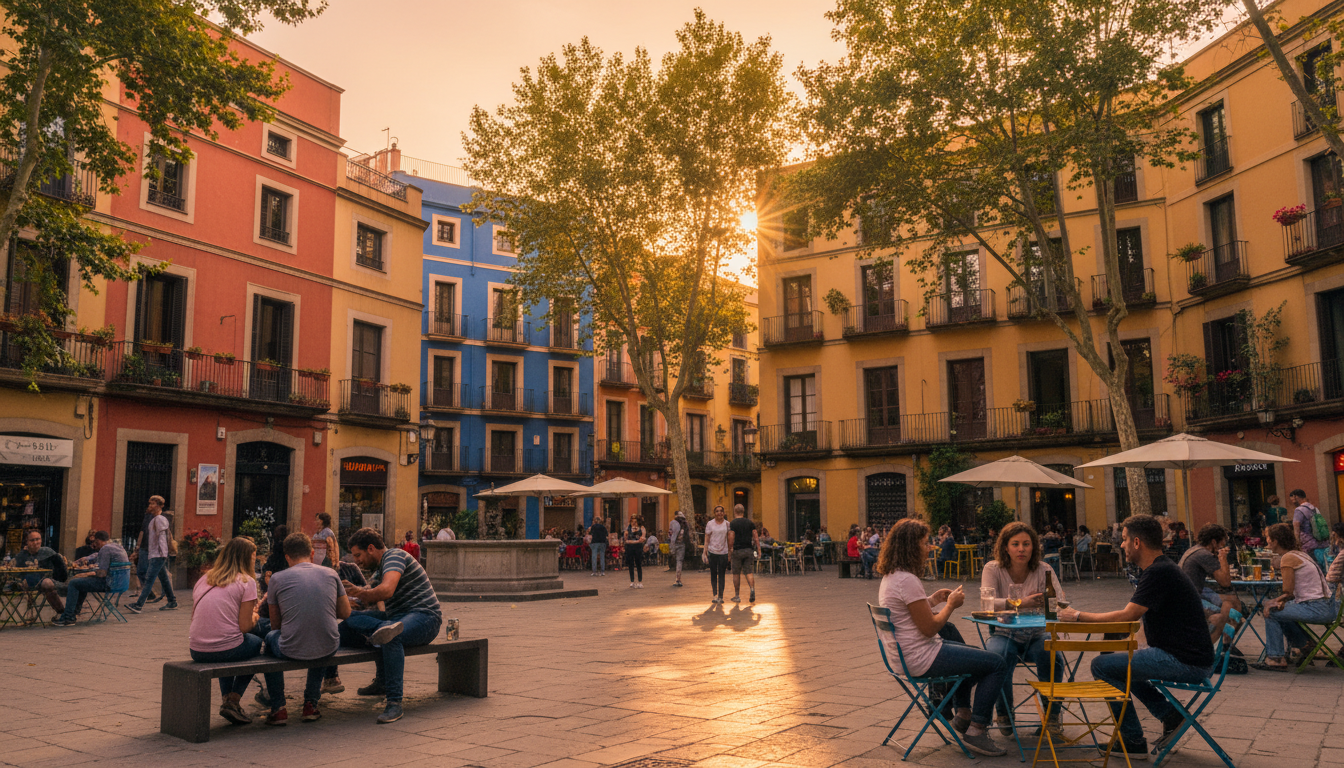 Plaa del Sol in Grcia at golden hour, locals sitting on benches and cafe terraces, colorful building
The trade-off? You're about 20-25 minutes from the beach and the main tourist attractions. The metro doesn't penetrate deep into Gràcia (the Fontana stop is on the edge), so you'll do a lot of walking. For some people, this is a dealbreaker. For me, it's the whole point.
Best for: Longer stays (a week or more), travelers who prioritize local life over sightseeing, anyone who's done Barcelona before and wants something different, remote workers
Home swap reality check: Gràcia has some of the most charming apartments in Barcelona—think high ceilings, colorful tiles, and balconies overlooking quiet plazas. Many buildings have been renovated but kept their character. You'll also find more family-sized apartments here than in the center, making it ideal for home swappers with kids.
Local tip: Skip the crowded plazas on weekend nights and head to Plaça de la Virreina instead. It's smaller, quieter, and surrounded by excellent tapas spots. La Pepita on Carrer de Còrsega is worth the inevitable wait.
Eixample: Modernist Architecture and Practical Living
Eixample is Barcelona's grid. Literally. After the medieval walls came down in the mid-1800s, urban planner Ildefons Cerdà designed this neighborhood on a perfect grid pattern with chamfered corners (those distinctive octagonal intersections). It's where you'll find the highest concentration of Gaudí buildings, including Casa Batlló and La Pedrera.
For home swappers, Eixample offers something the older neighborhoods can't: space and light. Apartments here tend to be larger, with higher ceilings and bigger windows. Many buildings have elevators. The streets are wide enough that you don't feel like you're walking through a canyon.
Eixample is divided into two halves: Esquerra (left) and Dreta (right). Dreta is fancier and closer to Passeig de Gràcia—Barcelona's Champs-Élysées. Esquerra is more residential and increasingly hip, with a strong LGBTQ+ scene around the "Gaixample" area.
Best for: Architecture lovers, families needing space, anyone with mobility concerns, travelers who want a central but less chaotic base
Home swap reality check: Eixample apartments photograph beautifully—those tall windows, the ornate ceilings, the original tile floors. But they can be tricky to heat in winter (those high ceilings work against you) and the interior rooms in traditional Eixample layouts can be dark. Ask your swap partner about light and temperature before committing.
Average costs avoided: A hotel in central Eixample easily runs €180-300/night ($200-330 USD) depending on season. Home swapping here lets you experience the grandeur of these modernist buildings without the modernist prices.
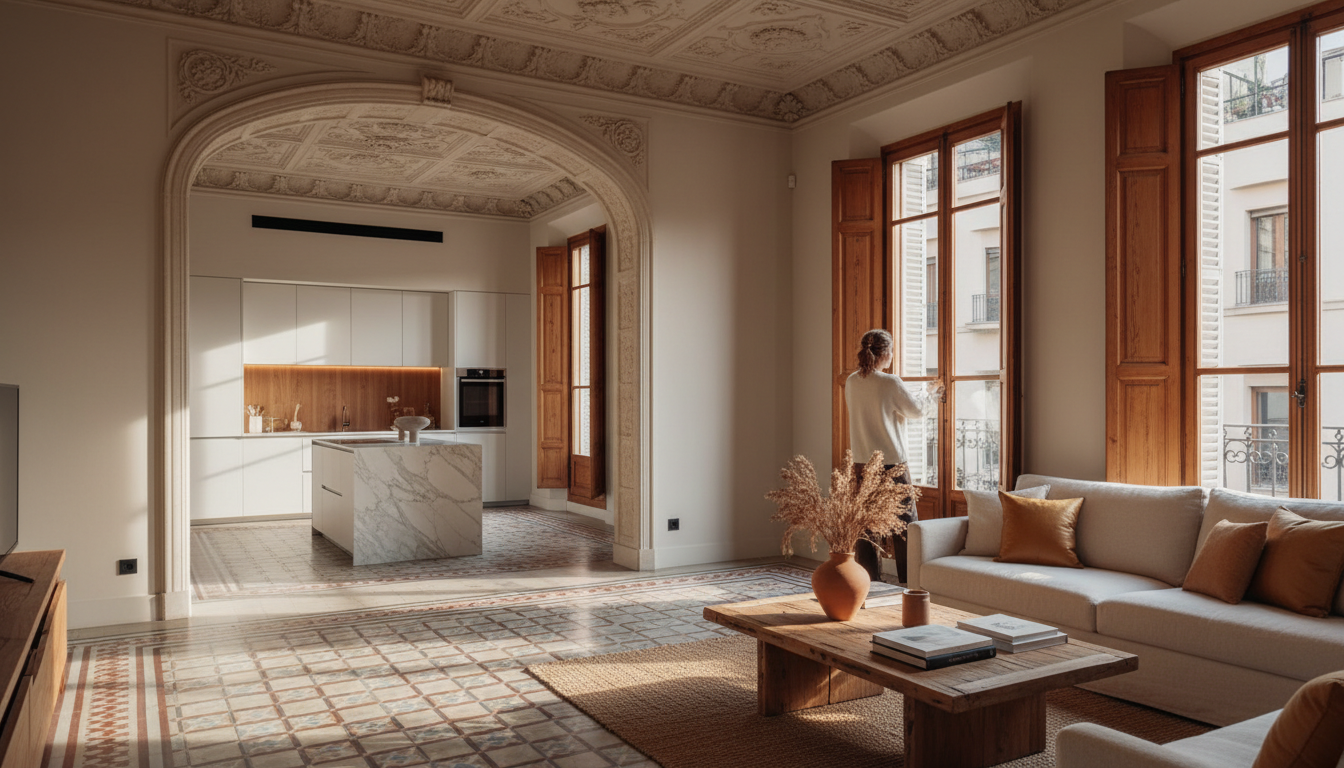 Interior of a classic Eixample apartment showing original hydraulic floor tiles, tall windows with w
Barceloneta: Beach Life and Fisherman's Village Charm
Barceloneta is Barcelona's beach neighborhood, a dense triangle of narrow streets that was once home to fishermen and sailors. Today it's a mix of long-time residents (many of them elderly), young professionals, and tourists seeking that Mediterranean beach lifestyle.
Real talk: Barceloneta is polarizing. Some people love waking up and walking directly onto the sand. Others find it too touristy, too loud, too much. The beach itself is fine—clean and well-maintained—but it's not exactly a hidden gem. In summer, it's packed.
What I do love about Barceloneta is the food. This is where you come for the freshest seafood in the city. Forget the overpriced restaurants on the boardwalk—head into the interior streets for spots like La Cova Fumada (their bomba is legendary) or Can Paixano for cava and sandwiches.
Best for: Beach lovers, summer travelers, seafood enthusiasts, anyone who prioritizes morning swims over museum visits
Home swap reality check: Apartments in Barceloneta are small. Like, really small. The neighborhood was originally built for working-class families in the 18th century, and the floor plans reflect that. You'll also deal with more noise—both from the beach crowds and the narrow-street acoustics that amplify every conversation. But if beach access is your priority, nothing else compares.
Local tip: The best beach in Barceloneta isn't the main stretch—it's the small cove near the W Hotel called Sant Sebastià. Slightly less crowded, better for swimming.
Poble Sec: The Underrated Gem for Savvy Home Swappers
Poble Sec is my sleeper pick for Barcelona neighborhoods, and I think it's about to have a moment.
Tucked between Montjuïc hill and the Paral·lel avenue, Poble Sec has historically been working-class and somewhat overlooked by tourists. That's changing fast. The neighborhood has seen an influx of excellent restaurants, natural wine bars, and creative spaces, all while maintaining its unpretentious character.
The location is sneaky good. You're a 15-minute walk from the Raval, 10 minutes from the port, and you have Montjuïc—Barcelona's green lung—literally in your backyard. The Telefèric de Montjuïc cable car starts here, and the views from the top are spectacular.
Best for: Foodies, budget-conscious travelers, anyone who wants to feel like they discovered something, home swappers planning to explore Montjuïc
Home swap reality check: Poble Sec listings are growing but still less common than in more established tourist areas. When you do find them, they tend to be great value—larger apartments at lower credit demand than comparable spaces in El Born or Eixample. The neighborhood is hilly in parts, so check your specific address if stairs are a concern.
Local tip: Carrer de Blai is the pintxos (Basque-style tapas) street of Barcelona. Walk down, grab a plate, move to the next bar, repeat. Budget about €15-20 ($16-22 USD) for a full dinner with wine.
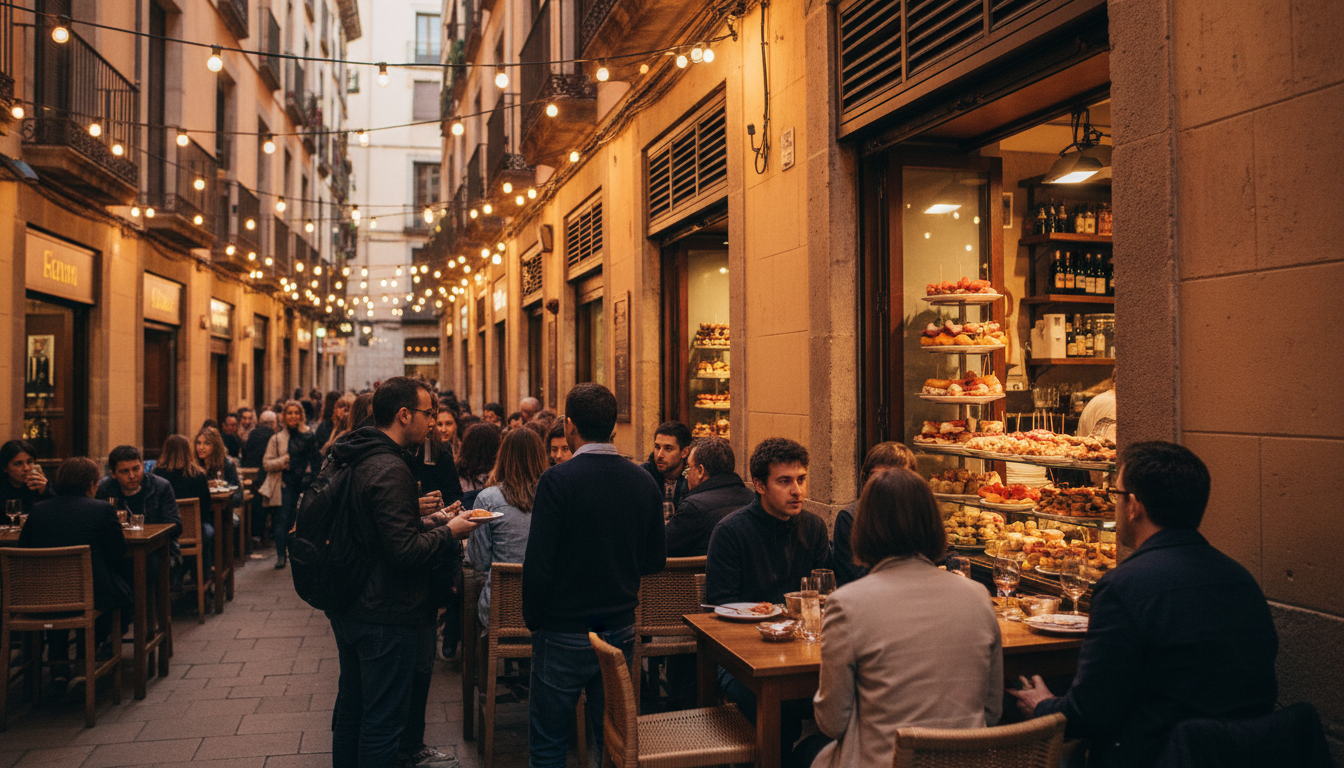 Evening scene on Carrer de Blai with crowds gathered at pintxos bars, colorful plates of tapas visib
Sant Antoni: The Neighborhood That's Having Its Moment
Sant Antoni used to be where my Barcelona friends lived because they couldn't afford Eixample. Now it's where they live because it's genuinely cool.
The transformation of this neighborhood over the past decade has been remarkable. The stunning renovation of the Mercat de Sant Antoni (completed in 2018 after years of work) was the catalyst, but the change goes deeper. Sant Antoni now has some of the best brunch spots, specialty coffee shops, and cocktail bars in the city, all while maintaining a residential, neighborhood feel.
Geographically, Sant Antoni sits at the intersection of several Barcelona worlds. You're on the edge of the Raval (gritty, diverse), touching Eixample (elegant, grid-like), and a short walk from Poble Sec (up-and-coming, local). It's central without feeling central.
Best for: Coffee snobs, weekend brunch enthusiasts, travelers who want to feel ahead of the curve, anyone who appreciates good design
Home swap reality check: Sant Antoni apartments often offer the best of both worlds: the high ceilings and character of Eixample with slightly more manageable prices and a more interesting street scene. The Sunday book and vintage market around the Mercat is a major draw—just know that your street might get crowded.
Average savings with home exchange: Hotels in Sant Antoni are limited (it's still primarily residential), but Airbnb equivalents run €120-180/night ($130-200 USD). Home swapping means you get a local's apartment at a local's price point—which is to say, free beyond your membership.
How to Choose the Right Barcelona Neighborhood for Your Home Swap
After all these words, you might still be wondering: okay, but which one is right for me?
Here's my honest framework:
Choose El Born or Gothic Quarter if: This is your first time in Barcelona and you want to maximize walkability to major attractions. You don't mind crowds. You're staying less than a week.
Choose Gràcia if: You're staying a week or more. You've been to Barcelona before. You prioritize local life over tourist sights. You're working remotely and need good cafes.
Choose Eixample if: You need space. You have mobility concerns. You're traveling with family. You're obsessed with modernist architecture.
Choose Barceloneta if: Beach access is non-negotiable. You're visiting in summer. You can handle small spaces and noise.
Choose Poble Sec or Sant Antoni if: You want to feel like you discovered something. You're a foodie. You appreciate good value. You don't need to be in the absolute center.
Practical Tips for Barcelona Home Swapping Success
Before I let you go plan your Barcelona adventure, a few things I've learned the hard way:
Air conditioning is not standard. Many Barcelona apartments, especially in older buildings, don't have AC. This is fine from October to May. In July and August, it's a dealbreaker for most people. Always, always ask.
Check the tourist license situation. Barcelona has cracked down hard on tourist rentals in certain neighborhoods. This doesn't directly affect home swapping (you're not renting, you're exchanging), but it's created some community tension around short-term visitors. Be a good guest—keep noise down, respect the building rules, say hello to the neighbors.
Learn the garbage schedule. I'm serious. Barcelona has specific days and times for different types of waste, and the containers are only out during certain hours. Your swap partner should brief you, but if they don't, ask. Nothing says "clueless tourist" like bags of trash sitting outside the wrong container.
The metro closes at midnight on weekdays. (It runs all night Friday-Saturday.) Plan accordingly or budget for occasional taxis. The night bus system is decent but confusing.
August is complicated. Half of Barcelona goes on vacation in August. Many local shops and restaurants close. The tourists who remain are concentrated in a smaller number of open establishments. It's hot. It's crowded. It's not my favorite time to visit, honestly. But if August is your only option, lean toward Barceloneta (embrace the beach) or Gràcia (the Festa Major is genuinely special).
Making the Most of SwappaHome in Barcelona
One thing I appreciate about using SwappaHome for Barcelona specifically: the credit system means you're not penalized for choosing a "less desirable" neighborhood. Whether you're staying in a tiny Barceloneta studio or a sprawling Eixample apartment, it's one credit per night. This frees you to choose based on fit rather than perceived value.
Start your search on SwappaHome early—Barcelona is popular, and the best listings get snapped up. Use the messaging system to ask specific questions about the neighborhood, the apartment's quirks, and local recommendations. The Barcelona home swapping community tends to be engaged and helpful; most hosts are travelers themselves who understand what information actually matters.
Frequently Asked Questions
What is the best neighborhood in Barcelona for home swapping?
El Born offers the ideal balance for most Barcelona home swappers—it's central, walkable, and filled with excellent restaurants while maintaining authentic neighborhood character. For longer stays or repeat visitors, Gràcia provides a more local experience with bohemian charm and quieter streets.
Is home swapping in Barcelona safe?
Barcelona is generally safe for home swapping, with an active community of verified members who review each other after stays. The city's home exchange scene is well-established, and most swappers report positive experiences. Standard precautions apply: use platforms with review systems, communicate clearly with your swap partner, and consider personal travel insurance for peace of mind.
How much money can I save home swapping in Barcelona vs hotels?
Home swapping in Barcelona typically saves €150-300 ($165-330 USD) per night compared to equivalent hotel accommodations in central neighborhoods. For a two-week stay, that's €2,100-4,200 ($2,300-4,600 USD) in savings—plus the added value of kitchen access and local neighborhood immersion.
Which Barcelona neighborhoods should I avoid for home exchange?
The Raval can be challenging for first-time Barcelona visitors due to its grittier character and higher petty crime rates, though it has pockets of genuine charm. Areas far from metro stations (outer Horta-Guinardó, Nou Barris) may leave you feeling isolated. Diagonal Mar is modern but soulless—fine for business travel, disappointing for cultural immersion.
When is the best time to home swap in Barcelona?
Spring (April-May) and fall (September-October) offer ideal Barcelona home swapping conditions: pleasant weather, fewer crowds, and full availability of local restaurants and shops. August sees many locals on vacation, while winter (December-February) is mild but some beach-adjacent neighborhoods feel deserted.
Barcelona has a way of getting under your skin. I've visited dozens of cities through home swapping, but this one keeps pulling me back—not for the Gaudí buildings or the beaches, but for those quiet morning moments in borrowed kitchens, watching the neighborhood wake up through someone else's window. That's the magic of swapping here. You don't just see Barcelona. You get a tiny, temporary slice of actually living it.
Now go find your neighborhood. I'll be the one in Gràcia, probably on my third cortado of the morning, pretending I live here permanently.

Published by
SwappaHome
SwappaHome Editorial Team
Home Exchange & Slow Travel Editorial
The SwappaHome Editorial Team brings together travel research, home-exchange community insights, and platform data to produce practical guides for first-time and experienced home swappers. Every article cites real platforms, current market rates, and verifiable city-level facts so readers can make informed decisions without guessing.
Ready to try home swapping?
Join SwappaHome and start traveling by exchanging homes. Get 7 free credits when you sign up!
Related articles
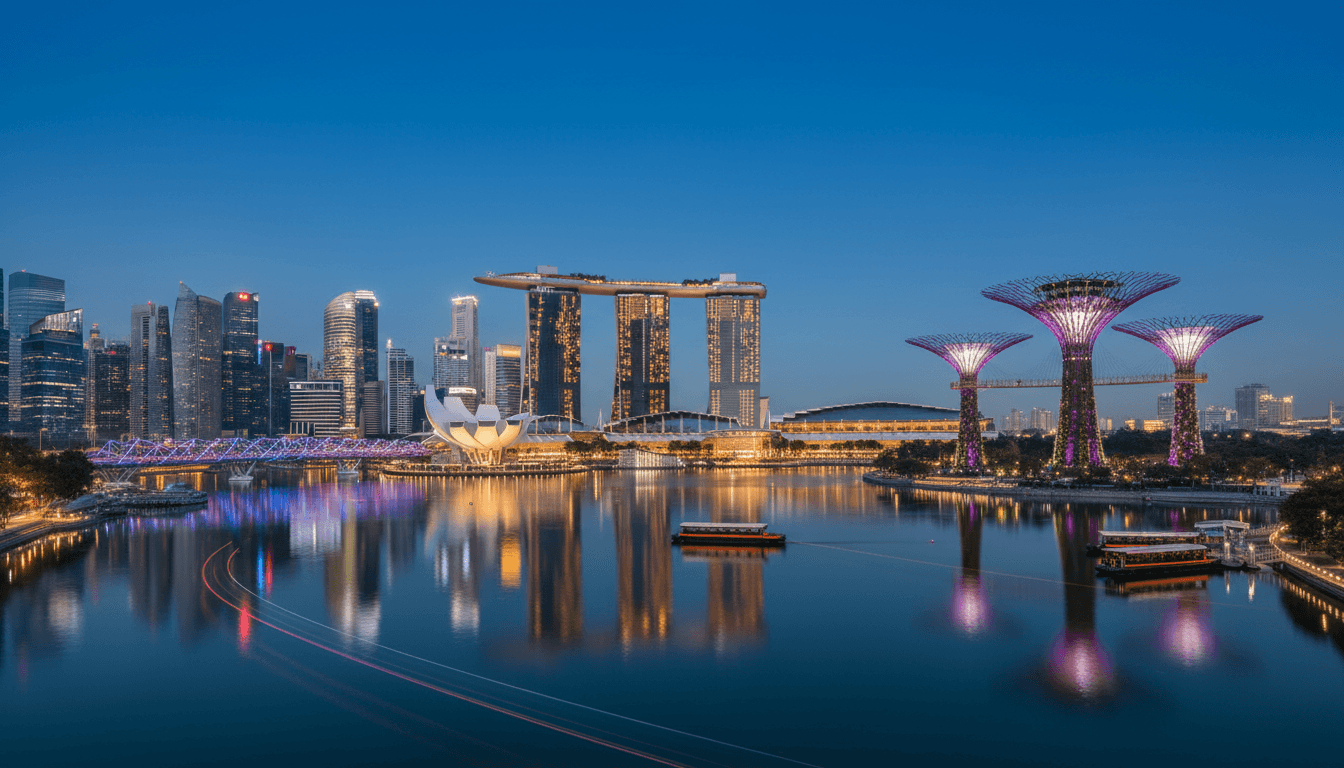
Bachelor and Bachelorette Parties in Singapore: The Complete Home Swap Group Guide for 2026
Planning a bachelor or bachelorette party in Singapore? Discover how home swapping lets groups of 6-12 stay together in luxury condos, saving thousands while partying in Marina Bay.
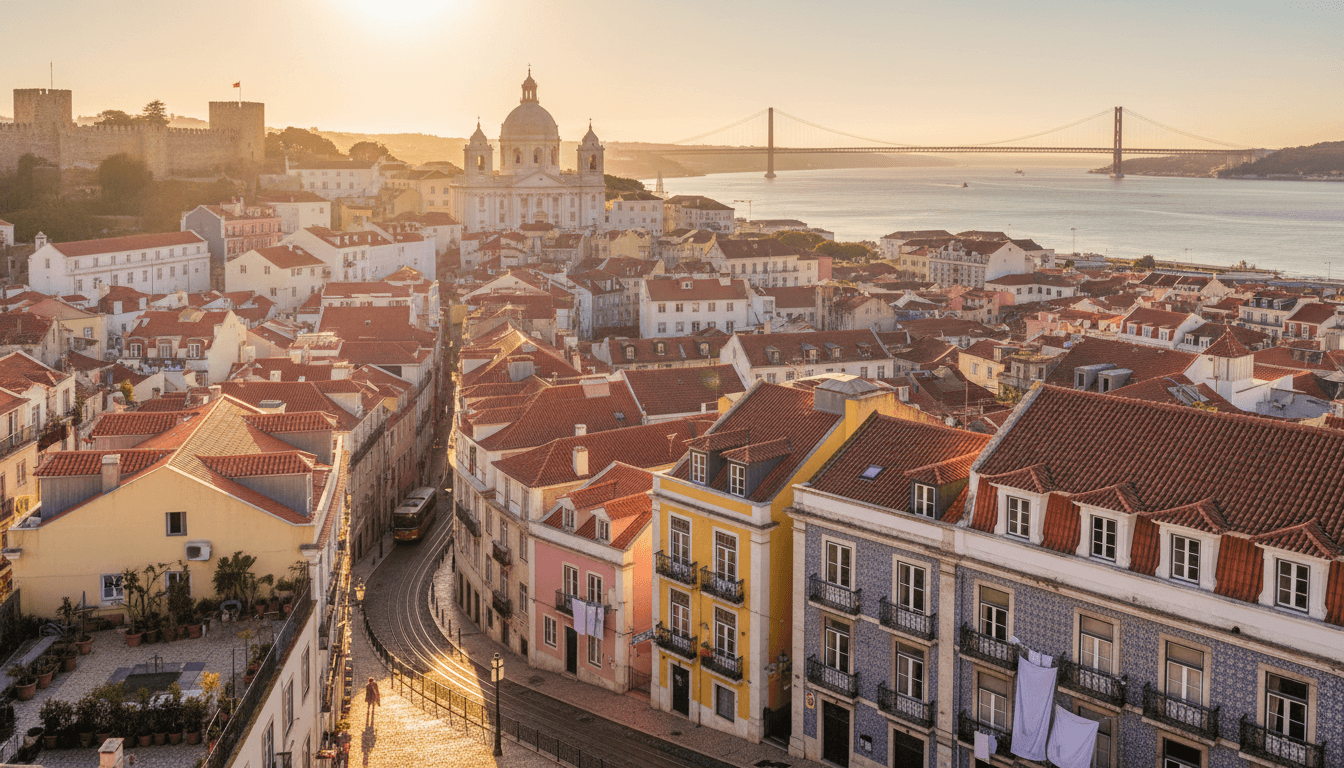
Cycling in Lisbon: 7 Home Swap Bike Tour Itineraries for Every Rider
Discover the best cycling routes in Lisbon with these home swap bike tour itineraries—from waterfront paths to hilltop adventures, all starting from your borrowed home.
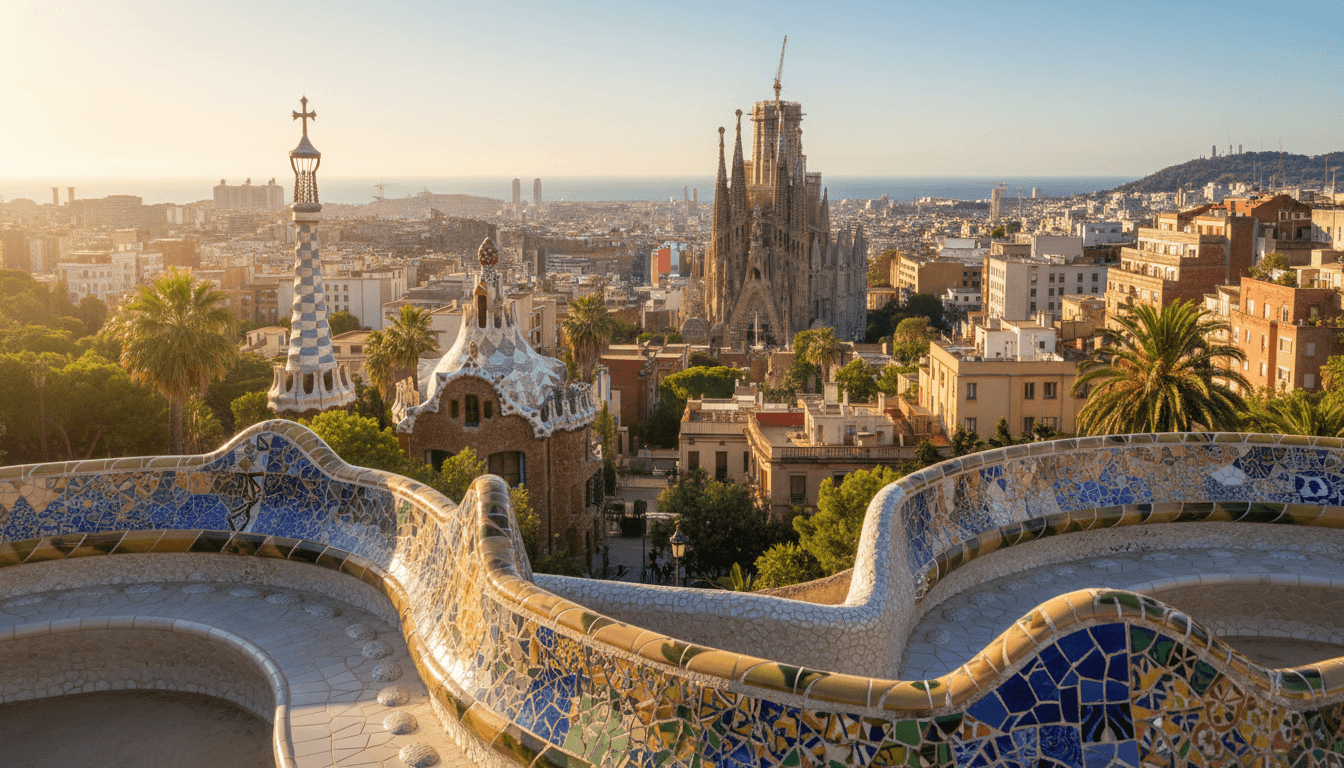
Graduation Trip to Barcelona: How Home Swapping Gives New Graduates the Ultimate Celebration
Planning a graduation trip to Barcelona? Discover how home swapping lets new graduates explore Spain's most vibrant city without the hostel crowds or hotel costs.