Bologna Neighborhood Guide for Home Swappers: From Trendy to Traditional

SwappaHome Editorial Team
Home Exchange & Slow Travel Editorial
Discover Bologna's best neighborhoods for home exchange—from the historic centro storico to trendy Bolognina. Local insights, costs, and insider tips.
The first time I walked through Bologna's porticoed streets, I got completely, hopelessly lost. And I mean that in the best possible way.
I'd arranged a home swap in what I thought was the "historic center"—a description that, I quickly learned, could mean about fifteen different neighborhoods depending on who you asked. My host had mentioned something about being "near the towers," which in Bologna is a bit like saying you're "near the pizza" in New York. Technically true, wildly unhelpful.
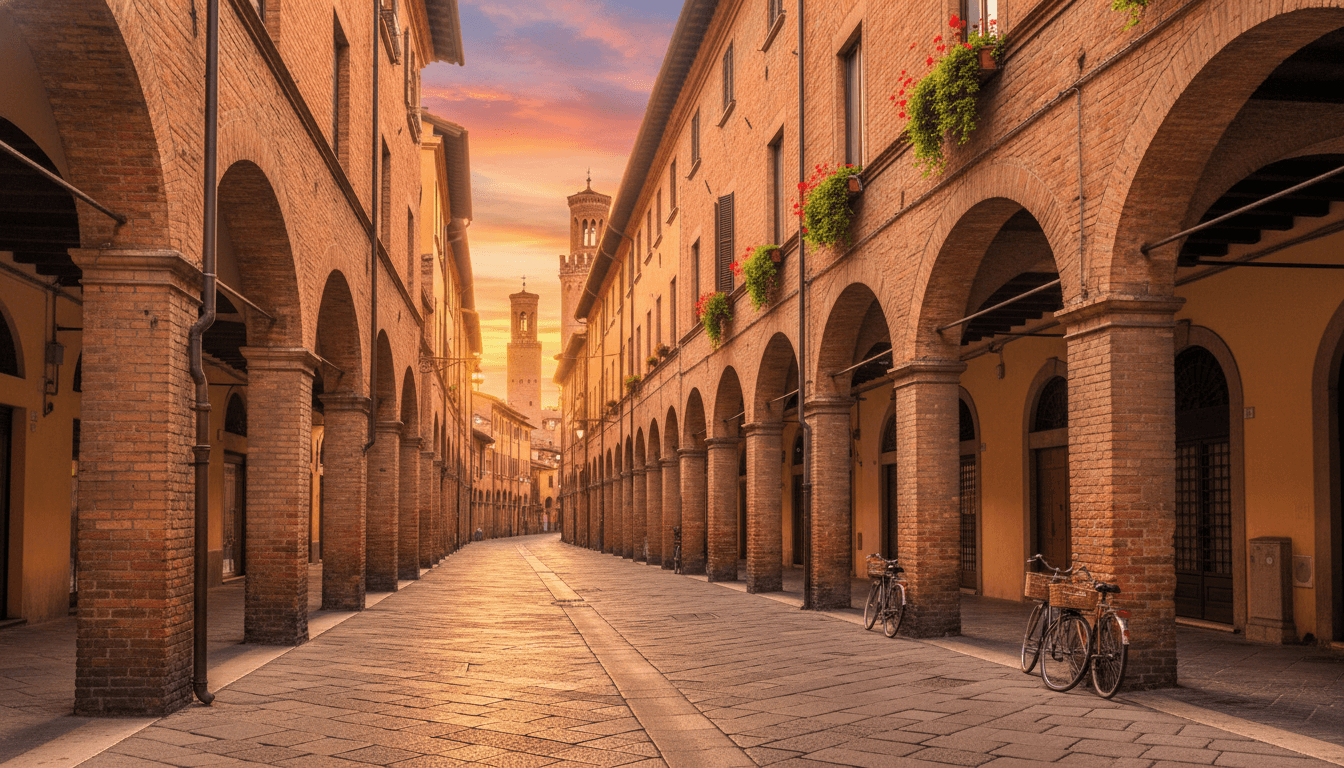
But here's the thing about getting lost in Bologna: every wrong turn leads to a portico-covered sidewalk, a hidden trattoria, or a courtyard that makes you forget you were ever going anywhere specific. This is everything I wish I'd known before that first trip—and everything I've learned from five subsequent swaps in La Rossa, La Grassa, La Dotta (the Red, the Fat, the Learned, as locals call her).
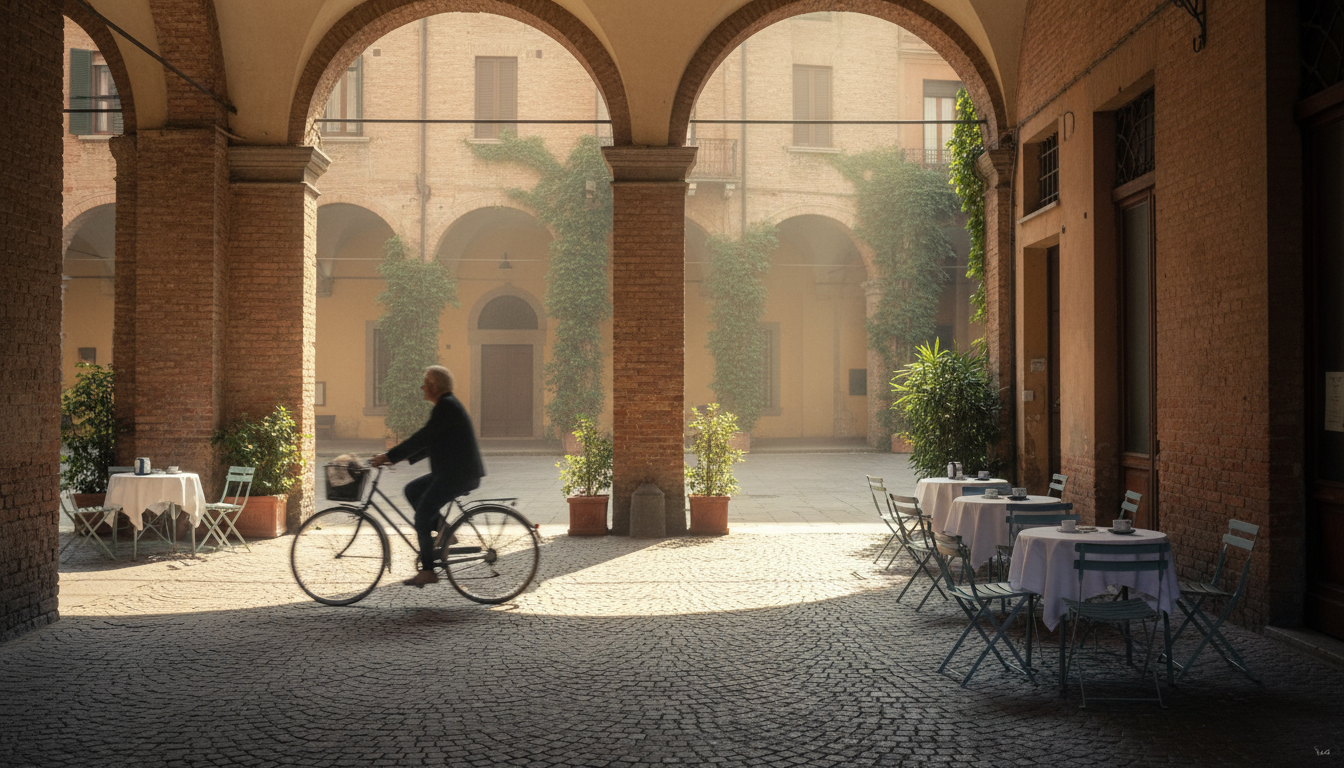 Morning light streaming through Bolognas famous porticoes near Piazza Maggiore, with a cyclist passi
Why Bologna Neighborhoods Matter More Than You Think
Most first-time visitors make the same mistake I did: they assume the city is small enough that location doesn't matter. The centro storico is walkable, the food is good everywhere, and those UNESCO-protected porticoes keep you dry in any weather. So who cares where you stay, right?
Wrong.
Bologna's neighborhoods have distinct personalities that dramatically affect your home swap experience. Stay in the wrong area for your travel style, and you'll spend your days commuting to where the action is. Nail it, and you'll feel like a local within 48 hours.
The city breaks down into roughly eight distinct zones. Some are packed with university students and aperitivo bars. Others are quiet, residential, perfect if you're traveling with kids or working remotely. A few are undergoing rapid gentrification—great home swap opportunities if you don't mind construction noise.
Centro Storico: The Heart of Bologna Home Exchange
Let's start with the obvious. The centro storico is where most first-time home swappers want to be, and honestly? They're not wrong.
This is the Bologna of postcards: the Two Towers (Garisenda and Asinelli), the sprawling Piazza Maggiore, the Basilica di San Petronio, and those endless porticoes that have sheltered Bolognesi from rain and sun since the Middle Ages. It's also where you'll find the highest concentration of home exchange listings, which means more options but also more competition.
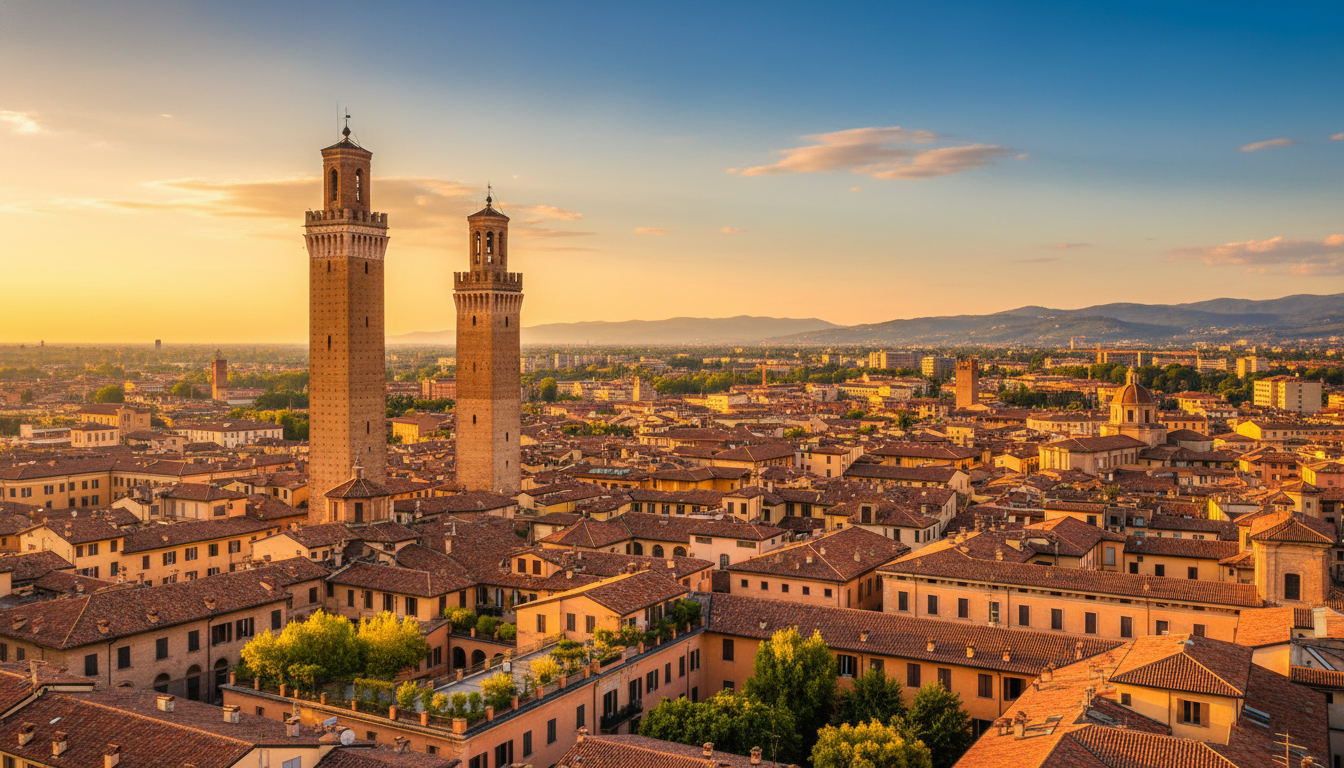 View of Bolognas Two Towers at golden hour, with terracotta rooftops stretching toward the Apennine
What Centro Storico Living Actually Feels Like
I did my second Bologna swap in a third-floor apartment on Via Zamboni, the main university drag. The location was unbeatable—five minutes to the towers, two minutes to the best mortadella sandwich in the city (Tamburini, don't @ me), and surrounded by students who kept the energy high until well past midnight.
That last part is key.
Centro storico is loud. Not in a bad way, necessarily, but if you're a light sleeper or planning to work remotely, you'll want to ask your swap host about street noise. My apartment had original wooden shutters that blocked most of it, but I've heard horror stories from friends whose swaps faced directly onto bar-lined streets.
The apartments here tend to book up 2-3 months in advance during peak season (April-June, September-October). They're often smaller than outer neighborhoods, with narrow medieval layouts that charmed me but might frustrate families.
Centro Storico Costs and Logistics
Groceries in the center run about 15-20% higher than neighborhood supermarkets. A coffee at a centro storico bar costs €1.20-1.50 (about $1.30-1.65 USD), versus €1 in residential areas. Dinner at a traditional osteria? Anywhere from €25-45 per person ($27-49 USD) depending on how much wine you drink.
And you will drink wine. This is Emilia-Romagna.
The trade-off is that you won't need transportation. Everything is walkable, and the train station (Bologna Centrale) is a 15-minute stroll from Piazza Maggiore.
Bolognina: The Trendy Bologna Neighborhood for Home Swappers
Now we're getting interesting.
Bolognina sits just north of the train station, and ten years ago, no guidebook would have mentioned it. Working-class, industrial, a bit rough around the edges. Today? It's Bologna's answer to Brooklyn's Williamsburg or London's Peckham: a formerly overlooked neighborhood that artists, young professionals, and adventurous travelers have transformed into something genuinely exciting.
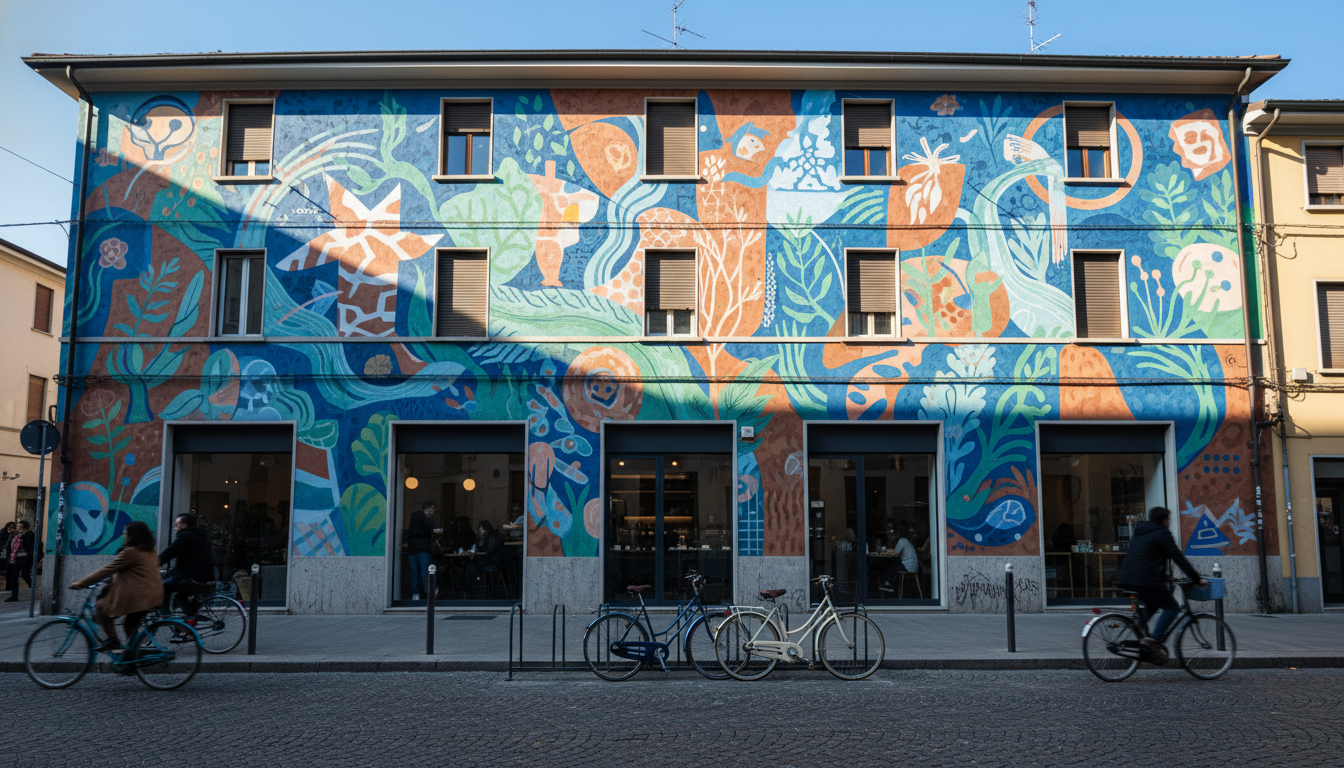 Street art mural covering an entire building facade in Bolognina, with a modern coffee shop at stree
Why Home Swappers Should Consider Bolognina
My most recent Bologna swap was here, and I'll admit I was skeptical. The photos looked great—a renovated loft in a former factory, exposed brick, the works—but I'd read enough about the neighborhood's "transitional" status to have reservations.
I was wrong to worry.
Bolognina in 2024 is a revelation. Yes, there are still some grittier blocks (mostly near the station), but the core around Via Matteotti and Piazza dell'Unità has become a hub for independent restaurants, craft cocktail bars, and the kind of third-wave coffee shops that would feel at home in Portland.
The home swap opportunities here are fantastic. You'll find larger apartments than in centro storico—often with outdoor space, which is gold in Bologna—and hosts who are genuinely excited to share their neighborhood's hidden gems. My host left me a hand-drawn map of her favorite spots, including a Moroccan restaurant that served the best couscous I've ever had outside of Marrakech.
Bolognina Practicalities
Getting to centro storico takes about 15 minutes on foot or 5 minutes by bus (lines 27, 28). The neighborhood has excellent grocery options, including a daily market on Via Albani where you can buy produce directly from Emilian farmers.
One thing to know: Bolognina is diverse in a way that centro storico isn't. It's home to significant Chinese, North African, and South Asian communities, which means incredible food options but also occasional cultural tensions that locals are still navigating. If you're looking for "traditional" Bologna, this isn't it. If you want to see where the city is heading, there's no better place.
Santo Stefano: Elegant Bologna for Discerning Swappers
Santo Stefano is where Bolognesi go when they've made it.
This neighborhood stretches south from the famous Sette Chiese (Seven Churches) complex toward the hills. The streets are quieter here, the buildings better maintained, and the residents tend to be older professionals, academics, and families who've lived in the same apartments for generations.
The Santo Stefano Home Swap Experience
I've never actually swapped in Santo Stefano—the listings here are rarer and tend to go fast—but I spent a week house-sitting for a friend's colleague, and it gave me a taste of the neighborhood's appeal.
The mornings are different here. Instead of waking to student chatter and Vespa engines, you hear church bells and birdsong. The local bars have a different clientele: well-dressed nonni reading La Repubblica, mothers with strollers, the occasional priest. It's peaceful in a way that centro storico never quite achieves.
The architecture is stunning. Many buildings date to the 16th and 17th centuries, with interior courtyards, original frescoes, and views over terracotta rooftops that haven't changed in 400 years. If you're lucky enough to find a home swap here, expect high ceilings, antique furniture, and a host who takes great pride in their home.
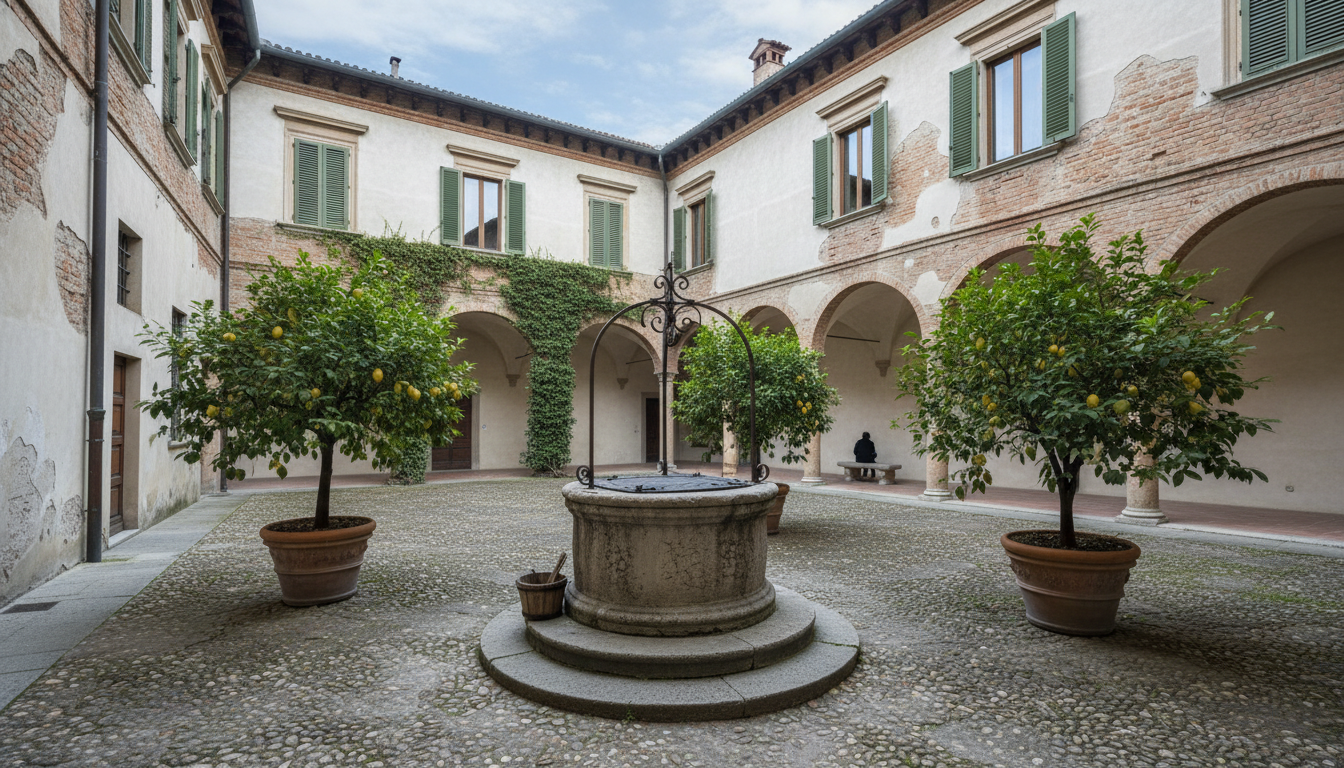 Interior courtyard of a Renaissance palazzo in Santo Stefano, with a stone well, potted lemon trees,
Is Santo Stefano Right for You?
This neighborhood suits travelers who prioritize tranquility over nightlife, who want to feel like they're living in a period film, and who don't mind a 10-15 minute walk to reach the main sights. Perfect for couples on romantic getaways, writers seeking inspiration, or anyone recovering from the sensory overload of more frenetic Italian cities.
Less ideal for solo travelers seeking social connections, families with young kids who need playgrounds (there aren't many), or anyone on a tight budget—the restaurants here skew upscale, with dinner easily running €50-70 per person ($55-77 USD).
San Donato: The Authentic Bologna Neighborhood Locals Love
Ask a Bolognese where they'd actually live—not where they'd tell tourists to stay—and many will say San Donato.
This neighborhood east of centro storico doesn't appear in most guidebooks. It's not particularly photogenic. There are no major monuments. The architecture is a mix of medieval remnants and practical 20th-century apartment blocks. But it has something the tourist areas lack: a genuine neighborhood feel where everyone knows the butcher, the barista, and the guy who runs the newsstand.
San Donato for Home Swappers
I stumbled onto San Donato during my third Bologna visit, when a last-minute centro storico cancellation forced me to find an alternative. The only available swap was a modest two-bedroom near Porta San Donato, one of the old city gates.
Best accident of my traveling life.
Within two days, the owner of the corner bar knew my coffee order. The vegetable vendor started setting aside the good tomatoes when she saw me coming. I found a tiny trattoria—no sign, no menu, just whatever Nonna felt like cooking that day—that served me the best tortellini in brodo I've ever tasted for €8 ($8.75 USD).
San Donato homes tend to be larger and more family-friendly than centro storico options. Many have balconies or small gardens, and the neighborhood has actual parks where kids can run around. The trade-off is a 20-25 minute walk to Piazza Maggiore, though buses run frequently.
San Donato Insider Tips
The Thursday morning market on Via San Donato is legendary among locals. Arrive before 9 AM for the best selection of Parmigiano-Reggiano, fresh pasta, and seasonal produce. The prices are roughly half what you'd pay at the tourist-oriented Mercato delle Erbe in centro storico.
For dinner, skip the places with English menus. Look for the ones where the average customer age is 65+. That's where you'll find authentic Bolognese cooking at prices that haven't been inflated for visitors.
Saragozza: Where Bologna Meets the Hills
Saragozza is Bologna's gateway to the Colli Bolognesi—the hills that rise dramatically south of the city. The neighborhood follows Via Saragozza from the centro storico all the way to the Santuario della Madonna di San Luca, a baroque basilica perched on a hilltop and connected to the city by the world's longest portico (3.8 kilometers, 666 arches).
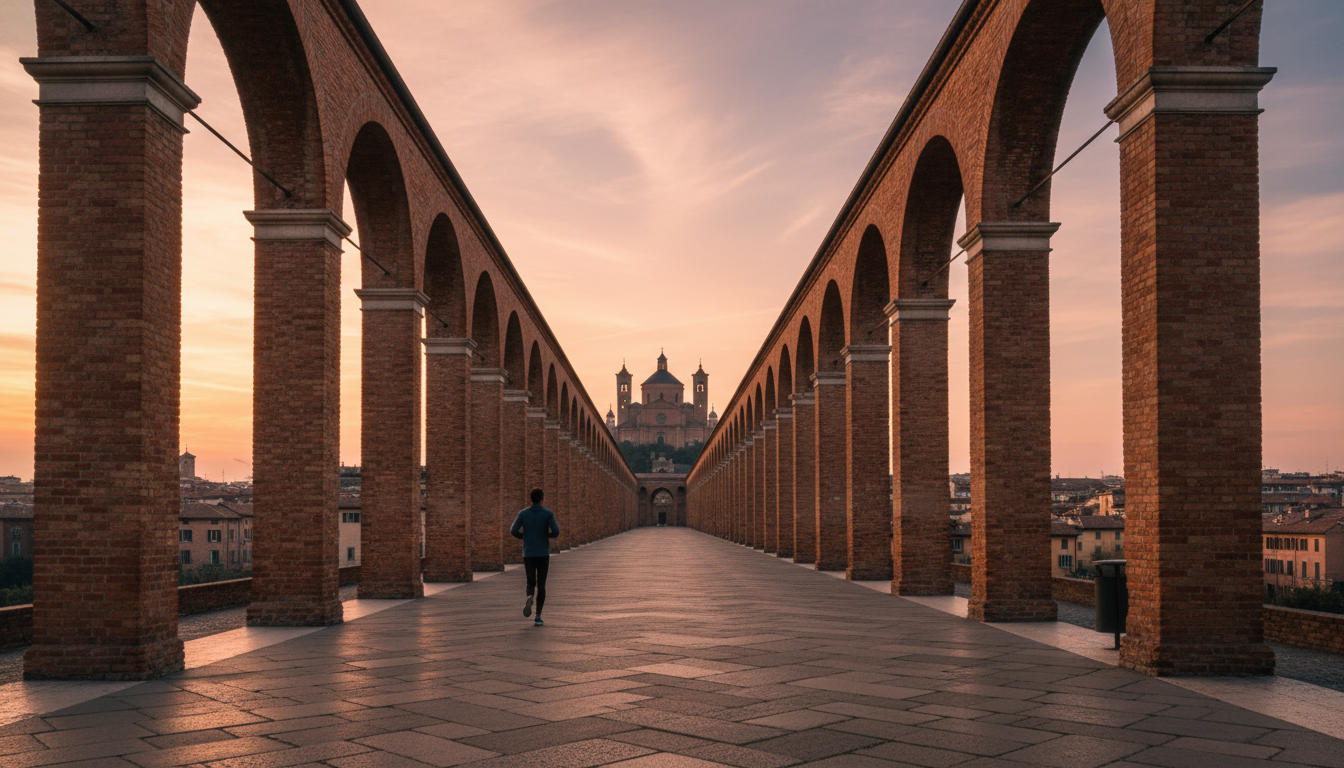 The famous portico leading to San Luca at sunset, with the basilica silhouetted against pink and ora
The Saragozza Lifestyle
Home swapping in Saragozza means choosing between two very different experiences.
The lower part of the neighborhood, near Porta Saragozza, is urban and walkable—essentially an extension of centro storico with slightly lower prices and fewer tourists. The upper reaches, climbing toward San Luca, are suburban and car-dependent but offer something rare in Bologna: space, quiet, and views.
I've done one swap in lower Saragozza, in a converted artist's studio near the Certosa cemetery. (Sounds morbid but it's actually one of Bologna's most beautiful spots—think Père Lachaise with better weather.) The location was perfect for morning runs up the portico to San Luca, a tradition among Bolognesi that I've now adopted on every visit.
Upper Saragozza swaps are trickier. You'll need a car or be prepared to rely on infrequent buses. But if you're looking for a villa with a garden, a pool, or genuine countryside tranquility within 20 minutes of the city center, this is where to search.
Saragozza Costs
Lower Saragozza has prices comparable to centro storico, maybe 10% lower. Upper Saragozza varies wildly—you might find a simple apartment or a palatial estate, and the local amenities depend entirely on your exact location. Budget €30-50 per person for dinner in the lower neighborhood, potentially more if you're dining at one of the hill restaurants with panoramic views.
Pratello: Bologna's Party Neighborhood
I'm going to be honest with you: Pratello isn't for everyone.
This strip of bars, clubs, and late-night eateries along Via del Pratello is Bologna's nightlife epicenter. On weekend nights, the street fills with university students, young professionals, and tourists looking for cheap drinks and loud music. The energy is infectious if you're in the mood. Exhausting if you're not.
Should You Home Swap in Pratello?
Probably not, unless you're specifically here for the nightlife and don't mind sleeping until noon.
The apartments along Via del Pratello itself are noisy—I'm talking bass-vibrating-through-walls noisy—until 3 or 4 AM on weekends. The side streets are better, and there are some genuinely lovely historic buildings in the broader Pratello zone, but you'll want to ask your potential swap host very specific questions about noise levels.
That said, Pratello has its charms during the day. The street hosts a small morning market, and there are excellent budget restaurants serving everything from traditional Bolognese to pan-Asian fusion. It's also extremely central—Piazza Maggiore is a 5-minute walk—which makes it convenient if you can handle the nocturnal chaos.
Marconi: The Practical Choice for Bologna Home Exchange
Marconi, the neighborhood surrounding Bologna's main train station, gets a bad rap. The immediate station area is chaotic, sure—the usual mix of commuters, tourists, and characters you find around any major European transit hub.
But venture a few blocks in any direction, and Marconi reveals itself as a practical, affordable, and surprisingly pleasant place to base a home swap.
Marconi Advantages for Travelers
The obvious benefit is transport connectivity. Bologna Centrale is one of Italy's most important rail hubs, with high-speed trains to Milan (1 hour), Florence (35 minutes), Rome (2 hours), and Venice (1.5 hours). If your Bologna trip includes day trips—and it should—Marconi makes logistics effortless.
The neighborhood also has excellent everyday amenities: large supermarkets, pharmacies, banks, and services that can be harder to find in the medieval tangle of centro storico. Prices are reasonable, and the restaurant scene, while not as trendy as Bolognina, includes solid traditional options and an increasing number of international cuisines.
Marconi Home Swap Tips
Look for listings on the quieter eastern side of the station, toward San Donato. Avoid anything directly on Via dell'Indipendenza, the main thoroughfare connecting the station to centro storico—it's loud and lacks neighborhood character.
I'd recommend Marconi for practical travelers who prioritize convenience over atmosphere, families who need easy access to trains, and anyone planning extensive day trips from Bologna.
How to Choose the Right Bologna Neighborhood for Your Home Swap
After five swaps and countless visits, here's my honest breakdown:
Centro Storico: First-time visitors, want everything walkable, don't mind noise, prefer convenience over space.
Bolognina: Repeat visitors, into contemporary culture, want more space, don't mind being slightly outside the historic core.
Santo Stefano: Elegance and tranquility are priorities, traveling as a couple, have flexible timing to snag rare listings, nightlife isn't important.
San Donato: Want authentic local life, traveling with family, value community connection, don't mind a longer walk to major sights.
Saragozza: Runners or hikers, want easy hill access, prefer a residential vibe, or looking for a villa with outdoor space.
Pratello: Here to party, in your 20s, can sleep through anything, want the cheapest central option.
Marconi: Using Bologna as a base for regional exploration, prioritize practical amenities, don't need neighborhood charm.
Making Your Bologna Home Swap Work
A few final thoughts from someone who's learned these lessons the hard way.
Communicate with your host about noise. Italians have different thresholds for what counts as "quiet," and Bologna is a university city with a culture of late nights. If sleep matters to you, ask specific questions.
Consider the season. Bologna in July and August is hot—like, really hot—and many residents flee to the coast or mountains. Air conditioning isn't universal, so check before you commit to a summer swap. Spring and fall are ideal.
Don't underestimate the porticoes. These covered walkways mean you can explore Bologna in any weather, but they also mean some apartments feel darker than you'd expect. Ask about natural light if that matters to you.
Leave time for the hills. Whatever neighborhood you choose, make sure you can easily reach the Colli Bolognesi. A sunset at San Luca, an afternoon in the wine villages of Valsamoggia, a hike through the Parco dei Gessi—these experiences are as essential to Bologna as tortellini and mortadella.
And finally? Trust the process. I've never had a bad home swap in Bologna, even when the neighborhood wasn't what I expected. There's something about this city—the warmth of the people, the quality of the food, the beauty of those endless porticoes—that makes every corner worth exploring.
Bologna rewards the curious. It always has.
Frequently Asked Questions
What is the best neighborhood in Bologna for home swapping?
It really depends on what you're after. Centro Storico offers walkability and iconic sights, while Bolognina provides trendier, more spacious options. San Donato delivers authentic local life, and Santo Stefano suits travelers seeking elegance and tranquility. First-time visitors typically prefer Centro Storico for convenience—but honestly, I've loved every neighborhood I've stayed in.
Is Bologna safe for home exchange travelers?
Bologna is one of Italy's safest cities for home exchange travelers. All neighborhoods in this guide are generally safe, though standard urban precautions apply near the train station at night. The SwappaHome community includes verified members with reviews, which helps you connect with trustworthy hosts throughout the city.
How much can I save with home swapping in Bologna vs hotels?
Home swapping in Bologna can save you €100-200 ($110-220 USD) per night compared to central hotels. A decent centro storico hotel runs €150-250 nightly, while SwappaHome's credit system means accommodation costs you nothing beyond your membership. Over a week-long stay, that's €700-1,400 in savings—which buys a lot of tortellini.
How far in advance should I book a Bologna home swap?
For popular neighborhoods like Centro Storico and Santo Stefano, book 2-3 months in advance during peak season (April-June, September-October). Bolognina and San Donato have more availability with 4-6 weeks notice. Summer months (July-August) have fewer listings as locals vacation.
Can I find family-friendly home swaps in Bologna?
Absolutely. San Donato and Saragozza are particularly good for families—larger apartments, outdoor spaces, nearby parks, quieter streets. When searching, filter for properties specifying child-friendly amenities and ask hosts about playground proximity. I've seen some beautiful family setups in these neighborhoods.

Published by
SwappaHome
SwappaHome Editorial Team
Home Exchange & Slow Travel Editorial
The SwappaHome Editorial Team brings together travel research, home-exchange community insights, and platform data to produce practical guides for first-time and experienced home swappers. Every article cites real platforms, current market rates, and verifiable city-level facts so readers can make informed decisions without guessing.
Ready to try home swapping?
Join SwappaHome and start traveling by exchanging homes. Get 7 free credits when you sign up!
Related articles
Bachelor and Bachelorette Parties in Singapore: The Complete Home Swap Group Guide for 2026
Planning a bachelor or bachelorette party in Singapore? Discover how home swapping lets groups of 6-12 stay together in luxury condos, saving thousands while partying in Marina Bay.
Cycling in Lisbon: 7 Home Swap Bike Tour Itineraries for Every Rider
Discover the best cycling routes in Lisbon with these home swap bike tour itineraries—from waterfront paths to hilltop adventures, all starting from your borrowed home.
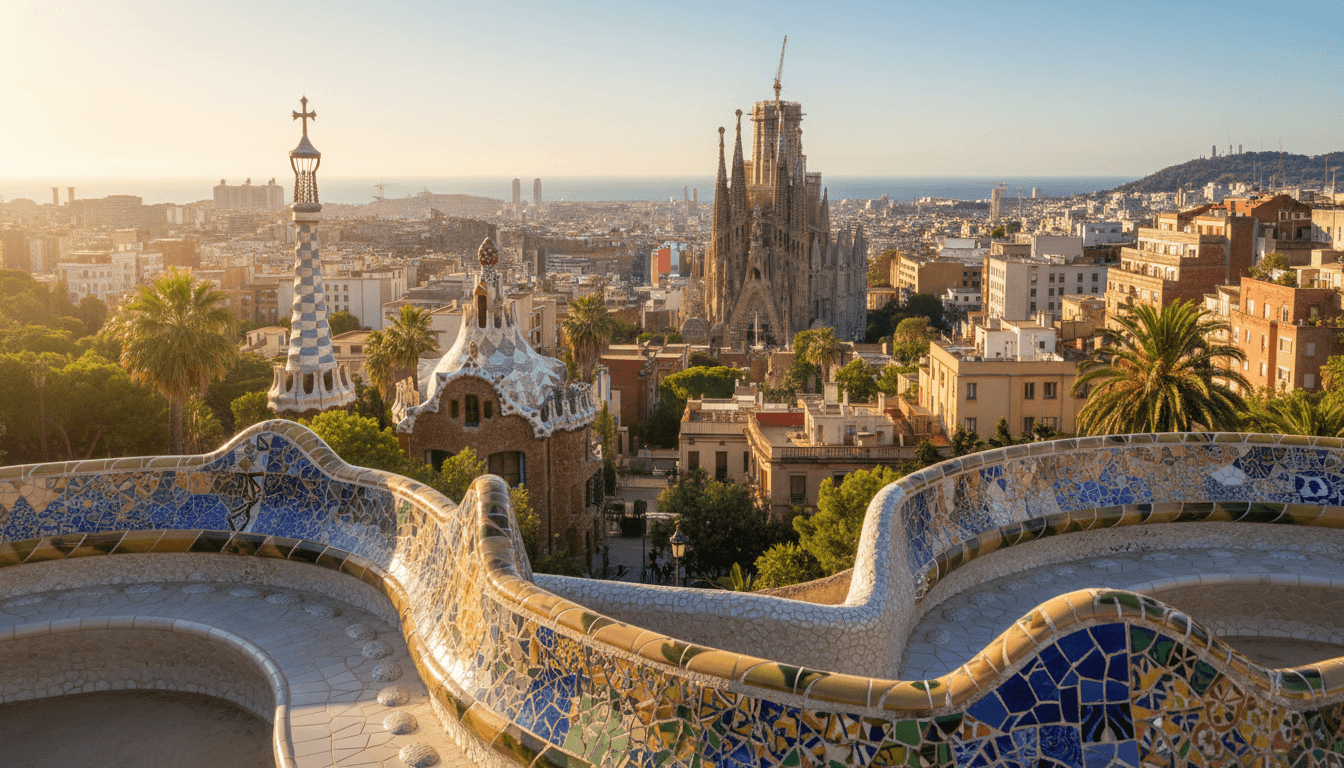
Graduation Trip to Barcelona: How Home Swapping Gives New Graduates the Ultimate Celebration
Planning a graduation trip to Barcelona? Discover how home swapping lets new graduates explore Spain's most vibrant city without the hostel crowds or hotel costs.