Cape Town Festivals and Events: Your Complete Home Swap Planning Calendar for 2026

SwappaHome Editorial Team
Home Exchange & Slow Travel Editorial
Plan your Cape Town home swap around the city's best festivals and events. Month-by-month guide to timing your exchange for jazz, food, wine, and culture.
The moment the Cape Doctor wind finally dies down in December and summer crowds flood Camps Bay Beach, something clicks: Cape Town operates on its own calendar. This isn't a city where you simply show up and hope for the best—the Mother City rewards those who plan around her festivals and events, especially when arranging a home swap to experience it all like a local.
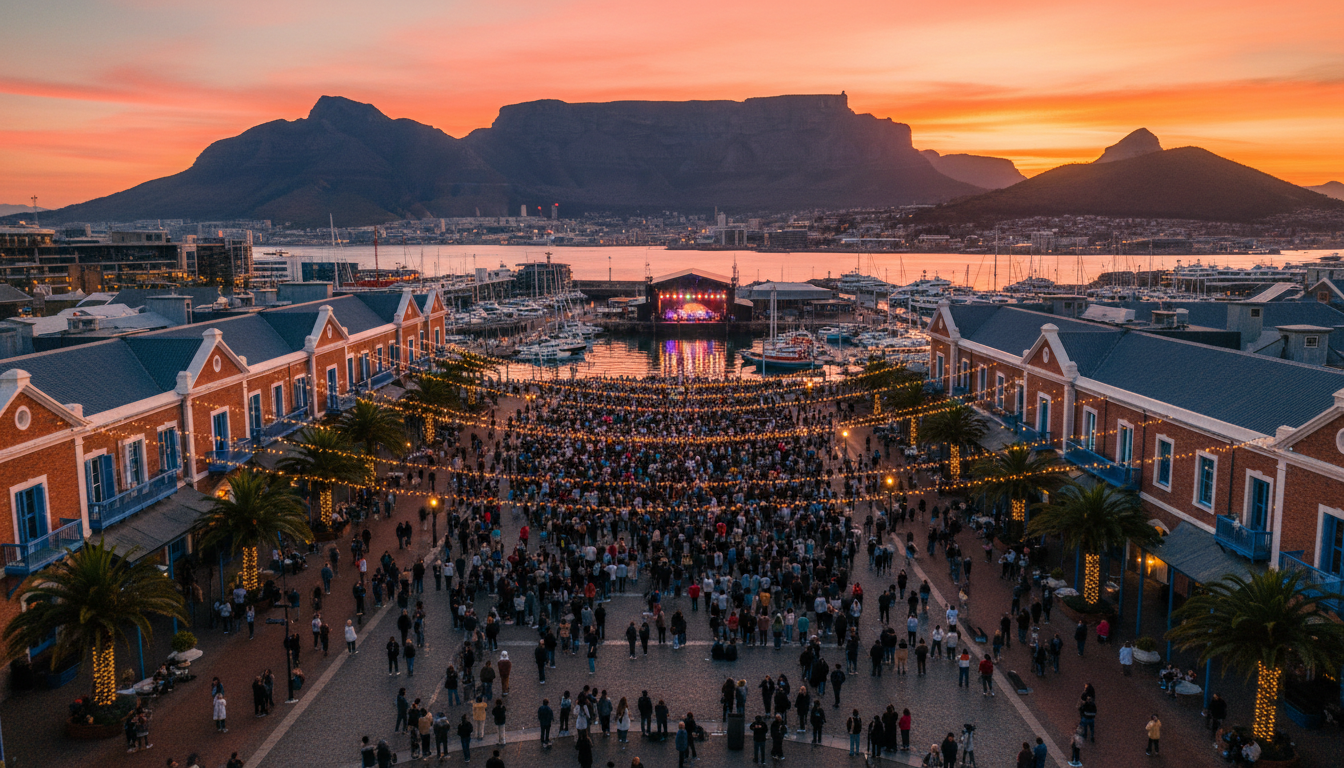 Aerial view of Cape Towns VA Waterfront during sunset with Table Mountain backdrop, crowds gathering
Here's what most travelers miss: Cape Town's event calendar creates dramatic swings in accommodation demand. During the Cape Town Jazz Festival in March, hotel rates near the Cape Town International Convention Centre spike 40-60% above normal. Meanwhile, the quiet weeks of May and early June see properties sitting empty while homeowners dream of escaping the approaching winter. For home exchange travelers, this asymmetry is pure opportunity.
A clear pattern emerges in the SwappaHome community—members listing Cape Town properties report their highest incoming request volume from December through April, with a secondary peak around specific festivals. Understanding this rhythm transforms your planning from guesswork into strategy.
Why Cape Town's Festival Calendar Shapes Your Home Swap Success
Cape Town isn't just competing with other South African cities for your attention. It's a genuine global destination that hosts events drawing visitors from São Paulo to Stockholm. The 2024 Cape Town Carnival attracted over 50,000 spectators to the Green Point Fan Walk. The Design Indaba conference brings creative professionals from 40+ countries to the CTICC each February.
This matters for your home swap planning in two critical ways.
First, Cape Town homeowners are more likely to travel during their city's off-peak months—June through August—creating abundant home exchange opportunities when you might want to experience the city's wine regions without summer crowds. Second, if you're targeting a specific festival, you'll need to initiate your swap conversation 3-4 months earlier than you might for a regular trip.
The honest truth? Most Cape Town home swap requests for peak festival periods come in too late. By the time someone decides they want to attend the Cape Town International Jazz Festival, the best home exchange matches in Sea Point and the City Bowl are already confirmed.
 Cozy interior of a Cape Malay-style home in Bo-Kaap with colorful walls, traditional furniture, and
January and February: Summer Heat, Festival Heat
Cape Town Minstrel Carnival (January 2)
The Kaapse Klopse—Cape Town's Minstrel Carnival—kicks off the year with a uniquely Cape Malay tradition that's been running since the 1800s. Thousands of performers in bright satin suits parade through the city center, playing banjos and singing traditional songs.
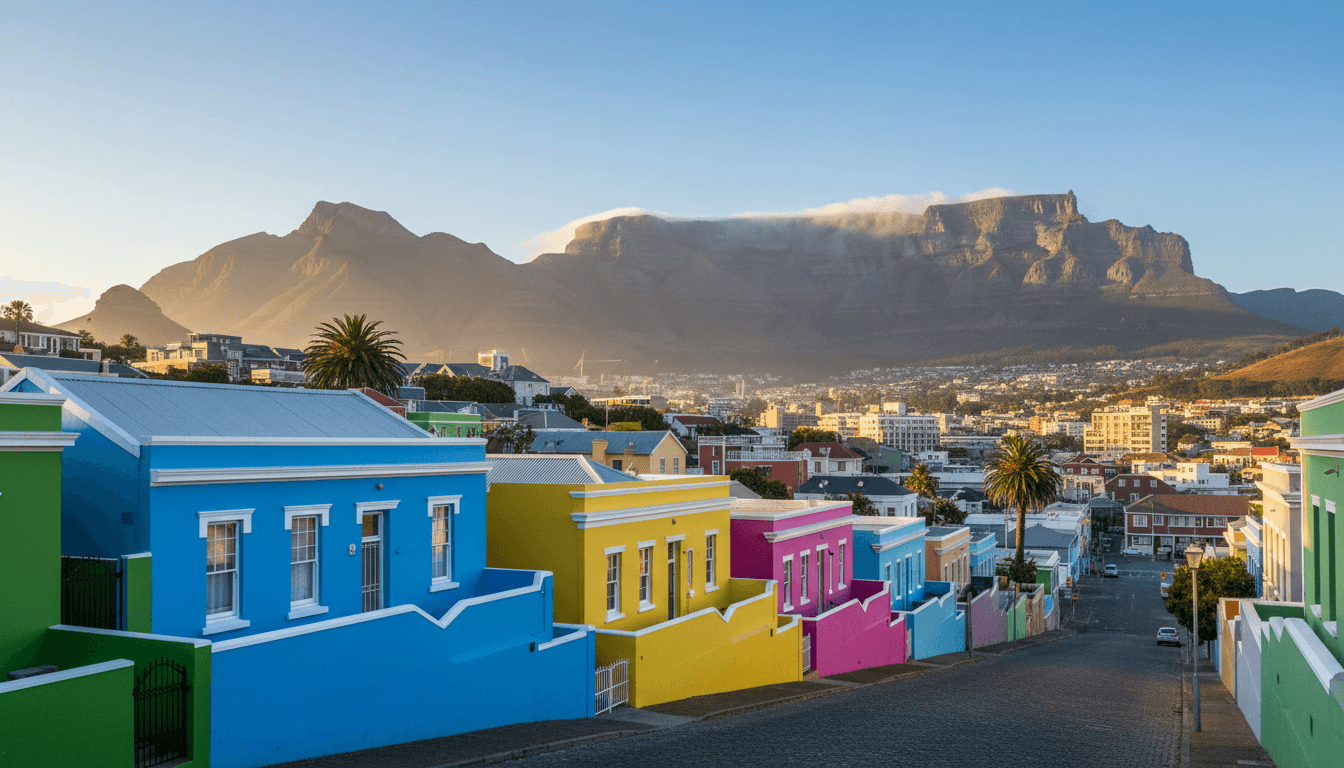
For home swappers, this is an insider event. Most tourists don't know it exists, but it transforms the Bo-Kaap and District Six neighborhoods into living celebrations. A home swap in the Bo-Kaap during this period puts you steps from the action—and these colorful heritage homes rarely appear on hotel booking sites.
Typical Bo-Kaap home swap properties: 2-3 bedroom Victorian cottages, often with steep staircases and compact kitchens, but unbeatable location. Expect to offer your home during a period your swap partner actually wants—European summer or American fall holidays work well.
Design Indaba (Late February)
Creatives descend on the CTICC for three days of talks, workshops, and exhibitions. The conference attracts around 3,000 attendees, but the surrounding "Fringe" events spread across the city—pop-up galleries in Woodstock, maker markets in the Old Biscuit Mill, design walks through the East City Precinct.
Home swap strategy: Target the Woodstock neighborhood, where converted warehouse apartments put you in the creative epicenter. These industrial-chic spaces—exposed brick, high ceilings, rooftop views of Devil's Peak—appeal to the design crowd and often belong to homeowners who travel frequently for work.
Woodstock listings typically request swaps to European design capitals: Copenhagen, Amsterdam, Milan. If you're based in a creative hub, your exchange proposal becomes much more attractive.
March: The Jazz Festival and Harvest Season
Cape Town International Jazz Festival (Late March)
Africa's largest jazz festival takes over the CTICC with 40+ artists across five stages over two days. Past lineups have included Lauryn Hill, Gregory Porter, and South African legends like Hugh Masekela. Tickets run R850-R1,500 (roughly $45-80 USD), but the real expense is accommodation.
During Jazz Fest weekend, hotel rooms within walking distance of the convention center—Green Point, Waterfront, De Waterkant—command R3,500-R6,000 per night ($190-325 USD). A home swap eliminates this entirely.
 Jazz musicians performing on an outdoor stage at night, Cape Town city lights visible behind them, d
The strategic play: Many Cape Town jazz enthusiasts own property but prefer attending the festival as day visitors rather than hosting guests during the chaos. They're actively looking to travel during this period. If you can offer a swap during their preferred travel window—often Easter in Europe or spring break in North America—you've got leverage.
Neighborhood recommendations for Jazz Fest:
- Green Point: 15-minute walk to CTICC, quieter than the Waterfront, excellent running promenade along Beach Road
- De Waterkant: Cape Town's historic LGBTQ+ neighborhood, now gentrified with boutique cafes and galleries, 10-minute walk to the venue
- Sea Point: Slightly further (20-minute walk or quick Uber), but better value and excellent restaurant scene along Main Road
Franschhoek Literary Festival (Mid-May) — Planning Starts Now
Wait, why mention a May festival in the March section? Because the Franschhoek Literary Festival, held in the Cape Winelands about 75 kilometers from Cape Town, requires early planning for home swappers.
The town of Franschhoek has maybe 20 hotels and guesthouses total. During the literary festival, they're fully booked months in advance. But the town also has a significant population of part-time residents—wealthy Cape Towners and international owners who use their wine estate cottages seasonally.
These properties occasionally appear on home exchange platforms, but the window is narrow. Start your search in March for a May festival swap. The payoff: waking up surrounded by vineyards, walking to author talks at the Franschhoek Wine Tram station, and paying nothing for accommodation that would otherwise cost R2,500-4,000 per night ($135-215 USD).
April: Autumn Gold and Shoulder Season Opportunity
Cape Town Cycle Tour (Early March) and Its Aftermath
The world's largest individually timed cycling event wraps up in March, but April brings the perfect cycling weather without the event chaos. The 109-kilometer route around the Cape Peninsula remains rideable, and the autumn light turns the Constantia vineyards golden.
This is shoulder season—the sweet spot for home swapping in Cape Town. Homeowners who hosted during summer are ready to travel. Demand from incoming visitors drops. Your swap proposal faces less competition.
A common pattern: Cape Town members list their homes in April specifically seeking swaps to the Northern Hemisphere as spring arrives there. If you're based in Barcelona, Lisbon, or the California coast, your April availability becomes highly attractive.
Two Oceans Marathon (Easter Weekend)
One of the world's most scenic ultramarathons (56km) draws 16,000 runners through Cape Point Nature Reserve, Chapman's Peak Drive, and Constantia. The half-marathon adds another 10,000 participants.
For non-runners, this weekend transforms certain neighborhoods. Chapman's Peak closes to traffic, making the Atlantic Seaboard unusually quiet. Constantia fills with post-race celebrations at wine estates like Groot Constantia and Beau Constantia.
Home swap tip: Runners often travel with families who don't participate. A home swap in Constantia—Cape Town's oldest wine-producing region, just 20 minutes from the city center—appeals to these groups. Properties here tend to be larger, with gardens and pools, perfect for families recovering from early race-day wake-ups.
 Runners along Chapmans Peak Drive during Two Oceans Marathon, dramatic ocean cliffs and Hout Bay vis
May Through August: Winter Strategy for Smart Swappers
Cape Town Winter: The Overlooked Opportunity
Here's a perspective shift most travel guides won't give you: Cape Town's winter (May-August) offers legitimate advantages for home swappers willing to embrace the season.
Yes, it rains. Average rainfall in June hits 93mm compared to just 15mm in January. But the rain typically falls in intense bursts followed by crisp, clear days. Table Mountain without the summer crowds? That happens in July. Whale watching season peaks from June through November as Southern Right whales migrate to the Walker Bay coast.
The home swap math gets interesting here. Cape Town homeowners desperately want to escape winter. They're seeking swaps to Australia (summer there), Southeast Asia (dry season), or anywhere with guaranteed sunshine. Your home—wherever it is—becomes more attractive simply by not being in Cape Town during June.
Winter months see the highest acceptance rates for incoming Cape Town swap requests. Homeowners are motivated.
Franschhoek Bastille Festival (July)
Franschhoek's French Huguenot heritage comes alive during this mid-winter festival. The main street closes for food stalls, wine tastings, and live music. Restaurants like Le Quartier Français and La Petite Colombe offer special menus.
Winter rates in Franschhoek drop 30-40% from summer peaks, but availability remains tight during Bastille weekend. A home swap here during July requires planning from March or April.
The festival runs Saturday only, making it feasible as a day trip from a Cape Town base—but the wine valley atmosphere on a crisp winter evening, with fireplaces lit in stone cottages and vineyards dormant around you, argues for staying over.
Cape Town International Film Market and Festival (July-August)
The CTIFMF screens 100+ films across venues including the Labia Theatre on Orange Street (Cape Town's oldest independent cinema) and various pop-up locations. Industry events attract African filmmakers and international buyers.
For culture-focused travelers, this festival offers a different Cape Town experience—less beach, more intellectual stimulation. The City Bowl neighborhood, particularly the areas around Kloof Street and Long Street, becomes the social hub. Home swaps in this area put you within walking distance of most screenings and the late-night discussions that follow.
September Through November: Spring Awakening
Cape Town Flower Season (August-September)
The West Coast wildflower bloom—one of the world's great natural spectacles—peaks about an hour's drive north of Cape Town. Fields of orange, purple, and white Namaqualand daisies carpet the landscape, but only for a few weeks depending on winter rainfall.
This is day-trip territory from a Cape Town base, but some home swappers target properties in Darling or Langebaan for full immersion. These small towns have limited accommodation, making home exchange particularly valuable.
 Endless field of orange Namaqualand daisies stretching to the horizon, single dirt road cutting thro
Open Book Festival (September)
Cape Town's literary festival takes over the Company's Garden and surrounding venues for a week of author talks, book launches, and literary walks. Unlike Franschhoek's more intimate affair, Open Book is urban, accessible, and free for many events.
The festival coincides with the tail end of Cape Town's rainy season, meaning unpredictable weather but thinner tourist crowds. Home swaps in the City Bowl or Gardens neighborhoods—walking distance to the Company's Garden—maximize your festival experience.
Rocking the Daisies (October)
South Africa's largest outdoor music festival happens in Darling, about 75 kilometers from Cape Town. The three-day camping festival draws 20,000+ attendees for rock, electronic, and local acts.
Most attendees camp on-site, but some prefer a comfortable base. A home swap in Cape Town with a car allows you to experience the festival during the day and retreat to a real bed at night. The drive takes about an hour, making it feasible if you're not committed to the full camping experience.
December: Peak Season Planning
Mother City Queer Project (December)
Africa's largest LGBTQ+ costume party transforms a venue (location varies annually) into a celebration of creativity and community. Tickets sell out months in advance, and the event draws international visitors specifically.
The MCQP crowd tends to stay in De Waterkant, Sea Point, and Green Point—Cape Town's historically LGBTQ+-friendly neighborhoods. Home swaps in these areas during December require early planning (start in August) but connect you with a community that values authentic local experiences over hotel anonymity.
New Year's Eve at the V&A Waterfront
Cape Town's Waterfront hosts one of the Southern Hemisphere's largest New Year's celebrations. Fireworks over Table Bay, live music across multiple stages, and crowds that make Times Square look manageable.
Here's the insider knowledge: most Cape Town locals avoid the Waterfront on New Year's Eve. They watch the fireworks from Signal Hill, Bloubergstrand (with Table Mountain as backdrop), or private rooftops. A home swap with a view—and there are many in the City Bowl and Atlantic Seaboard—offers the celebration without the crush.
December home swap reality check: This is peak demand season. Cape Town homeowners receive multiple swap requests, and they can be selective. Your proposal needs to offer genuine value—a desirable location during their preferred travel window, excellent reviews from previous swaps, and a property that matches the quality they're offering.
Month-by-Month Home Swap Strategy Summary
January-February: High demand, but homeowners are often traveling themselves during the long South African summer holiday. Mutual swaps work well.
March: Jazz Festival creates intense competition. Book 4+ months ahead. Harvest season in the Winelands offers alternatives.
April: Shoulder season gold. Motivated homeowners, lower competition, perfect weather.
May-June: Winter begins. Highest swap acceptance rates. Whale season starts.
July-August: Deep winter. Film festival and Bastille Festival offer cultural draws. Best time to propose swaps if you're offering summer destinations.
September-October: Spring flowers and literary festivals. Weather improving, crowds still manageable.
November: Pre-peak. Smart timing—summer weather without December prices.
December: Peak everything. Start planning in August. Offer premium value in your swap proposal.
Practical Considerations for Cape Town Home Swaps
Neighborhoods and Their Festival Proximity
City Bowl (Gardens, Tamboerskloof, Oranjezicht): Walking distance to CTICC events, Open Book Festival, design week activities. Mix of apartments and Victorian houses. Expect steep streets and parking challenges.
Atlantic Seaboard (Sea Point, Clifton, Camps Bay): Beach access, sunset views, 15-20 minute drive to most festival venues. Higher-end properties with pools and security.
Southern Suburbs (Constantia, Newlands, Claremont): Wine estates, leafy suburbs. Best for families and those prioritizing space over proximity.
Woodstock/Observatory: Creative energy, craft breweries, the Old Biscuit Mill market. Younger demographic, smaller apartments, excellent value.
Currency and Costs Context
The South African Rand (ZAR) fluctuates significantly against major currencies. As of early 2025, R18-19 = $1 USD. This makes Cape Town remarkably affordable for dollar, euro, or pound holders—but it also means Cape Town homeowners are highly motivated to swap for properties in stronger-currency countries.
Festival ticket prices for reference:
- Cape Town Jazz Festival: R850-R1,500 ($45-80)
- Design Indaba: R3,000-R5,000 ($160-270) for full conference
- Two Oceans Marathon entry: R800-R1,200 ($43-65)
- Most literary festival events: Free to R150 ($8)
Load Shedding Reality
South Africa's electricity grid struggles. Load shedding—scheduled power outages—affects daily life. Many Cape Town properties have inverters or generators, but not all. When arranging a home swap, ask specifically about backup power. During festivals, you don't want your phone dying before you can find your way back to your accommodation.
Getting Around During Festivals
Cape Town's public transport is limited compared to European cities. The MyCiTi bus system covers the City Bowl, Atlantic Seaboard, and airport route but doesn't reach the Southern Suburbs well. During major festivals, Uber and Bolt surge pricing kicks in.
A home swap that includes a car—common in Cape Town, where most homeowners have vehicles—transforms your festival experience. Chapman's Peak Drive, the Cape Point run, and Winelands day trips all require wheels.
Making Your Cape Town Festival Home Swap Happen
The SwappaHome community includes active Cape Town members—many of whom list their properties specifically around their own travel plans rather than festival dates. Your job is alignment: finding a homeowner whose travel desires match what you can offer, during a period that works for the festival you're targeting.
Start your search early. For peak-season festivals (Jazz Fest, December events), begin browsing Cape Town listings 4-6 months ahead. For winter festivals and shoulder-season events, 2-3 months provides adequate lead time.
Your listing matters too. Cape Town homeowners browsing potential swaps want to see detailed photos, honest descriptions, and clear availability. If you're offering a swap during European summer or American holiday periods, highlight that prominently—it's exactly what many Cape Town members seek.
The Mother City rewards those who plan. Her festivals offer experiences you won't find packaged in any tour—the spontaneous jazz session that spills out of the CTICC onto the Waterfront promenade, the wine farmer who invites you to taste barrel samples during harvest, the New Year's sunrise over Lion's Head after dancing until 4am.
A home swap puts you in the middle of it all, with a local's kitchen to recover in and a neighborhood to call your own. That's worth the planning.
Frequently Asked Questions
What is the best time of year for a Cape Town home swap?
April and November offer the optimal balance for Cape Town home swaps—pleasant weather, motivated homeowners, and lower competition than peak summer months. However, if you're targeting specific festivals like the Cape Town Jazz Festival (March) or Cape Town Carnival (March), plan your swap 4-6 months in advance to secure properties near event venues.
How far in advance should I arrange a home swap for Cape Town's peak festival season?
For December holidays and major March festivals, start your search 4-6 months ahead. Cape Town homeowners receive multiple swap requests during these periods and prioritize proposals offering desirable destinations during their preferred travel windows. Jazz Festival weekend specifically requires early action—most prime Sea Point and City Bowl properties confirm swaps by January.
Is a car necessary for attending Cape Town festivals?
For city-center events like the Jazz Festival, Design Indaba, and Open Book Festival, you can manage without a car using MyCiTi buses and ride-sharing apps. However, Winelands festivals (Franschhoek Literary Festival, Bastille Festival) and outdoor events like Rocking the Daisies require transportation. Many Cape Town home swaps include vehicle access—ask specifically when arranging your exchange.
Which Cape Town neighborhoods are best for festival-focused home swaps?
The City Bowl (Gardens, Tamboerskloof) and Green Point offer the best proximity to CTICC events and cultural festivals. Sea Point provides excellent restaurant access and beach proximity with slightly lower demand. For wine-focused festivals, consider Constantia or arrange a separate Franschhoek swap. Woodstock suits design and creative events with its gallery scene and Old Biscuit Mill proximity.
How does load shedding affect home swaps during Cape Town festivals?
Load shedding (scheduled power outages) remains a reality in South Africa. When arranging your Cape Town home swap, ask specifically about backup power—many properties have inverters or generators that maintain lights, Wi-Fi, and refrigeration during outages. Festival venues typically have backup power, but navigating home afterward during a blackout requires planning and a charged phone.

Published by
SwappaHome
SwappaHome Editorial Team
Home Exchange & Slow Travel Editorial
The SwappaHome Editorial Team brings together travel research, home-exchange community insights, and platform data to produce practical guides for first-time and experienced home swappers. Every article cites real platforms, current market rates, and verifiable city-level facts so readers can make informed decisions without guessing.
Ready to try home swapping?
Join SwappaHome and start traveling by exchanging homes. Get 7 free credits when you sign up!
Related articles
Bachelor and Bachelorette Parties in Singapore: The Complete Home Swap Group Guide for 2026
Planning a bachelor or bachelorette party in Singapore? Discover how home swapping lets groups of 6-12 stay together in luxury condos, saving thousands while partying in Marina Bay.
Cycling in Lisbon: 7 Home Swap Bike Tour Itineraries for Every Rider
Discover the best cycling routes in Lisbon with these home swap bike tour itineraries—from waterfront paths to hilltop adventures, all starting from your borrowed home.
Graduation Trip to Barcelona: How Home Swapping Gives New Graduates the Ultimate Celebration
Planning a graduation trip to Barcelona? Discover how home swapping lets new graduates explore Spain's most vibrant city without the hostel crowds or hotel costs.