Literary Cape Town: A Home Swap Guide for Book Lovers Seeking South Africa's Stories

SwappaHome Editorial Team
Home Exchange & Slow Travel Editorial
Discover Cape Town's literary treasures through home swapping—from Kloof Street bookshops to District Six's storytelling legacy. Your guide to South Africa's book lover paradise.
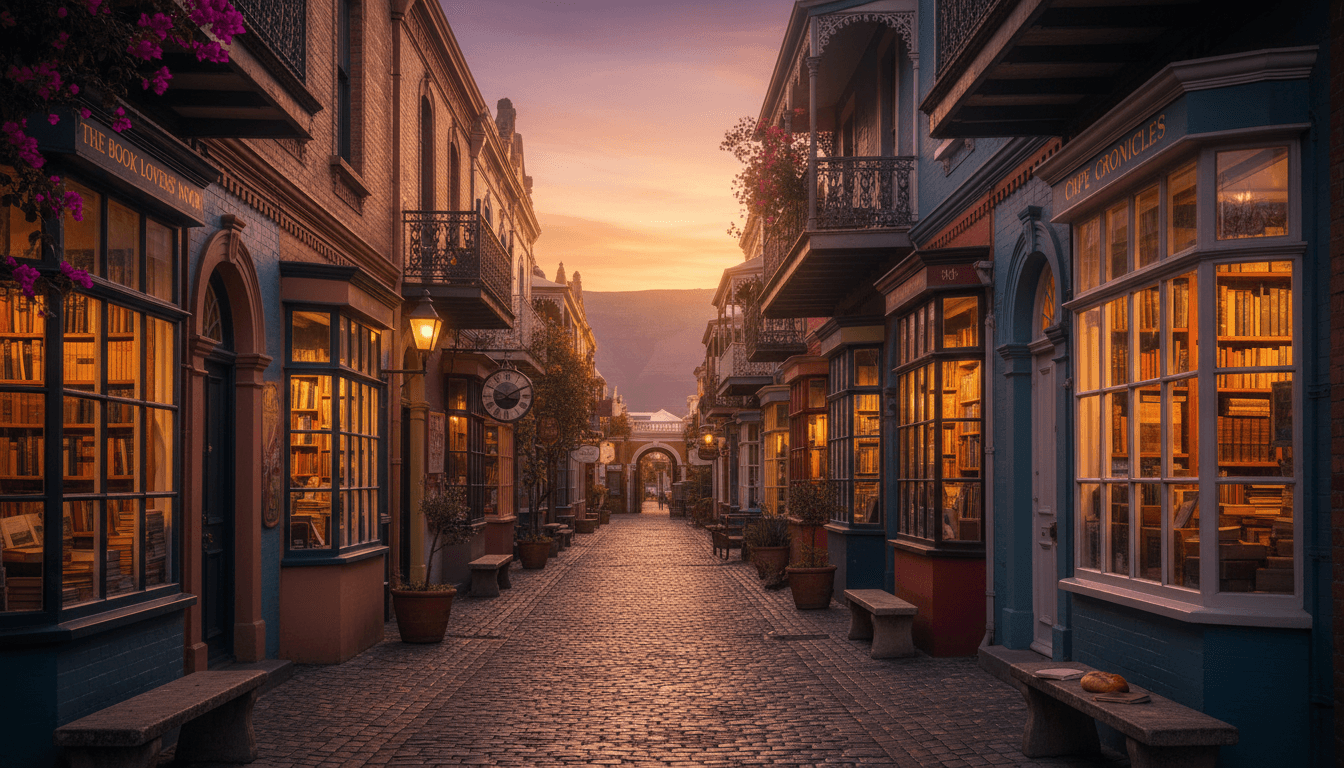
The smell of old paper and rooibos tea mingles in the air at Clarke's Bookshop on Long Street, where first editions of Nadine Gordimer share shelf space with contemporary Deon Meyer thrillers. For book lovers considering a home swap in Cape Town, this kind of moment—standing in a century-old bookshop while Table Mountain looms through the window—is exactly why South Africa's Mother City has become a pilgrimage site for literary travelers.
Cape Town's literary scene isn't just about bookshops, though the city has plenty of those. It's about walking the streets that inspired J.M. Coetzee's Nobel Prize-winning prose, sipping wine in the Winelands where Wilbur Smith set his sagas, and understanding how a city's painful history transformed into some of the most powerful writing of the 20th century. A home swap here puts you in the neighborhoods where these stories live and breathe—not in a sterile hotel room along the V&A Waterfront, but in a Woodstock Victorian with a library nook or a Sea Point flat where the previous resident left their collection of South African poetry on the bedside table.
 Clarkes Bookshop interior on Long Street with floor-to-ceiling wooden shelves filled with South Afri
Why Cape Town Draws Literary Travelers Worldwide
Cape Town has produced more literary giants per capita than almost any city in the Southern Hemisphere. Two Nobel laureates in literature—J.M. Coetzee and Nadine Gordimer (who spent significant time here)—called this place home. Add Booker Prize winners like Damon Galgut, whose The Promise captured the complexities of post-apartheid South Africa, and you begin to understand why the city pulses with narrative energy.
But the literary magnetism runs deeper than awards. Cape Town's history is layered with stories that demanded to be told: the forced removals of District Six, the resistance poetry written in prison on Robben Island, the emergence of a free press after 1994. Walking through the Bo-Kaap's cobblestone streets or along the Sea Point Promenade, you're tracing the footsteps of writers who turned trauma into art and hope into prose.
For book lovers, staying in a Cape Town home through a swap arrangement means accessing these neighborhoods authentically. SwappaHome members in Cape Town often note that their homes come with built-in literary recommendations—the host's bookshelf becomes your reading list, their favorite café becomes your writing spot.
Best Cape Town Neighborhoods for a Literary Home Swap
Gardens and Oranjezicht: Where Writers Retreat
Nestled against the slopes of Table Mountain, the Gardens neighborhood has long attracted Cape Town's creative class. The Company's Garden—South Africa's oldest cultivated garden—provides the kind of peaceful walking paths that writers crave. Home swaps in this area typically feature Victorian-era homes with deep verandas perfect for reading, and you're walking distance from the Iziko South African National Gallery, which houses significant literary archives.
Oranjezicht, just above Gardens, offers even more seclusion. Properties here often have mountain-facing terraces where you can read as the sun sets over Lion's Head. The Saturday Oranjezicht City Farm Market brings the neighborhood together—and yes, there's usually a secondhand book stall tucked between the organic vegetables and artisanal breads.
Home swap opportunities in Gardens tend to go quickly during the Southern Hemisphere summer (November through February). The neighborhood's proximity to the city center and its established literary infrastructure make it highly sought after.
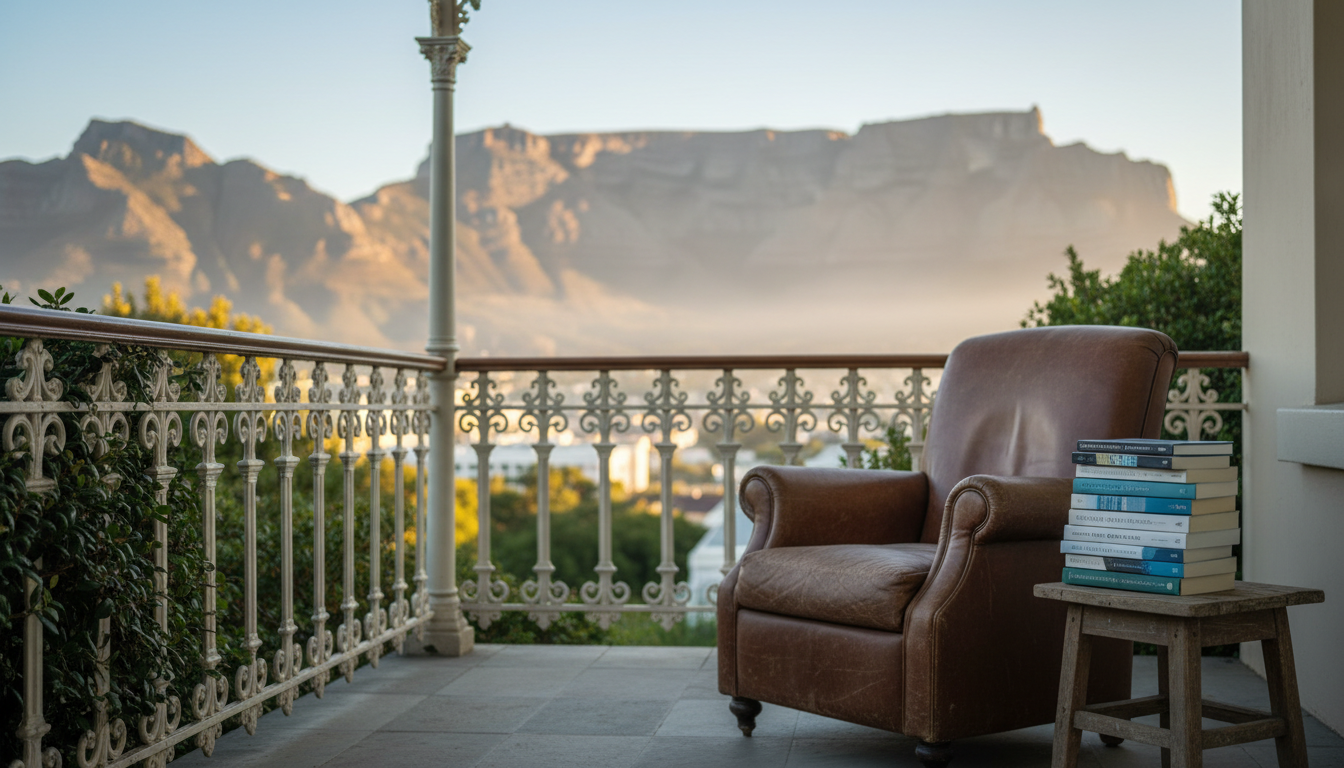 A Victorian veranda in Gardens neighborhood with a worn leather reading chair, stack of South Africa
Woodstock: The Literary Neighborhood in Transition
Woodstock has transformed from a working-class industrial area into Cape Town's creative heart. The Old Biscuit Mill, a converted factory complex, hosts the city's most vibrant weekend market—but it's also home to small publishers, design studios, and the kind of independent cafés where you'll find local authors nursing flat whites over manuscripts.
The neighborhood's appeal for literary travelers lies in its authenticity. Gentrification hasn't erased Woodstock's character; it's layered new stories on top of old ones. The Book Lounge, Cape Town's most beloved independent bookstore, sits on the edge of Woodstock in Roeland Street, hosting author events several nights a week. Attending a reading here—perhaps hearing a debut novelist discuss their work—offers the kind of literary immersion that no hotel concierge can arrange.
Home swaps in Woodstock often feature converted warehouse spaces with industrial windows and built-in bookshelves. The neighborhood is also significantly more affordable than the Atlantic Seaboard, making it popular among SwappaHome members seeking longer stays.
Observatory: University Town Energy
Obs, as locals call it, sits adjacent to the University of Cape Town and carries the energy of a college town. Lower Main Road buzzes with secondhand bookshops, vinyl stores, and vegetarian cafés where graduate students debate literary theory over chai lattes. The neighborhood has a slightly bohemian, lived-in feel that appeals to travelers who find polished tourist areas exhausting.
The Obz Café has been a gathering spot for writers and musicians since the 1990s. You'll find poetry readings here, open mic nights, and the occasional book launch. For literary travelers, Observatory offers immersion in Cape Town's contemporary creative scene rather than its historical one.
Home exchanges in Observatory tend toward smaller, more eclectic properties—think converted cottages with overgrown gardens and shelves of well-loved paperbacks. The neighborhood is also exceptionally walkable, with the Southern Suburbs train line providing easy access to Muizenberg and Simon's Town.
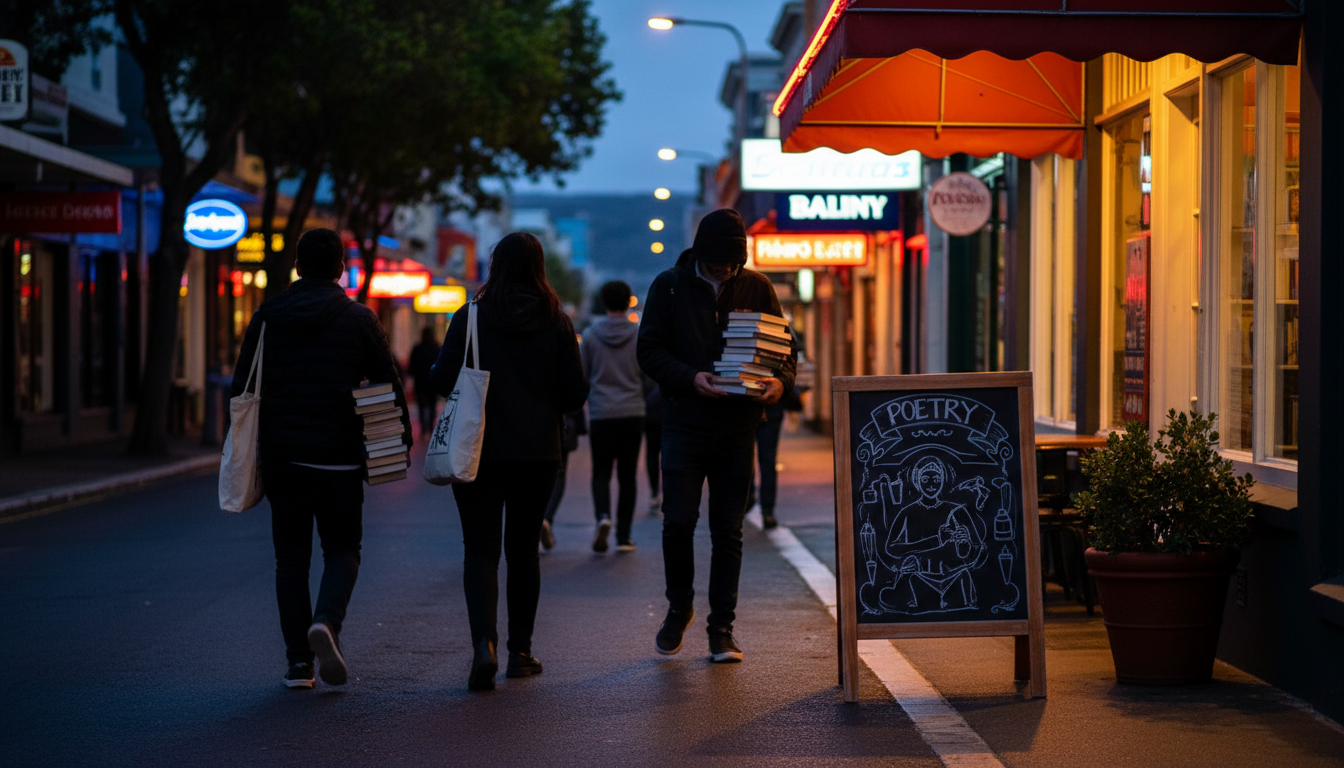 Lower Main Road in Observatory at dusk, neon signs from vintage shops glowing, pedestrians carrying
Cape Town's Essential Literary Landmarks
Robben Island: Where Mandela's Words Were Forged
No literary tour of Cape Town can skip Robben Island, the prison where Nelson Mandela spent 18 of his 27 years of imprisonment. The ferry departs from the V&A Waterfront, but this isn't a tourist attraction in any conventional sense—it's a pilgrimage to the place where some of the 20th century's most important political writing emerged.
Mandela's autobiography, Long Walk to Freedom, was partially written here, smuggled out page by page. The prison library, where inmates educated themselves and each other, became known as "Robben Island University." Today, former political prisoners lead tours, their firsthand accounts more powerful than any written history.
The smart move? Book the earliest ferry you can (departures start at 9 AM from the Nelson Mandela Gateway). The afternoon light on the return journey, with Table Mountain rising from the sea, provides time for reflection on what you've witnessed.
District Six Museum: Stories of Displacement
District Six was once Cape Town's most vibrant mixed-race neighborhood—until the apartheid government declared it a whites-only area in 1966 and forcibly removed over 60,000 residents. The District Six Museum, housed in a former Methodist church on Buitenkant Street, preserves the stories of those displaced.
For literary travelers, the museum offers something profound: the intersection of personal narrative and collective memory. Former residents have marked their old addresses on a massive floor map; their testimonies fill the walls. Writers like Richard Rive and Alex La Guma documented District Six in fiction before its destruction, and their works take on devastating new meaning after visiting this space.
The museum is open Monday through Saturday, with a suggested donation of R60 (roughly $3.30 USD). Allow at least two hours—you'll want to read everything.
The Centre for the Book
Located in the Company's Garden precinct, the Centre for the Book serves as the national center for promoting books and reading in South Africa. The building itself is architecturally significant—a Cape Dutch structure that once housed the city's first library.
The Centre hosts regular author talks, book launches, and literary festivals. Check their calendar before your trip; catching an event here connects you with Cape Town's contemporary literary community in ways that solitary bookshop browsing cannot.
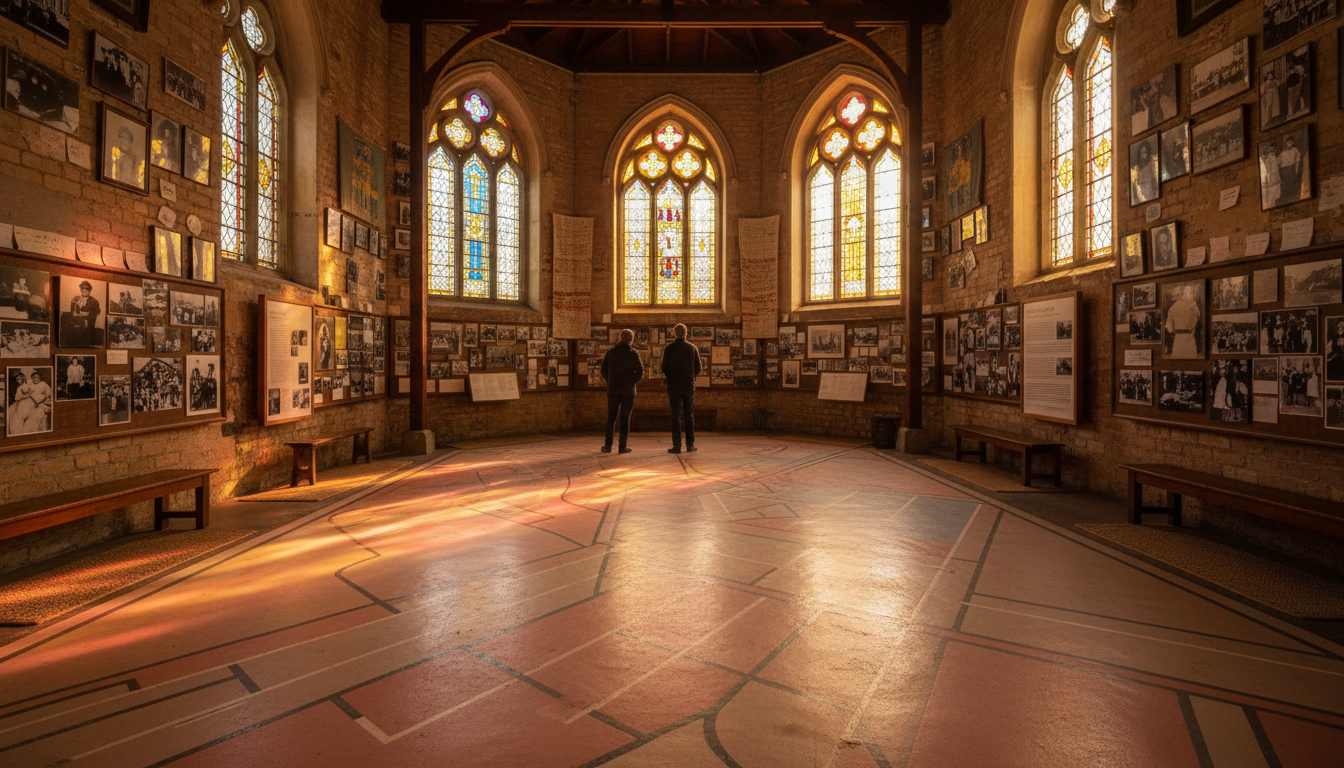 Interior of District Six Museum with the hand-painted floor map showing former street names, persona
Cape Town's Bookshops: A Literary Walking Tour
Start your morning at Clarke's Bookshop on Long Street, the oldest antiquarian bookshop in South Africa. Since 1956, Clarke's has specialized in Africana—books about and from the African continent. The staff can guide you toward rare finds, whether you're seeking a first edition of Olive Schreiner's The Story of an African Farm or contemporary South African poetry.
From Clarke's, walk down Long Street to The Book Lounge on Roeland Street (about 15 minutes on foot). This is Cape Town's literary living room—a two-story space with a café, children's section, and the best curated selection of South African writing in the city. The Book Lounge hosts 200+ events annually; their evening author talks are free and open to the public.
After lunch, take an Uber to Kalk Bay Books in the fishing village of Kalk Bay, about 30 minutes south along the coast. This secondhand bookshop occupies a converted garage with views of the harbor. The selection is eclectic and constantly rotating—you might find a pristine Penguin Classic next to a 1970s surfing manual. The village itself is worth the trip: art galleries, antique shops, and the legendary Olympia Café, where you can read over fish and chips while seals bark in the harbor below.
For poetry specifically, seek out African Sun Press in the Bo-Kaap. This small publisher specializes in South African poetry and often has readings in their intimate space. The surrounding neighborhood—with its iconic pastel houses and cobblestone streets—provides the perfect setting for reading the Cape Malay poetry that emerged from this community.
Planning Your Literary Home Swap in Cape Town
When to Visit for Book Lovers
Cape Town's literary calendar peaks during certain seasons. The Open Book Festival, held each September at various venues around the city, brings together South African and international authors for readings, discussions, and workshops. Securing a home swap during Open Book means accessing events that sell out months in advance—and having a local kitchen to retreat to between sessions.
Franschhoek Literary Festival (May) takes place in the Winelands about an hour from Cape Town. This more intimate festival pairs author talks with wine tastings in one of the world's most beautiful valleys. A home swap in Franschhoek during the festival is highly competitive, but staying in Cape Town and day-tripping works well—the drive through the Helshoogte Pass is spectacular.
For weather, Cape Town's Mediterranean climate means dry summers (December–February) and rainy winters (June–August). Here's the thing, though: winter is actually ideal for literary travelers. The rain provides perfect reading weather, accommodation is more available, and the city's indoor cultural life intensifies. Expect temperatures around 12-18°C (54-64°F) in winter—perfect for curling up with a book.
What Home Swaps in Cape Town Typically Offer
Cape Town's home exchange community skews toward creative professionals—writers, artists, academics, and filmmakers. This means the homes available for swap often come with well-stocked bookshelves, home offices suitable for writing, and hosts who understand what literary travelers need.
SwappaHome listings in Cape Town frequently mention specific features: mountain views for morning writing sessions, proximity to specific bookshops, or collections of South African literature available for guests to borrow. The platform's credit system—where hosting guests earns credits that can be spent anywhere—works well for Cape Town residents who travel frequently to European literary festivals.
Typical properties range from Sea Point apartments with ocean views (popular with international visitors) to Gardens cottages with dedicated reading nooks. Most hosts include recommendations: their favorite bookshop, their preferred café for writing, the hidden secondhand spot tourists never find.
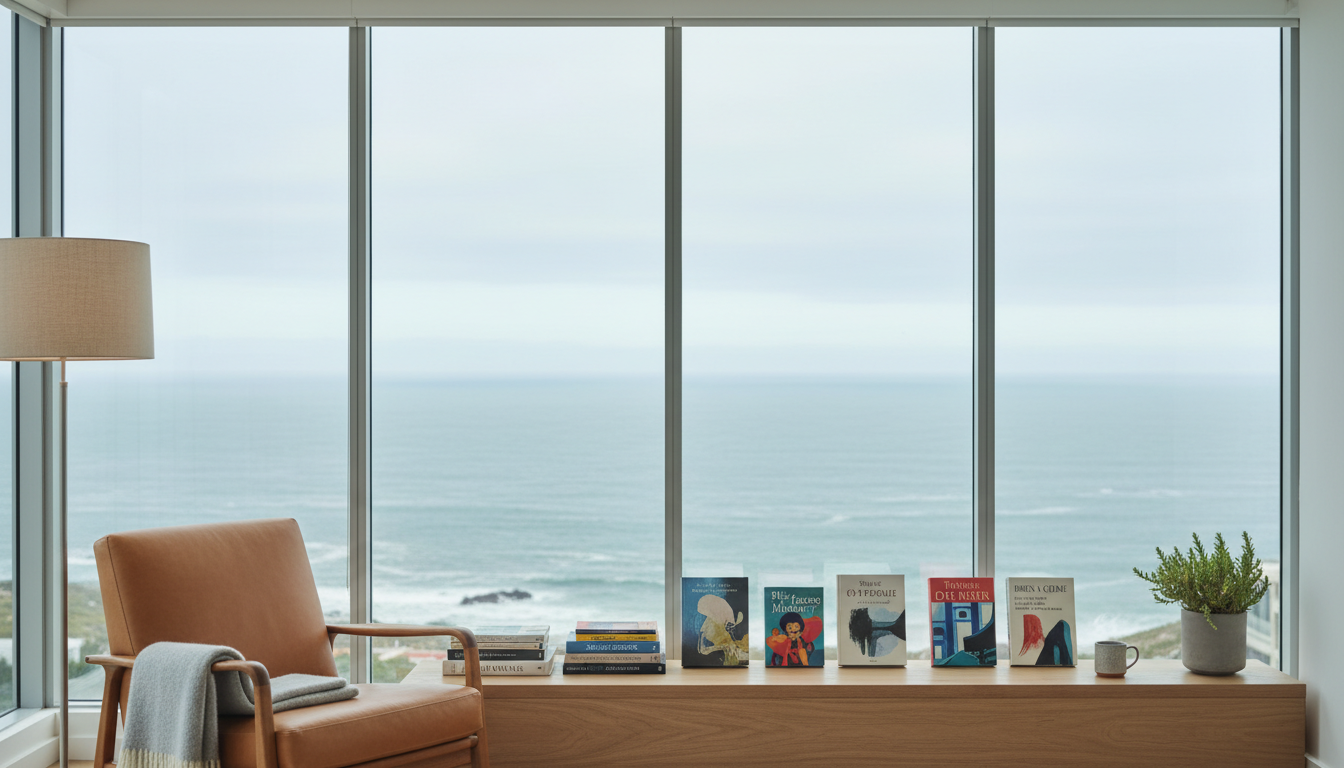 A bright Sea Point apartment interior with floor-to-ceiling windows showing the Atlantic Ocean, a re
Practical Considerations for Cape Town Visitors
South Africa uses the South African Rand (ZAR). At current exchange rates, R18-19 equals approximately $1 USD. This makes Cape Town remarkably affordable for American and European travelers—a three-course dinner at a good restaurant runs R400-600 ($22-33 USD), and bookshop purchases feel like bargains compared to London or New York prices.
The city operates on South African Standard Time (SAST), which is UTC+2. There's no daylight saving time, so the offset from US Eastern time varies from 6-7 hours depending on the season.
Getting around Cape Town requires some planning. The MyCiTi bus system covers the central city and Atlantic Seaboard well, but reaching areas like Kalk Bay or the Winelands requires either a rental car or Uber (which is widely available and affordable—expect R200-300/$11-17 for a trip to Kalk Bay from the city center). Many home swap hosts leave detailed transportation notes, including which routes are safest for walking.
Safety in Cape Town deserves honest discussion. The city has high crime rates in certain areas, but tourist-frequented neighborhoods like the City Bowl, Atlantic Seaboard, and Southern Suburbs are generally safe during daylight hours. Standard precautions apply: don't flash expensive electronics, use registered taxis or Uber at night, and follow your host's specific neighborhood advice. The literary areas covered in this guide—Gardens, Woodstock, Observatory, Long Street—are all reasonably safe for visitors exercising normal urban awareness.
Creating Your Own Literary Itinerary
A Sample Week for Book Lovers
Day 1: Settle into your home swap, explore the immediate neighborhood, find the nearest café with good coffee and wifi. Many SwappaHome hosts leave a welcome basket with local recommendations—start there.
Day 2: City literary walk. Clarke's Bookshop → Company's Garden → Centre for the Book → Book Lounge. End with dinner at Kloof Street House, a restaurant in a Victorian mansion that feels like dining in a novel.
Day 3: Robben Island. Book the 9 AM ferry, return by early afternoon. Spend the evening reading Mandela's Long Walk to Freedom or one of the prison poetry collections available at local bookshops.
Day 4: Southern Suburbs exploration. Train to Kalk Bay, browse Kalk Bay Books, lunch at Olympia Café. Continue to Simon's Town if time allows—the naval town has a small but excellent bookshop and the famous Boulders Beach penguin colony.
Day 5: District Six Museum in the morning. Afternoon in Woodstock—Old Biscuit Mill if it's Saturday, otherwise explore the galleries and cafés along Albert Road.
Day 6: Winelands day trip. Franschhoek has several bookshops and the Huguenot Memorial Museum, which documents the French Protestant refugees who established the Cape wine industry. Pair literary browsing with wine tasting at one of the 40+ estates in the valley.
Day 7: Slow morning in your home swap neighborhood. Final bookshop visits to pick up anything you've been eyeing. Many literary travelers use this day to write—processing everything Cape Town has offered.
Beyond the Guidebook: Hidden Literary Gems
The Irma Stern Museum in Rosebank displays the home and studio of one of South Africa's most celebrated artists—but it also houses her personal library and correspondence. The intersection of visual art and literature in early 20th century Cape Town is fascinating, and this museum illuminates it beautifully.
Groot Constantia, the oldest wine estate in the Southern Hemisphere (established 1685), has literary connections that surprise visitors. The estate's wines were mentioned in Jane Austen's Sense and Sensibility, and Charles Dickens referenced them in his writing. The manor house museum includes period documents and letters.
For contemporary poetry, consider attending an open mic at A Touch of Madness in Observatory or Tagore's in the city center. Cape Town's spoken word scene is vibrant, multilingual (you'll hear English, Afrikaans, and Xhosa), and welcoming to visitors.
The Slave Lodge, one of the oldest buildings in South Africa, houses archives documenting the Cape's slave history. The stories here inform much of Cape Town's literature—understanding this history deepens every South African novel you'll read afterward.
The Home Swap Advantage for Literary Travel
Hotels in Cape Town's tourist areas—the V&A Waterfront, Camps Bay, Clifton—run R2,500-5,000+ per night ($140-280+ USD) for decent quality. They're also located in areas with minimal literary infrastructure. The Waterfront has a generic Exclusive Books outlet; Camps Bay has beach bars. Neither neighborhood offers the kind of immersion literary travelers seek.
A home swap eliminates accommodation costs entirely while placing you in the neighborhoods where Cape Town's stories actually live. The SwappaHome credit system means you can host a Cape Town family in your home, earn credits, and spend them on a two-week literary immersion in Gardens or Woodstock—or save them for the Franschhoek Literary Festival next year.
But honestly, the bigger advantage is context. Staying in a local home provides something no hotel can offer. Your host's bookshelf becomes a curated introduction to South African literature. Their neighborhood recommendations lead you to the café where local writers actually work, the bookshop that doesn't appear in guidebooks, the reading series held in someone's living room.
The SwappaHome community in Cape Town includes several published authors, academics at the University of Cape Town, and professionals in the city's publishing industry. Connecting with these hosts—even just through the notes they leave—creates opportunities for literary discovery that money simply cannot buy.
Frequently Asked Questions
Is Cape Town safe for literary travelers exploring bookshops and neighborhoods?
Cape Town's literary neighborhoods—Gardens, Woodstock, Observatory, and the City Bowl—are generally safe during daylight hours when exercising normal urban awareness. Avoid walking alone at night in unfamiliar areas, use Uber rather than walking after dark, and follow your home swap host's specific advice for their neighborhood. The bookshops and cultural sites mentioned in this guide are all in well-trafficked areas.
What's the best time of year for a Cape Town home swap focused on literature?
September offers the Open Book Festival and pleasant spring weather. May brings the Franschhoek Literary Festival in the Winelands. Winter months (June–August) provide ideal reading weather with fewer tourists and lower accommodation demand, making home swaps easier to secure. Summer (December–February) has the best weather but coincides with peak tourist season.
How much should I budget daily for a literary trip to Cape Town beyond accommodation?
With accommodation covered through a home swap, expect to spend R600-1,000 ($33-55 USD) daily on food, transport, and activities. Bookshop purchases vary wildly—new releases run R200-350 ($11-19), while secondhand finds can be as low as R30 ($1.65). Museum entries average R60-120 ($3-7). The Robben Island ferry costs R600 ($33) including the tour.
Can I find English-language books easily in Cape Town bookshops?
Absolutely. English is one of South Africa's official languages and dominates the publishing industry. You'll find extensive English selections at every bookshop mentioned in this guide, alongside Afrikaans literature and increasingly, works in Xhosa and Zulu. Clarke's Bookshop and Book Lounge both have staff who can recommend South African literature in English across all genres.
What South African authors should I read before a literary home swap in Cape Town?
Start with J.M. Coetzee's Disgrace for post-apartheid complexity, Damon Galgut's The Promise for contemporary family saga, and Zakes Mda's Ways of Dying for magical realism rooted in township life. For historical context, read Nelson Mandela's Long Walk to Freedom and Trevor Noah's Born a Crime. Poetry lovers should seek out Antjie Krog's Country of My Skull and Koleka Putuma's Collective Amnesia.

Published by
SwappaHome
SwappaHome Editorial Team
Home Exchange & Slow Travel Editorial
The SwappaHome Editorial Team brings together travel research, home-exchange community insights, and platform data to produce practical guides for first-time and experienced home swappers. Every article cites real platforms, current market rates, and verifiable city-level facts so readers can make informed decisions without guessing.
Ready to try home swapping?
Join SwappaHome and start traveling by exchanging homes. Get 7 free credits when you sign up!
Related articles
Bachelor and Bachelorette Parties in Singapore: The Complete Home Swap Group Guide for 2026
Planning a bachelor or bachelorette party in Singapore? Discover how home swapping lets groups of 6-12 stay together in luxury condos, saving thousands while partying in Marina Bay.
Cycling in Lisbon: 7 Home Swap Bike Tour Itineraries for Every Rider
Discover the best cycling routes in Lisbon with these home swap bike tour itineraries—from waterfront paths to hilltop adventures, all starting from your borrowed home.
Graduation Trip to Barcelona: How Home Swapping Gives New Graduates the Ultimate Celebration
Planning a graduation trip to Barcelona? Discover how home swapping lets new graduates explore Spain's most vibrant city without the hostel crowds or hotel costs.