Copenhagen Home Exchange: 2026 Market Trends, Neighborhoods, and Booking Strategies

SwappaHome Editorial Team
Home Exchange & Slow Travel Editorial
Copenhagen home exchange demand jumped 47% in 2025. Discover which neighborhoods swap fastest, when to list, and how to stand out in Denmark's hottest market.
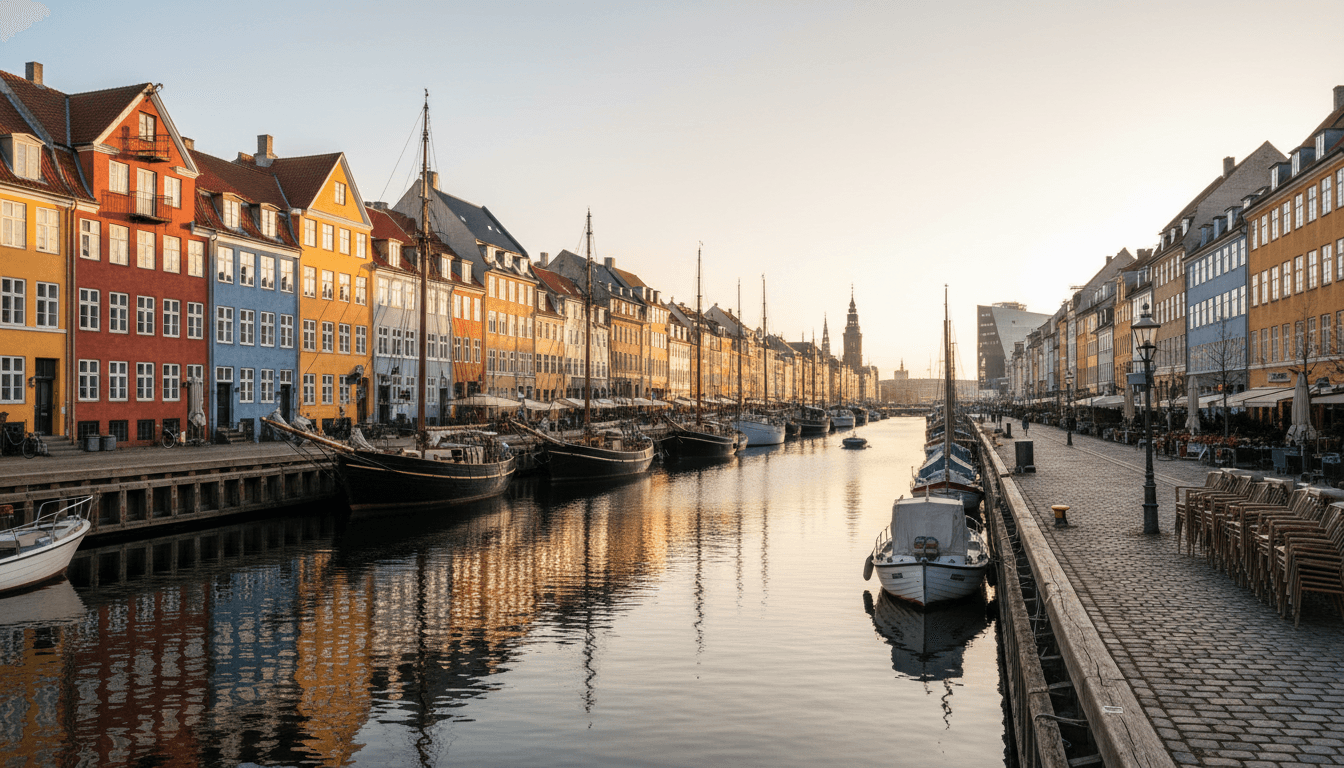
You're cycling past the rainbow-colored townhouses of Nyhavn at 7 AM, the canal reflecting a sky that won't fully darken until nearly midnight. Your borrowed apartment in Vesterbro sits empty behind you, its owner currently making coffee in your kitchen back home. This is Copenhagen home exchange at its finest—and in 2026, more travelers are discovering it than ever before.
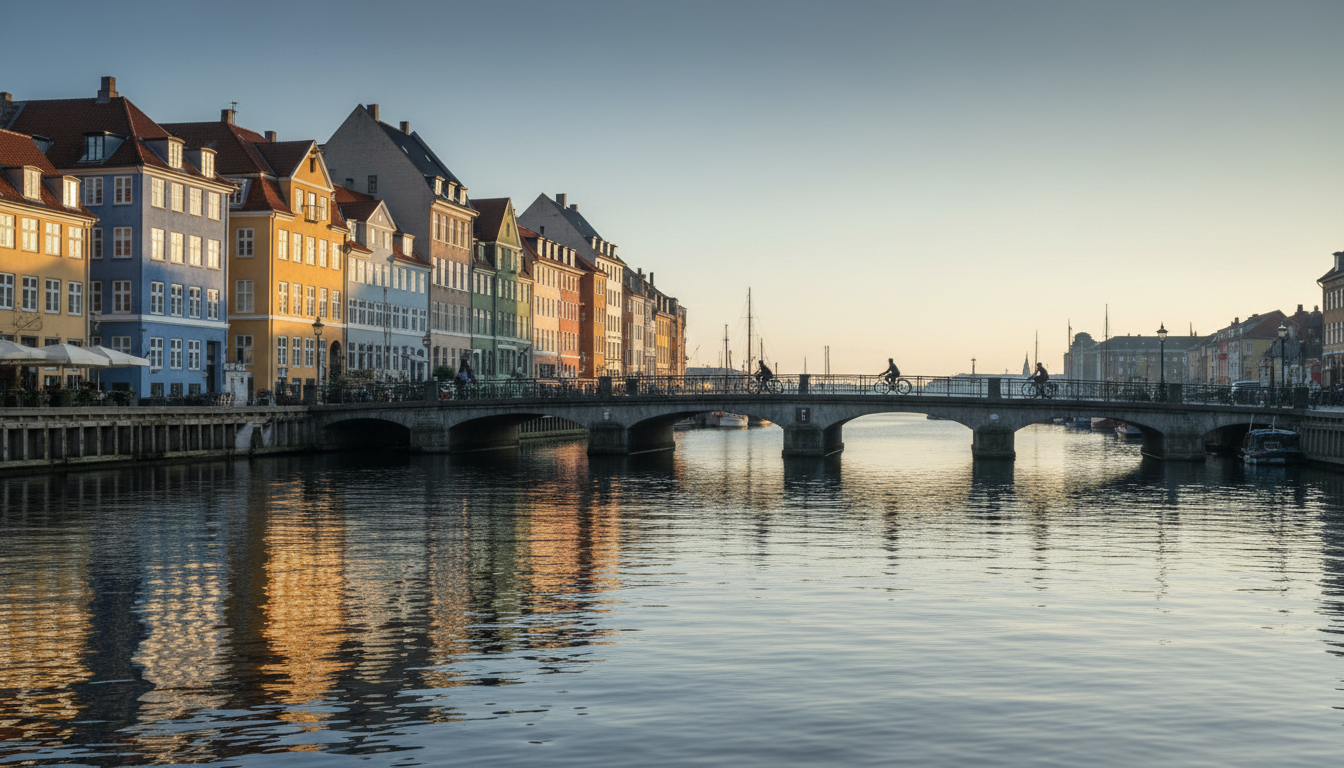 Early morning view of Nyhavn canal with colorful 17th-century townhouses, a few cyclists crossing th
The Copenhagen home exchange market has transformed dramatically over the past two years. What was once a niche option for adventurous Scandinavian travelers has become one of Europe's fastest-growing home-swap destinations, with SwappaHome data showing a 47% increase in Danish capital listings since early 2024. But here's what the numbers don't tell you: Copenhagen's market operates differently than Paris or Barcelona. The seasonality is more extreme, the neighborhoods more distinct, and the local hosting culture uniquely Danish—meaning the strategies that work elsewhere often fall flat here.
This guide breaks down exactly what's happening in Copenhagen's home exchange scene, which neighborhoods offer the best opportunities, and how to position yourself for successful swaps in a market where demand consistently outpaces supply from May through August.
Why Copenhagen Home Exchange Demand Keeps Climbing
Copenhagen has always attracted design enthusiasts and food pilgrims, but the city's home exchange appeal goes beyond its Michelin stars and Hans Wegner chairs. The economics make a compelling case: hotel rooms in central Copenhagen average 1,800-2,400 DKK ($260-350 USD) per night during peak season. A week-long stay easily crosses $2,000 before you've eaten a single smørrebrød.
Home exchange eliminates that cost entirely. SwappaHome's credit system means you're exchanging nights, not money—one credit per night hosted, one credit per night stayed, regardless of whether you're offering a Frederiksberg villa or a Nørrebro studio. For a city this expensive, the savings compound quickly.
But cost isn't the only driver. Copenhagen's home exchange growth reflects broader shifts in how people want to travel here. The city's identity is deeply residential—its best experiences happen in neighborhoods, not tourist zones. Cooking breakfast with Irma supermarket ingredients, cycling to work alongside locals, discovering the bakery three blocks from your temporary flat that makes the city's best kanelsnegle. Hotels simply can't replicate these moments.
The Danish concept of hygge—that untranslatable sense of cozy contentment—practically requires a home to experience properly. You can't hygge in a hotel lobby. You need a wool blanket, a candle, a window looking out at rain, and the quiet knowledge that this space belongs to someone who chose every object in it.
Copenhagen's Neighborhood-by-Neighborhood Exchange Landscape
Not all Copenhagen neighborhoods swap equally. Understanding where demand concentrates—and where hidden opportunities exist—separates successful exchangers from those refreshing their inbox for weeks.
Vesterbro: The Highest-Demand District
Vesterbro generates more swap requests than any other Copenhagen neighborhood, and the reasons are obvious to anyone who's walked Værnedamsvej on a Saturday morning. This former red-light district transformed into Copenhagen's creative heart, packed with independent coffee roasters like The Coffee Collective, natural wine bars, and vintage furniture shops selling mid-century Danish pieces at prices that make design collectors weep with joy.
 Cozy Vesterbro apartment interior with Danish modern furniture, large windows overlooking a tree-lin
Listings here move fast. Properties typically receive booking requests within 48-72 hours of posting during spring and summer months. The neighborhood's walkability score is exceptional—you're 15 minutes on foot from Tivoli Gardens, 10 minutes from the Meatpacking District's restaurants, and the central station sits at Vesterbro's eastern edge.
What makes Vesterbro properties stand out? Balconies matter enormously here. Copenhagen summers are precious, and Danes treat any outdoor space like sacred ground. A listing with a south-facing balcony, even a tiny one, will outperform a larger apartment without. Mention specific nearby spots: Granola for brunch, Mikkeller Bar for craft beer, Dyrehaven for the best burger in Copenhagen.
Nørrebro: Where Locals Actually Live
Nørrebro offers something Vesterbro can't: authenticity that hasn't been polished for Instagram. This multicultural neighborhood north of the lakes feels genuinely lived-in, with Middle Eastern grocers beside Scandinavian design studios, and Assistens Cemetery—where Hans Christian Andersen and Søren Kierkegaard rest—serving as the local park.
Home exchange demand in Nørrebro runs about 30% lower than Vesterbro, but supply is tighter. Many Nørrebro residents are younger renters whose leases prohibit subletting, limiting the exchange pool. The properties that do list tend to be authentic Copenhagen apartments: wood floors, ceramic tile stoves (often decorative now), and kitchens designed for people who actually cook.
The neighborhood's appeal is shifting. Five years ago, most swap requests came from travelers specifically seeking "alternative" Copenhagen. Now, Nørrebro attracts families drawn to its parks, food lovers hunting for Mirabelle or Bæst, and remote workers who want neighborhood coffee shops over tourist crowds. Superkilen, the surreal public park with objects collected from 60 countries, has become a destination in itself.
Frederiksberg: The Family-Friendly Wildcard
Technically its own municipality (Copenhageners will correct you), Frederiksberg occupies a strange position in the exchange market. The neighborhood has Copenhagen's highest concentration of families, its most beautiful park (Frederiksberg Have, with its romantic canals and roaming herons), and its most spacious apartments.
Yet Frederiksberg remains undervalued for home exchange. The perception persists that it's "too residential," too far from the action. This creates opportunity. Frederiksberg properties often sit available during weeks when Vesterbro is fully booked. For travelers with children, the neighborhood's proximity to Copenhagen Zoo, its quieter streets, and its larger living spaces make it ideal.
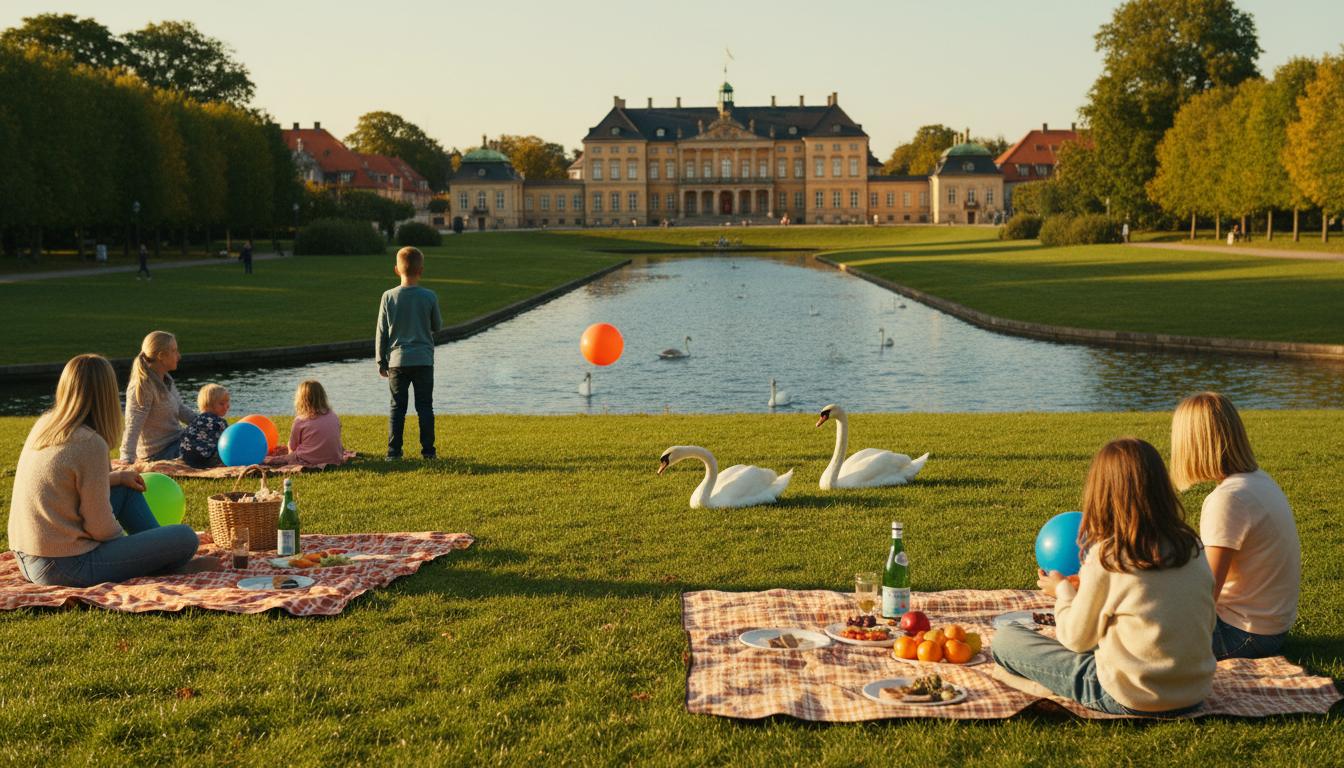 Frederiksberg Have park in late afternoon, families picnicking on the lawn, historic palace in backg
The sweet spot for Frederiksberg listings: emphasize the Metro access (Frederiksberg and Forum stations put you downtown in 8 minutes), highlight any outdoor space, and mention the neighborhood's exceptional bakeries. Lagkagehuset's original location is here, and locals will argue it's still the best.
Østerbro: The Overlooked Opportunity
If Frederiksberg is undervalued, Østerbro is practically invisible to international home exchangers—which makes it one of Copenhagen's most interesting opportunities for 2026.
This northeastern district has everything travelers claim to want: beautiful residential streets, excellent restaurants (Geranium, the three-Michelin-star icon, is technically here), easy access to the waterfront, and the sprawling Fælledparken for morning runs. The National Stadium sits here. So does the charming Brumleby housing development, a 19th-century workers' village that looks like a film set.
Østerbro's exchange problem is awareness. International travelers don't know the name. They search for "Copenhagen center" or "Vesterbro" without realizing Østerbro offers comparable access at significantly lower competition. Properties here often list for weeks before receiving requests—then get snapped up by savvy exchangers who've done their research.
Christianshavn: The Character Play
Christianshavn's canals, houseboats, and proximity to the Freetown Christiania commune make it Copenhagen's most distinctive neighborhood. Exchange demand here is moderate but consistent, driven by travelers seeking something unmistakably Copenhagen.
The challenge: Christianshavn's housing stock is idiosyncratic. Many buildings are protected historic structures with narrow staircases, no elevators, and layouts that confuse first-time visitors. Listings need to be exceptionally clear about access, parking (essentially nonexistent), and what "waterfront" actually means (some properties overlook industrial canals, not picturesque ones).
Houseboats represent a special category. Copenhagen has a small but dedicated community of houseboat home exchangers. These properties generate enormous interest—and enormous logistical questions. Successful houseboat listings address heating, water access, and what happens during winter ice (the canals do freeze) upfront.
Seasonal Patterns: When Copenhagen Home Exchange Actually Works
Copenhagen's home exchange market follows one of Europe's most extreme seasonal curves. Understanding these patterns determines whether you'll swap successfully or spend months waiting.
Peak Season: May Through August
Demand explodes when daylight does. Copenhagen's summer brings nearly 18 hours of light, outdoor dining culture, and a city that feels fundamentally transformed from its dark winter self. From late May through August, desirable properties receive multiple booking requests weekly.
The competition cuts both ways. If you're hosting during peak season, you can be selective—choosing guests whose home locations interest you for future stays. If you're trying to book into Copenhagen during summer, expect to plan 3-4 months ahead for popular neighborhoods.
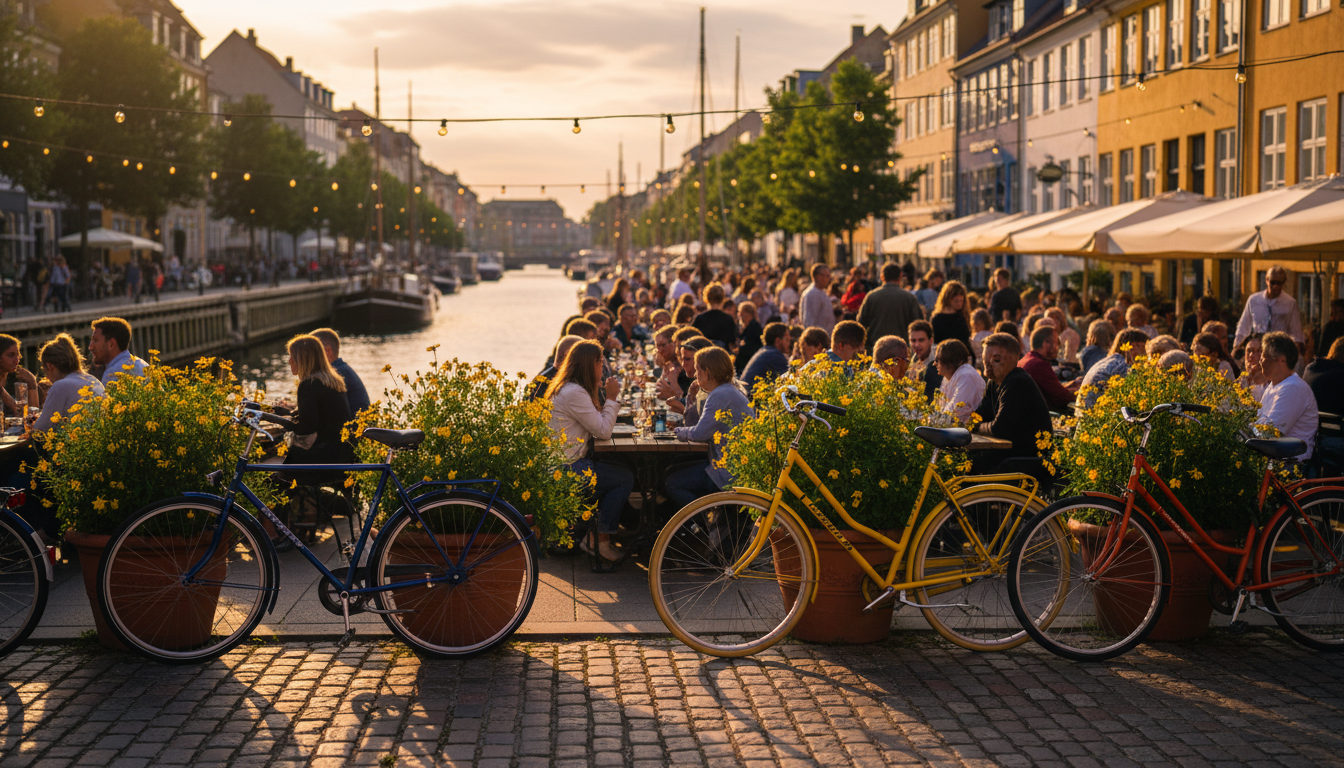 Copenhagen summer evening scene with people dining outdoors along a canal, bicycles parked nearby, l
June represents the absolute peak. The combination of optimal weather, school holidays beginning in several European countries, and events like Distortion (Copenhagen's massive street party festival) creates a demand spike that even expanded inventory can't satisfy. Listings posted in early March for June availability often book within days.
Shoulder Seasons: April-May and September-October
The shoulder seasons offer Copenhagen's best value proposition for home exchange. Weather remains reasonable (April averages 10°C/50°F, September around 15°C/59°F), major attractions stay open, and competition drops dramatically.
September deserves special attention. Copenhagen's food scene peaks in early fall—restaurants showcase autumn ingredients, the city hosts various food festivals, and the summer tourist crush has departed. Yet September exchange demand runs roughly 40% below July's. For travelers with schedule flexibility, it's the obvious choice.
April brings its own appeal. Tivoli Gardens reopens for the season, cherry blossoms bloom in Langelinie park, and the city shakes off winter's grip. Locals' moods lift visibly. The challenge: April weather is genuinely unpredictable. Pack layers, expect rain, and don't plan outdoor-dependent activities.
Low Season: November Through March
Copenhagen in winter isn't for everyone—but for the right traveler, it's magical. The city embraces darkness with candles in every window, hygge culture at full force, and Christmas markets that transform Tivoli into a wonderland of lights and mulled wine.
Home exchange demand drops 60-70% from peak, creating opportunity for both hosts and guests. Hosts can offer their properties during periods they'd otherwise sit empty. Guests can book into neighborhoods typically unavailable, often with shorter lead times.
Here's the catch: Copenhagen winter requires specific expectations. Daylight drops to under 7 hours by December. Temperatures hover around freezing. Many outdoor attractions close or reduce hours. Successful winter listings emphasize indoor comforts—heated floors, cozy textiles, proximity to museums and restaurants.
December represents a mini-peak within the low season. Christmas market visitors, New Year's Eve travelers, and families visiting Danish relatives create a demand bump from roughly December 15 through January 2.
Listing Optimization: What Makes Copenhagen Properties Stand Out
Copenhagen home exchange listings compete against some of Europe's most design-conscious properties. Danish hosts tend toward understatement in their descriptions while letting photographs do heavy lifting. Matching this aesthetic—rather than overselling—actually performs better.
Photography That Works
Copenhagen listings benefit from natural light photography more than almost any other market. The Danish light quality, particularly during golden hour, creates images that feel distinctly Scandinavian. Shoot during morning or late afternoon, open all curtains, and let the space speak.
What to photograph: the view from your most-used window, kitchen details (Danes care about kitchen quality), any outdoor space however small, bookshelves and art and personal touches that show the home is lived-in, the approach to your building (helps guests find it), and nearby streets and landmarks.
What to skip: bathrooms (unless exceptional), closed doors, and spaces that require explanation.
 Bright Scandinavian living room with white walls, wooden floors, a wool rug, designer floor lamp, an
Descriptions That Convert
We've noticed a pattern in high-performing Copenhagen listings across the SwappaHome community: specificity beats superlatives. "Beautiful apartment in great location" tells potential guests nothing. "Third-floor walkup in a 1890s building on Værnedamsvej, 200 meters from The Coffee Collective" tells them everything.
Include exact neighborhood and nearest Metro/S-train station, walking distances to specific landmarks, building quirks (stairs, noise, heating system), your personal favorite nearby spots, what you keep stocked (coffee, basics, spices), and bike availability—crucial in Copenhagen.
The bike question deserves emphasis. Copenhagen is a cycling city in a way that surprises first-time visitors. Protected bike lanes cover the entire city, and locals cycle year-round in all weather. A listing that includes bikes—or clearly explains how to rent them from nearby Donkey Republic or Swapfiets—gains significant advantage.
Setting Expectations Correctly
SwappaHome's credit system means you're not setting a nightly rate, but you are implicitly competing for attention. Properties that photograph well, describe themselves specifically, and respond quickly to inquiries succeed. Properties that sit with minimal descriptions and dark photos don't—regardless of how nice they actually are.
The credit economy also means your Copenhagen apartment trades equally with a Tokyo studio or a Lisbon villa. This works in Copenhagen's favor during peak season (your desirable summer weeks have high exchange value) and against it during winter (your January availability competes against destinations with better weather).
Common Mistakes in the Copenhagen Exchange Market
Community feedback and booking patterns reveal certain errors appearing repeatedly among Copenhagen home exchangers.
Underestimating Seasonality
The most common mistake: listing a Copenhagen property in July and expecting immediate results, without realizing that travelers book peak-season Copenhagen months in advance. By the time you list, serious summer travelers have already secured their stays.
The fix: list your Copenhagen property by February for summer availability. For shoulder seasons, 6-8 weeks lead time typically suffices.
Ignoring the Bike Infrastructure
Travelers consistently report that bike access transformed their Copenhagen experience—and consistently complain when listings don't address it. If you have bikes to lend, say so prominently. If you don't, explain the rental options within walking distance.
Overpromising on Weather
Copenhagen weather is unpredictable even in summer. Listings that promise "beautiful sunny days" set guests up for disappointment when July brings a week of rain. Better approach: acknowledge the variability and suggest indoor alternatives.
Neglecting Practical Details
Danish homes have quirks that confuse international visitors. Explain how the trash/recycling system works (Denmark is serious about sorting), whether shoes should be removed indoors (usually yes), how the heating system operates, where to find the fuse box, and grocery store hours (many close early on weekends).
The 2026 Outlook: Where Copenhagen Home Exchange Is Heading
Several trends are shaping Copenhagen's home exchange future.
Extended Stays Are Growing
Remote work has changed Copenhagen's booking patterns. Two years ago, most requests were for 4-7 night stays. Now, 2-4 week bookings represent a growing segment. Copenhagen's quality of life, English proficiency, and reliable infrastructure make it attractive for location-independent workers.
For hosts, this means reconsidering availability. A single 3-week booking generates the same credits as three week-long stays with less coordination overhead.
Outer Neighborhoods Are Gaining Interest
As central Copenhagen becomes more competitive, travelers are discovering neighborhoods previously off the exchange radar. Valby, Vanløse, and Amager are all seeing increased interest from exchangers willing to trade central location for space and authenticity.
Amager, in particular, deserves attention. The neighborhood's transformation continues, with the Amager Strandpark beach, the new metro line, and the Ørestad development creating a different Copenhagen experience. Listings here often emphasize the beach access—a genuine differentiator for summer travelers.
Sustainability Messaging Matters
Copenhagen positions itself as one of the world's most sustainable cities, and travelers increasingly choose it for that reason. Home exchange aligns naturally with this identity—it's inherently lower-impact than hotel stays. Listings that mention cycling infrastructure, local food sourcing, and the city's green initiatives resonate with this audience.
Getting Started: Your Copenhagen Home Exchange Action Plan
Whether you're a Copenhagen resident looking to leverage your apartment or a traveler hoping to experience the city through home exchange, the path forward is straightforward.
For Copenhagen hosts: Photograph your space during the best natural light. Write a description emphasizing specific locations and personal recommendations. List by February for summer availability. Address bike access clearly. Respond to inquiries within 24 hours (response time affects visibility).
For travelers seeking Copenhagen: Start searching 3-4 months before peak-season travel. Consider shoulder seasons for better availability. Look beyond Vesterbro—Østerbro and Frederiksberg offer excellent experiences. Mention your flexibility in requests (dates, neighborhoods). Build your SwappaHome profile with reviews from previous exchanges.
The Copenhagen home exchange market rewards preparation and specificity. Generic requests to "stay somewhere central" compete against dozens of similar messages. Requests that mention specific interests—"we're particularly interested in the design scene and would love to be near Hay House" or "traveling with kids and hoping for park access"—stand out.
Copenhagen offers something increasingly rare: a major European capital where home exchange still feels personal rather than transactional. The hosts are engaged, the properties reflect genuine Danish life, and the city itself rewards the kind of slow, residential travel that home exchange enables.
The Nyhavn postcards will always draw tourists. But the real Copenhagen—the one with the neighborhood bakery, the morning bike commute, the hygge-perfect evenings—that's what home exchange unlocks.
Frequently Asked Questions
Is Copenhagen home exchange safe for first-time swappers?
Copenhagen consistently ranks among Europe's safest cities, and the home exchange community here reflects that culture. Danish hosts tend to be communicative and reliable, with strong review histories on SwappaHome. Standard precautions apply—verify member profiles, communicate expectations clearly, and consider your own travel insurance for personal belongings. The platform's review system creates accountability, and Copenhagen's low crime rate means property concerns are minimal compared to many destinations.
How far in advance should I book a Copenhagen home exchange for summer?
For June through August availability in popular neighborhoods like Vesterbro or Nørrebro, begin your search 3-4 months ahead. Listings for prime summer weeks often receive booking requests within days of posting. Shoulder season travel (April-May, September-October) requires less lead time—6-8 weeks typically suffices. Winter availability can often be arranged with just 2-4 weeks notice, though December holiday periods book faster.
What's the best neighborhood for a Copenhagen home exchange with children?
Frederiksberg offers the strongest combination of space, safety, and family amenities. The neighborhood's larger apartments accommodate families comfortably, Frederiksberg Have provides extensive green space, and Copenhagen Zoo sits within walking distance. Østerbro is another excellent choice, with Fælledparken's playgrounds and a quieter residential atmosphere. Both neighborhoods have reliable Metro access to central attractions.
Do I need a car for a Copenhagen home exchange stay?
Almost certainly not—and having one may complicate your trip. Copenhagen's cycling infrastructure and public transit make car-free travel easy, while parking is expensive (often 30-40 DKK per hour in central areas) and limited. Most home exchange hosts offer bikes or can recommend nearby rental options. The Metro, S-train, and bus network covers the entire metropolitan area efficiently. Save car rental for day trips to Louisiana Museum or Kronborg Castle if needed.
When is the cheapest time to visit Copenhagen through home exchange?
November through March offers the lowest competition for Copenhagen home exchanges, with demand dropping 60-70% from summer peaks. January and February see the least activity, making it easier to secure properties in normally competitive neighborhoods. The trade-off: limited daylight, cold temperatures, and some attractions operating on reduced hours. For better weather with reduced competition, target late September or early April—shoulder seasons that balance availability with pleasant conditions.

Published by
SwappaHome
SwappaHome Editorial Team
Home Exchange & Slow Travel Editorial
The SwappaHome Editorial Team brings together travel research, home-exchange community insights, and platform data to produce practical guides for first-time and experienced home swappers. Every article cites real platforms, current market rates, and verifiable city-level facts so readers can make informed decisions without guessing.
Ready to try home swapping?
Join SwappaHome and start traveling by exchanging homes. Get 7 free credits when you sign up!
Related articles

Bachelor and Bachelorette Parties in Singapore: The Complete Home Swap Group Guide for 2026
Planning a bachelor or bachelorette party in Singapore? Discover how home swapping lets groups of 6-12 stay together in luxury condos, saving thousands while partying in Marina Bay.

Cycling in Lisbon: 7 Home Swap Bike Tour Itineraries for Every Rider
Discover the best cycling routes in Lisbon with these home swap bike tour itineraries—from waterfront paths to hilltop adventures, all starting from your borrowed home.

Graduation Trip to Barcelona: How Home Swapping Gives New Graduates the Ultimate Celebration
Planning a graduation trip to Barcelona? Discover how home swapping lets new graduates explore Spain's most vibrant city without the hostel crowds or hotel costs.