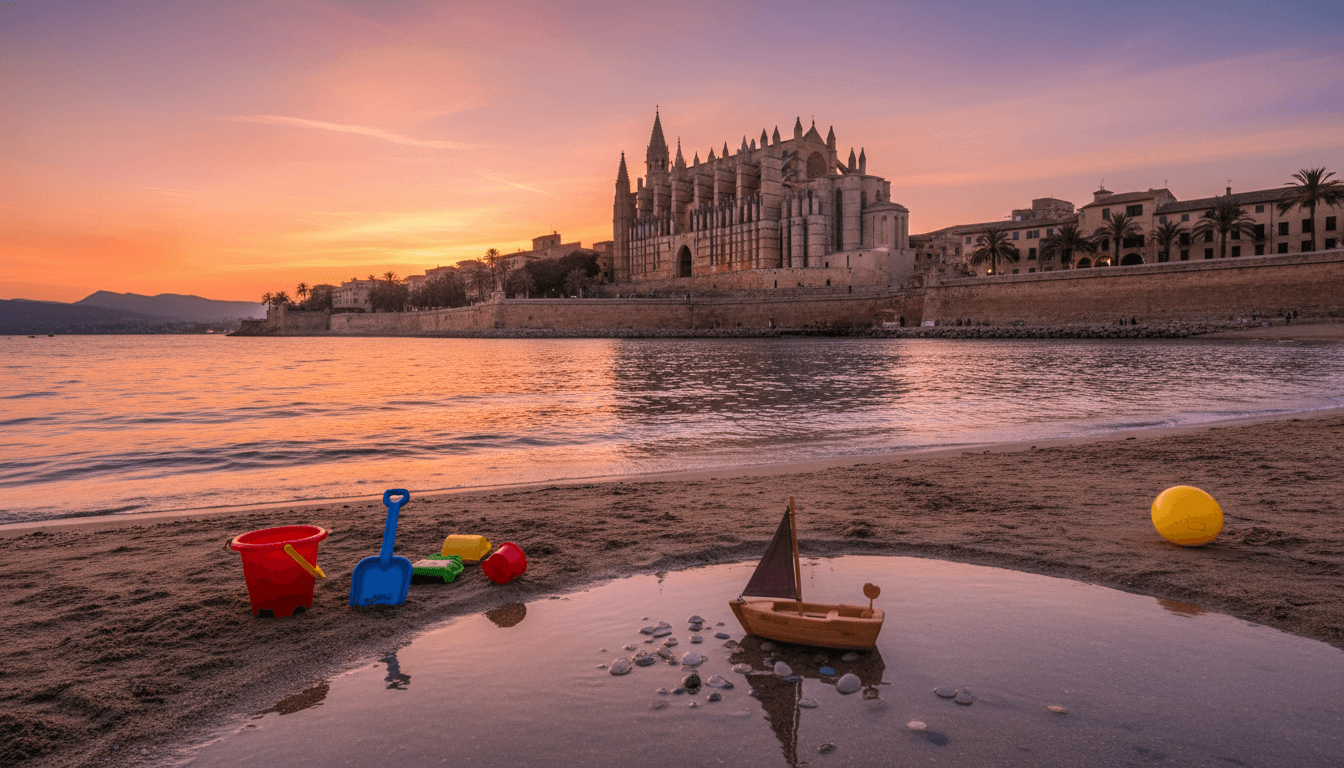
Home Swap in Palma de Mallorca with Kids: The Ultimate Family Travel Guide

SwappaHome Editorial Team
Home Exchange & Slow Travel Editorial
Discover why home swapping in Palma de Mallorca with children beats hotels. Real tips from a travel writer mom on the best family neighborhoods, beaches, and savings.
Last June, I watched my friend's seven-year-old have a complete meltdown in a Barcelona hotel lobby. Four days of room service pasta, nowhere to run around, and a "quiet hours" policy that made her feel like she was in jail. Her parents had shelled out nearly $400 a night for this privilege.
That scene stuck with me—mostly because I'd just gotten back from my own trip with kids in tow. My niece and nephew (ages 5 and 9) and I had done a home swap in Palma de Mallorca. Three bedrooms in Santa Catalina. A sunny terrace. A kitchen we'd stocked at the local market. Neighbors who waved at us every morning like we belonged there.
Total accommodation cost? Zero dollars.
The kids had room to breathe. The adults had wine on the terrace after bedtime. Everyone actually enjoyed themselves.
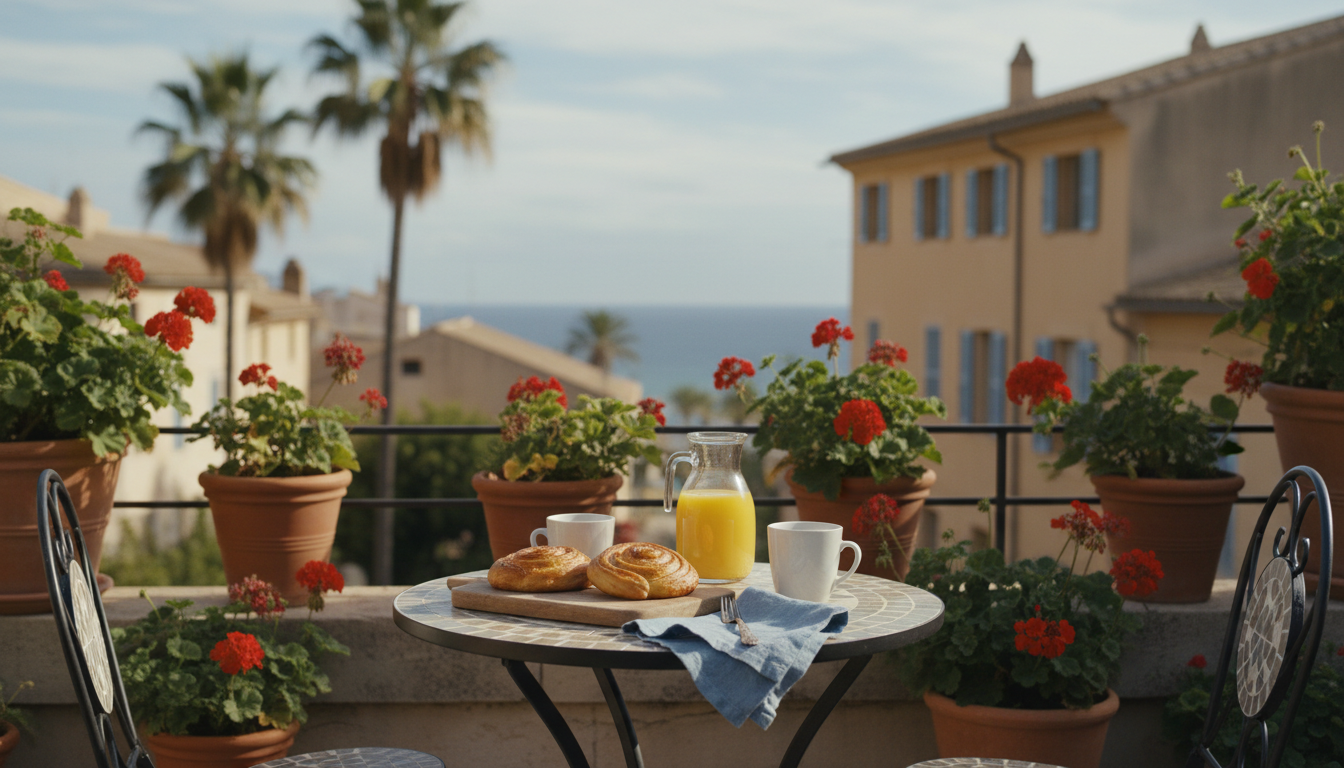 Sunny terrace of a Mediterranean apartment in Palmas Santa Catalina neighborhood, with terracotta po
If you're thinking about Palma de Mallorca for your next family trip, let me tell you why home swapping changes everything—especially when you've got little ones who need more than four walls and a minibar.
Why Home Swapping in Palma de Mallorca Works So Well for Families
Here's something I didn't fully get until I traveled with children: kids don't vacation like adults do. They need downtime. They need their routines. They need somewhere to spread out seventeen stuffed animals without worrying housekeeping will rearrange them.
Palma is already one of the Mediterranean's most family-friendly spots—calm beaches, a walkable old town, plenty to do without overwhelming anyone. But staying in someone's actual home instead of a hotel? That's what turns "nice trip" into "genuinely relaxing."
The math alone is compelling. A decent family hotel in Palma during summer runs €200-350 per night ($215-380 USD). Two weeks of that? You're looking at $3,000-5,300 just for somewhere to sleep. Through SwappaHome's credit system, those same two weeks cost you nothing but credits you've already earned hosting—and new members start with 7 free credits anyway.
But honestly? The money isn't even the best part.
The Real Advantages of Home Exchange for Family Travel in Mallorca
I've done over forty home swaps. About a dozen involved kids—my nieces and nephews, since I don't have my own. Every single time, the parents say the same thing: "This was so much easier than we expected."
Space That Actually Fits Your Family
Hotel rooms are designed for couples. Even "family rooms" are usually just a regular room with a cot wedged in somewhere. When you're home swapping in Palma, you're staying in someone's actual life—separate bedrooms, a living room for rainy-day movies, outdoor space that isn't a shared pool deck crawling with strangers.
Our Santa Catalina place had bunk beds in the kids' room (the homeowner's grandchildren used them when visiting). My brother and sister-in-law got the master. I took the little guest room. At night, the adults could talk at normal volume without waking anyone.
This sounds basic. But if you've ever whisper-argued with your partner in a dark hotel room while kids slept two feet away, you know it's not.
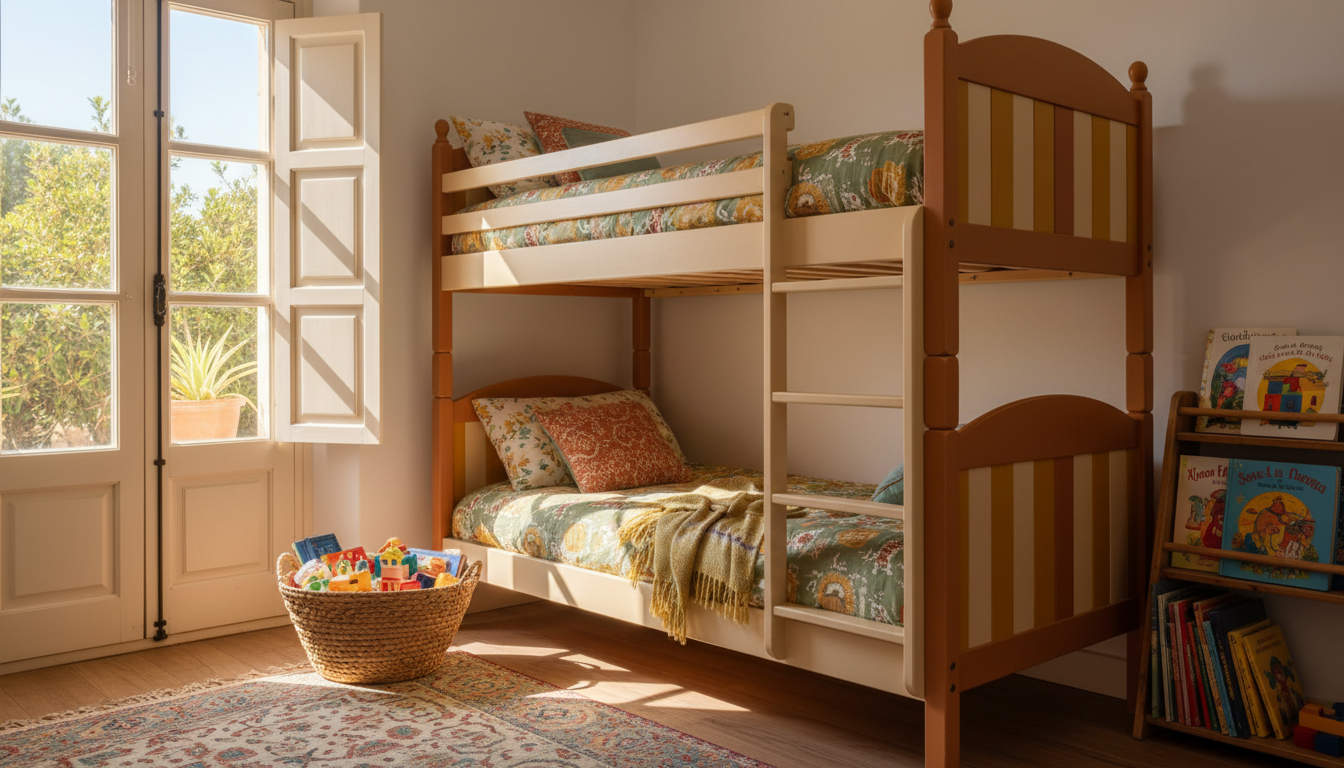 Bright childrens bedroom in a Mallorcan home with colorful bunk beds, a basket of toys, and a small
A Kitchen Changes Everything
I cannot stress this enough.
My nephew is going through a phase where he only eats plain pasta, cucumber slices, and exactly three brands of yogurt. Restaurant dining with him means creative negotiation and apologetic smiles to waitstaff. But in our Palma apartment? We hit the Mercat de l'Olivar on day one, loaded up on local produce and his safe foods, and suddenly mealtimes weren't a production.
Breakfast on the terrace. Pasta for lunch while adults had leftover sobrassada. Early dinners at home before anyone got overtired. And then—this is key—the adults could sneak out for late tapas after bedtime, taking turns staying with the sleeping kids.
Try doing that in a hotel.
Groceries in Palma run about €60-80 ($65-87 USD) per week for a family of four if you're cooking most meals. Compare that to €40-60 per restaurant meal, and the savings stack up fast.
Local Life Instead of Tourist Bubbles
When you stay in a Palma neighborhood through home exchange, you're not a tourist—you're a temporary local. The baker recognizes you by day three. The kids find the playground where neighborhood children actually play. You stumble onto the café that's in zero guidebooks but makes the best cortado you've ever had.
For children, this kind of immersion is educational in ways hotel stays just aren't. My niece still talks about the elderly woman in our building who taught her to say "bon dia" and handed her a clementine. That's the stuff that sticks.
Best Neighborhoods for Home Swaps in Palma de Mallorca with Children
Not all Palma neighborhoods work equally well for families. After multiple visits and a lot of trial and error, here's my honest take:
Santa Catalina: Best for Foodie Families
This is where we stayed, and I'd go back without hesitation. Santa Catalina is a former fishing village that's become Palma's most vibrant neighborhood—but vibrant in a livable way, not a party-until-dawn way.
The Mercat de Santa Catalina anchors everything: a covered market with fresh fish, local cheeses, and produce vendors who'll slice a piece of melon for your kid to taste. The streets are pedestrian-friendly, several playgrounds are within walking distance, and you're a 15-minute stroll from the beach at Portixol.
For home-swapping families, Santa Catalina offers the best of both worlds—local character with enough restaurants and shops that you never feel stranded. Expect listings here to be apartments rather than houses, typically 2-3 bedrooms with small terraces or balconies.
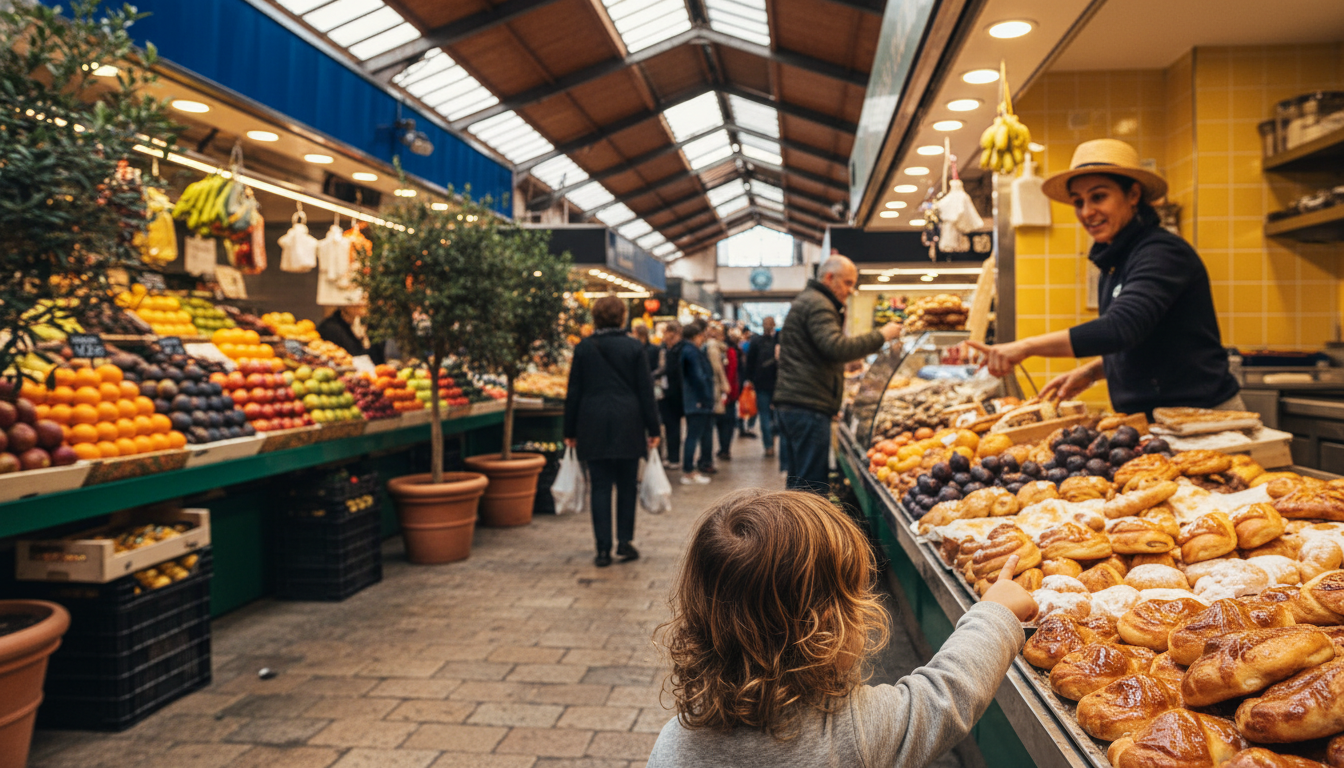 Morning scene at Mercat de Santa Catalina, colorful fruit stalls with pyramids of oranges and figs,
El Terreno: Best for Beach Access
If your kids are water babies, El Terreno puts you closest to Palma's city beaches. This hillside neighborhood has a slightly faded glamour—it was the party spot in the 1960s—but that history means larger apartments with sea views at friendlier prices.
Cala Major beach is a 10-minute walk downhill (though fair warning: the walk back up will exhaust little legs). There's also a great playground at Parc de la Mar, and regular buses connect you to the center.
Home swap options here tend to be older apartments with character—terrazzo floors, original tilework. Some even have gardens, which is rare in Palma proper.
Son Espanyolet: Best for Quiet Family Time
This residential neighborhood won't win any "coolest area" awards. That's exactly why families love it.
Son Espanyolet is where Palma families actually live—tree-lined streets, local bakeries, genuine neighborhood feel. The trade-off? You're about 20 minutes on foot from the old town and beaches. But if you have young children who need naps and quiet afternoons, this matters less than you'd think. Several excellent playgrounds, a community pool in summer, and the kind of calm that lets everyone decompress.
Home swaps here often include houses with gardens rather than apartments—perfect for toddlers who need safe outdoor space to roam.
Old Town (Casco Antiguo): Best for Culture-Focused Families
The historic center is stunning—medieval streets, the iconic cathedral, hidden plazas around every corner—but I'd only recommend it for families with older children (8+) who can handle cobblestones and stairs.
The charm is real: staying in a centuries-old building, waking to church bells, walking to world-class museums. But the practical realities include narrow streets without sidewalks, limited parking, and apartments accessed via steep staircases. Not ideal with a stroller or a tired four-year-old dragging behind you.
If your kids are old enough to appreciate history and can walk significant distances, the Old Town is magical. Otherwise, save it for your next trip.
Planning Your Palma de Mallorca Home Swap: Step by Step
Let me walk you through how to actually make this happen. The process is simpler than most people assume.
Finding the Right Family Home in Palma
On SwappaHome, you can filter by number of bedrooms—crucial for families. Look for these keywords in descriptions: "family-friendly," "children welcome," "toys available," "high chair," "crib." Many Palma homeowners with kids of their own keep these items on hand.
When you message potential hosts, be upfront about traveling with children. Ask specific questions: Are there stairs? Is the terrace safe—proper railings, no gaps? Are there breakables at kid height? Most hosts appreciate the honesty and will tell you straight if their home isn't suitable.
I always request a video call before confirming. Seeing the space in real-time reveals things photos hide—like whether that "cozy" living room is actually cramped, or whether the "quiet street" sits next to a construction site.
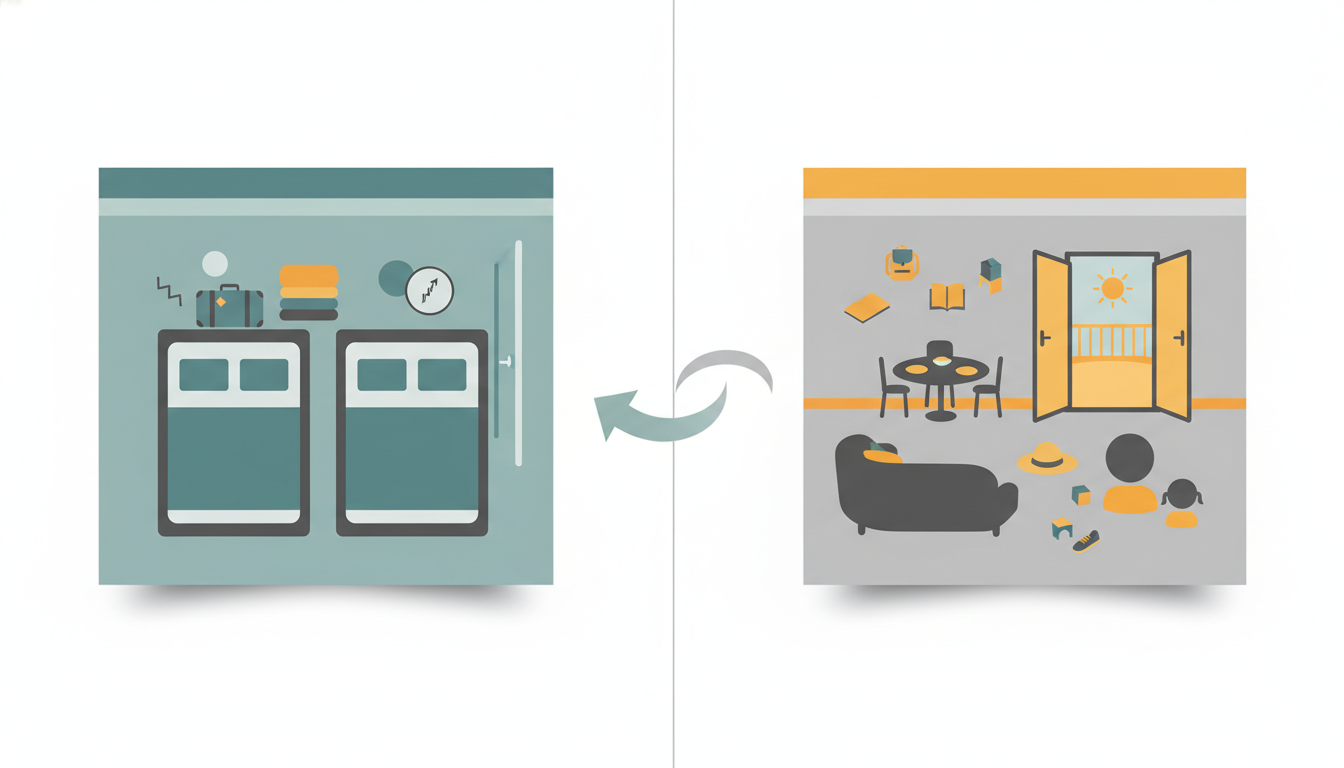 Split-screen style comparison showing a cramped hotel room with two double beds versus a spacious Ma
Timing Your Mallorca Family Trip
Insider knowledge that'll serve you well: Palma has distinct seasons, and they matter.
May-June is my top pick. Warm but not scorching (22-28°C / 72-82°F), beaches aren't packed, and you'll find more home swap availability since it's before peak European holiday season. School isn't out yet in most countries, so attractions stay calmer.
July-August is classic summer—hot, crowded, expensive for everything except your accommodation (thank you, home swapping). If school schedules force your hand, book your swap 4-6 months ahead. Competition for Palma listings gets fierce.
September-October is the secret sweet spot. Sea temperature is actually warmer than June, crowds thin dramatically after mid-September, and the light is gorgeous. Only downside: some beach services start winding down in October.
November-April is off-season. Palma stays lovely for a city break—mild weather, empty museums, local festivals—but it's not beach weather. Great for families wanting cultural immersion without summer intensity.
What to Arrange Before You Arrive
One home-swapping advantage: your host becomes a local resource. Before our Palma trip, our host sent a detailed guide including her pediatrician's number (just in case), the nearest late-night pharmacy, and which supermarket had the best kids' snacks.
Ask your host about car seat availability (some leave theirs; rental companies charge €8-15/day), stroller storage if you're bringing your own, the nearest playground and their honest assessment of it, any local hazards like strong currents at certain beaches, and recommended family restaurants that locals actually use.
Family Activities in Palma de Mallorca: A Local's Perspective
I'm not giving you a generic "top 10 things to do" list—you can Google that anywhere. Instead, here's what actually worked with real children, tested by someone who's been there.
Beach Days Done Right
Palma's city beaches are fine, but for a special day, rent a car and drive 20 minutes to Playa de Muro on the northeast coast. The water stays shallow forever—my five-year-old nephew could walk out fifty meters and still be waist-deep. Powder-soft sand, clean bathrooms, umbrella and lounger rentals for about €15 total.
Pack a cooler from your home swap kitchen—sandwiches, fruit, lots of water—and you've got a full beach day for the cost of parking (€5-8).
Closer to Palma, Es Trenc is the famous beach, but I'll be honest: it's less ideal for young kids. Longer drive, chaotic summer parking, more adult-oriented vibe. Save it for when your kids are teenagers.
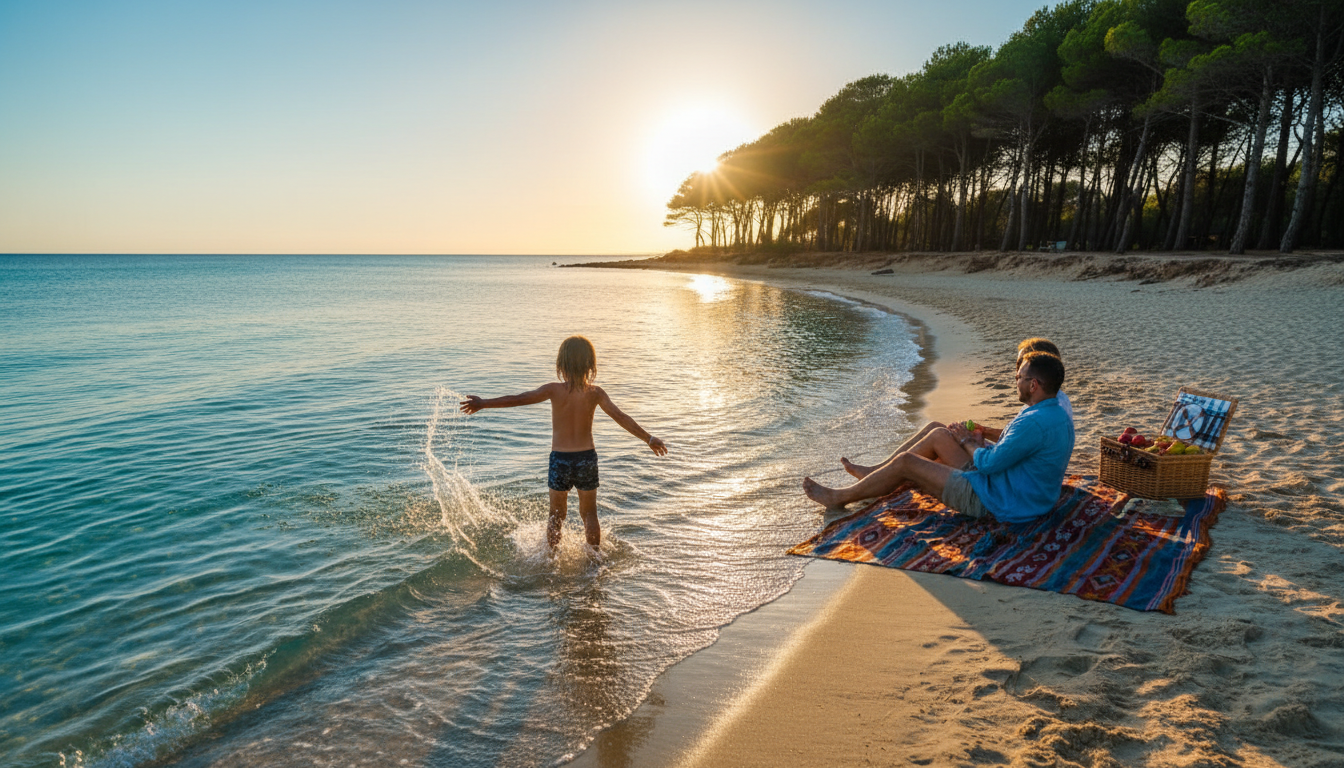 Family scene at Playa de Muro, crystal-clear turquoise water with a child playing at the shoreline,
Rainy Day Options (Yes, It Happens)
Mallorca gets occasional rain. When it does, you'll be grateful for your home swap's living room. But if everyone has cabin fever:
Palma Aquarium is legitimately excellent—not just a tourist trap. The shark tank walk-through tunnel had my nephew frozen in awe for twenty minutes. Entry runs €26 adults / €16 kids ($28/$17 USD), and you can easily spend 3-4 hours.
Es Baluard Museum offers free admission for kids and fantastic family workshops on weekends (check their schedule). The building itself is architecturally interesting enough to keep adults engaged while kids do activities.
The Cathedral might seem like an odd choice, but the sheer scale impresses even the most jaded kid. The Gaudí-designed canopy over the altar is genuinely magical. Keep visits short—30-45 minutes—and promise ice cream after.
The Underrated Day Trip
Everyone tells you to visit Valldemossa. Yes, it's pretty. But with kids? I'd choose Sóller instead.
Take the vintage wooden train from Palma (€25 round trip adults, €14 kids)—the mountain journey is half the fun. In Sóller, there's a small plaza perfect for letting kids run around while you have coffee. Then take the old tram down to Port de Sóller (€8 round trip), a horseshoe-shaped bay with calm water, several family restaurants, and a relaxed vibe.
The whole day feels like an adventure rather than a checklist. That's exactly what family travel should be.
Real Talk: Potential Challenges and How to Handle Them
I'd be doing you a disservice painting only a rosy picture. Home swapping with kids has quirks you should prepare for.
Childproofing Isn't Guaranteed
Unless you're swapping with a family who has young children, assume the home isn't childproofed. Bring outlet covers if you have a baby or toddler (European outlets are different—buy them on Amazon before you go). Do a walk-through when you arrive, moving breakables to high shelves. Check balcony and terrace railings immediately. Identify hazards and either address them or make them off-limits.
Most of this takes 15 minutes on arrival. Then you're set.
Language Barriers with Neighbors
Your home swap host speaks English—you've been communicating, after all—but their neighbors might not. In Palma, most people under 40 speak some English, but older residents often stick to Spanish or Catalan.
Teach your kids a few phrases: "Hola," "Bon dia" (Catalan good morning), "Gracias." It goes a long way. Locals genuinely appreciate the effort.
Managing Expectations
A home swap isn't a hotel. No concierge. No daily housekeeping. No room service. You're responsible for keeping the space tidy, doing your own dishes, solving minor problems yourself.
With kids, this means building in time for domestic tasks. We did a quick tidy every evening—kids put toys away, adults handled dishes—so we never faced a disaster zone. Honestly? It's good practice for kids anyway.
Making Your Home Kid-Ready for Guests
Home swapping works both ways—you're not just staying in someone's home, someone's staying in yours. If you want to attract families on SwappaHome, here's how to make your listing appeal to them:
Mention child-friendly features explicitly: high chair, crib, baby gate, fenced yard. Note the nearest playground and distance. List any toys, books, or games you're willing to leave out. Be honest about hazards—stairs, pools, fragile items. Include photos of kids' sleeping arrangements.
Families who've stayed in my San Francisco apartment always mention the same things in reviews: the basket of toys I keep in the closet, the kid-friendly restaurant list on the fridge, the fact that I moved my breakable ceramics to a high shelf before they arrived. Small gestures. Big impact.
The Bottom Line on Home Swapping in Palma de Mallorca with Kids
I've done this trip both ways—hotels and home swaps—and there's simply no comparison when children are involved. The space, the kitchen, the local immersion, the cost savings—it all adds up to a fundamentally different experience. A better one.
Palma de Mallorca is already one of the easiest Mediterranean destinations for families. Combining it with home exchange through SwappaHome removes the biggest stressors of family travel: cramped quarters, expensive meals out, the feeling that you're always on someone else's schedule.
My nephew still asks when we're going back to "the apartment with the terrace where we had breakfast outside." He doesn't remember the hotel in Barcelona.
That tells you everything.
Start browsing Palma listings on SwappaHome—you might be surprised how many families want to swap with someone in your city. And when you're sitting on that terrace watching the Mallorcan sunset while your kids sleep soundly in the next room, you'll wonder why you ever did family travel any other way.
Frequently Asked Questions
Is home swapping in Palma de Mallorca safe for families with children?
Home swapping in Palma de Mallorca with kids is very safe when you use a platform like SwappaHome with verified members and reviews. Always do a video call before confirming, ask specific questions about child safety features, and check the host's reviews from other families. The community accountability makes members invested in positive experiences.
How much money can families save with home exchange in Mallorca versus hotels?
Families typically save $3,000-5,000 on a two-week trip to Palma de Mallorca through home swapping. Family hotels cost €200-350 per night ($215-380 USD), while home exchange costs only SwappaHome credits—no cash. Add kitchen savings of €50-80 per day versus restaurant meals, and total savings can exceed $4,500.
What's the best age for children to do a home swap vacation in Palma?
Children of all ages can enjoy home swapping in Palma de Mallorca, but the sweet spot is ages 3-12. Toddlers benefit from the space and kitchen access for familiar foods. School-age kids appreciate having their own room and local playground access. Teenagers might prefer the independence of hotel amenities, though many still enjoy the authentic experience.
Do I need a car for a family home swap in Palma de Mallorca?
For staying within Palma city, you don't need a car—public transport and walking work well in neighborhoods like Santa Catalina and El Terreno. However, renting a car for 2-3 days opens up incredible family beaches like Playa de Muro and day trips to Sóller. Car rental runs €35-50 per day ($38-54 USD) including child seats.
How far in advance should I book a Palma home swap for summer family travel?
For July-August family travel to Palma de Mallorca, start searching on SwappaHome 4-6 months in advance. Popular family-friendly listings book quickly during European summer holidays. For shoulder season (May-June, September), 2-3 months ahead is usually sufficient. Last-minute swaps are possible but limit your neighborhood and size options.

Published by
SwappaHome
SwappaHome Editorial Team
Home Exchange & Slow Travel Editorial
The SwappaHome Editorial Team brings together travel research, home-exchange community insights, and platform data to produce practical guides for first-time and experienced home swappers. Every article cites real platforms, current market rates, and verifiable city-level facts so readers can make informed decisions without guessing.
Ready to try home swapping?
Join SwappaHome and start traveling by exchanging homes. Get 7 free credits when you sign up!
Related articles

Bachelor and Bachelorette Parties in Singapore: The Complete Home Swap Group Guide for 2026
Planning a bachelor or bachelorette party in Singapore? Discover how home swapping lets groups of 6-12 stay together in luxury condos, saving thousands while partying in Marina Bay.
Cycling in Lisbon: 7 Home Swap Bike Tour Itineraries for Every Rider
Discover the best cycling routes in Lisbon with these home swap bike tour itineraries—from waterfront paths to hilltop adventures, all starting from your borrowed home.
Graduation Trip to Barcelona: How Home Swapping Gives New Graduates the Ultimate Celebration
Planning a graduation trip to Barcelona? Discover how home swapping lets new graduates explore Spain's most vibrant city without the hostel crowds or hotel costs.