Home Swap in Quebec City: Finding the Best Properties in Canada's Most European Destination

SwappaHome Editorial Team
Home Exchange & Slow Travel Editorial
Discover the best home swap properties in Quebec City—from historic Old Town apartments to charming suburban houses. Your complete guide to free accommodation in French Canada.
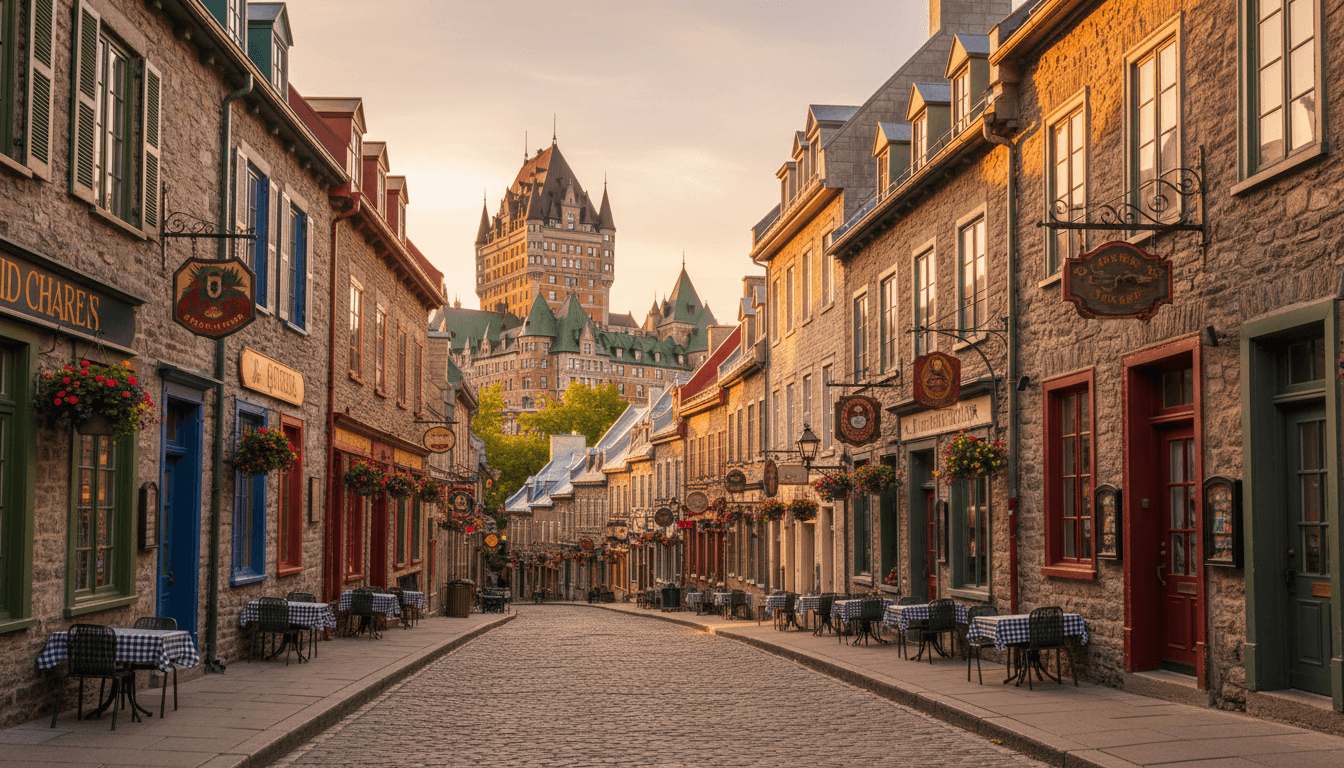
The first time I walked through the cobblestone streets of Quebec City, I genuinely forgot I was in North America. The stone buildings, the French conversations floating from café terraces, the church spires piercing a grey November sky—it felt like I'd stumbled into a corner of France that somehow got lost across the Atlantic.
That trip changed how I think about home swapping in Canada entirely.
I was staying in a converted attic apartment in the Saint-Jean-Baptiste neighborhood, thanks to a home swap with a retired professor named Geneviève. She'd spent three weeks in my San Francisco place while I woke up every morning to the sound of church bells and the smell of fresh croissants from the boulangerie downstairs. The whole experience cost me nothing except the flight—and it was infinitely better than any hotel I could have booked.
If you're looking for home swap properties in Quebec City, you're in for a treat. This city has one of the most engaged home exchange communities I've encountered in Canada, and the variety of properties available genuinely surprised me. From 17th-century apartments within the old walls to modern condos with river views, there's something for every type of traveler.
 Morning view of Quebec Citys Chteau Frontenac from a residential terrace, coffee cup in foreground,
Why Quebec City is Perfect for Home Exchange Travel
Here's something most travel guides won't tell you: Quebec City is expensive. Like, surprisingly expensive for a Canadian city. Hotels in the Old Town regularly run $250-400 USD per night during peak season, and even modest Airbnbs hover around $150-200 USD. A week's accommodation can easily eat through $1,500-2,000 of your travel budget before you've even had your first poutine.
This is exactly why home swapping makes so much sense here.
The city has a strong culture of hospitality—Quebecers are genuinely proud of their home and eager to share it with visitors. I've found that home swap hosts here tend to go above and beyond, leaving detailed neighborhood guides, stocking the fridge with local cheese and wine, even arranging introductions with their neighbors. There's also a practical reason the home exchange community thrives here: Quebec City residents love to travel but often find their own city underrepresented on exchange platforms. They're actively looking for partners, which means your listing from wherever you're based has a better chance of catching someone's eye.
And honestly? Staying in a real Quebec City home transforms the experience. You're not a tourist—you're a temporary local. You shop at the same fromagerie, nod hello to the same neighbors, figure out which boulangerie has the best pain au chocolat. That's the kind of travel that actually changes you.
Best Quebec City Neighborhoods for Home Swap Properties
Not all neighborhoods are created equal when it comes to home exchanges. After my own swaps and countless conversations with other exchangers, here's where you should focus your search.
Old Quebec (Vieux-Québec): Historic Charm Within the Walls
This is the crown jewel—the UNESCO World Heritage site that makes Quebec City famous. Properties here are rare on exchange platforms because, frankly, not many people actually live within the old walls full-time. But when they do appear, snap them up.
You'll find stone buildings from the 1700s, narrow staircases, compact but character-filled spaces. Many apartments have exposed brick, original wooden beams, and windows overlooking the iconic Rue du Petit-Champlain or Place Royale. The trade-off? These places tend to be smaller—500-800 sq ft is typical—and may lack modern conveniences like in-unit laundry or parking. Street noise can be significant during summer tourist season.
It's perfect for couples, solo travelers, history buffs who don't mind trading space for atmosphere.
I stayed in a 300-year-old apartment near the Ursuline Convent once. The floors sloped noticeably, the bathroom was barely functional, and I loved every second of it. Waking up and walking to Café Buade for breakfast while the morning light hit those stone walls? Absolutely worth the quirks.
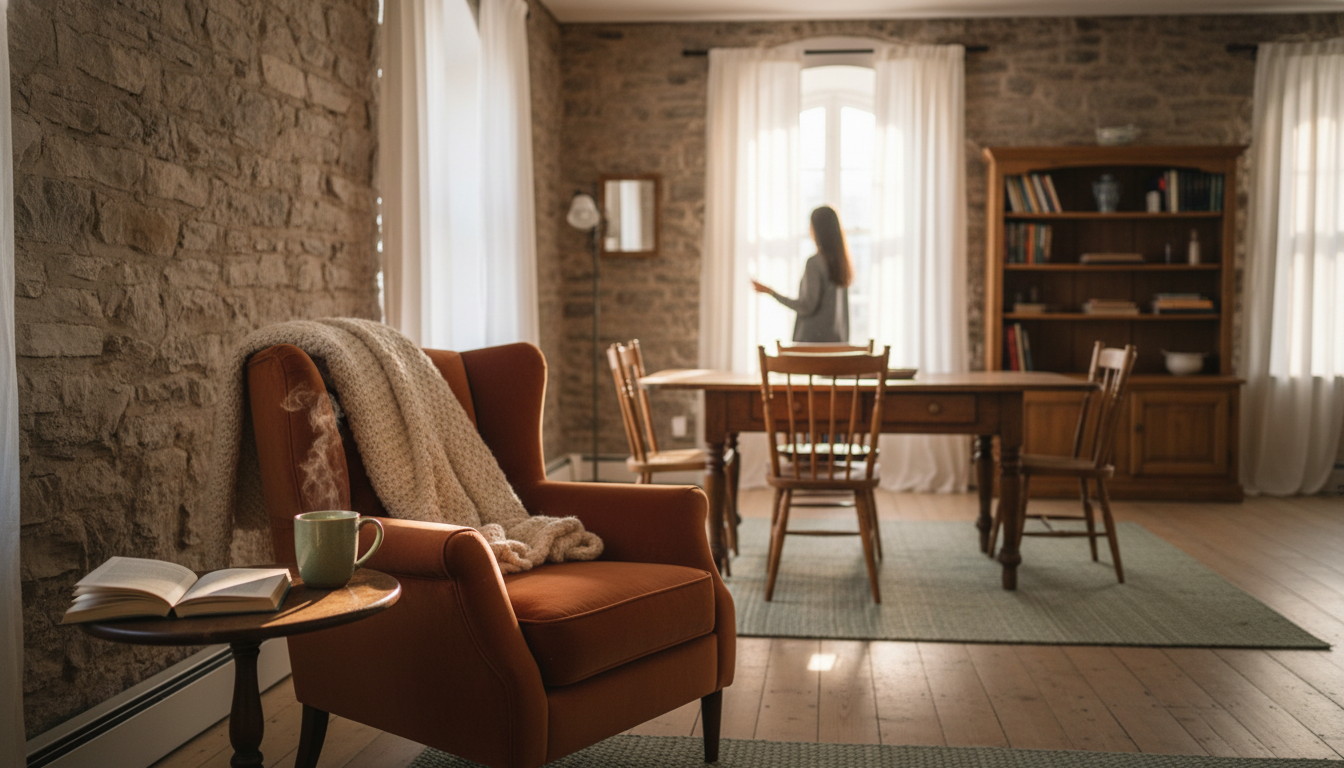 Interior of a historic Quebec City apartment with exposed stone walls, antique wooden furniture, tal
Saint-Jean-Baptiste: The Local's Favorite
If Old Quebec is the postcard, Saint-Jean-Baptiste is the love letter. This neighborhood sits just outside the walls, centered on the vibrant Rue Saint-Jean, and it's where young professionals, artists, and longtime residents actually live.
This is where I did my first Quebec City home swap, and I'm biased—it remains my favorite area.
Think Victorian-era row houses, colorful facades, independent boutiques, and some of the best restaurants in the city. Properties range from cozy one-bedroom apartments to three-story townhouses with private gardens. The vibe is walkable, lively, authentically French-Canadian. You'll hear more French here than English, and the café culture is strong. Thursday evenings, the neighborhood comes alive with locals doing their weekly shopping and socializing.
For context: a hotel in this area runs $180-280 USD/night. Home swap? Zero dollars, just your credits.
Look for properties near Rue Cartier for the best food scene, or closer to the Plains of Abraham if you want green space and morning jogs with river views.
Montcalm: Elegant and Residential
Montcalm is where Quebec City's upper-middle class has lived for generations. Tree-lined streets, elegant stone houses, proximity to the Musée National des Beaux-Arts du Québec—it's refined without being stuffy.
You'll find larger properties than in Old Quebec or Saint-Jean-Baptiste. Many homes here are single-family with gardens, garages, and multiple bedrooms. Perfect for families or groups. The trade-off is that it's quieter, more residential. You'll need to walk 15-20 minutes to reach the action of Old Quebec, though the Plains of Abraham are right at your doorstep.
I've noticed Montcalm properties tend to be listed by families with children—which means they're often looking for similar family homes in exchange. If you've got a house with a yard and kid-friendly setup, you'll have strong negotiating power here.
Limoilou: The Up-and-Coming Artist Quarter
Cross the Saint-Charles River and you'll find Limoilou—Quebec City's answer to Brooklyn or East London. Former working-class, now rapidly gentrifying, this neighborhood attracts artists, young families, and anyone priced out of the historic core.
I've seen everything from loft apartments in former factories to charming duplexes with rooftop terraces. The vibe is creative, diverse, slightly gritty in the best way. The 3e Avenue strip has excellent restaurants and bars, and the neighborhood feels genuinely lived-in rather than tourist-polished.
It's great for younger travelers, creatives, anyone who prefers authentic neighborhood life over picture-perfect historic settings.
One thing to keep in mind: you'll want a car or be comfortable with buses if staying in Limoilou. It's a 25-minute walk to Old Quebec, though the walk itself along the river is beautiful.
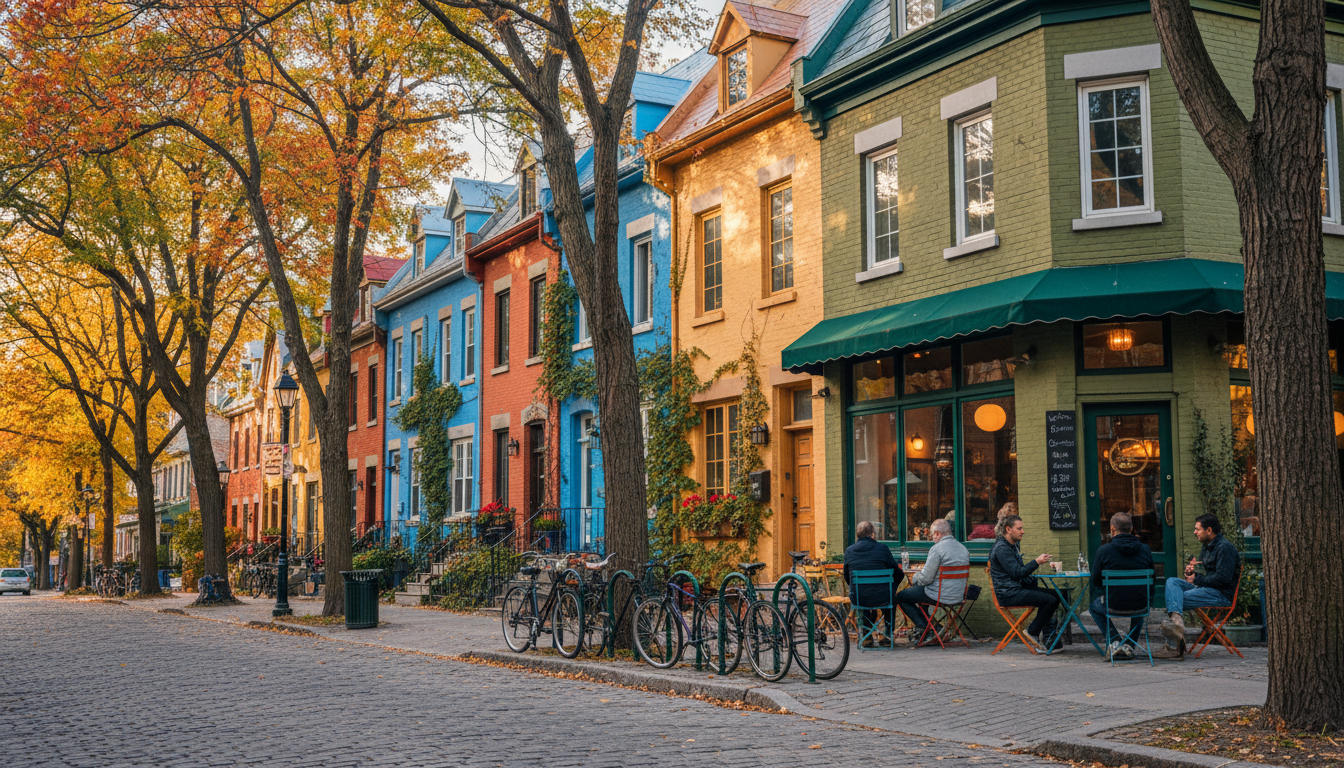 Colorful row houses on a tree-lined street in Limoilou, Quebec City, bicycles parked outside, local
Sainte-Foy: Suburban Comfort Near Université Laval
If you're traveling with family or want more space and modern amenities, Sainte-Foy delivers. This suburban area west of downtown is home to Université Laval and has a distinctly different character—think strip malls, big-box stores, and residential subdivisions.
I know, I know. Not exactly romantic. But hear me out.
You'll find spacious single-family homes, often with multiple bedrooms, finished basements, backyards, and garages. Many properties here are owned by professors, medical professionals, and families who travel frequently and maintain excellent homes. The practical appeal is real: free parking (a big deal in Quebec City), modern kitchens, laundry facilities, and space to spread out. If you're traveling for more than a week or have kids who need room to run, Sainte-Foy makes a lot of sense.
You'll need a car to enjoy staying here, but you'll also have easy access to the highways leading to Montmorency Falls, Île d'Orléans, and the Charlevoix region.
How to Find the Best Home Swap Properties in Quebec City
Alright, let's get tactical. Knowing the neighborhoods is step one—actually landing a great swap is step two.
Start Your Search Early (But Not Too Early)
Quebec City's home exchange market follows predictable patterns. The most desirable properties get snapped up 2-3 months before peak seasons. But list too early—say, 6 months out—and hosts may not be ready to commit.
The sweet spot is 8-10 weeks before your intended travel dates.
Peak seasons to plan around: Winter Carnival (late January-February), summer months (June-August), and fall foliage season (late September-October). Christmas and New Year are also competitive.
Craft a Compelling Request Message
This is where most people fail. A generic "Hi, I'd like to swap homes" message gets ignored. Quebec City hosts receive plenty of requests—you need to stand out.
What works? Mention something specific about their listing. Explain why you're visiting Quebec City. Share a bit about yourself and your home. Be warm but not overwhelming.
Here's an example that worked for me: "Bonjour Geneviève! Your apartment in Saint-Jean-Baptiste looks absolutely perfect—I've been dreaming of staying in that neighborhood ever since a friend told me about the Thursday evening market scene. I'm a travel writer from San Francisco, and I'd love to spend two weeks in November exploring Quebec City's food culture. My place has a view of the Golden Gate Bridge and is walking distance to some excellent coffee shops—I think you'd love it. Would you be open to a swap?"
Notice how I mentioned her neighborhood, gave a reason for my visit, shared relevant details about my place, and kept it friendly without being desperate.
Use SwappaHome's Credit System Strategically
Here's something beautiful about platforms like SwappaHome: you don't need a direct swap. The credit system means you can host guests from anywhere, earn credits, then use those credits to book your Quebec City stay.
This is particularly useful because Quebec City residents often want to travel to destinations you might not live near—Paris, Barcelona, tropical beaches. With credits, it doesn't matter. You've already "paid" by hosting others.
New to SwappaHome? You start with 7 free credits. That's 7 nights of accommodation anywhere in the network, including Quebec City. Not a bad way to test the waters.
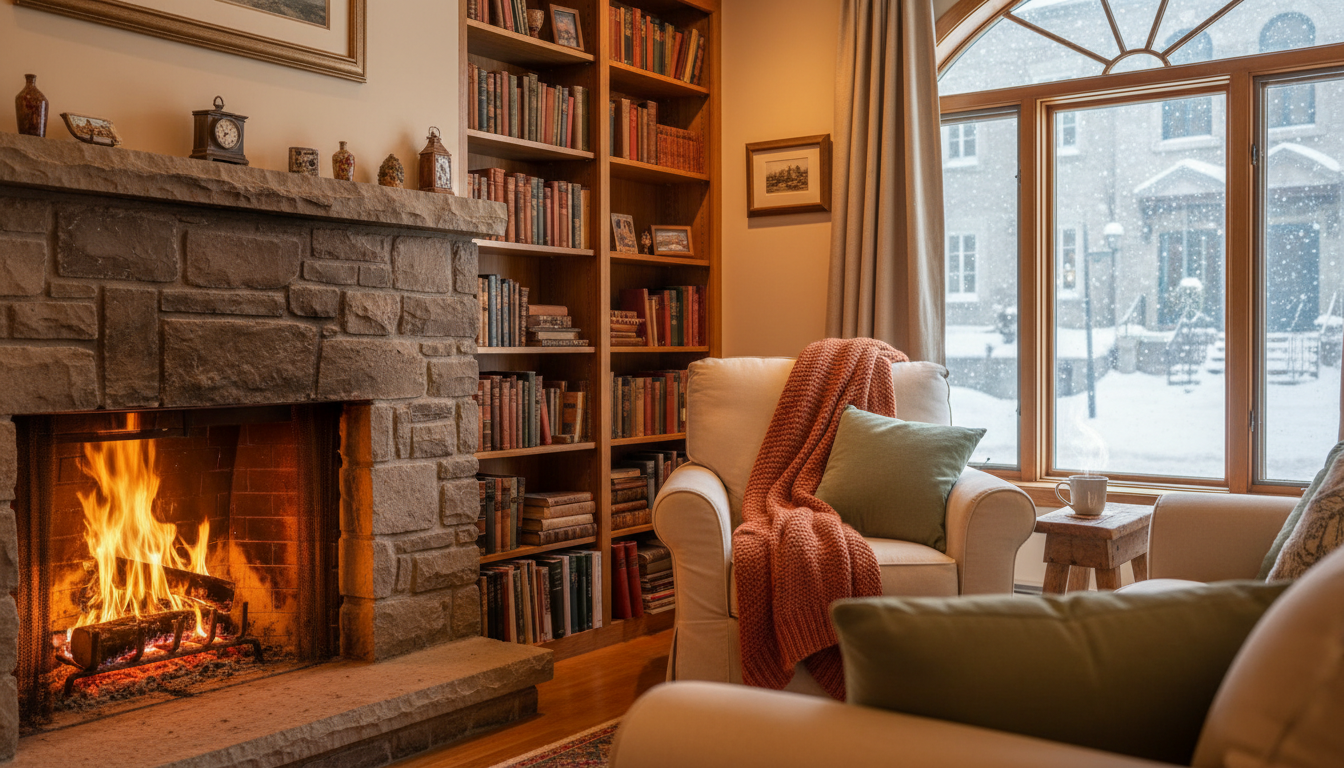 Cozy living room in a Quebec City home exchange property, fireplace lit, books on shelves, snow visi
Filter for Your Must-Haves
Before you start browsing, know your non-negotiables. Mine are usually reliable WiFi (I work remotely), a proper kitchen (I like to cook), and walkable access to coffee shops (non-negotiable life requirement).
Yours might be different—parking, pet-friendliness, accessibility features, outdoor space. Whatever they are, filter for them first. It's tempting to fall in love with a gorgeous historic apartment only to realize it's a fifth-floor walkup with no internet.
Read Reviews Like Your Trip Depends on It
Because it does.
Previous guests will tell you things the listing won't: whether the neighborhood is actually quiet, if the kitchen is well-stocked, how responsive the host is, whether that "10-minute walk to Old Town" is actually 25 minutes uphill. Pay special attention to reviews from travelers with similar needs to yours. A solo traveler's glowing review might not mean much if you're traveling with three kids.
What to Expect from Quebec City Home Swap Hosts
Quebecers have a reputation for warmth, and in my experience, it's well-earned. But there are some cultural nuances worth knowing.
Language Matters (But Don't Panic)
Quebec City is predominantly French-speaking. Many hosts will communicate primarily in French, though most also speak English. Making an effort—even just "Bonjour" and "Merci beaucoup"—goes a long way.
I always send my initial messages in English but include a line acknowledging that I know I'm visiting a French-speaking city and am excited to practice. This small gesture has opened doors.
Expect Detailed House Guides
Quebec City hosts tend to be thorough. Geneviève left me a 15-page guide covering everything from how to work the ancient radiators to her favorite spots for croissants, wine, and late-night poutine. This is common here—embrace it.
The Hospitality Extras
Don't be surprised to find a bottle of local wine, Quebec cheese, or maple syrup waiting for you. This isn't universal, but it's common enough that I've come to expect it. Reciprocate when you host—it's part of the culture.
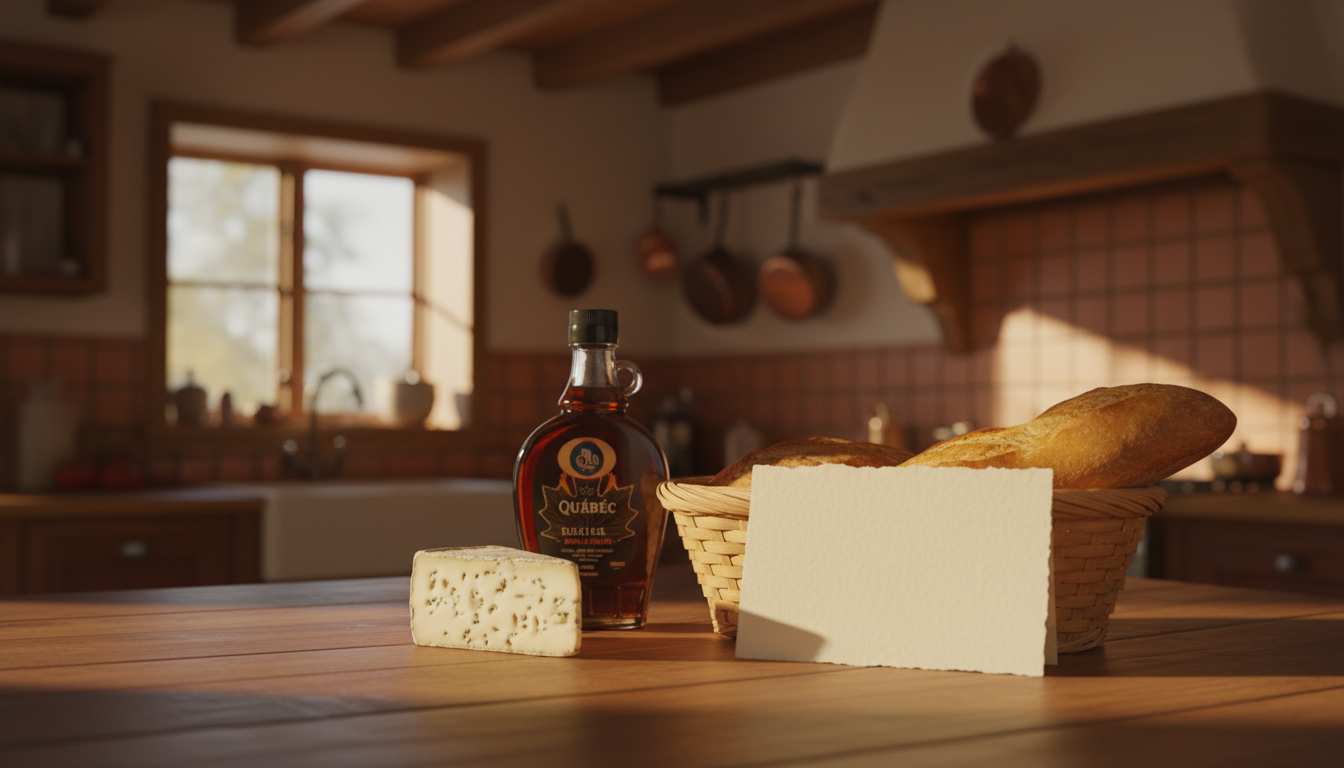 Welcome basket on a kitchen counter with Quebec maple syrup, local cheese, a baguette, and a handwri
Seasonal Considerations for Your Quebec City Home Swap
When you visit dramatically affects both availability and experience.
Winter (December-March)
Quebec City transforms into a winter wonderland. The famous Winter Carnival, Christmas markets, and snow-covered streets make this peak season for visitors but also when many locals want to escape to warmer climates.
The home swap advantage here is that hosts are eager to trade their snowy home for your (presumably warmer) location. Availability is good, but book early for Carnival dates.
Something to keep in mind: expect serious cold. We're talking -15°C to -25°C (5°F to -13°F). Properties with good heating, indoor parking, and proximity to indoor attractions become more valuable. Ask about snow removal responsibilities.
Spring (April-May)
Shoulder season. The snow melts, the city awakens, but tourist crowds haven't arrived yet. This is when locals travel for spring break, creating good swap opportunities.
The catch is that early spring can be muddy and grey. Late May is genuinely lovely.
Summer (June-August)
Peak tourist season. The city is vibrant, outdoor terraces are packed, and festivals happen constantly. This is also when Quebec City families take their own vacations, making it prime home swap season.
Competition is higher—start your search early and be flexible on exact dates.
Fall (September-October)
My personal favorite. The fall foliage around Quebec City is spectacular, the crowds thin after Labor Day, and the weather is crisp but comfortable. Many hosts travel during this period, and you'll find excellent availability.
Making the Most of Your Quebec City Home Swap
Once you've secured your swap, a few tips to maximize the experience.
Shop Like a Local
One of the greatest joys of home swapping is having a kitchen. Quebec City has incredible food markets—the Marché du Vieux-Port is the most famous, but locals prefer the smaller neighborhood markets. Ask your host where they shop.
Budget comparison: A restaurant dinner for two in Old Quebec runs $80-120 USD. Cooking at home with market ingredients? Maybe $30, and arguably better.
Embrace the Neighborhood Rhythm
Your host's neighborhood has its own patterns. The café that's packed at 8 AM, the park where everyone walks their dogs at sunset, the bar that locals actually go to. Pay attention, ask questions, and insert yourself into the routine.
Leave the Place Better Than You Found It
This is home swap etiquette 101, but it bears repeating. Clean thoroughly, replace anything you used, and leave a small gift if you can. Your review and reputation depend on it—and so does the next traveler's experience.
Common Mistakes to Avoid When Home Swapping in Quebec City
I've made most of these mistakes so you don't have to.
Underestimating distances. Quebec City looks compact on a map, but it's built on hills. That "15-minute walk" might involve serious elevation gain. Google Maps' walking estimates are optimistic here.
Ignoring parking. If you're renting a car, confirm parking arrangements before you book. Street parking in Old Quebec and Saint-Jean-Baptiste is limited, expensive, and aggressively ticketed.
Forgetting about language. While you can get by with English, having a translation app ready and learning basic French phrases will dramatically improve your experience.
Not asking about heating/cooling. Quebec City gets very cold in winter and surprisingly warm in summer. Confirm the property has adequate climate control for your travel dates.
Skipping the house guide. Your host knows things Google doesn't. Read their recommendations—they're usually gold.
The Bottom Line
Quebec City is one of those places that rewards slow travel. The kind where you wake up without an alarm, walk to the same café three days in a row until the barista knows your order, and discover hidden courtyards that no guidebook mentions.
Home swapping makes that kind of travel possible—and affordable.
The city's home exchange community is welcoming, the properties range from historic gems to comfortable family homes, and the experience of living like a local in this most European of North American cities is genuinely special. Start browsing properties on SwappaHome, craft a thoughtful request message, and be open to neighborhoods beyond the obvious tourist zones. Your perfect Quebec City home is out there, waiting for someone exactly like you to discover it.
And when you're sitting on a terrace in Saint-Jean-Baptiste, watching the sunset paint the old walls gold, you'll understand why I keep coming back.
Frequently Asked Questions
Is home swapping in Quebec City safe?
Home swapping in Quebec City is generally very safe. The city has low crime rates, and the home exchange community relies on mutual trust, verified profiles, and review systems. Members build reputations over time, and most hosts take excellent care of their guests' homes because they expect the same in return. Consider getting your own travel insurance for additional peace of mind.
How much can I save with home exchange vs hotels in Quebec City?
Significant savings are possible. Hotels in Old Quebec average $250-400 USD per night during peak season, while even modest vacation rentals run $150-200 USD nightly. A two-week home swap saves you roughly $2,800-5,600 USD in accommodation costs—money you can spend on experiences, food, and exploring the region instead.
What's the best time of year for home swapping in Quebec City?
Fall (September-October) and winter (January-February) offer the best combination of availability and experience. Fall brings spectacular foliage and fewer crowds, while winter coincides with the famous Carnival and many locals traveling south. Summer has high demand but also high availability as Quebec families vacation.
Do I need to speak French for a home swap in Quebec City?
You don't need fluency, but basic French helps enormously. Most hosts communicate in English, but the city itself is predominantly French-speaking. Learning greetings, please/thank you, and simple phrases shows respect and opens doors. Translation apps work well for anything complex.
How far in advance should I book a Quebec City home swap?
Aim for 8-10 weeks before your travel dates for the best selection. Peak periods like Winter Carnival, summer months, and fall foliage season require earlier planning—ideally 3 months ahead. Starting too early (6+ months) often means hosts aren't ready to commit to specific dates yet.

Published by
SwappaHome
SwappaHome Editorial Team
Home Exchange & Slow Travel Editorial
The SwappaHome Editorial Team brings together travel research, home-exchange community insights, and platform data to produce practical guides for first-time and experienced home swappers. Every article cites real platforms, current market rates, and verifiable city-level facts so readers can make informed decisions without guessing.
Ready to try home swapping?
Join SwappaHome and start traveling by exchanging homes. Get 7 free credits when you sign up!
Related articles
Home Swap in Rome: Where to Find the Best Properties for Your Italian Exchange
Discover where to find the best home swap properties in Rome—from Trastevere's cobblestone charm to Testaccio's local authenticity. Real neighborhoods, real advice.

Home Swap in Bangkok: Where to Find the Best Properties for Free Stays
Discover where to find the best home swap properties in Bangkok—from riverside condos in Charoen Krung to family homes in Ari. Real neighborhoods, real savings.

Home Swap for Beach Lovers: 12 Coastal Destinations Ranked for 2026
Discover the best coastal destinations for home swapping in 2026. From Portugal's Algarve to Australia's Gold Coast, find your perfect beach exchange.