
Home Swapping in Johannesburg for Seniors: Your Complete Comfort Guide
Maya Chen
Travel Writer & Home Exchange Expert
Discover how home swapping in Johannesburg offers seniors safe, comfortable, and affordable travel. Real tips from a seasoned swapper on the best neighborhoods and accessibility features.
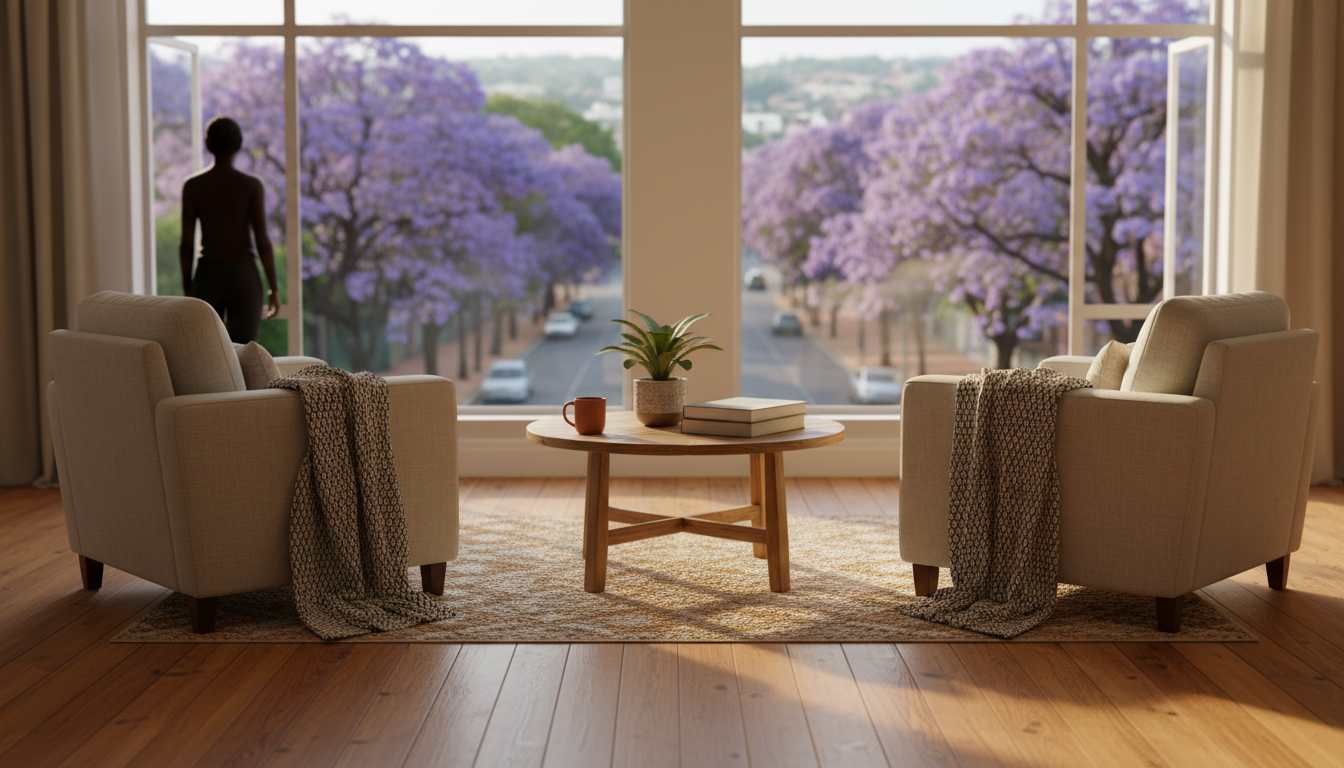
My mom called me skeptical when I first suggested she try home swapping in Johannesburg for seniors as an alternative to her usual overpriced hotel routine. "Maya," she said, "I'm 68. I need a proper bed, not some stranger's couch." Three months later, she was FaceTiming me from a sun-drenched apartment in Melville, raving about her new South African friends and the fact that she'd spent practically nothing on accommodation.
That trip changed everything for her—and honestly, it taught me that home swapping isn't just for backpackers and young families. It might actually be more suited to seniors who value comfort, safety, and genuine connection over hostel bunk beds and cookie-cutter hotel rooms.
 Elegant apartment interior in Johannesburgs Melville neighborhood with comfortable armchairs, warm w
Why Home Swapping in Johannesburg Works So Well for Senior Travelers
Here's what I've realized after watching my parents' generation discover this: seniors often have the perfect setup for home exchange. Think about it—you've likely got a comfortable, well-maintained home. You've probably accumulated more vacation time (or you're retired and time-rich). And let's be honest, you're not trying to squeeze six people into a studio apartment to save money on a party trip.
Johannesburg specifically makes a compelling case. The city has undergone a remarkable transformation over the past decade, with neighborhoods that cater beautifully to travelers who prioritize comfort and accessibility. The cost of living means your home—wherever it is—likely holds significant appeal to South African travelers wanting to explore abroad.
The exchange rate works in your favor too. As of early 2024, one US dollar gets you roughly 18-19 South African Rand. That morning coffee at a local café? About $2. A nice dinner out? Maybe $15-20 per person. Your accommodation through home swapping? Zero dollars, zero rand.
But beyond the economics, there's something about Johannesburg that resonates with mature travelers. It's a city of substance—world-class museums, incredible food scenes, and a complex history that rewards curiosity. You're not going to run out of meaningful things to do here.
Best Johannesburg Neighborhoods for Senior Home Swaps
Not all Joburg neighborhoods are created equal, especially when you're prioritizing safety, walkability, and comfort. After my mom's trip and conversations with dozens of senior swappers, these areas consistently come up as the best options.
 Tree-lined street in Rosebank with outdoor caf seating, mature trees providing shade, and well-dress
Rosebank: The Easiest Entry Point
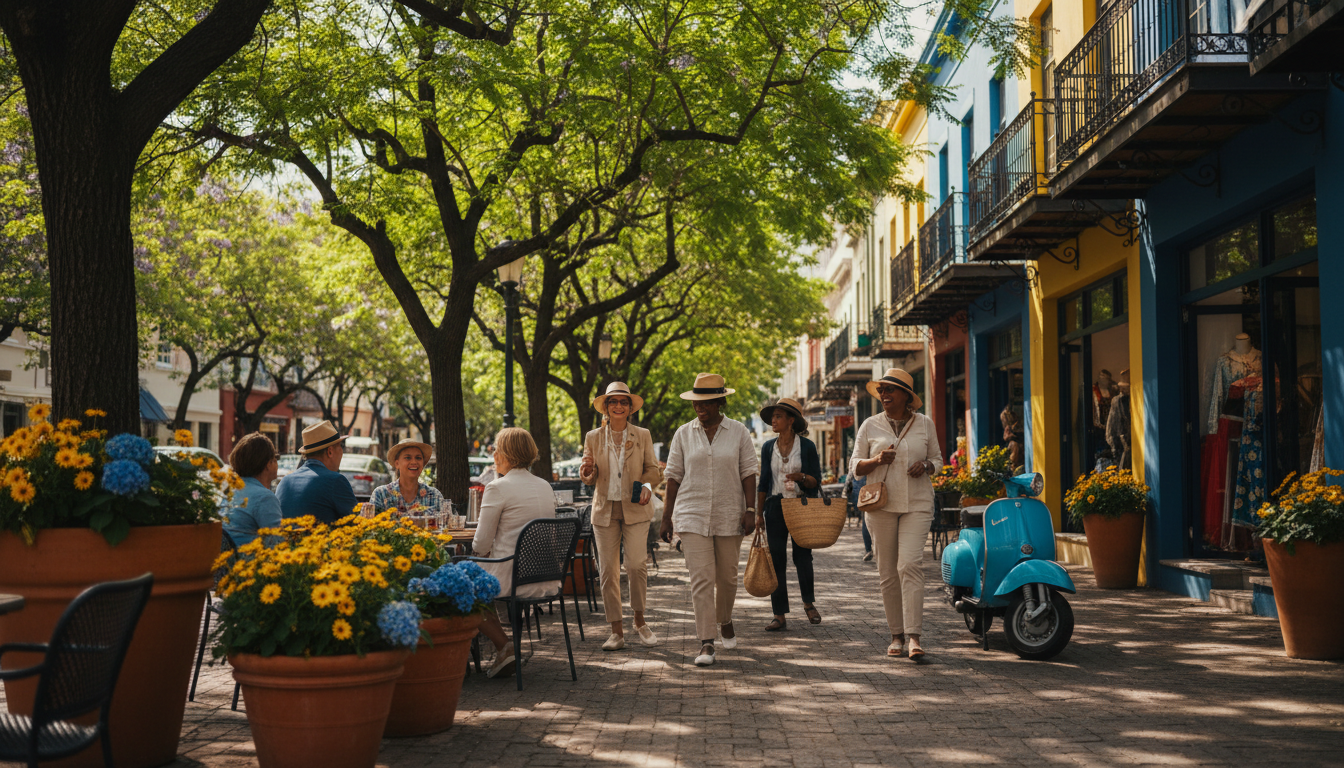
If you're nervous about navigating a new African city, Rosebank is your soft landing. This upscale commercial hub has everything within walking distance—the Rosebank Mall (with excellent air conditioning, always appreciated), the famous rooftop market on Sundays, and some of the city's best restaurants.
The neighborhood feels distinctly cosmopolitan. Wide sidewalks, good lighting, a visible security presence that puts first-timers at ease. Many apartment buildings here have 24-hour security, elevators, and underground parking—practical considerations that matter more as we get older.
Home swap properties in Rosebank tend to be modern apartments rather than houses. Expect places with lifts, accessible bathrooms, and proximity to the Gautrain (Johannesburg's rapid transit system that connects to the airport). Average property values here mean you're looking at swapping with professionals and retirees who maintain their spaces well.
Melville: For the Young-at-Heart Senior
This is where my mom stayed, and I get why she loved it. Melville has this bohemian energy—think independent bookshops, quirky cafés, and 7th Street's famous restaurant strip. It's artsy without being pretentious, and the pace is noticeably slower than central Johannesburg.
The housing stock here is mostly older homes, many from the 1920s-1940s, which means character and charm but also potential accessibility considerations. If stairs are an issue, be upfront about that when messaging potential swap partners. Many Melville homes are single-story, but not all.
What seniors love about Melville: you can actually walk places. The main strip is flat and manageable, with benches for resting and plenty of shade from mature trees. There's a real neighborhood feel—regulars at the coffee shops, familiar faces at the Sunday market.
Parkhurst: Quiet Luxury
Parkhurst is where wealthy Johannesburg families settle down, and it shows. The streets are immaculate, the gardens are magazine-worthy, and 4th Avenue offers a concentrated strip of excellent restaurants and shops.
For seniors concerned about safety, Parkhurst delivers. The neighborhood has an active residents' association, regular security patrols, and that particular quiet that comes with established money. It's also remarkably flat—important if mobility is a consideration.
Home swap properties here tend to be larger houses with gardens, often with separate guest cottages or converted outbuildings. Perfect if you're traveling with a companion and want some space, or if you simply prefer a house to an apartment.
Greenside: The Underrated Option
Nestled between Parkhurst and Melville, Greenside offers a middle ground—more affordable than Parkhurst, quieter than Melville, and increasingly popular with retirees downsizing from larger Johannesburg properties. The neighborhood centers around Barry Hertzog Avenue, with a growing collection of restaurants and a weekend market. It's less touristy than its neighbors, which some seniors prefer. You'll feel more like a local here.
How to Find Senior-Friendly Home Swaps in Johannesburg
Finding the right swap isn't just about location—it's about matching your specific needs with a property that actually meets them.
 Laptop screen showing a home listing with accessibility details, comfortable bedroom with grab bars
Be Specific About Your Accessibility Needs
This is where I see seniors make mistakes—they're too polite about their requirements. Don't be. If you need a walk-in shower instead of a bathtub, say so. If stairs are a dealbreaker, mention it in your first message. If you require a firm mattress for your back, ask about it.
Most hosts genuinely want to accommodate you. They just need to know what you need.
I've seen swaps fall through after arrival because someone didn't mention their mobility limitations and ended up in a three-story townhouse with the bedroom on the top floor. That's miserable for everyone.
When browsing listings on SwappaHome, look carefully at the photos. Count the stairs. Check if bathrooms show grab bars or walk-in showers. Look for single-story layouts or mentions of elevator access.
The Credit System Works in Your Favor
Here's something that surprises seniors new to home swapping: you don't need to find someone who wants to visit your exact city at the exact same time you want to visit theirs. SwappaHome uses a credit system—you earn 1 credit for every night you host someone, and you spend 1 credit for every night you stay somewhere else.
New members start with 10 free credits, which gives you 10 nights of accommodation to start exploring. Host a family from Cape Town for a week, earn 7 credits, then use those credits to stay in Johannesburg—or anywhere else in the network.
For seniors with comfortable homes in desirable locations, this system is particularly advantageous. Your well-appointed guest room or empty house while you're traveling becomes currency for future adventures.
Start the Conversation Early
Senior travelers, in my experience, do better with more lead time. Start reaching out to potential Johannesburg hosts 3-4 months before your intended travel dates. This gives you time to ask detailed questions, maybe even video chat with your host, and make arrangements without rushing.
Questions worth asking Johannesburg hosts specifically: How far is the nearest pharmacy and medical clinic? Is the neighborhood walkable for someone who moves slowly? What's the security situation like? (Most Joburg homes have alarm systems and security features—this is normal, not alarming.) Are there any stairs inside the property? What's the hot water situation? (Some older homes have solar geysers that run out.) Is there reliable WiFi for video calls with family?
Safety Considerations for Seniors in Johannesburg
Let's address the elephant in the room. South Africa has a reputation for crime, and Johannesburg specifically makes some travelers nervous. I'm not going to pretend the concerns are baseless—but I am going to give you a realistic picture.
 Secure residential street in Johannesburg with visible security features, well-maintained gardens, a
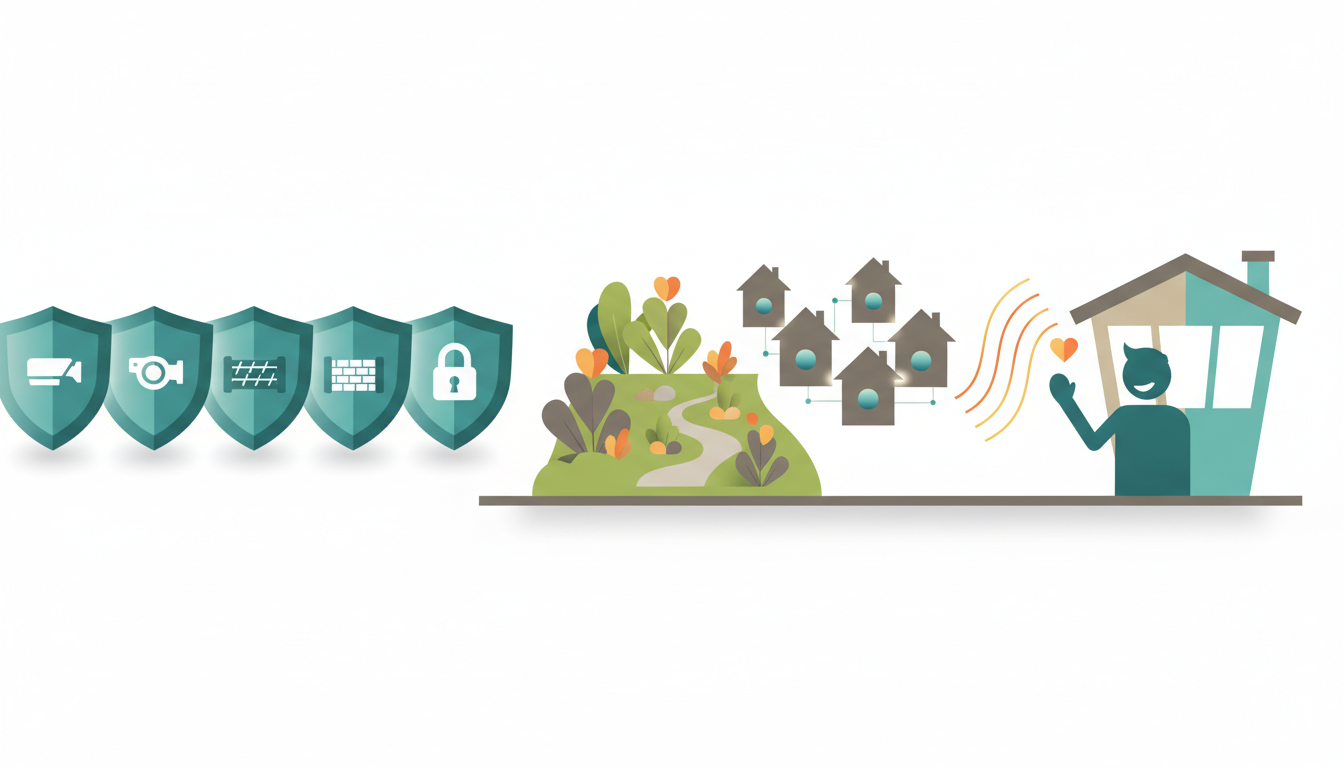
The Johannesburg that exists in 2024 is not the Johannesburg of the 1990s. The neighborhoods I've recommended have security infrastructure that rivals or exceeds most American suburbs. Gated communities, armed response services, neighborhood watch programs—these are standard, not exceptional.
That said, smart precautions matter. Don't walk around displaying expensive jewelry or electronics. This is common sense in any major city, but worth emphasizing. Use Uber instead of hailing taxis—the app-based system is safer, more reliable, and often cheaper. Stay aware of your surroundings. The same street-smart instincts you'd use in Chicago or London apply here. And ask your host for specific advice. They'll know which streets to avoid after dark, where to park safely, and how to navigate their specific neighborhood.
My mom—who is not a particularly adventurous traveler—felt completely safe during her three weeks in Johannesburg. She walked to breakfast most mornings, took Ubers to museums and markets, and never had a single concerning incident. Preparation and awareness go a long way.
What to Do in Johannesburg as a Senior Traveler
Johannesburg rewards curiosity, and seniors often have the patience and interest to engage with the city's deeper layers.
 Senior couple standing thoughtfully in front of the Apartheid Museum, reading an exhibit panel, with
The Apartheid Museum
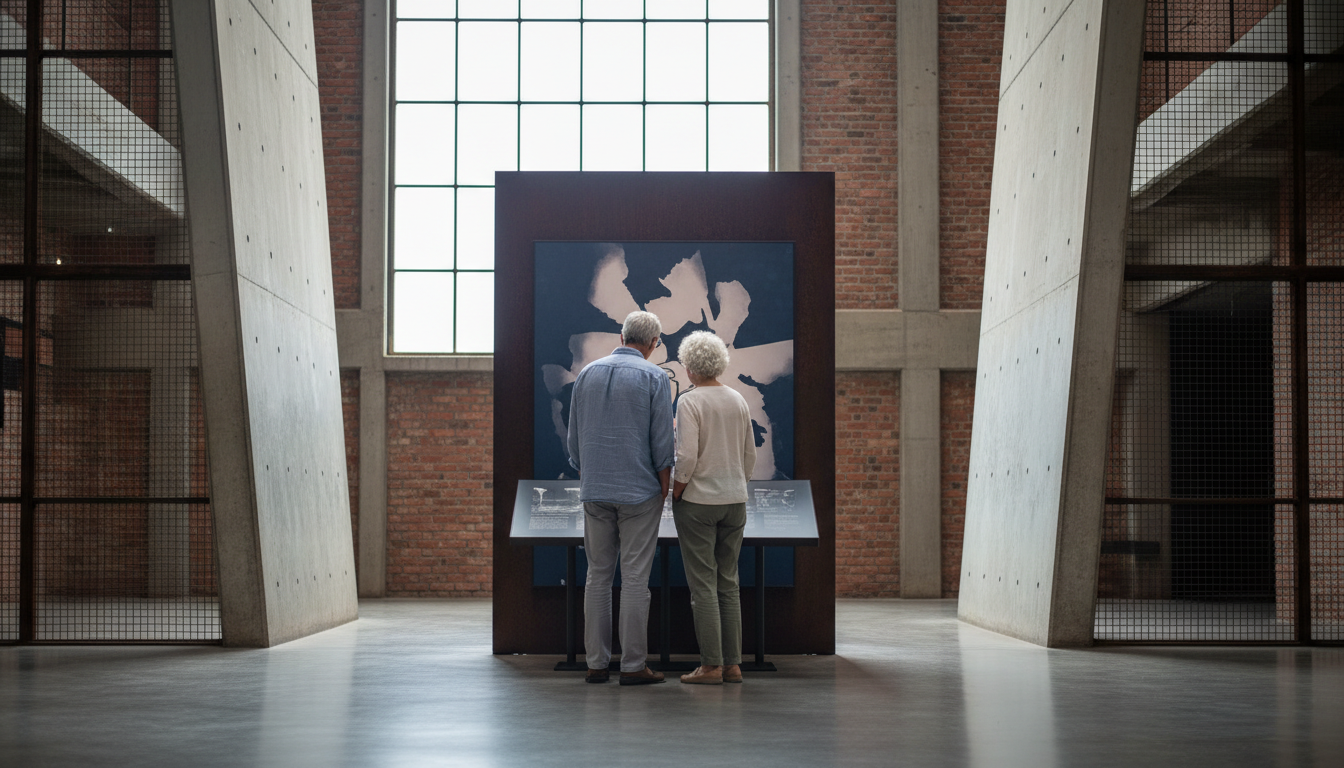
This is non-negotiable. Set aside at least three hours—more if you're a history person. The museum is thoughtfully designed with plenty of seating throughout, and the experience is profound without being exploitative. Honestly? It's one of the best museums I've encountered anywhere in the world.
Tickets cost around R150 (about $8 USD). The museum is fully accessible with ramps and elevators.
Constitution Hill
The site of a former prison complex—where both Gandhi and Mandela were held—now houses South Africa's Constitutional Court. The guided tours are excellent, and the Constitutional Court itself is architecturally stunning, incorporating bricks from the demolished prison into its structure.
The terrain involves some walking on uneven surfaces, but guided tours accommodate mobility limitations if you mention them when booking. Tours run about R100 ($5.50 USD).
Neighbourgoods Market (Saturdays)
Held at the old Braamfontein fire station, this Saturday market is Johannesburg's best for food and atmosphere. Arrive by 10am to beat the crowds, find a table, and spend a couple hours sampling everything from Ethiopian injera to South African bunny chow.
The market is on one level with accessible entrances. Budget around R200-300 ($11-17 USD) for a generous breakfast/brunch.
Maboneng Precinct
This regenerated neighborhood represents Johannesburg's creative future. Street art, design studios, excellent coffee, and the Arts on Main complex make it worth a morning visit. Go on a Sunday for the Market on Main.
A note: Maboneng is safe during daylight hours and during market times, but I'd Uber rather than walk from surrounding areas, and I wouldn't linger after dark.
Day Trip to Soweto
Yes, even for seniors. Especially for seniors, actually—you'll remember the history being lived in real-time. Book a guided tour rather than self-driving; guides provide context that transforms the experience.
Visit the Hector Pieterson Memorial, see Mandela's house on Vilakazi Street (the only street in the world to have housed two Nobel Peace Prize winners), and have lunch at a local restaurant. Full-day tours run about R800-1200 ($45-65 USD) including transport and a guide.
Practical Tips for Your Johannesburg Home Swap
Health and Medical Considerations
Johannesburg has excellent private healthcare—among the best in Africa. Major private hospitals include Netcare Rosebank Hospital, Morningside Mediclinic, and Sandton Mediclinic. If you have travel insurance (which you absolutely should), these facilities will feel familiar and professional.
Pack any prescription medications you need for the entire trip, plus a few extra days' worth. While pharmacies (called "chemists" locally) are well-stocked, your specific medication may not be available or may have a different name.
The altitude matters. Johannesburg sits at about 1,750 meters (5,740 feet)—higher than Denver. If you have heart or respiratory conditions, consult your doctor before traveling. Most people adjust within a day or two, but you might feel more tired than usual initially.
Getting Around Without a Car
While many visitors rent cars in Johannesburg, seniors doing home swaps often prefer not to deal with driving in an unfamiliar city (on the left side of the road, no less).
The Gautrain connects key areas—Rosebank, Sandton, the airport—and is clean, safe, and efficient. Uber and Bolt (a similar app) are reliable and affordable. For museum visits and day trips, consider hiring a driver for the day through your host's recommendation—often around R1500-2000 ($85-110 USD) for 8 hours.
Weather and What to Pack
Johannesburg has a subtropical highland climate—warm summers (October-March) and mild, dry winters (May-August). Winter days are often sunny and pleasant (around 15-20°C/60-68°F), but nights get cold (sometimes near freezing). Summer brings afternoon thunderstorms, usually clearing by evening.
Pack layers regardless of when you visit. Comfortable walking shoes are essential—many Johannesburg attractions involve some walking on uneven surfaces. A sun hat and sunscreen are non-negotiable; the high altitude means stronger UV exposure.
Communication with Your Host
South African hosts tend to be remarkably helpful and communicative. Don't be shy about asking for recommendations—where to eat, what to avoid, how things work. Most will provide detailed house manuals and are happy to answer questions via WhatsApp (the preferred messaging app in South Africa).
Ask about load shedding—South Africa's scheduled power outages. While improving, they still occur. Your host can explain the schedule and what backup systems (if any) the property has. Most homes in the neighborhoods I've recommended have inverters or generators for essential power during outages.
Making the Most of the SwappaHome Community
The beauty of home swapping through SwappaHome isn't just free accommodation—it's the connections you make. The platform's review system means you're dealing with vetted community members who have reputations to maintain.
Before your trip, check your potential host's reviews carefully. Look for mentions of cleanliness, communication, and accuracy of the listing. After your stay, leave an honest review—it helps the next senior traveler make informed decisions.
The verification features on SwappaHome add another layer of confidence. Verified members have confirmed their identity, which matters when you're trusting someone with your home (and they're trusting you with theirs).
One thing I'd suggest: consider getting your own travel insurance that covers your personal belongings and any medical needs. SwappaHome connects you with hosts, but it's a platform, not an insurance company. A good travel insurance policy costs relatively little and provides peace of mind—especially important for seniors who may have specific medical considerations.
Frequently Asked Questions
Is home swapping in Johannesburg safe for seniors?
Yes, home swapping in Johannesburg is safe for seniors when you choose neighborhoods with good security infrastructure like Rosebank, Parkhurst, or Melville. These areas have 24-hour security, gated properties, and active neighborhood watch programs. Use common-sense precautions, ask your host for local advice, and you'll find Johannesburg welcoming and manageable.
How much can seniors save with home swapping in Johannesburg versus hotels?
Seniors can save $150-300 per night by home swapping instead of booking comparable hotels in safe Johannesburg neighborhoods. A two-week trip could save $2,000-4,000 on accommodation alone. With SwappaHome's credit system, you pay nothing for accommodation—just earn credits by hosting guests at your own home.
What accessibility features should seniors look for in Johannesburg home swaps?
Prioritize single-story properties or apartments with elevator access, walk-in showers or grab bars in bathrooms, and locations within walking distance of amenities. Ask hosts directly about stairs, mattress firmness, and proximity to medical facilities. Neighborhoods like Rosebank offer modern apartments with excellent accessibility features.
Do I need a car for home swapping in Johannesburg as a senior?
No, seniors don't necessarily need a car in Johannesburg. Uber and Bolt are reliable and affordable throughout the city. The Gautrain connects major areas including the airport. For day trips, hiring a driver costs around $85-110 USD for a full day. Choose a home swap in a walkable neighborhood like Rosebank or Melville for maximum independence.
What's the best time of year for seniors to home swap in Johannesburg?
The best time for senior home swapping in Johannesburg is during the dry winter months (May-August) when days are sunny and mild (60-68°F) with minimal rain. Summer (October-March) brings afternoon thunderstorms and higher humidity. Winter also coincides with lower tourist season, making popular attractions less crowded and more comfortable for seniors.
My mom is already planning her return trip to Johannesburg—this time with my dad in tow. She keeps saying it was the most meaningful trip she's taken since retiring, and I believe her. There's something about staying in a real home, in a real neighborhood, that transforms travel from tourism into genuine experience.
If you're a senior considering your first home swap, Johannesburg might not be the obvious choice. But maybe that's exactly why it should be. The city has a way of surprising you—and at this stage of life, isn't that exactly what travel should do?
40+
Swaps
25
Countries
7
Years
About Maya Chen
Travel Writer & Home Exchange Expert
Maya is a travel writer with over 7 years of experience in the home swapping world. Originally from Vancouver and now based in San Francisco, she has completed more than 40 home exchanges across 25 countries. Her passion for "slow" and authentic travel led her to discover that true luxury lies in living like a local, not a tourist.
Ready to try home swapping?
Join SwappaHome and start traveling by exchanging homes. Get 10 free credits when you sign up!
Related articles
Lyon Home Exchange: Your Complete Guide to France's Hidden Gem for Home Swapping
Discover why Lyon home exchange is booming among savvy travelers. From Croix-Rousse to Presqu'île, find the best neighborhoods and insider tips for your swap.

Zurich Bucket List: 47 Unforgettable Experiences to Enjoy During Your Home Swap
Discover the ultimate Zurich bucket list for home swappers—from secret swimming spots to fondue rituals locals actually do. Save thousands while living like a true Zürcher.
Dublin Home Exchange Utilities Guide: WiFi, Heating & Everything Your Guests Need
Master Dublin home exchange utilities—from dodgy WiFi fixes to heating quirks. Practical tips from 7 years of swapping homes across Ireland.