Madeira for Retirees: Your Complete Guide to Relaxed Home Exchange Experiences

SwappaHome Editorial Team
Home Exchange & Slow Travel Editorial
Discover why Madeira is perfect for retired home swappers seeking mild weather, affordable living, and authentic Portuguese culture without the crowds.
The first time I stepped off the plane in Funchal, I understood why so many retirees never leave. The air hit me—not the humid heaviness of tropical destinations, but something softer, carrying salt and eucalyptus and the faint sweetness of passionfruit vines. I was there for a three-week home exchange, staying in a retired British couple's apartment in the old town, and by day four, I was already calculating how many credits I'd need to come back every year.
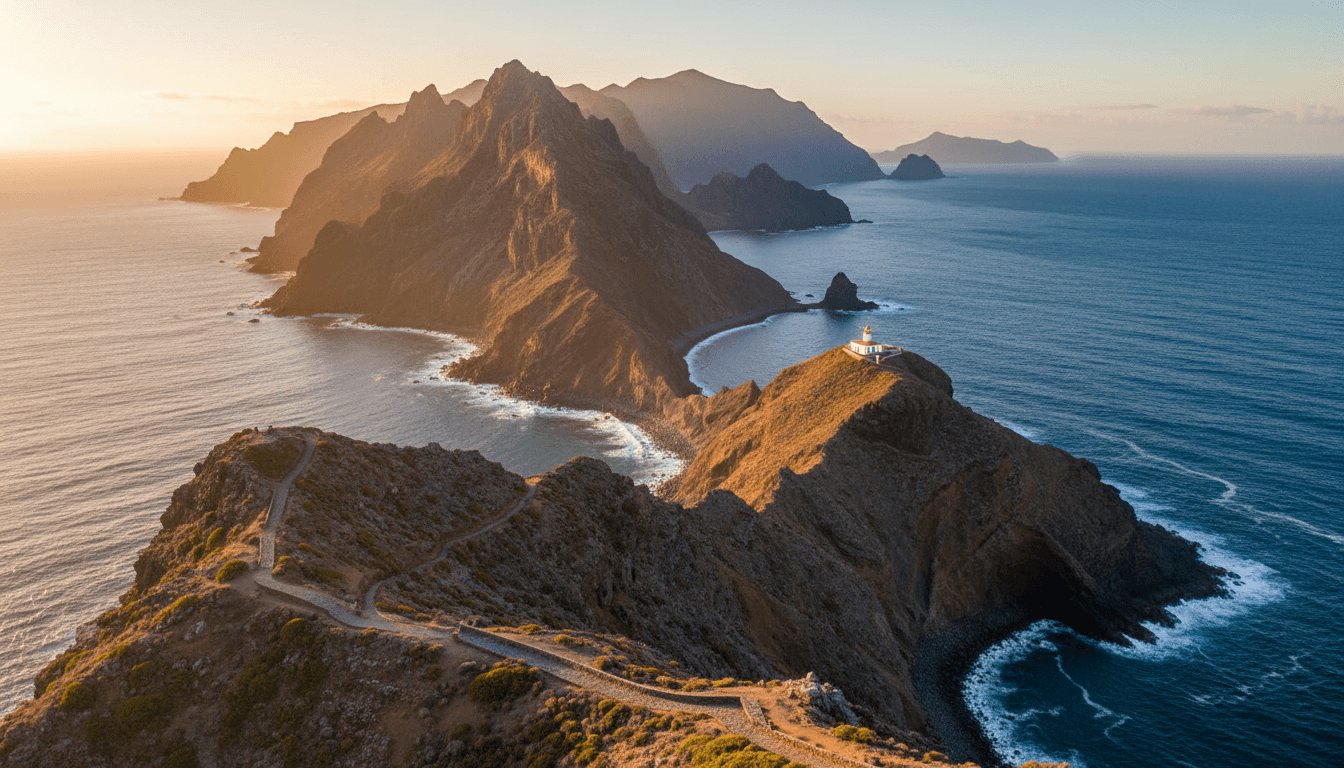
Madeira for retirees isn't just a destination—it's becoming a lifestyle. This Portuguese island, floating in the Atlantic about 600 miles off the Moroccan coast, has quietly emerged as one of Europe's most appealing spots for active seniors seeking extended stays through home exchange. After my fourth swap there? I'm convinced it's one of the best-kept secrets in the home swapping community.
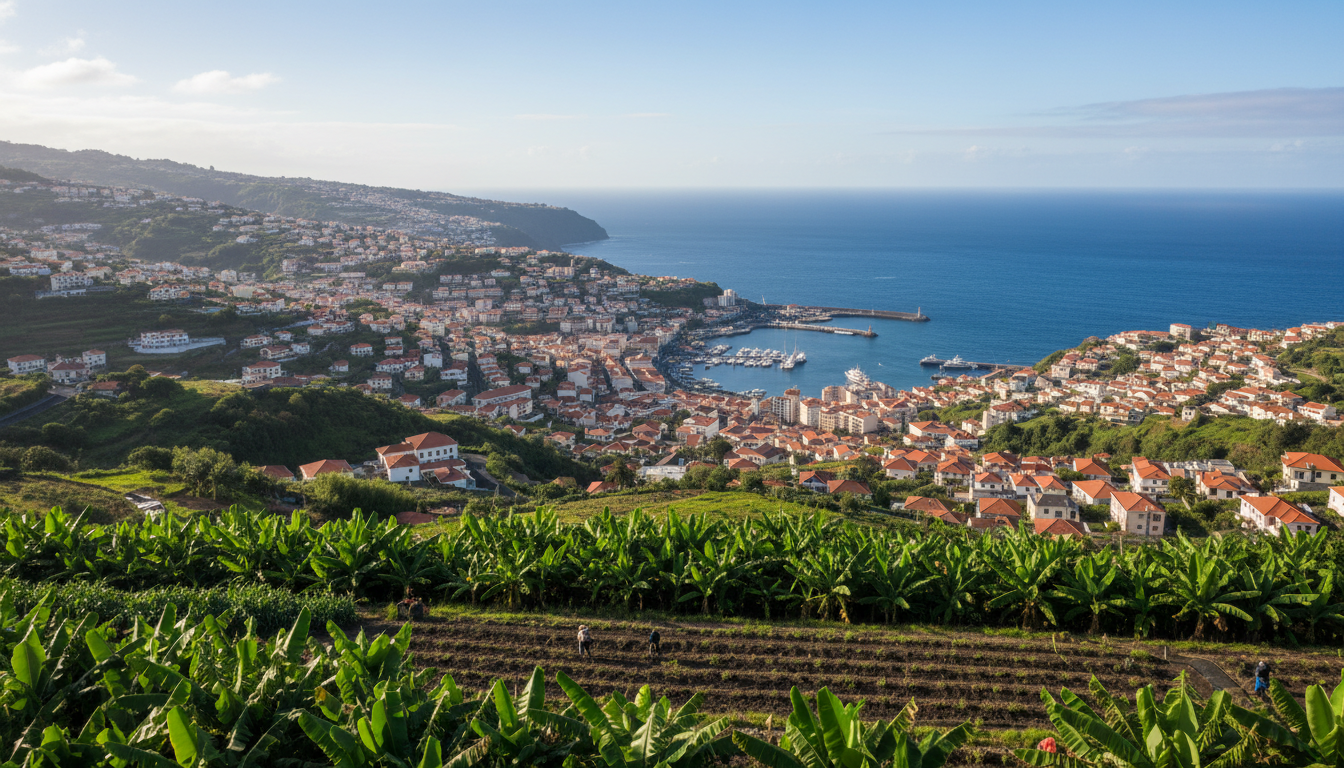 Aerial view of Funchals terracotta rooftops cascading down green hillsides to the harbor, with banan
Why Madeira Works So Well for Retired Home Exchangers
Here's the thing: Madeira isn't for everyone. If you want white sand beaches and all-inclusive resorts, look elsewhere. But if you're a retiree seeking a home exchange destination where the weather stays between 65-75°F year-round, where your morning espresso costs €0.70 ($0.75), and where you can hike coastal paths without fighting crowds of twenty-somethings taking selfies—this island will steal your heart.
The retired home exchange community here is thriving. Madeira attracts a particular kind of traveler: people who want to live somewhere, not just visit. The pace is unhurried. Shops still close for lunch. Neighbors actually say good morning. It's the Europe that many of us remember from decades ago, somehow preserved on this volcanic island.
I've met retirees from Canada, Germany, the UK, and Australia who've been doing annual swaps to Madeira for years. One couple from Oregon told me they'd done seven consecutive winters on the island, each time exchanging with different hosts. "We've seen the whole island now," the husband said, "and we're still finding new levada walks."
Best Neighborhoods for Retiree Home Swaps in Madeira
Choosing where to stay matters more here than in most destinations. Madeira's terrain is dramatic—think San Francisco hills on steroids—so picking the right neighborhood can mean the difference between a relaxing stay and one where you're constantly battling steep inclines.
Funchal's Hotel Zone (Lido Area)
This is where I'd point most first-time retired visitors. The Lido area sits along Funchal's western waterfront, and it's remarkably flat by Madeiran standards. Wide promenades perfect for morning walks, public swimming complexes with Atlantic access (the Lido pools charge about €4.50/$4.80 for seniors), and plenty of home exchange listings.
The apartments here tend to be modern, often with sea views and elevators—crucial details when you're swapping for a month or more. A retired teacher from Bristol I met during my last swap had specifically filtered her search for buildings with lifts. "I learned that lesson the hard way in Lisbon," she laughed. "Five flights of stairs sounds romantic until you're carrying groceries."
You'll find one and two-bedroom apartments in this area, many owned by retired Europeans who winter elsewhere. The neighborhood has everything within walking distance: supermarkets (Continente and Pingo Doce are the main chains), pharmacies, bakeries, and the excellent Mercado dos Lavradores farmers' market about 20 minutes away on foot.
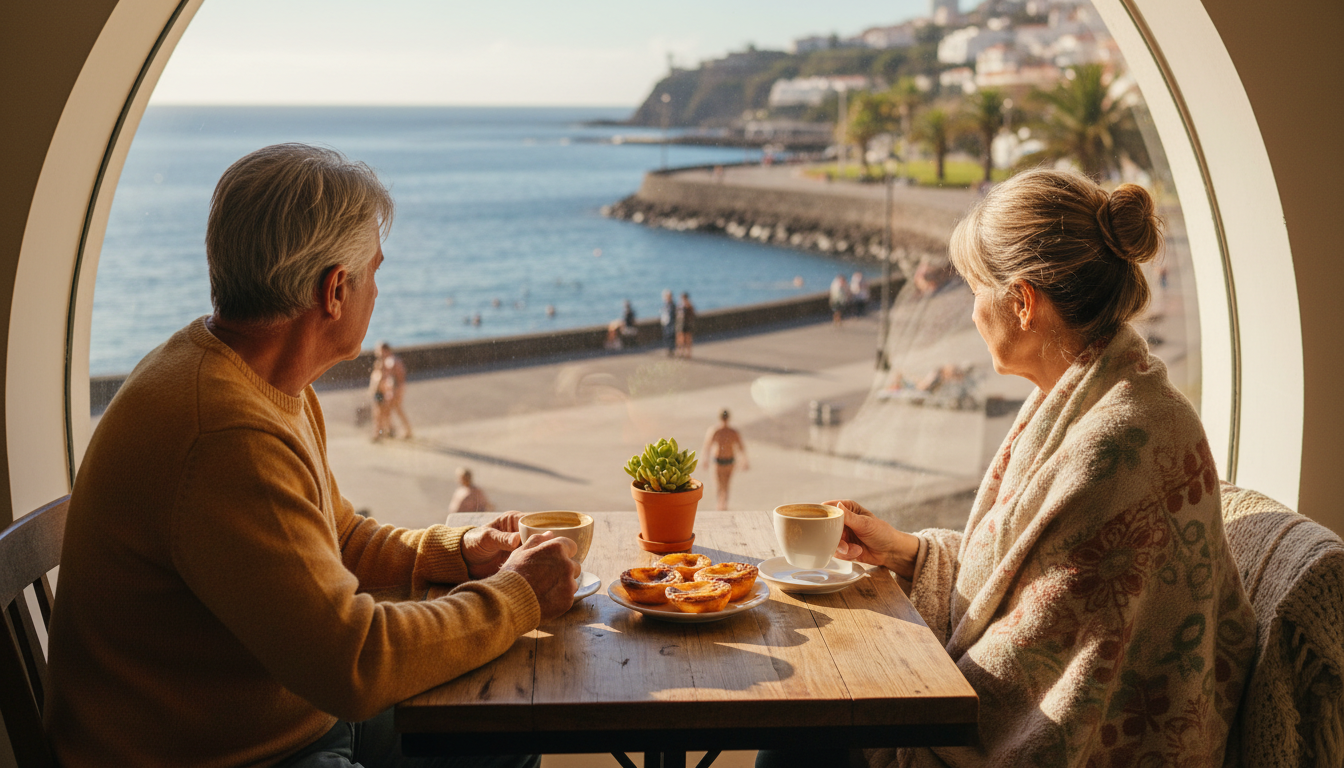 Morning scene at a seaside caf in Funchals Lido area, showing an older couple enjoying coffee and pa
Old Town (Zona Velha)
If you're steady on your feet and want character over convenience, Funchal's old town delivers. The painted doors along Rua de Santa Maria have become Instagram-famous, but the neighborhood itself remains genuinely lived-in. Cobblestones can be challenging—I'd recommend proper walking shoes—but the trade-off is waking up to church bells and having your morning galão (Madeira's version of a latte, about €1.50/$1.60) at a café where the owner knows your name by day three.
Home exchange listings in the old town tend toward character properties: renovated traditional houses, apartments in historic buildings, sometimes with quirky layouts and narrow staircases. Read the descriptions carefully. One listing I considered mentioned "panoramic terrace views"—what it didn't mention was the 47 steps to reach that terrace.
Câmara de Lobos
About 15 minutes west of Funchal by bus (€1.95/$2.10 for a single ticket, or €5.50/$5.90 for a day pass), this fishing village has become increasingly popular with retired home swappers seeking a slower pace. Winston Churchill famously painted here, and honestly, the light is extraordinary.
Câmara de Lobos is more authentically Portuguese than Funchal's tourist zones. You'll hear more Portuguese spoken, find cheaper restaurants (a prato do dia lunch special runs €7-9/$7.50-9.60), and experience what the island was like before the cruise ships discovered it. The village is compact and relatively flat along the waterfront, though the residential areas climb steeply.
I did a two-week swap here last November with a retired Portuguese couple who split their time between Madeira and mainland Portugal. Their apartment was modest—one bedroom, small kitchen—but the terrace overlooked the harbor where fishermen still bring in espada (black scabbardfish) each morning. That view alone was worth the slightly longer commute into Funchal.
Monte and the Hills
I'm including this with a caveat: only consider hillside neighborhoods if you're comfortable with steep terrain or don't mind relying on buses and taxis. Monte, famous for its botanical gardens and toboggan rides, offers cooler temperatures and spectacular views, but the gradients are serious.
That said, some of the most stunning home exchange properties I've seen in Madeira are perched in these hills. Traditional quintas (manor houses) with gardens, modern villas with infinity pools, converted farmhouses surrounded by terraced vineyards. If mobility isn't a concern and you have a rental car, these properties offer an experience you simply can't get closer to sea level.
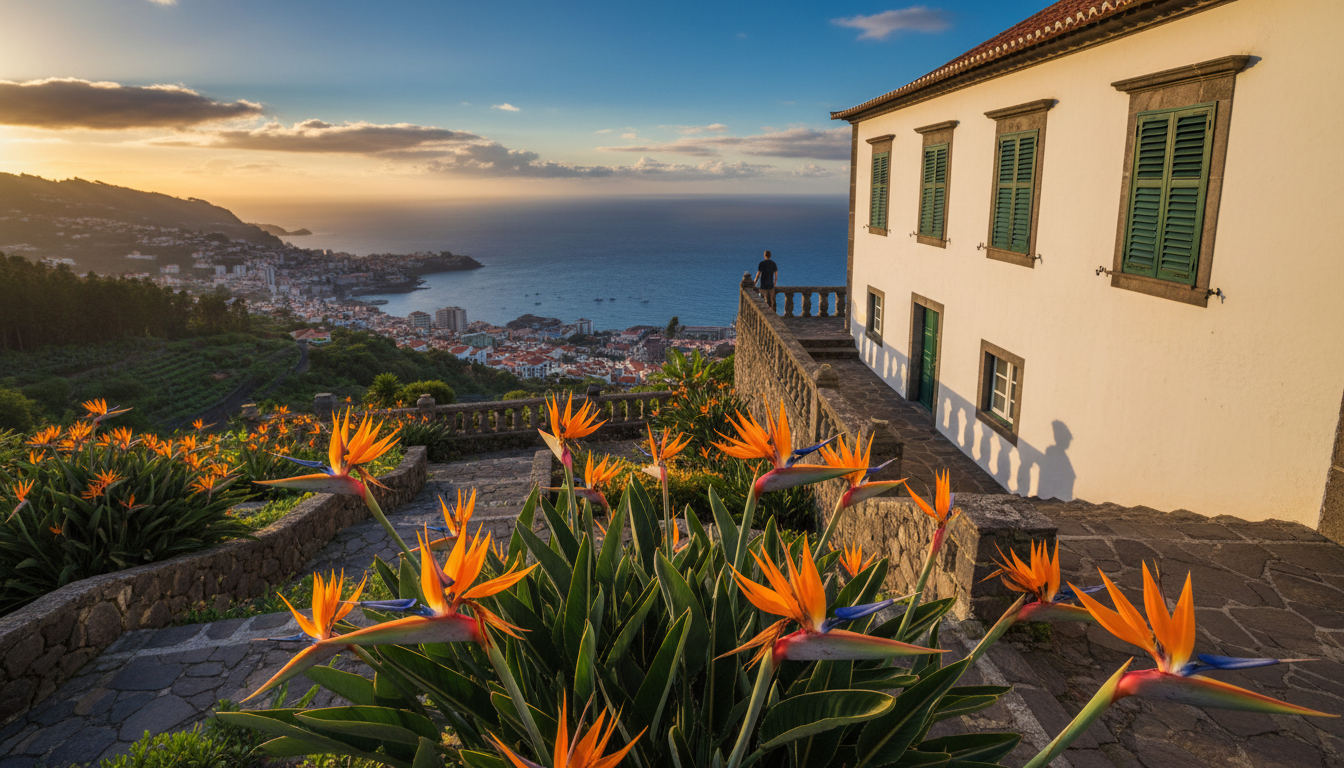 A traditional Madeiran quinta with whitewashed walls and green shutters, surrounded by terraced gard
What to Expect from Home Exchange Hosts in Madeira
The home exchange community in Madeira skews older, which works beautifully for retired swappers. You're likely to be exchanging with people who understand your priorities: a comfortable bed, good water pressure, reliable WiFi for video calls with grandchildren, and clear instructions for the quirks every home has.
Most Madeiran hosts I've encountered go above and beyond. My first swap there, the owners left a welcome basket with local bananas (sweeter and smaller than mainland varieties), a bottle of Madeira wine, and a handwritten list of their favorite restaurants. The list included notes like "ask for Maria, tell her Joaquim sent you" and "avoid Fridays, too crowded with cruise passengers."
Communication tends to be thorough. Expect detailed messages about everything from how to work the washing machine (European machines can be confusing if you're used to North American ones) to which bus routes have the best views. One host sent me a 12-page PDF guide to their neighborhood—overkill, maybe, but I appreciated knowing which bakery had the best bolo do caco (traditional Madeiran bread).
A word about language: English is widely spoken in Funchal, especially in tourist areas and among younger Madeirans. Older residents in smaller villages may speak limited English, but a few Portuguese phrases go a long way. "Bom dia" (good morning), "obrigado/obrigada" (thank you), and "a conta, por favor" (the check, please) will cover most situations.
Practical Considerations for Extended Stays
Healthcare Access
This matters for retirees, so I'll be direct: Madeira has good healthcare infrastructure, but you need to plan ahead. EU citizens can use their European Health Insurance Card (EHIC) for emergency care. Americans and others should absolutely have travel insurance—I use World Nomads, but there are several reputable options.
Funchal has a main hospital (Hospital Dr. Nélio Mendonça) and several private clinics. Many doctors speak English. Pharmacies are well-stocked and pharmacists can often recommend treatments for minor ailments without needing a prescription.
SwappaHome doesn't provide any insurance or coverage, so this is entirely your responsibility to arrange. I always recommend retirees get comprehensive travel insurance that covers medical evacuation—Madeira is remote, and if something serious happens, you might need transport to mainland Portugal or beyond.
Cost of Living
This is where Madeira really shines for extended stays. Your home exchange eliminates accommodation costs (just 1 credit per night through SwappaHome, regardless of the property), and daily expenses are remarkably reasonable.
Here's what I typically spend during a Madeira swap: coffee and pastry breakfast runs €2-3 ($2.15-3.20), lunch at a local tasca costs €8-12 ($8.55-12.80), and dinner at a mid-range restaurant is €15-25 ($16-26.70). Weekly groceries for cooking at home come to about €40-60 ($43-64), a monthly bus pass for the Funchal zone is €30 ($32), and a glass of poncha (the local drink) sets you back €3-4 ($3.20-4.25).
Compare that to hotel costs—decent hotels in Funchal run €80-150 ($85-160) per night—and you'll see why home exchange makes such a difference. A month-long hotel stay would cost €2,400-4,500 ($2,560-4,800). A month-long home exchange? 30 credits, which you've earned by hosting others at your own home.
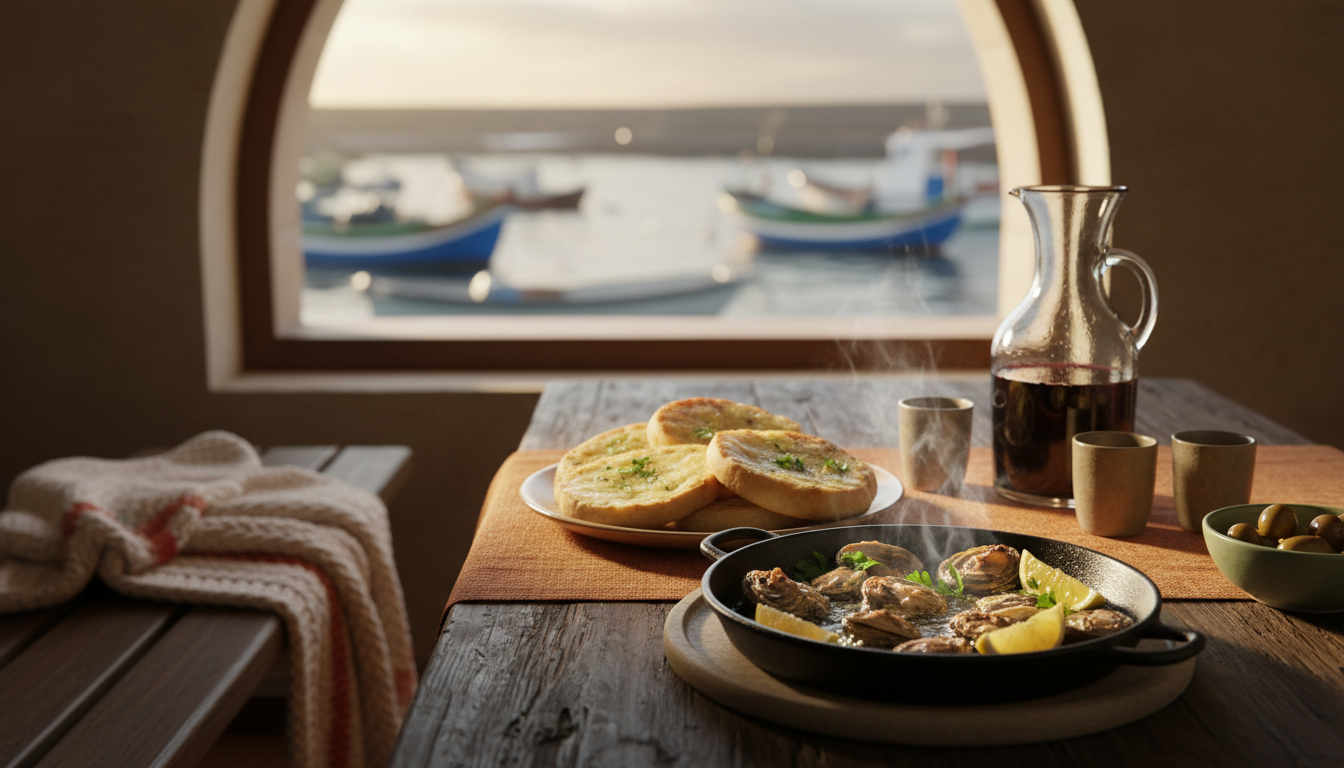 A simple but inviting spread of Madeiran food on a rustic table grilled limpets, bolo do caco bread
Getting Around
Funchal's public bus system (Horários do Funchal) is excellent and senior-friendly. Most buses have low floors for easy boarding, and drivers are generally patient. The main terminal is in the city center, and routes cover most areas retirees would want to visit.
For exploring beyond Funchal, you have options. The island-wide bus network (SAM and Rodoeste companies) reaches villages across Madeira, though schedules can be infrequent. Many retired swappers I've met rent cars for at least part of their stay—expect €25-40 ($27-43) per day for a small automatic, though manuals are cheaper and more available.
One tip: if you're not comfortable with mountain driving, stick to buses for the north coast. The roads are safe but narrow, with hairpin turns and occasional tunnels. I've driven them dozens of times and still grip the wheel a bit tighter on the stretch to São Vicente.
Activities Perfect for Retired Home Swappers
Levada Walks
Madeira's levadas—irrigation channels dating back centuries—have been converted into an extraordinary network of walking paths. There are routes for every fitness level, from flat, easy strolls to challenging mountain hikes.
For retirees, I'd suggest starting with Levada dos Tornos (Moderate, 6km), which begins near Monte and follows a gentle path through eucalyptus forest. Mostly flat with occasional steps, it takes about 2.5 hours at a leisurely pace. Levada do Caldeirão Verde (Moderate-Challenging, 13km round trip) is one of the island's most famous walks, passing through tunnels and ending at a spectacular waterfall—bring a flashlight and rain jacket, though I wouldn't recommend it if you're uncomfortable with heights since some sections have steep drops. Ponta de São Lourenço (Moderate, 8km round trip) takes you to the island's eastern tip, offering coastal scenery completely different from the lush interior. It's exposed and windy, so bring layers. The path is well-maintained but has some uneven sections.
Guided walks are available if you prefer company—expect €25-40 ($27-43) per person for a half-day group walk. Many retired swappers I know join these for the social aspect as much as the expertise.
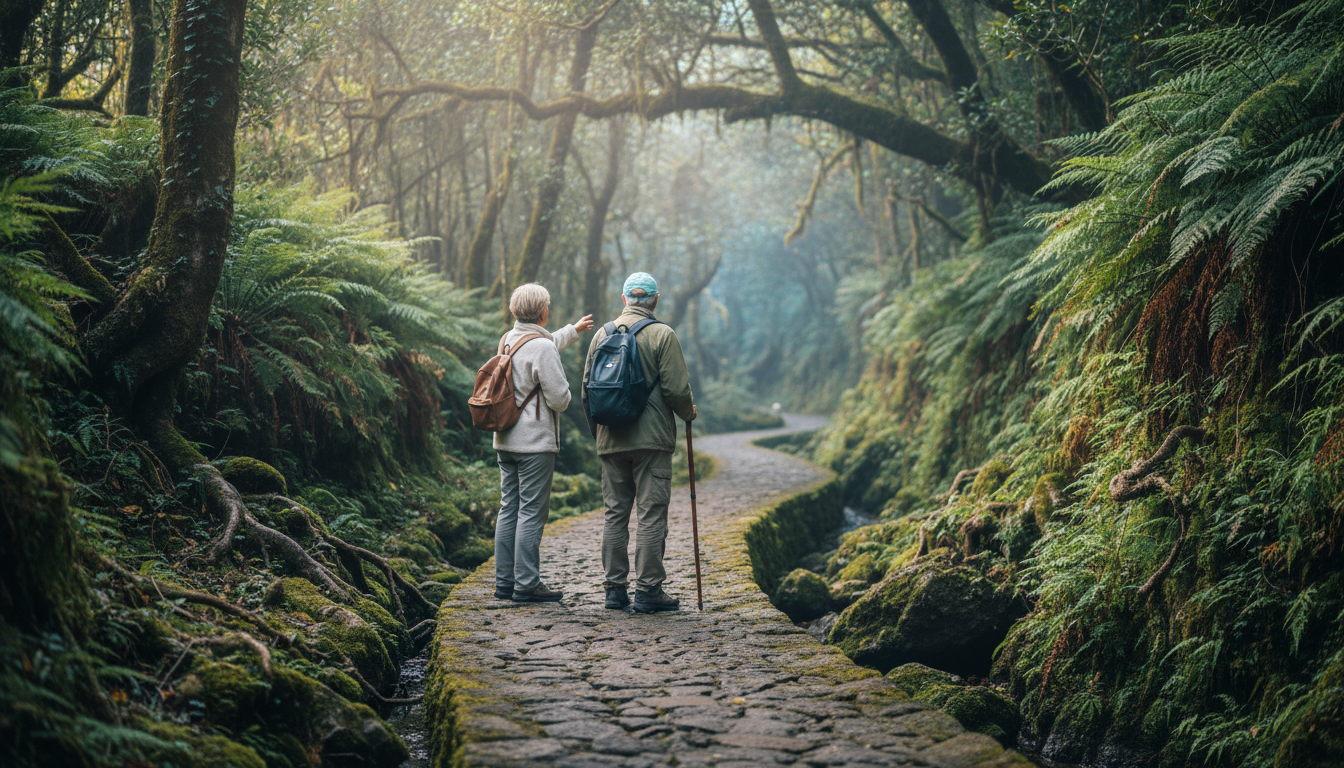 Two older hikers pausing on a levada path, surrounded by lush ferns and moss-covered rocks, with dap
Gardens and Nature
Madeira's year-round mild climate creates conditions for some of Europe's most impressive gardens. The Jardim Botânico (€6/$6.40 entry, seniors €4.50/$4.80) showcases plants from five continents across terraced hillsides. Go early to avoid tour groups.
Monte Palace Tropical Garden (€15/$16, no senior discount unfortunately) is pricier but worth it for the Asian-influenced design and tile collection. The cable car from Funchal to Monte (€18/$19 round trip) is an experience in itself.
For something more casual, the Santa Catarina Park in central Funchal is free, flat, and perfect for a morning stroll among subtropical plants and ocean views.
Cultural Experiences
The Madeira Story Centre (€10/$10.70) provides excellent context for understanding the island's history, from volcanic formation through Portuguese colonization to modern times. Interactive exhibits keep it engaging.
Funchal's cathedral (Sé) is free to enter and worth a visit for its Manueline ceiling. The adjacent Sacred Art Museum (€3/$3.20) houses an impressive collection of Flemish paintings.
For wine lovers—and Madeira wine is genuinely special—Blandy's Wine Lodge offers tours and tastings in a historic building near the waterfront. Tours run €7.50-15 ($8-16) depending on how many wines you sample. The 10-year-old Malmsey is my personal favorite: rich, sweet, with notes of caramel and dried fruit.
Building Your Home Exchange Listing for Madeira Success
If you're hoping to attract Madeiran hosts for a reciprocal exchange—or simply want to earn credits by hosting guests who might one day swap with you—here's what I've learned works.
Be specific about accessibility. Madeiran hosts are often retired themselves and appreciate knowing whether your home has stairs, a walk-in shower, or nearby parking. These details matter more to this community than trendy décor. Mention your interests too—I've seen successful exchanges happen because both parties mentioned loving gardens, or wine, or birdwatching. Common interests build trust and often lead to personalized recommendations.
Include photos of practical spaces. Yes, show your living room, but also photograph your kitchen, your bathroom, your bedroom. Retirees planning month-long stays want to know the washing machine exists and the bed looks comfortable. And respond promptly and thoroughly—the retired home exchange community tends toward detailed communication. Match their energy. If someone asks about your neighborhood, don't just say "it's nice"—tell them about the bakery on the corner and the bus stop two blocks away.
On SwappaHome, you can message potential exchange partners directly through the platform's secure messaging system. The review system helps build trust—hosts with positive reviews from previous exchanges tend to get more requests. Take the time to leave thoughtful reviews after your stays; it helps the whole community.
When to Visit Madeira
The beauty of Madeira's climate is that there's no bad time. But for retirees, some seasons work better than others.
November through March brings Madeira's "winter," though temperatures rarely drop below 60°F (15°C) in Funchal. This is peak season for northern European retirees escaping gray winters. Home exchange competition is higher, so book early—I start reaching out to potential hosts 3-4 months ahead for winter stays.
April and May offer spectacular flowers (the Flower Festival in late April is worth planning around) and comfortable temperatures for hiking. Crowds are moderate.
June through August is warmest, with temperatures reaching the low 80s°F (27-28°C). The island gets busier with families on summer holiday. Some retirees avoid this period; others love the energy.
September and October might be my favorite months. The summer crowds thin, temperatures remain warm, and the grape harvest brings a festive atmosphere to the wine regions. It's also when you'll find the ripest passion fruit and the sweetest bananas at the markets.
Staying Safe and Healthy
Madeira is remarkably safe—one of the safest destinations I've ever visited. Violent crime is virtually nonexistent, and petty theft is rare outside of obvious tourist traps. Use normal precautions (don't leave valuables visible in parked cars, keep an eye on your bag in crowded markets) and you'll be fine.
The bigger concerns for retirees are practical. Sun exposure is real—the subtropical sun is stronger than it feels, especially at altitude, so wear sunscreen even on cloudy days. Terrain is another consideration: those cobblestones and steep streets are charming but treacherous if you're not careful, so sturdy, non-slip shoes are essential. Altitude changes matter too—if you have heart or respiratory conditions, be aware that some levada walks reach elevations above 1,000 meters (3,280 feet). Take it slow and stay hydrated. And isolation is worth noting: Madeira is remote. Make sure someone knows your plans if you're hiking solo, and keep your phone charged. Mobile coverage is good on main paths but can be spotty in remote areas.
Remember, SwappaHome is a platform connecting you with hosts—they don't provide insurance, damage coverage, or emergency assistance. Arrange your own travel insurance and have a plan for medical emergencies before you go.
Making Connections in the Expat and Home Exchange Community
One unexpected joy of home swapping in Madeira: the community. Many retired swappers return year after year, and informal networks have developed. I've been invited to potlucks, hiking groups, and wine tastings organized by fellow home exchangers.
Facebook groups like "Madeira Expats" and "Funchal Community" can help you connect before you arrive. Be upfront that you're visiting temporarily through home exchange—most groups welcome short-term visitors and can offer invaluable local knowledge.
Some hosts leave notes about their own social connections: "Our neighbors Maria and João speak English and love meeting visitors" or "The Saturday morning walking group meets at the Lido at 9am—just show up." These introductions can transform a pleasant stay into a memorable one.
A Final Thought
I've written about dozens of destinations over the years, but Madeira holds a particular place in my heart. There's something about the pace here—the way mornings unfold slowly over coffee, the way strangers nod hello on levada paths, the way the light turns golden over Funchal harbor each evening—that feels increasingly rare in our hurried world.
For retirees seeking more than a vacation, home exchange in Madeira offers something hotels simply can't: the chance to live, however briefly, as a local. To have a neighborhood café where they know your order. To learn which market stall has the best tomatoes. To return, year after year, to a place that starts to feel like a second home.
If you're considering your first Madeiran home swap, my advice is simple: reach out to hosts, be genuine about who you are and what you're seeking, and give yourself enough time. A week is a visit. A month is an experience. And if you're anything like the dozens of retired swappers I've met on the island, a month might just convince you to start planning next year's return.
SwappaHome makes it straightforward—browse listings, message hosts through the platform, and book using your credits. New members start with 7 free credits, which could cover a full week in Madeira. After that, you earn more by hosting guests in your own home. It's a system built on trust and reciprocity, and it works.
I'll be back in Funchal this February, swapping with a retired couple from the Azores. Their apartment has a terrace facing the harbor and, according to their listing, the best sunset views in the old town. I'm already counting the days.
Frequently Asked Questions
Is Madeira safe for retired travelers?
Madeira is exceptionally safe for retirees. Violent crime is rare, and the local culture is welcoming to older visitors. The main safety considerations are practical—uneven cobblestones, steep terrain, and strong sun. Use sensible footwear, stay hydrated, and take your time on hills. Most retired home exchangers report feeling safer in Madeira than in their home countries.
How much does a month-long home exchange in Madeira cost?
With home exchange, accommodation is free—you simply use credits earned by hosting others. Beyond that, expect €800-1,200 ($850-1,280) monthly for a comfortable lifestyle including groceries, dining out, transportation, and activities. That's roughly €27-40 ($29-43) per day, significantly less than most European destinations and a fraction of hotel costs.
What's the best time of year for retired home swappers to visit Madeira?
November through March is most popular with retired home exchangers escaping northern winters, with temperatures around 60-68°F (15-20°C). September and October offer warm weather, fewer crowds, and harvest festivals. Madeira's mild year-round climate means there's truly no bad time—it depends on whether you prefer livelier summer energy or quieter shoulder seasons.
Do I need a car for a home exchange stay in Madeira?
Not necessarily. Funchal has excellent public buses, and many retirees manage comfortably without a car. A rental car (€25-40/$27-43 daily) expands your options significantly for exploring the island's villages and remote levada walks, though. If you're uncomfortable with mountain driving, consider renting only for specific day trips or joining organized tours instead.
How do I find home exchange listings in Madeira suitable for retirees?
On SwappaHome, filter listings by location (Funchal, Câmara de Lobos, etc.) and read descriptions carefully for accessibility details like elevators, step-free access, and proximity to amenities. Message hosts directly to ask about specific needs. The platform's review system helps identify reliable hosts, and the community of retired exchangers in Madeira tends to be particularly thorough in their listings.

Published by
SwappaHome
SwappaHome Editorial Team
Home Exchange & Slow Travel Editorial
The SwappaHome Editorial Team brings together travel research, home-exchange community insights, and platform data to produce practical guides for first-time and experienced home swappers. Every article cites real platforms, current market rates, and verifiable city-level facts so readers can make informed decisions without guessing.
Ready to try home swapping?
Join SwappaHome and start traveling by exchanging homes. Get 7 free credits when you sign up!
Related articles

Bachelor and Bachelorette Parties in Singapore: The Complete Home Swap Group Guide for 2026
Planning a bachelor or bachelorette party in Singapore? Discover how home swapping lets groups of 6-12 stay together in luxury condos, saving thousands while partying in Marina Bay.
Cycling in Lisbon: 7 Home Swap Bike Tour Itineraries for Every Rider
Discover the best cycling routes in Lisbon with these home swap bike tour itineraries—from waterfront paths to hilltop adventures, all starting from your borrowed home.
Graduation Trip to Barcelona: How Home Swapping Gives New Graduates the Ultimate Celebration
Planning a graduation trip to Barcelona? Discover how home swapping lets new graduates explore Spain's most vibrant city without the hostel crowds or hotel costs.