Save Money in Kyoto: Home Exchange Tips for Budget Travelers in 2026

SwappaHome Editorial Team
Home Exchange & Slow Travel Editorial
Discover how to save money in Kyoto through home exchange. Real tips for budget travelers: neighborhoods, costs, transport, and local secrets for 2026.
The morning light filters through shoji screens in Higashiyama, and you're padding across tatami mats to make coffee in a kitchen stocked with local sencha tea and rice crackers your host left behind. Outside, the narrow stone-paved lanes of Ninenzaka are still quiet—the tour buses won't arrive for another two hours. This is what it means to save money in Kyoto through home exchange: not just cheaper accommodation, but a fundamentally different way of experiencing Japan's ancient capital.
Kyoto accommodation costs have become genuinely painful. A mid-range hotel near Gion runs ¥25,000–45,000 ($165–300 USD) per night during cherry blossom season. Even budget hostels in less central areas charge ¥6,000–9,000 ($40–60 USD) for a dorm bed. Meanwhile, home exchange travelers wake up in actual Kyoto homes—machiya townhouses in Nishijin, modern apartments overlooking the Kamo River, traditional houses with gardens in Arashiyama—spending zero on accommodation and redirecting that budget toward kaiseki dinners, tea ceremonies, and day trips to Nara.
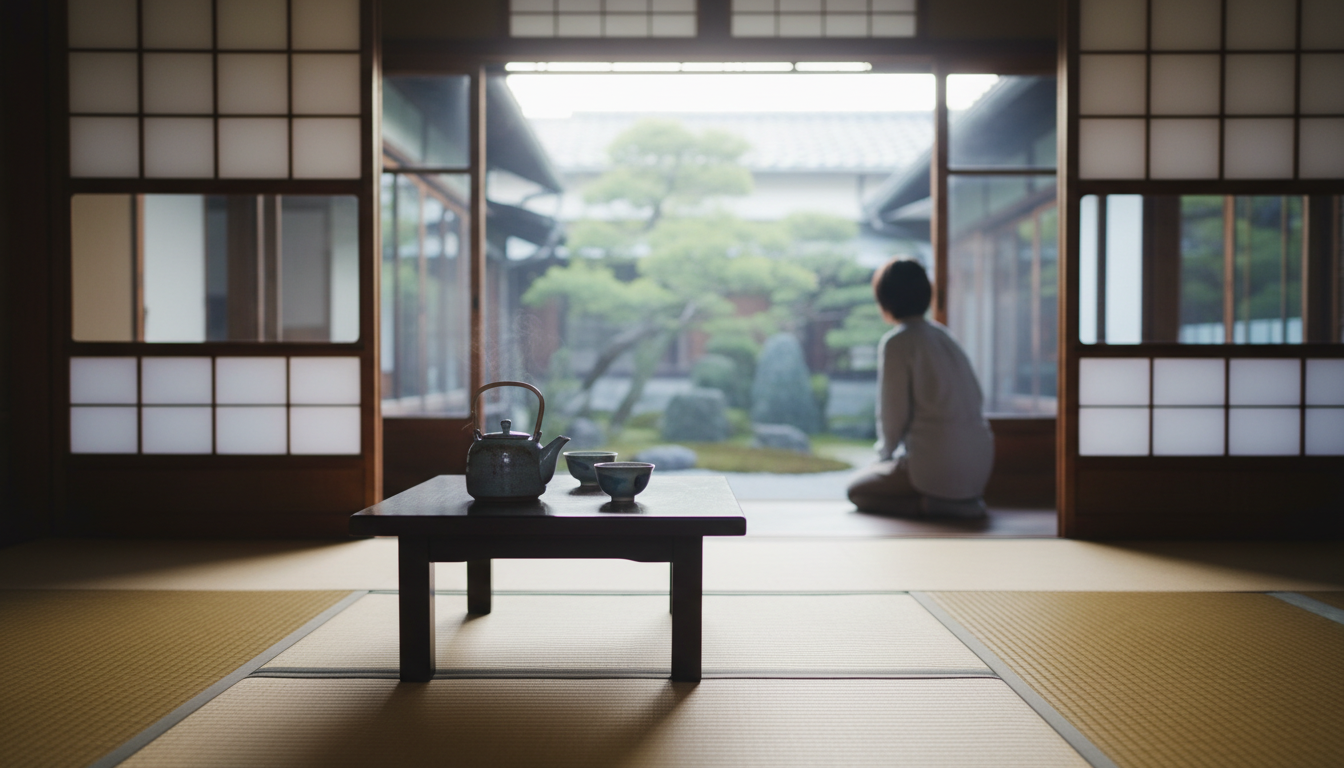 Traditional Kyoto machiya townhouse interior at dawn, shoji screens filtering soft light onto tatami
Why Home Exchange Works Exceptionally Well in Kyoto
Kyoto presents a unique opportunity for home exchange that doesn't exist in quite the same way in Tokyo or Osaka. The city's residential neighborhoods remain remarkably traditional—many homes feature architectural elements that hotels simply cannot replicate. When you exchange homes here, you're not just getting a place to sleep. You're getting access to a lifestyle that tourists typically only glimpse through museum exhibits.
The SwappaHome community has seen significant growth in Kyoto listings over the past two years, driven largely by Japanese members who travel internationally and want authentic accommodation abroad in return. This creates a genuine exchange of cultural access: you offer your London flat or Chicago condo, and in return, you get to experience daily life in a city where 17 UNESCO World Heritage Sites sit within cycling distance of residential neighborhoods.
Here's what makes Kyoto particularly suited to home exchange:
Neighborhood immersion matters more here than almost anywhere. Kyoto's magic isn't concentrated in a few blockbuster attractions—it's distributed across dozens of distinct districts, each with its own character, temples, and hidden spots. Staying in a home in Kitashirakawa puts you near Ginkaku-ji and the Philosopher's Path with none of the crowds. A place in Fushimi means you can visit Fushimi Inari at 5 AM when the famous torii gates are empty. Hotels cluster tourists in the same central areas; home exchange scatters you into the city's actual fabric.
Japanese hosts tend to be exceptionally thorough. Cultural norms around hospitality (omotenashi) mean Kyoto hosts typically leave detailed guides covering everything from garbage separation schedules—Kyoto's are notoriously complex, with 燃えるゴミ on Mondays and Thursdays, 資源ごみ on alternate Wednesdays—to which local sento bathhouse has the best water. This local knowledge alone can save hours of confusion and hundreds of dollars in tourist-trap mistakes.
The cost differential is dramatic. Because Kyoto's tourism infrastructure skews toward either luxury ryokans (¥50,000–150,000/night) or cramped budget options, the middle ground barely exists. Home exchange fills this gap perfectly—you get space, amenities, and location that would otherwise cost ¥30,000+ per night, all for zero accommodation cost.
Best Kyoto Neighborhoods for Home Exchange Stays
Not all Kyoto neighborhoods offer the same experience, and choosing the right area can make or break your trip. Here's an honest breakdown based on what actually matters to budget-conscious travelers.
Higashiyama: The Atmospheric Choice
Higashiyama is what most people picture when they imagine Kyoto—preserved wooden buildings, stone-paved streets, geisha glimpses at dusk. Homes here are often traditional machiya townhouses, narrow and deep, with small interior gardens (tsuboniwa) that somehow make 40 square meters feel spacious.
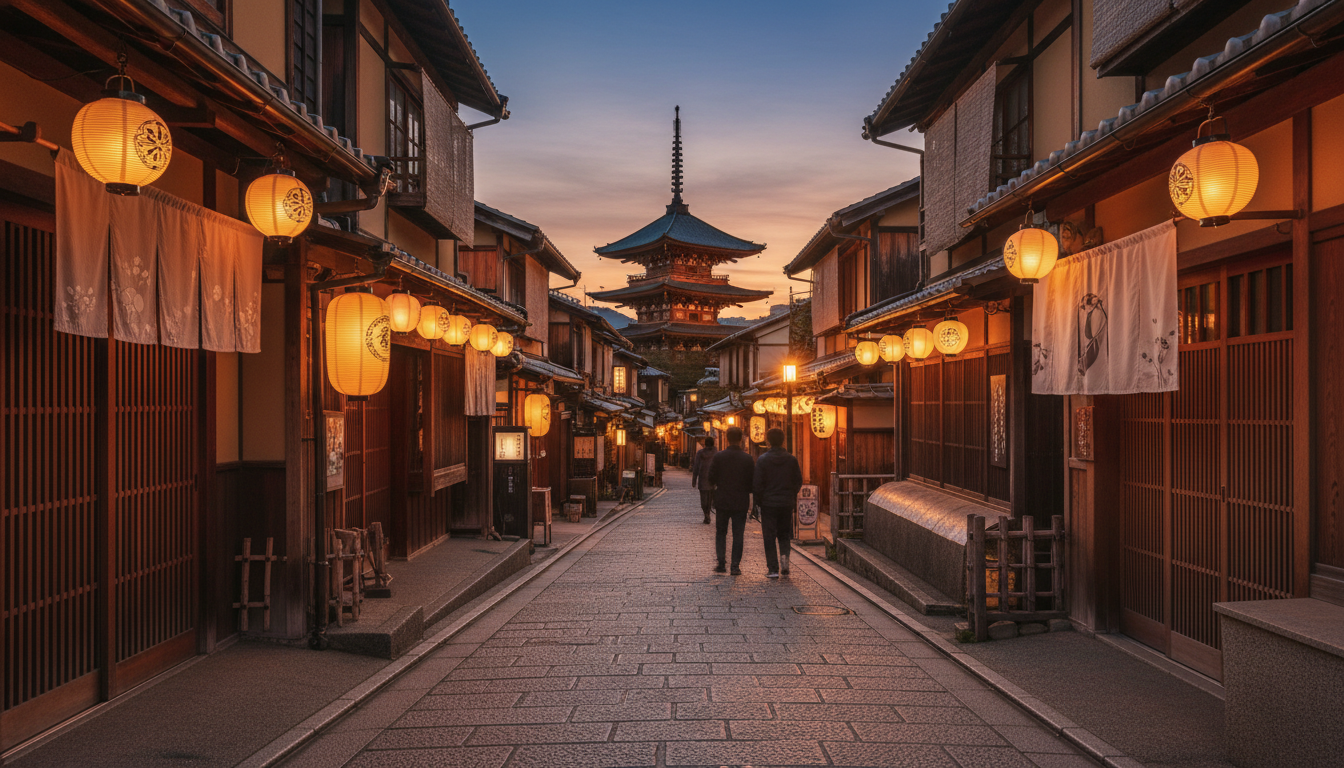 Narrow Higashiyama street at dusk, traditional wooden buildings with noren curtains, paper lanterns
The trade-off: Higashiyama gets touristy during daytime hours. If you're staying in a home on Ninenzaka or Sanenzaka, you'll need to adjust your schedule—early mornings and evenings are magical, midday can feel like navigating a theme park. Homes here also tend to be smaller than in other neighborhoods, reflecting traditional Kyoto architecture where land was precious.
Budget impact: A Higashiyama location means you can walk to Kiyomizu-dera, Yasaka Shrine, and Gion without spending on transport. A hotel in this area would run ¥35,000–60,000/night ($230–400 USD); through home exchange, you're paying nothing while getting a more authentic space.
Nishijin: The Textile District Secret
Northwest of the Imperial Palace, Nishijin was historically the weaving district where Kyoto's famous Nishijin-ori textiles were produced. Today, it's a quiet residential area with surprisingly affordable local restaurants, traditional public baths, and almost no tourists.
Homes in Nishijin tend to be larger than in Higashiyama—many are two-story machiya with workspaces on the ground floor (former weaving rooms) and living quarters above. You'll find more modern renovations here too, as the neighborhood has attracted younger Japanese families who appreciate the space and central-ish location.
Budget impact: Local eateries in Nishijin serve lunch sets for ¥800–1,200 ($5–8 USD) that would cost double in tourist areas. The Kitano Tenmangu shrine flea market happens on the 25th of each month, right in the neighborhood—perfect for picking up vintage kimono fabric, ceramics, and antiques at local prices.
Arashiyama: Space and Nature
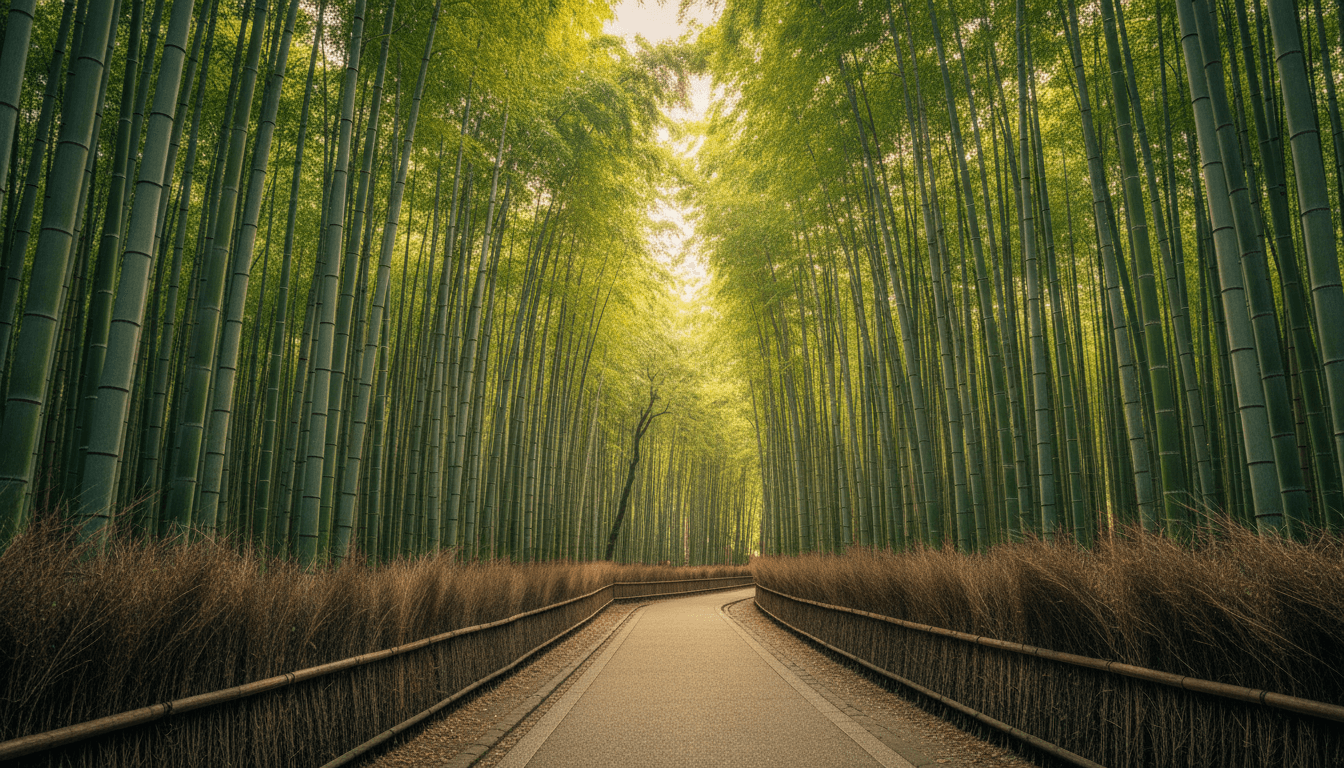
Traveling with family or simply want more room? Arashiyama offers what central Kyoto cannot: actual houses with gardens, mountain views, and breathing space. Yes, the famous bamboo grove gets mobbed by 10 AM, but the residential areas north of the main tourist strip remain genuinely peaceful.
Homes here often include small gardens, parking spaces (rare in Kyoto), and proximity to hiking trails in the Arashiyama mountains. The Sagano area, just north of the main tourist zone, has traditional farmhouse-style homes that feel completely removed from urban Japan.
Budget impact: Arashiyama sits technically outside central Kyoto, so you'll spend more on transport—figure ¥230 each way on the Keifuku Randen tram or JR Sagano Line. But if you're planning to explore western Kyoto (Kinkaku-ji, Ryoan-ji, Tenryu-ji), you're actually better positioned here than in Higashiyama.
Fushimi: The Underrated Choice
South of central Kyoto, Fushimi is famous for Fushimi Inari Taisha (the shrine with thousands of orange torii gates) and its sake breweries. What tourists don't realize is that Fushimi is also a legitimate residential neighborhood with excellent transit connections and prices that reflect its distance from the Instagram hotspots.
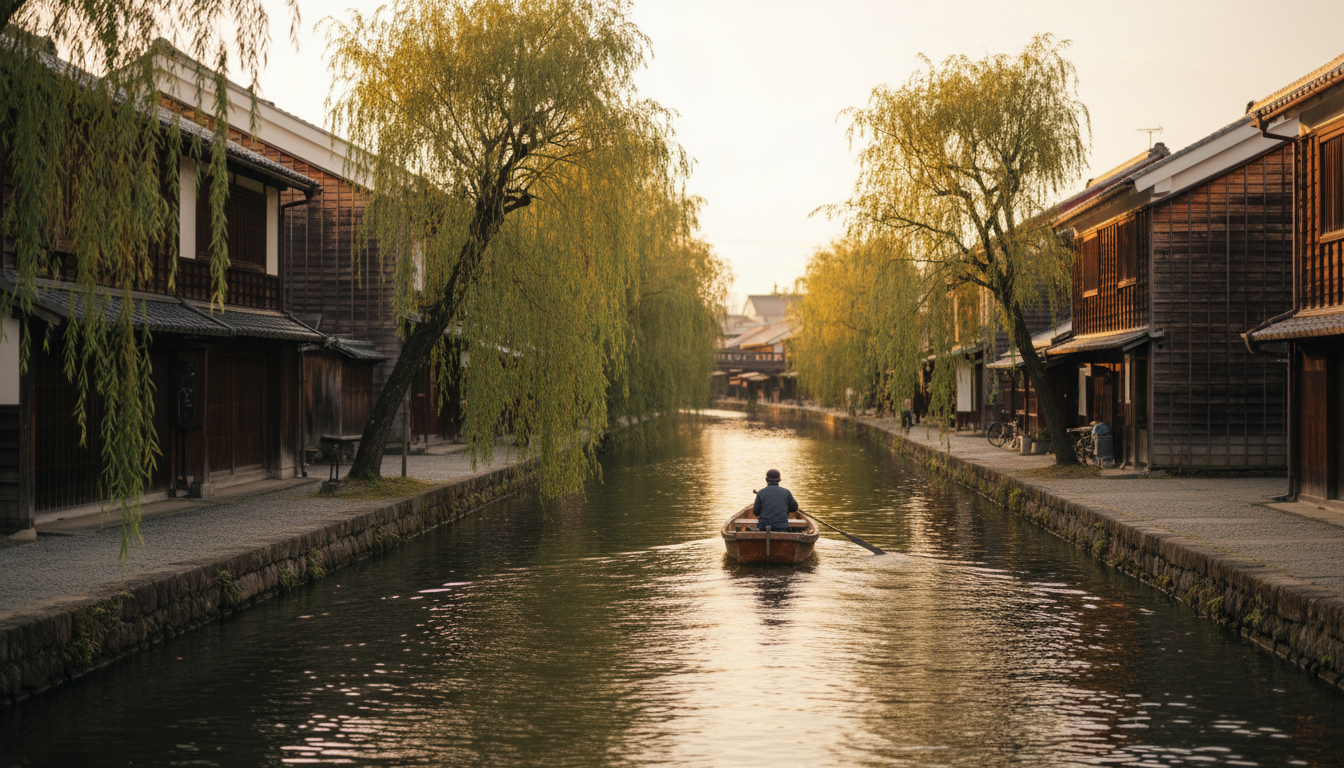 Fushimi sake brewery district, traditional wooden warehouses with white walls, willow trees along a
Homes in Fushimi tend to be more modern—1970s–90s construction rather than traditional machiya—but they're also larger and better equipped. If you prioritize a full kitchen, reliable heating/cooling, and space over architectural charm, Fushimi delivers.
Budget impact: The real win here is timing. Fushimi Inari gets mobbed from 9 AM to 5 PM, but living in Fushimi means you can visit at 6 AM (the shrine is open 24/7) when you'll have the torii gates essentially to yourself. That experience—walking through thousands of vermillion gates in morning mist with maybe three other people—is priceless, and it's only possible if you're staying nearby.
How to Find and Secure a Kyoto Home Exchange
Kyoto listings on home exchange platforms tend to get snapped up quickly, especially for peak seasons. Here's how to maximize your chances.
Timing Your Search
Kyoto has four distinct peak periods when accommodation of any kind becomes scarce:
- Cherry blossom season (late March–mid April): Book exchanges 6–8 months ahead. Seriously. Japanese hosts plan their own travel well in advance, and the best properties get matched early.
- Golden Week (late April–early May): Japan's biggest holiday week. Many Japanese hosts travel domestically during this period, so international exchanges are harder to find.
- Autumn foliage (mid-November–early December): Nearly as competitive as cherry blossom season. The momiji (maple) colors peak around November 20–30 most years.
- Gion Matsuri (July 1–31, especially July 14–17): Kyoto's biggest festival. Accommodation prices triple; home exchange becomes extremely valuable.
For shoulder seasons (May–June, September–October), exchanges can often be arranged 2–3 months out. Winter (December–February) is the easiest—fewer tourists, and Japanese hosts are more likely to travel internationally during this period.
Crafting Your Exchange Request
Japanese hosts respond well to specific, detailed requests that show you've done your homework. A generic "I'd love to visit Kyoto!" message gets ignored. Instead:
Mention specific interests: "We're particularly interested in exploring Nishijin's textile heritage and visiting the smaller Zen temples in the northern hills" signals that you're not just another tourist checking boxes.
Address practical concerns directly: Japanese hosts worry about communication barriers and cultural misunderstandings. Acknowledge this: "We understand garbage separation is important in Kyoto and will follow your instructions carefully" goes a long way.
Offer something specific in return: "Our home in Portland is a 10-minute walk from Powell's Books and has a full kitchen with a Chemex setup" is more compelling than "nice apartment in a good location."
What Japanese Hosts Look for in Exchange Partners
Through SwappaHome's community feedback, certain patterns emerge in what makes Japanese hosts say yes:
- Verified profiles with reviews: Japan's culture emphasizes trust through reputation. Hosts strongly prefer exchangers with established track records.
- Clear communication: Respond promptly, confirm details in writing, and don't leave logistics ambiguous.
- Evidence of home care: Photos showing a clean, well-maintained home matter more to Japanese hosts than to hosts in many other countries.
- Flexibility on dates: If you can offer a range of dates rather than fixed ones, you're more likely to find a match.
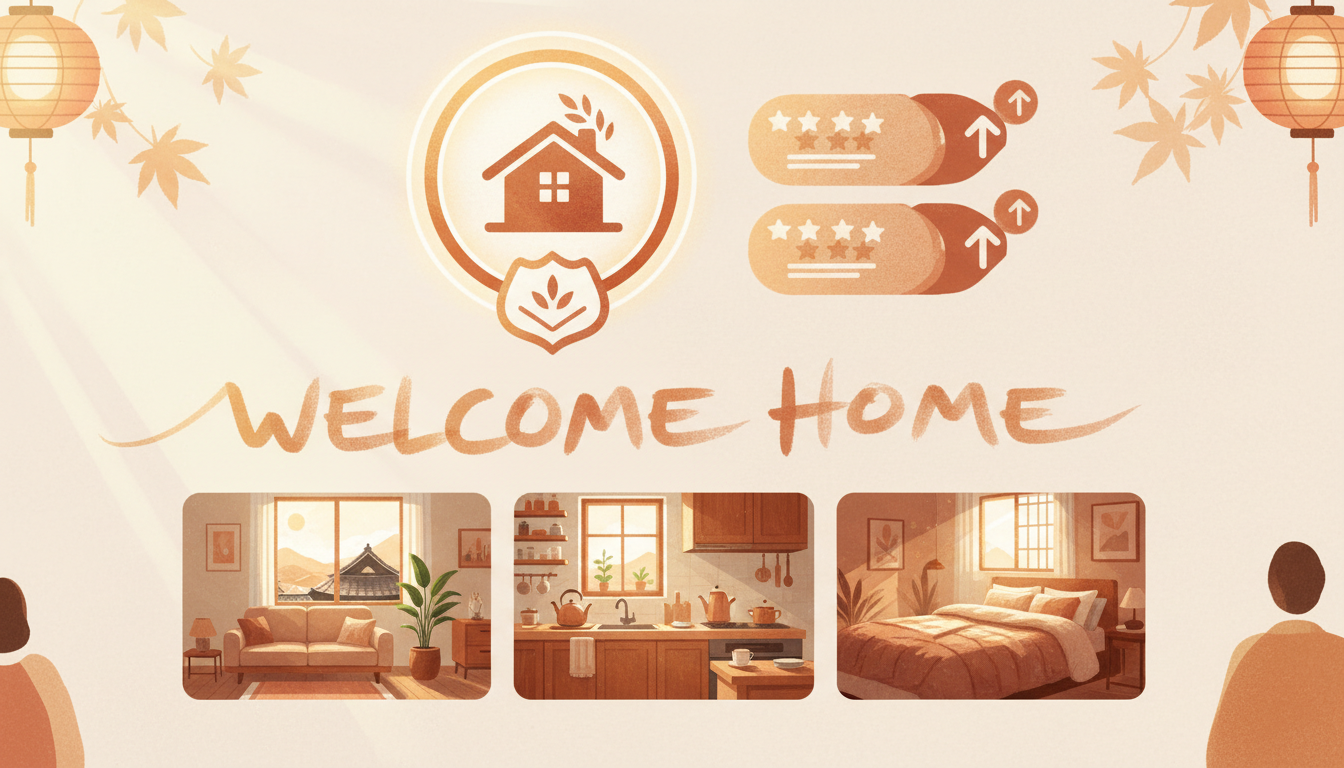 SwappaHome profile example showing verified badge, positive reviews, and clear home photos with a we
Maximizing Your Kyoto Budget Beyond Accommodation
Saving money through home exchange is just the foundation. Here's how to stretch your budget further once accommodation is covered.
Transportation Hacks
Kyoto's bus system is extensive but confusing, and taxis are expensive (¥600–700 just to start the meter). Smart budget travelers use a combination:
Rent a bicycle. Kyoto is remarkably flat—the city sits in a basin surrounded by mountains, but the urban area itself is perfect for cycling. Rental shops near Kyoto Station charge ¥1,000–1,500/day ($7–10 USD), and you'll save that much in bus fares while seeing more of the city. Many home exchange properties include bicycles; ask your host.
Get an ICOCA card immediately. This rechargeable transit card works on JR trains, subways, buses, and even convenience stores. The ¥500 deposit is refundable, and having one saves the hassle of buying individual tickets. Load it at any JR station.
Walk more than you think you can. Kyoto rewards walkers. The stretch from Ginkaku-ji to Nanzen-ji along the Philosopher's Path takes about an hour and passes temples, cafes, and gardens that bus riders miss entirely. From Kiyomizu-dera to Gion is a 20-minute walk through Higashiyama's most atmospheric streets—taking a bus would be absurd.
Skip the Shinkansen for Osaka day trips. The bullet train from Kyoto to Osaka costs ¥1,440 each way. The Hankyu Railway limited express takes 45 minutes (vs. 15 on the Shinkansen) and costs ¥410. If you're not in a rush, that's ¥2,060 saved per round trip.
Eating Well on a Budget
Kyoto food can be eye-wateringly expensive (kaiseki dinners run ¥15,000–50,000 per person) or remarkably affordable, depending on where and how you eat.
Nishiki Market for grazing, not meals. The famous "Kyoto's Kitchen" market has become touristy and overpriced for sit-down eating. But it's still excellent for picking up individual items: grilled mochi (¥200), pickled vegetables (¥300–500), fresh tofu (¥400). Graze through, don't commit to any single stall's full meal.
Lunch sets are the secret. Restaurants that charge ¥8,000 for dinner often serve lunch sets (teishoku) for ¥1,500–2,500. This holds true even at high-end places. Kikunoi, a three-Michelin-star kaiseki restaurant, offers a lunch course for ¥6,000—still expensive, but a fraction of dinner prices.
Department store basement food halls (depachika). The B1 and B2 floors of Takashimaya, Daimaru, and Isetan department stores have extraordinary prepared foods at reasonable prices. Around 6–7 PM, many items get discounted 20–50% as they approach closing. A ¥1,200 bento becomes ¥700; a ¥800 sushi set becomes ¥500.
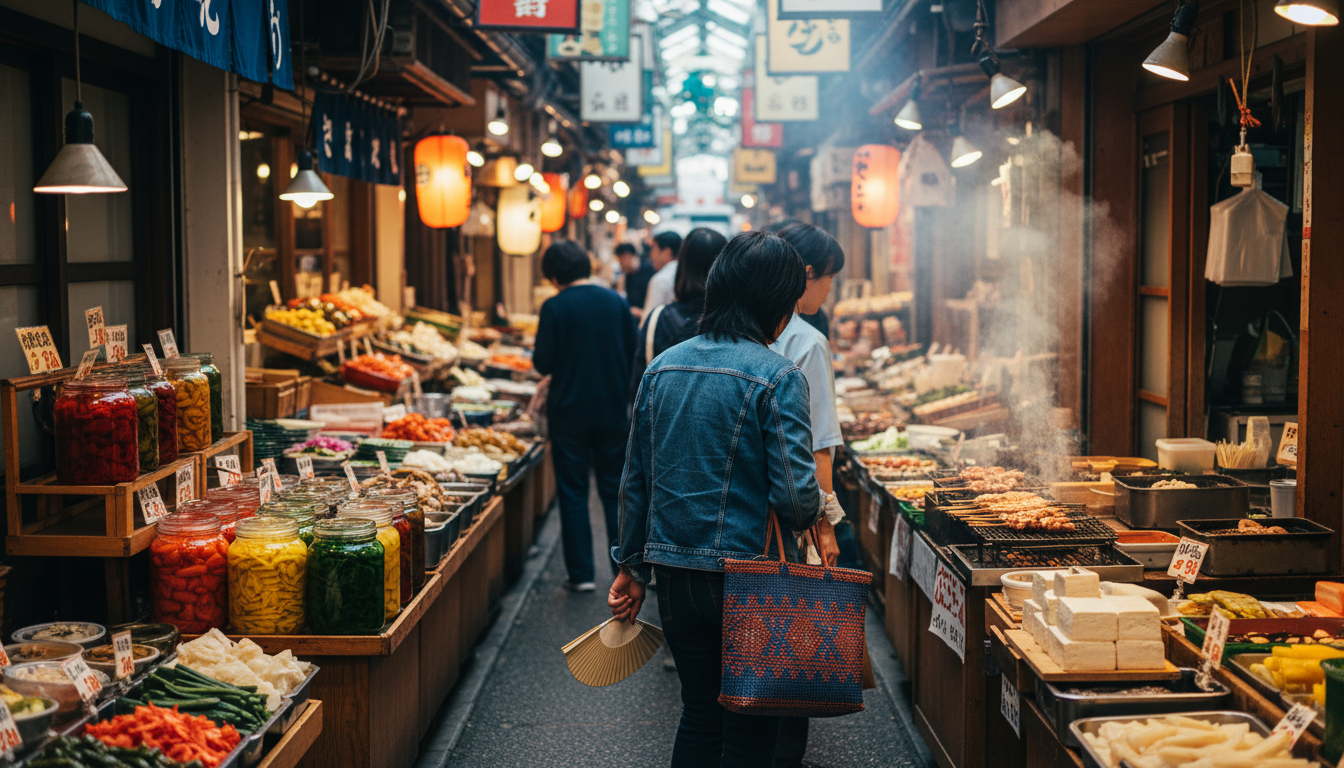 Nishiki Market alley, colorful food stalls displaying pickled vegetables, grilled skewers, and fresh
Cook at home. This is the home exchange advantage that hotels can't match. A trip to a local supermarket like Life or Fresco yields ingredients for a fraction of restaurant costs. Japanese supermarkets also sell excellent pre-made dishes—tonkatsu, sashimi, tempura—at prices far below restaurants.
Temple and Shrine Strategy
Kyoto has over 2,000 temples and shrines. Trying to see them all is exhausting and expensive (entrance fees typically run ¥400–600 each). Here's the budget-conscious approach:
Prioritize free sites. Fushimi Inari Taisha (free, open 24/7), Yasaka Shrine (free), Shimogamo Shrine (free), and the Imperial Palace (free with reservation) are among Kyoto's most impressive sites. You could spend three days just visiting free locations.
Buy combination tickets when available. Some temple complexes offer combined admission: Nanzen-ji's main hall, garden, and Sanmon gate can be visited with a ¥1,100 combined ticket vs. ¥1,400 separately.
Visit paid temples strategically. If you're going to pay ¥600 to enter Kinkaku-ji (the Golden Pavilion), go at opening time (9 AM) or late afternoon (4 PM in winter, 5 PM in summer) when crowds thin. The experience is dramatically better, making the entrance fee feel worthwhile.
Consider the Kyoto Sightseeing Pass. For ¥1,300 (one-day) or ¥2,000 (two-day), you get unlimited bus and subway rides. This only makes sense if you're taking 6+ bus rides per day—do the math based on your itinerary.
Real Cost Comparison: Home Exchange vs. Traditional Accommodation
Here's a breakdown of actual numbers for a 10-night Kyoto stay during shoulder season (October):
Mid-range hotel scenario:
- Hotel near Gion: ¥28,000/night × 10 = ¥280,000 ($1,850 USD)
- No kitchen, so all meals out: ¥6,000/day × 10 = ¥60,000 ($400 USD)
- Total accommodation + food premium: ~$2,250 USD
Budget hostel scenario:
- Dorm bed: ¥4,500/night × 10 = ¥45,000 ($300 USD)
- Cheap meals (still no kitchen): ¥4,000/day × 10 = ¥40,000 ($265 USD)
- Total: ~$565 USD (but you're in a dorm with no privacy or space)
Home exchange scenario:
- Accommodation: ¥0 (you're exchanging homes)
- Mix of cooking and eating out: ¥3,000/day × 10 = ¥30,000 ($200 USD)
- Total: ~$200 USD
The home exchange traveler saves $2,050 compared to the hotel traveler and $365 compared to the hostel traveler—while getting a private home, a kitchen, and a neighborhood experience neither paid option provides.
Common Concerns About Home Exchange in Kyoto
Travelers new to home exchange often have specific worries. Here's the honest reality:
"I don't speak Japanese—will communication be impossible?"
Most Japanese hosts on international home exchange platforms speak functional English—they've specifically joined platforms that connect them with international travelers. Written communication tends to be clearer than spoken; use the messaging system for important details rather than relying on phone calls.
That said, learning basic phrases helps enormously. "Sumimasen" (excuse me/sorry), "arigatou gozaimasu" (thank you very much), and "oishii" (delicious) will get you through most daily interactions. Google Translate's camera function handles menus and signs reasonably well.
"Japanese homes seem complicated—what about all the rules?"
Yes, Japanese homes have specific customs: removing shoes at the genkan (entryway), separating garbage meticulously, not wearing bathroom slippers outside the bathroom. But good hosts leave detailed instructions, and following them is straightforward once you understand the logic.
The SwappaHome community reports that Japanese hosts are understanding of honest mistakes—it's deliberate disrespect they mind, not cultural learning curves. Ask questions if you're unsure; hosts appreciate the conscientiousness.
"What if something goes wrong with the home?"
Home exchange operates on mutual trust and community accountability. Both parties have a stake in the exchange going well—you're staying in their home while they (or someone using their credits) stays in yours. The review system creates accountability; members with poor reviews struggle to arrange future exchanges.
For peace of mind, many experienced exchangers recommend getting travel insurance that covers personal liability. SwappaHome connects members but doesn't provide insurance or damage coverage—that's something to arrange independently if you want it.
"Are Kyoto homes equipped for foreign travelers?"
Modern Japanese homes generally have the amenities international travelers expect: wifi, washing machines, air conditioning/heating, full kitchens. Traditional machiya may have quirks—futons instead of beds, squat toilets in some older properties, less insulation than Western homes—but hosts disclose these in their listings.
Ask specifically about: heating (Kyoto winters are cold and traditional homes can be drafty), wifi speed (if you need to work), and bed arrangements (futons are comfortable but different). Good hosts answer these questions thoroughly.
Making the Most of Your Kyoto Home Exchange
Once you've secured an exchange, these practices help ensure a great experience for everyone:
Arrive prepared with a small gift. Omiyage (gift-giving) culture runs deep in Japan. Bringing something from your home region—local chocolates, specialty coffee, a craft item—shows respect and often prompts hosts to leave something special for you in return.
Document the home's condition on arrival. Take photos of any existing wear or issues. This protects both parties and is standard practice in the exchange community.
Follow the house manual religiously. If your host says garbage goes out on Tuesday mornings before 8 AM, they mean it. Kyoto's garbage rules are enforced, and improper disposal reflects badly on your host with their neighbors.
Leave the home cleaner than you found it. This is the golden rule of home exchange. Japanese standards for cleanliness tend to be high; meeting or exceeding them ensures good reviews and keeps the community strong.
Write a thoughtful review. Specific feedback helps future exchangers and shows appreciation for your host's trust. Mention what you loved about the home and neighborhood.
When Home Exchange Might Not Be Right for Your Kyoto Trip
Here's the honest truth: home exchange isn't perfect for every traveler or every trip.
Very short stays (1–3 nights): The effort of arranging an exchange rarely makes sense for quick visits. Hosts prefer longer stays, and you won't benefit as much from kitchen access and neighborhood immersion.
Peak season without advance planning: If you're booking cherry blossom season two months out, hotel availability will be limited but findable; home exchange availability will be essentially zero.
Travelers who want hotel services: No daily housekeeping, no concierge, no room service. If these matter to you, home exchange isn't the right fit.
Groups larger than 4–5 people: Most Kyoto homes accommodate 2–4 guests comfortably. Larger groups will struggle to find suitable exchanges.
For everyone else—couples, solo travelers, small families, anyone staying a week or more, anyone who values authentic local experience over hotel convenience—home exchange in Kyoto offers something genuinely special that no amount of money can buy at a hotel.
Your Next Step
The best time to start exploring Kyoto home exchanges is now—not because of some artificial urgency, but because the best properties get matched months in advance. Browse SwappaHome's Kyoto listings to see what's available, noting which neighborhoods appeal to you and what kind of home would suit your travel style.
Create a profile that showcases your own home honestly and appealingly. Japanese hosts will look at your listing carefully before agreeing to an exchange; make sure it represents you well.
Then reach out to hosts whose properties interest you. Be specific, be respectful, and be patient. The right match might take a few attempts to find—but when you're padding across tatami mats in Higashiyama at dawn, coffee in hand, watching the light filter through shoji screens, you'll understand why this approach to travel is worth the effort.
Kyoto has been welcoming travelers for over a thousand years. Home exchange is simply the newest way to experience one of the world's most remarkable cities—not as a tourist passing through, but as a temporary resident, living in the spaces where daily life actually happens.
Frequently Asked Questions
How much can I realistically save with home exchange in Kyoto?
Travelers typically save $1,500–2,500 on a 10-night Kyoto stay through home exchange compared to mid-range hotels. The savings come from zero accommodation costs plus the ability to cook meals at home. During peak seasons like cherry blossom (late March–mid April) when hotel prices surge 50–100%, savings can exceed $3,000 for longer stays.
Is home exchange in Kyoto safe for solo female travelers?
Kyoto consistently ranks among the world's safest cities, and home exchange adds an extra layer of security through community accountability. Both parties are verified SwappaHome members with reviews, creating mutual trust. Solo female travelers in the SwappaHome community frequently report positive experiences in Kyoto, particularly appreciating the privacy of a home versus shared hostel spaces.
What's the best time of year for a Kyoto home exchange—cherry blossom or autumn foliage?
Both seasons offer spectacular beauty but require booking 6–8 months ahead. Cherry blossom (late March–mid April) is more famous but more crowded; autumn foliage (mid-November–early December) offers equally stunning colors with slightly fewer tourists. For budget travelers, shoulder seasons (May–June, September–October) offer easier exchange availability, lower flight costs, and comfortable weather without the peak-season chaos.
Do I need to speak Japanese to arrange a home exchange in Kyoto?
No—most Japanese hosts on international platforms like SwappaHome communicate in English. Written messages through the platform work better than phone calls for detailed arrangements. Learning basic phrases (sumimasen, arigatou gozaimasu) helps with daily life, and Google Translate's camera function handles menus and signs effectively.
Can I do a home exchange in Kyoto during Gion Matsuri festival in July?
Yes, but plan far ahead—Gion Matsuri (July 1–31, with peak events July 14–17) is Kyoto's biggest festival, and accommodation of all types books up months in advance. Home exchange becomes especially valuable during Gion Matsuri when hotel prices triple. Start searching for exchanges 8–10 months before July, and be flexible on exact dates within the festival period.

Published by
SwappaHome
SwappaHome Editorial Team
Home Exchange & Slow Travel Editorial
The SwappaHome Editorial Team brings together travel research, home-exchange community insights, and platform data to produce practical guides for first-time and experienced home swappers. Every article cites real platforms, current market rates, and verifiable city-level facts so readers can make informed decisions without guessing.
Ready to try home swapping?
Join SwappaHome and start traveling by exchanging homes. Get 7 free credits when you sign up!
Related articles
How to Extend or Modify a Home Swap Mid-Stay: The Complete Flexibility Guide
Need to extend your home swap or change dates mid-trip? Here's exactly how to negotiate changes, handle credits, and keep both parties happy.

How to Visit Bali for Free with Home Exchange: The Complete 2026 Guide
Skip the $150/night villas. Home exchange in Bali lets you stay in Ubud rice field houses and Seminyak beach pads for zero accommodation cost. Here's exactly how.
How to Vet Home Swap Guests: 12 Red Flags Every Host Should Know
Learn how to vet home swap guests before handing over your keys. Spot the 12 red flags experienced hosts watch for—and protect your home with confidence.