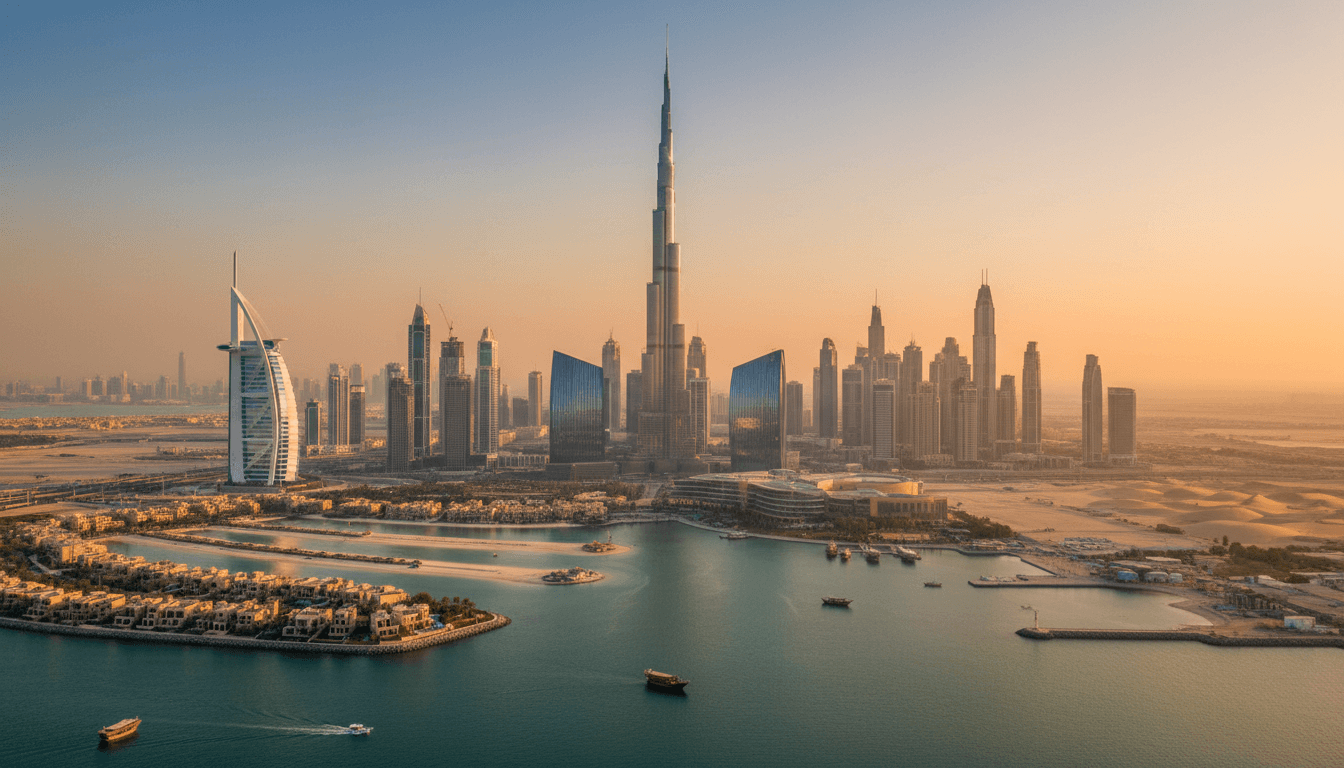
Sustainable Home Swap in Dubai: The Eco-Conscious Traveler's Complete Guide

SwappaHome Editorial Team
Home Exchange & Slow Travel Editorial
Discover how sustainable home swap in Dubai lets you explore the UAE's most ambitious city while cutting your carbon footprint by up to 80%. Real tips, green neighborhoods, and eco-friendly local secrets.
The call to prayer echoes across Dubai Marina at dawn, bouncing off the glass towers of JBR while a surprisingly cool breeze carries the salt-tang of the Arabian Gulf through an open balcony door. You're sipping Arabic coffee in someone else's apartment—except it doesn't feel foreign at all. The recycling bins are labeled in three languages, the AC runs on the building's solar supplement system, and there's a handwritten note about the organic produce delivery that arrives every Tuesday.
This is what a sustainable home swap in Dubai actually looks like in 2026. Not a contradiction. Not greenwashing. A genuine way to experience one of the world's most misunderstood cities while keeping your environmental impact surprisingly minimal.
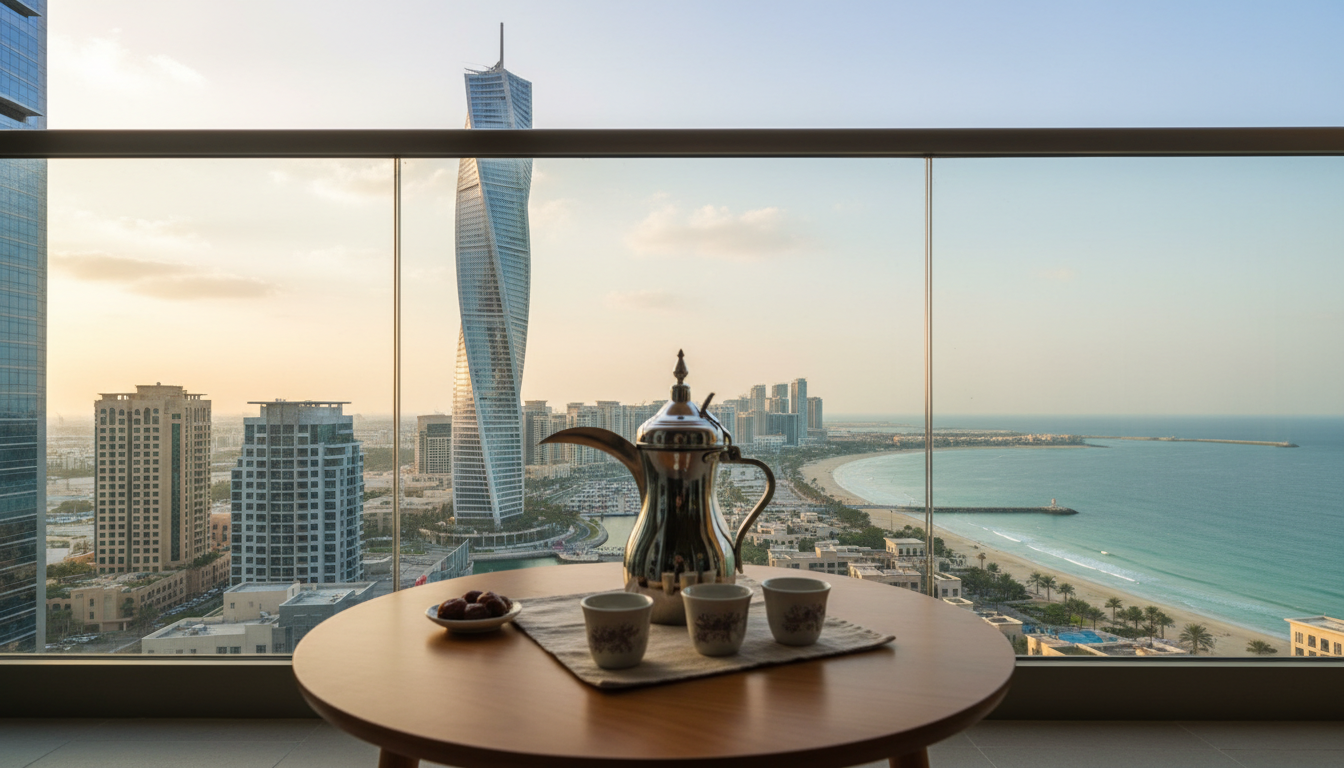 Early morning view from a Dubai Marina apartment balcony, showing the distinctive twisted Cayan Towe
Why Dubai for Sustainable Travel? The Counterintuitive Truth
Here's the honest truth that most travel guides won't tell you: Dubai has invested more in renewable energy infrastructure over the past decade than most European capitals. The Mohammed bin Rashid Al Maktoum Solar Park—the world's largest single-site solar installation—now generates enough clean energy to power over 1.3 million homes. By 2030, the UAE aims to generate 75% of Dubai's energy from clean sources.
Does that erase the city's environmental challenges? Absolutely not. The desalination plants, the artificial islands, the air conditioning that runs essentially year-round—these are real concerns. But here's where sustainable home swapping in Dubai becomes genuinely meaningful: you're not adding to the hotel infrastructure footprint. You're using existing residential space, existing utilities, existing community resources.
The math is compelling. A typical Dubai hotel room generates approximately 31kg of CO2 per night through operations alone—laundry services, daily housekeeping, restaurant operations, lobby cooling. A residential apartment where you're simply living? Roughly 8-12kg, depending on your habits. Over a two-week stay, that's a reduction of 250-320kg of carbon emissions. Multiply that across thousands of travelers choosing home exchange over hotels, and the impact becomes substantial.
The Best Dubai Neighborhoods for Eco-Conscious Home Swaps
Not all Dubai neighborhoods are created equal when it comes to sustainability infrastructure. Several areas consistently offer both authentic experiences and genuine environmental advantages.
The Sustainable City: Dubai's Living Laboratory
This isn't a marketing name—it's literally called The Sustainable City, and it's located in Dubailand near the Arabian Ranches. The community was designed from the ground up for net-zero energy consumption. Homes here feature rooftop solar panels that typically generate more electricity than residents use, greywater recycling systems, and organic urban farms integrated into the neighborhood design.
Swapping into a home here means access to car-free zones, community composting facilities, and a genuine eco-village atmosphere that feels nothing like the Dubai of popular imagination. Properties in The Sustainable City appear on SwappaHome periodically—they're sought-after, so flexibility with dates helps.
Typical rental costs for this area run AED 350-500 ($95-136 USD) per night on traditional platforms. Through home exchange? One credit per night, regardless of the property's market value.
Al Barari: The Green Heart
Al Barari translates to "the wilderness" in Arabic, and this gated community delivers on that promise with over 60% of its land dedicated to landscaped gardens, lakes, and nature reserves. The development uses treated wastewater for all irrigation and maintains an on-site organic farm that supplies its restaurants.
Homes here tend toward the luxurious—think private gardens, natural swimming pools, and villa-style properties. The community attracts environmentally conscious residents, which translates to well-maintained recycling programs and a culture of sustainability you'll notice immediately. The Al Barari Farmers' Market operates every Saturday morning, featuring local organic produce and artisanal goods.
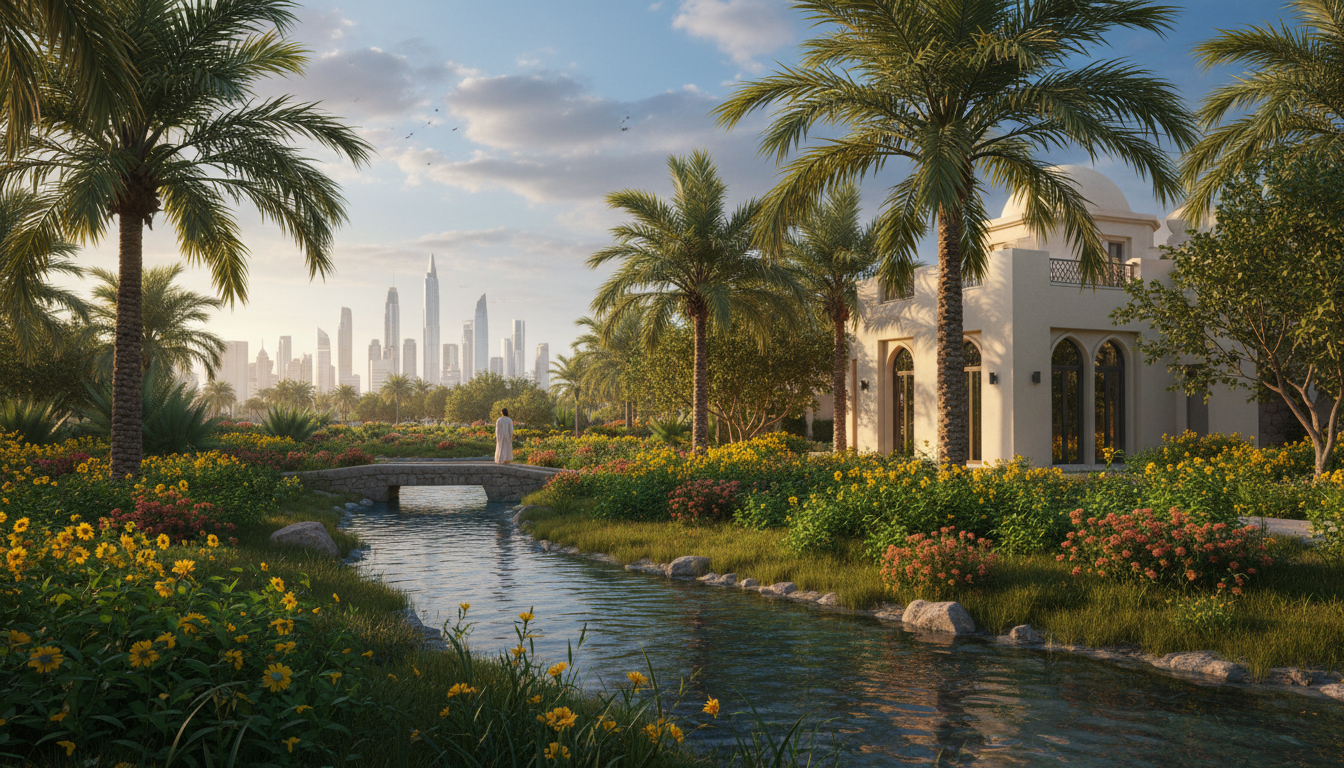 Lush green gardens and natural waterways in Al Barari Dubai, showing the contrast between desert cit
Jumeirah Village Circle (JVC): Practical Sustainability
JVC won't win any awards for groundbreaking eco-design, but it represents something equally valuable: practical, affordable sustainability. The neighborhood's circular layout minimizes driving distances, the newer buildings meet Dubai's updated Green Building Regulations, and the community has developed an unusually strong culture of sharing—tool libraries, community gardens, and informal car-sharing arrangements.
For budget-conscious eco-travelers, JVC offers the best balance. Properties here list on rental platforms around AED 200-350 ($55-95 USD) per night. The community is walkable to essential services, and the Dubai Metro's Route 2020 extension has made car-free living genuinely feasible.
Dubai Creek Harbour: The New Sustainable Waterfront
Still developing but already home to a growing community, Dubai Creek Harbour was designed around the Dubai Creek Tower (when completed, it will surpass the Burj Khalifa) and the Ras Al Khor Wildlife Sanctuary. The neighborhood integrates mangrove conservation, solar-powered public areas, and some of the city's most ambitious sustainable building standards.
Home swaps here offer proximity to genuine nature—the sanctuary hosts over 20,000 migratory birds during winter months, including greater flamingos that have become an unlikely Dubai icon. Early morning walks along the Creek reveal a side of Dubai that most tourists never encounter.
How the Credit System Makes Sustainable Travel Accessible
The economics of sustainable travel often create a frustrating paradox: eco-friendly accommodations typically cost more, making responsible choices a privilege rather than a norm. Home exchange fundamentally disrupts this equation.
SwappaHome operates on a straightforward credit system. Host a guest for one night, earn one credit. Use one credit, stay anywhere for one night. The property's market value, location, or sustainability features don't change this equation. That villa in Al Barari with the solar panels and organic garden? One credit per night. The modest apartment in JVC with the community composting program? Also one credit per night.
New members start with seven free credits—enough for a week of accommodation anywhere in the network. For Dubai specifically, this represents savings of AED 1,500-4,000+ ($400-1,100 USD) compared to comparable sustainable accommodation options.
The system also incentivizes longer stays, which aligns perfectly with sustainable travel principles. Short trips generate disproportionate carbon emissions (flights are the biggest contributor), while longer stays allow you to settle into local rhythms, reduce per-day travel impact, and actually experience a place rather than consuming it.
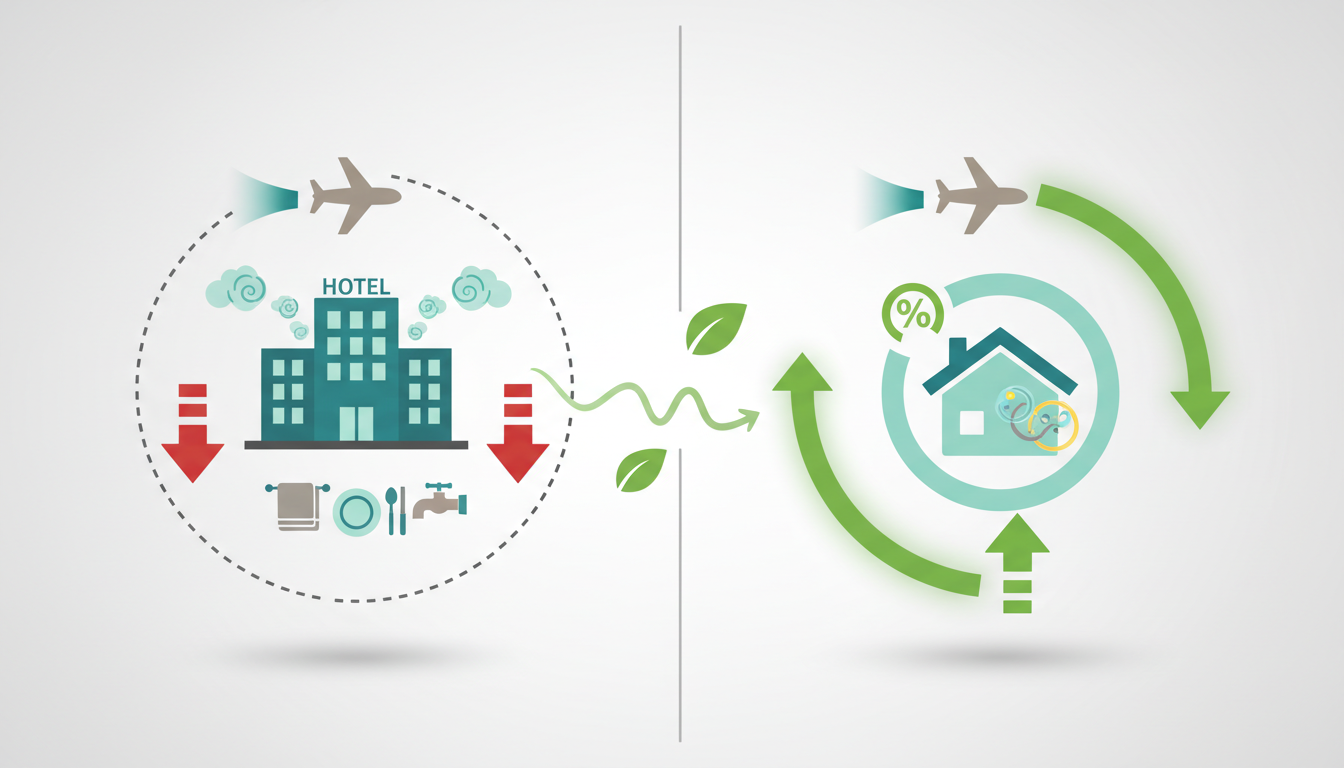 Split-screen infographic showing left side - traditional hotel stay carbon footprint breakdown fligh
Practical Sustainability: Living Green in Dubai
Swapping into a Dubai home is only half the equation. How you live during your stay determines your actual environmental impact.
Water Consciousness
Dubai produces virtually all its freshwater through energy-intensive desalination. Every drop matters more here than almost anywhere else on Earth. The average Dubai resident uses approximately 500 liters of water daily—nearly double the global average. Conscious travelers can easily reduce this to 150-200 liters without any sacrifice in comfort.
Shorter showers work well here—Dubai's powerful water pressure makes 3-minute showers completely effective. Run dishwashers and washing machines only when full. Resist the temptation to leave taps running while brushing teeth or washing dishes. Many SwappaHome hosts in Dubai leave notes about their water-saving routines—follow their lead.
Cooling Strategy
Air conditioning accounts for roughly 60% of Dubai's residential electricity consumption. The sustainable approach isn't to suffer through the heat—it's to cool intelligently.
Set thermostats to 24°C (75°F) rather than the frigid 18-20°C many hotels maintain. Close curtains during peak sun hours (roughly 10am-4pm). Use ceiling fans to circulate cooled air more efficiently. If your swap home has multiple AC zones, cool only the rooms you're actually using.
The difference is substantial: each degree below 24°C increases energy consumption by approximately 6-8%.
Transportation That Makes Sense
Dubai's public transportation has improved dramatically. The Dubai Metro now covers most tourist-relevant areas, with the Red and Green lines connecting the airport, Downtown, Dubai Marina, and the historic districts. A Nol card (the rechargeable transit card) costs AED 25 ($6.80 USD) and works across metro, buses, trams, and water taxis.
The Dubai Tram runs along the JBR and Marina waterfront—one of the most pleasant urban transit experiences anywhere. The Al Ghubaiba to Al Seef water taxi route offers a genuinely scenic alternative to road transport between historic and modern Dubai.
For areas the metro doesn't reach, Careem (the regional ride-sharing app) offers a "Go Green" option with hybrid and electric vehicles. Expect to pay AED 35-60 ($9.50-16 USD) for most cross-city trips.
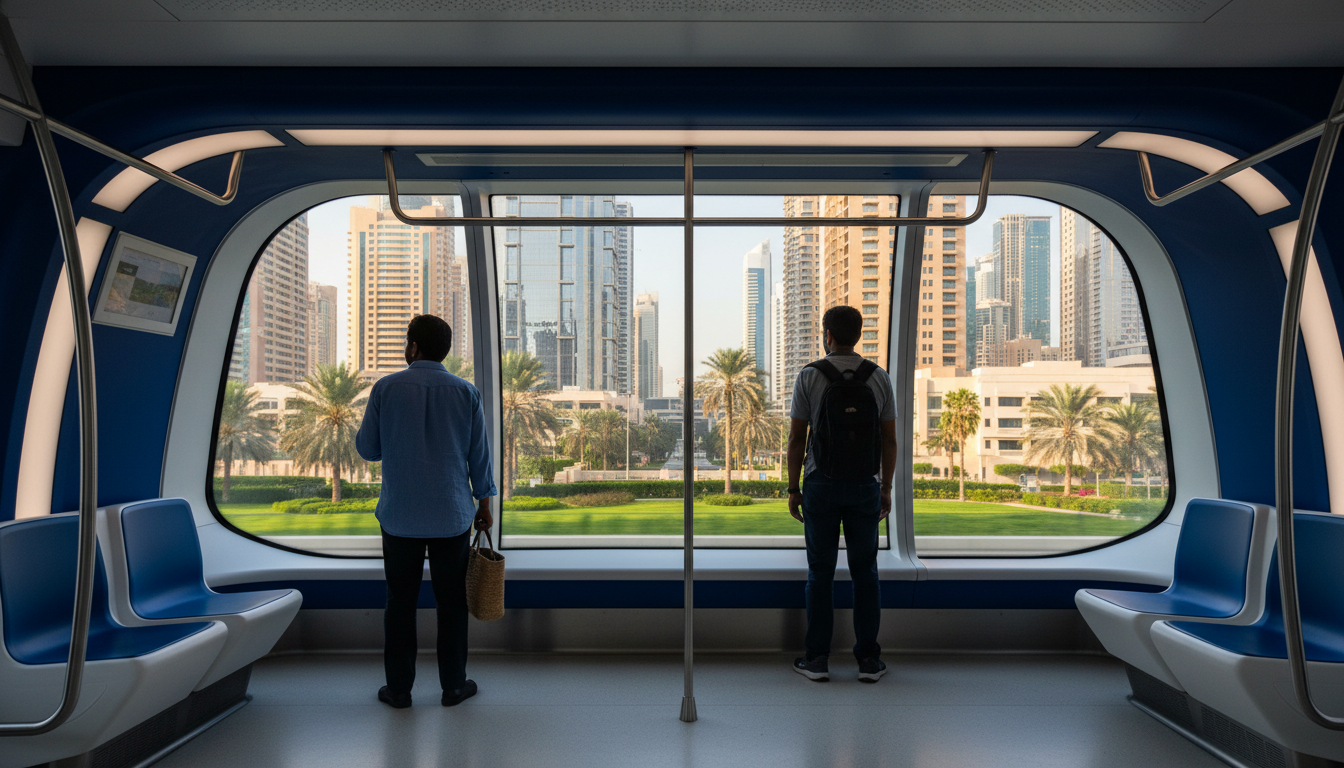 Interior of the Dubai Metro with its futuristic design, showing the clean, air-conditioned carriage
Finding and Securing Your Dubai Sustainable Home Swap
The SwappaHome community in Dubai has grown substantially since the UAE's post-pandemic tourism push. Current listings typically number 80-120 active properties, with concentration in Marina, JVC, Downtown, and the newer sustainable communities.
Timing Your Search
Dubai's home swap availability follows predictable patterns. Peak availability occurs during summer months (June-August) when many expat residents travel to escape the heat—temperatures regularly exceed 40°C (104°F), making this the low season for incoming tourism but prime time for outbound travel.
The most competitive period runs November through February, when Dubai's weather turns genuinely pleasant (20-28°C / 68-82°F). During this window, start your search 60-90 days in advance and be prepared to offer flexibility.
Ramadan (dates shift annually based on the lunar calendar—in 2026, it falls roughly late February through late March) creates interesting dynamics. Some hosts travel during this period, increasing availability. Others prefer to host during Ramadan to share the experience with culturally curious travelers. Either way, expect modified restaurant hours and a distinctly different city atmosphere.
Crafting Your Request
Dubai's home swap community includes a mix of long-term expats, Emirati families, and international professionals. Your request message should acknowledge this specific context.
Mention your interest in sustainable travel explicitly—hosts who've invested in eco-friendly homes appreciate guests who'll respect those systems. Be specific about your dates, your travel party composition, and your general plans. Vague requests ("we want to explore the city") tend to feel less trustworthy than specific ones ("we're hoping to visit the Ras Al Khor sanctuary and spend time in the historic Al Fahidi district").
If you have sustainability credentials—maybe you've composted for years, or you're particularly water-conscious—mention these. They're relevant signals that you'll treat an eco-optimized home appropriately.
What to Expect in Return
Dubai hosts commonly ask detailed questions about your home before confirming. The city's culture places high value on hospitality and reciprocal respect—hosts want assurance that their standards will be maintained.
Photos of your space help enormously. So does a complete SwappaHome profile with verification completed and reviews from previous swaps. If you're new to the platform, your detailed responses and communication style become your primary trust signals.
Local Sustainable Experiences Worth Your Time
Beyond accommodation, Dubai offers genuinely compelling sustainable experiences that most tourists miss entirely.
Ras Al Khor Wildlife Sanctuary
This protected wetland sits improbably at the edge of Dubai's urban sprawl, where the historic creek meets the desert. Three free viewing hides offer close observation of flamingos, herons, and dozens of other species. The sanctuary operates as a genuine conservation success story—the flamingo population has grown from a few hundred to several thousand since protection began.
Visit early morning or late afternoon for best viewing. The Flamingo Hide offers the most reliable sightings. No booking required, no entrance fee.
Al Marmoom Desert Conservation Reserve
This 40-square-kilometer protected area southeast of the city offers a genuine desert ecosystem experience without the environmental damage of dune bashing or motorized desert tours. Cycling trails, running tracks, and designated camping areas allow low-impact desert access.
The Al Qudra Lakes within the reserve attract migratory birds and offer one of Dubai's most surreal landscapes—desert lakes surrounded by dunes, often visited by wild oryx and gazelles. Arrive before sunrise for the best experience and to avoid daytime heat.
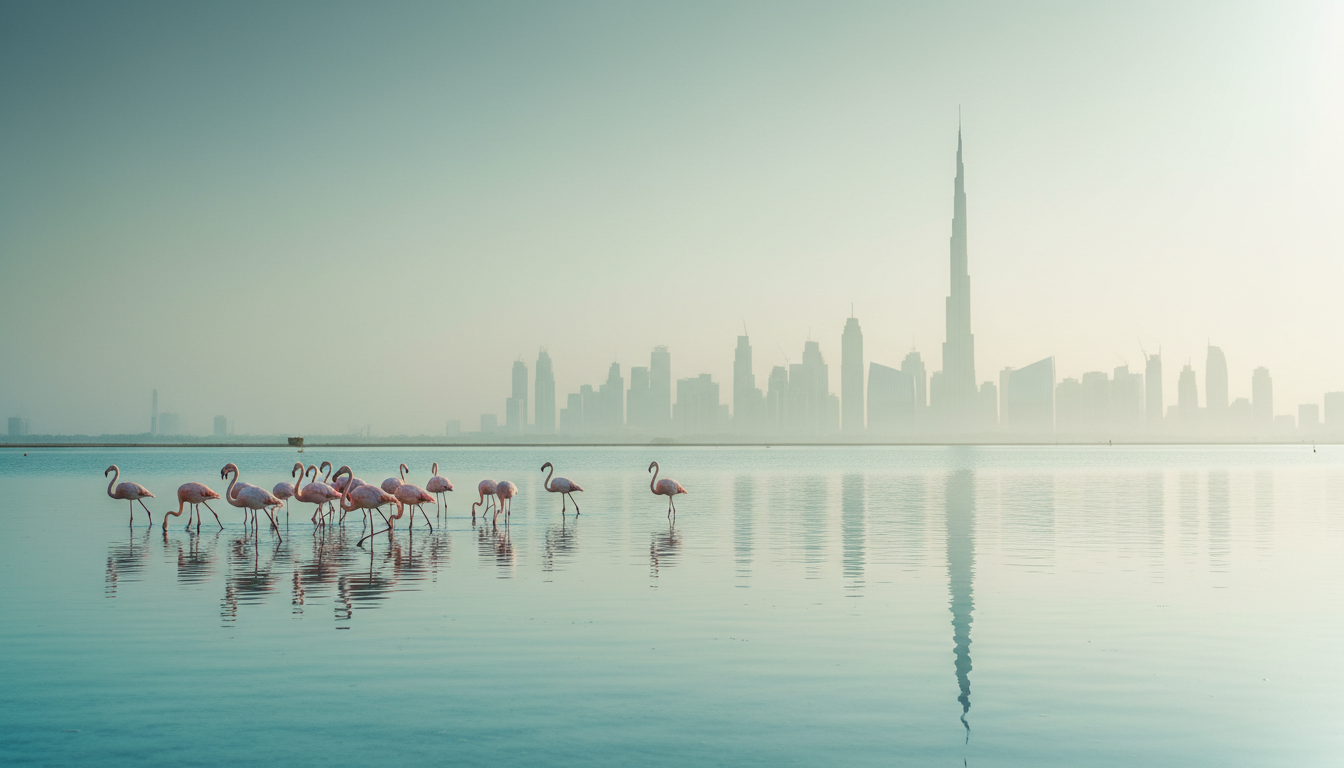 Greater flamingos wading in the shallow waters of Ras Al Khor Wildlife Sanctuary, with the Dubai sky
The Green Planet
This bio-dome in City Walk recreates a tropical rainforest ecosystem and operates as a genuine conservation and education facility. The emphasis on habitat preservation and species protection makes it more than a typical tourist attraction. Their sloth and bat populations participate in international breeding programs.
Admission runs AED 150 ($41 USD) for adults, with proceeds supporting conservation programs. The attached sustainable café sources ingredients from UAE organic farms.
Organic and Sustainable Food Sources
Dubai's organic food scene has matured considerably. The Ripe Market operates at various locations throughout the week—the Friday Academy Park location in Al Quoz draws the largest crowds and most diverse vendors. Local organic farms like Emirates Bio Farm and Greenheart Organic Farms sell directly to consumers and supply many of the city's sustainable restaurants.
For dining, look for establishments participating in the Dubai Sustainable Tourism initiative. Folly by Nick & Scott in Madinat Jumeirah sources extensively from local farms. The Sum of Us in Al Quoz emphasizes sustainable sourcing and operates a zero-waste-focused kitchen.
The Honest Challenges of Sustainable Travel in Dubai
Any guide that doesn't acknowledge the tensions isn't being straight with you.
Dubai was built on fossil fuel wealth. The city's existence in its current form required massive energy expenditure—desalination, air conditioning, construction in an environment that wasn't designed for dense human habitation. No amount of solar panels or home swapping fully resolves this fundamental reality.
The flight to Dubai represents the largest portion of most trips' carbon footprint. From London, a round-trip flight generates approximately 1.5 tonnes of CO2 per passenger. From New York, roughly 3 tonnes. For context, the average global citizen should emit about 2 tonnes annually to meet climate targets.
What sustainable home swapping offers isn't absolution—it's harm reduction. Staying in existing residential space rather than purpose-built tourist infrastructure matters. Supporting local sustainable businesses matters. Extending your stay to amortize flight emissions over more days matters. Making conscious choices about water, energy, and transportation matters.
Travelers who get this right tend to approach Dubai as a longer destination rather than a quick stopover. Two weeks allows genuine neighborhood immersion, reduces per-day flight impact, and creates space for the slower experiences—morning walks, local market shopping, community garden visits—that define sustainable travel anywhere.
Preparing Your Own Home for Incoming Dubai Travelers
Home exchange works both ways. When Dubai residents browse SwappaHome looking for their next destination, your listing competes for their attention.
Dubai travelers—particularly those from the sustainability-focused communities—often seek specific features. Clear recycling instructions matter (Dubai has had mandatory recycling since 2022, so residents are accustomed to sorting). Energy-efficient appliances signal aligned values. Proximity to public transportation or walkable neighborhoods appeals strongly to those accustomed to Dubai's improving transit infrastructure.
In your listing, mention any sustainability features explicitly: solar panels, composting systems, energy-efficient heating/cooling, bicycle storage, EV charging if available. These details attract exactly the environmentally conscious guests who'll treat your home respectfully.
Consider what Dubai residents might find novel about your location. Four seasons? Gardens that don't require desalinated water? Historic architecture predating air conditioning? Walkable neighborhoods with genuine street life? These features, unremarkable to you, may be precisely what draws interest from the Gulf.
Making It Real: Your Sustainable Dubai Home Swap Action Plan
The path from reading about sustainable home swapping in Dubai to actually doing it involves concrete steps.
Complete your SwappaHome profile thoroughly. Verification matters—Dubai's home swap community tends toward careful vetting. Upload quality photos of your space. Write a description that reflects your actual home honestly.
Identify your preferred Dubai neighborhoods based on your priorities. The Sustainable City for maximum eco-credentials. Al Barari for luxury sustainability. JVC for practical affordability. Dubai Creek Harbour for wildlife access.
Set realistic timing expectations. November-February requires 60-90 day advance planning. Summer offers more flexibility but demands heat tolerance.
Prepare your request message in advance. Specific dates, specific interests, specific acknowledgment of sustainability priorities.
Research your transportation options before arrival. Download the RTA Dubai app for metro and bus planning. Get a Nol card at the airport immediately upon arrival.
The sustainable travelers who report the most satisfying Dubai experiences share a common approach: they treat the city as a place to live temporarily rather than a destination to consume quickly. Home swapping enables this mindset in ways hotels simply cannot.
Frequently Asked Questions
Is sustainable home swap in Dubai actually possible given the city's environmental reputation?
Yes, and the impact is measurable. Home swapping reduces accommodation-related carbon emissions by 60-80% compared to hotel stays. Dubai's residential buildings increasingly incorporate solar power and efficient cooling systems. While no travel to Dubai is carbon-neutral, home exchange represents the lowest-impact accommodation option available, particularly when combined with public transit use and extended stays that amortize flight emissions.
How much can I save with a Dubai home swap compared to eco-friendly hotels?
Sustainable hotel options in Dubai typically run AED 600-1,500 ($163-408 USD) per night. Through SwappaHome's credit system, accommodation costs nothing beyond your annual membership—one credit per night regardless of property value. For a two-week stay, this represents savings of AED 8,400-21,000 ($2,280-5,720 USD) compared to comparable sustainable hotels.
What's the best time of year for a sustainable home swap in Dubai?
November through February offers the most pleasant weather (20-28°C) and highest demand. For maximum availability and lower competition, consider shoulder seasons: October or March. Summer months (June-August) provide excellent availability as residents travel, but temperatures exceeding 40°C limit outdoor activities to early morning and evening hours.
Are there specific neighborhoods in Dubai better suited for eco-conscious travelers?
The Sustainable City in Dubailand was purpose-built for net-zero living and offers the most comprehensive eco-infrastructure. Al Barari provides luxury sustainability with extensive green spaces and organic farming. Jumeirah Village Circle offers practical, affordable sustainability with good public transit access. Dubai Creek Harbour combines modern sustainable building standards with proximity to the Ras Al Khor Wildlife Sanctuary.
Can I realistically get around Dubai without a car during a home swap?
Absolutely. The Dubai Metro covers most tourist-relevant areas, including connections between the airport (DXB), Downtown, Dubai Marina, and historic districts. The Nol card (AED 25 / $6.80 USD) works across metro, buses, trams, and water taxis. The Dubai Tram serves the Marina and JBR waterfront. For areas beyond metro reach, Careem's "Go Green" option provides hybrid and electric vehicle rides. Many SwappaHome hosts in central neighborhoods report rarely needing cars.

Published by
SwappaHome
SwappaHome Editorial Team
Home Exchange & Slow Travel Editorial
The SwappaHome Editorial Team brings together travel research, home-exchange community insights, and platform data to produce practical guides for first-time and experienced home swappers. Every article cites real platforms, current market rates, and verifiable city-level facts so readers can make informed decisions without guessing.
Ready to try home swapping?
Join SwappaHome and start traveling by exchanging homes. Get 7 free credits when you sign up!
Related articles
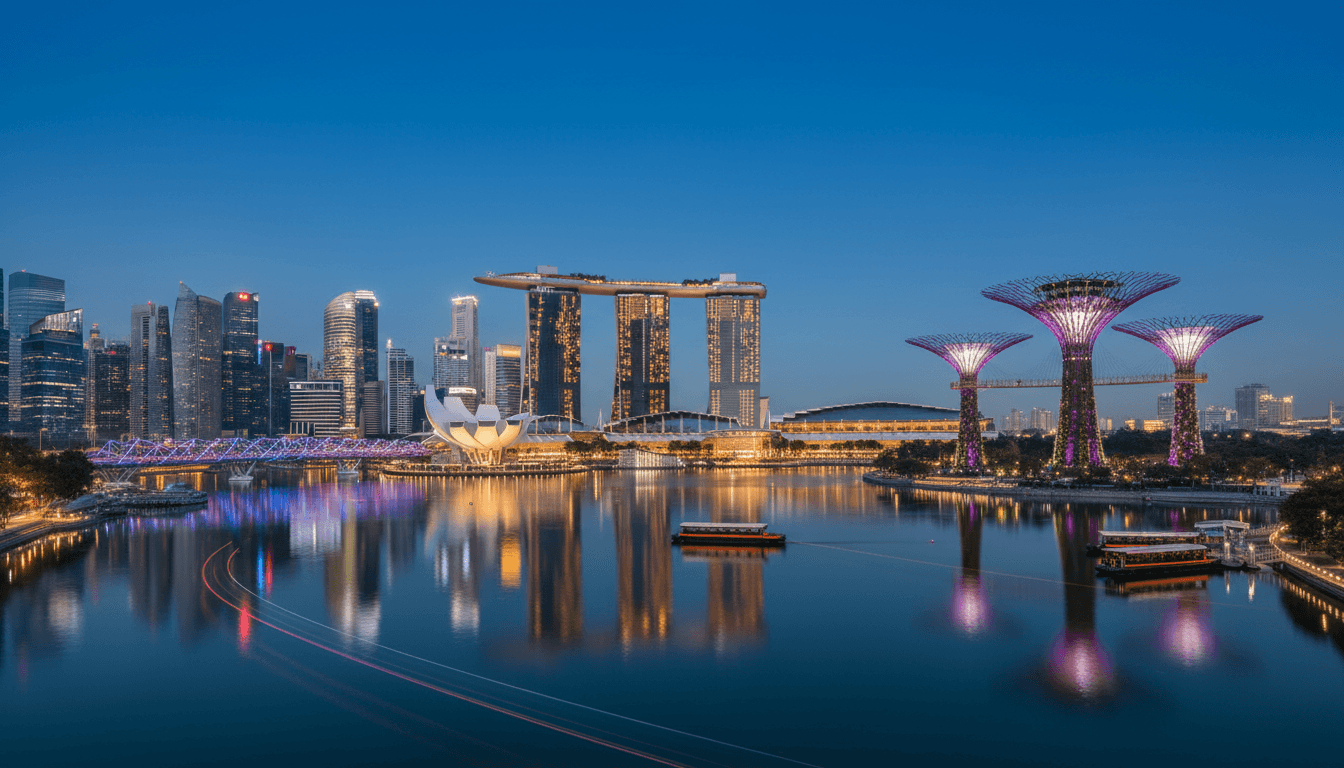
Bachelor and Bachelorette Parties in Singapore: The Complete Home Swap Group Guide for 2026
Planning a bachelor or bachelorette party in Singapore? Discover how home swapping lets groups of 6-12 stay together in luxury condos, saving thousands while partying in Marina Bay.
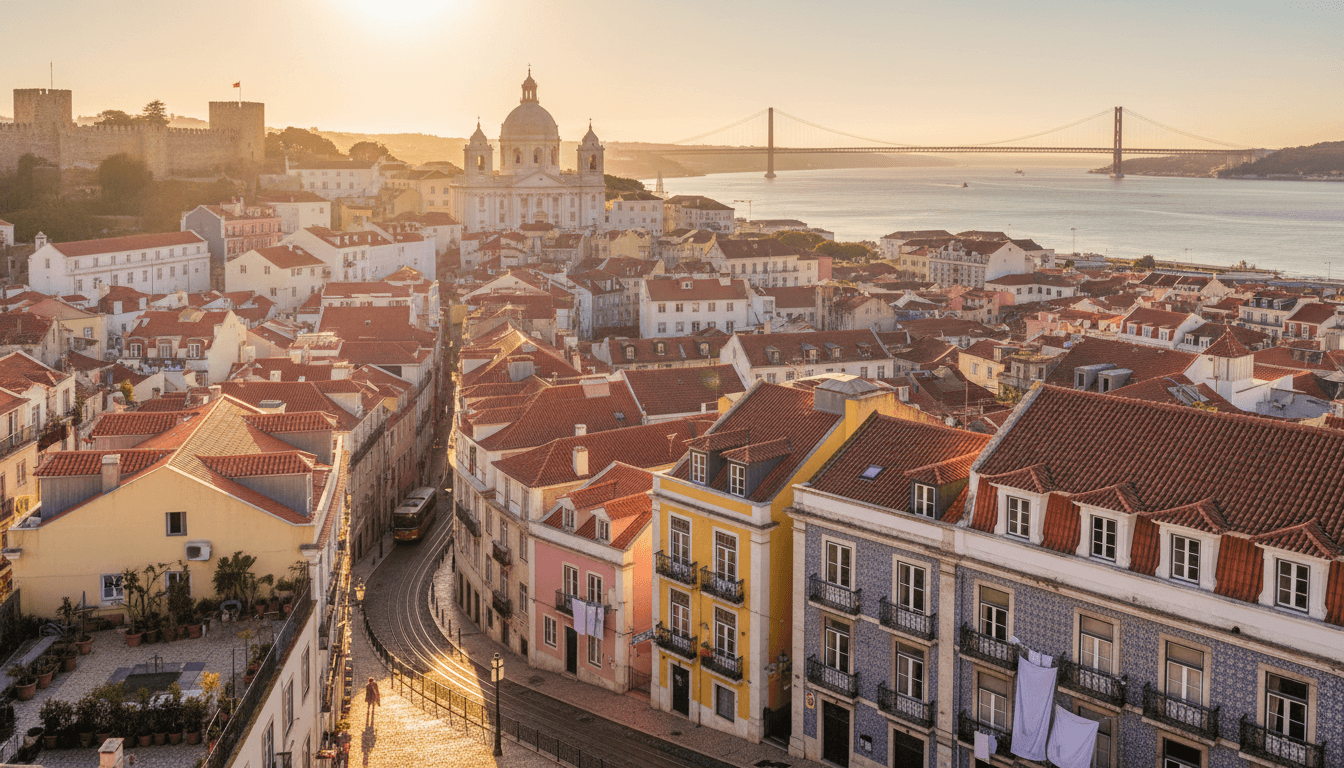
Cycling in Lisbon: 7 Home Swap Bike Tour Itineraries for Every Rider
Discover the best cycling routes in Lisbon with these home swap bike tour itineraries—from waterfront paths to hilltop adventures, all starting from your borrowed home.
Graduation Trip to Barcelona: How Home Swapping Gives New Graduates the Ultimate Celebration
Planning a graduation trip to Barcelona? Discover how home swapping lets new graduates explore Spain's most vibrant city without the hostel crowds or hotel costs.