Water Sports in Venice: The Complete Home Swap Activity Guide for 2026

SwappaHome Editorial Team
Home Exchange & Slow Travel Editorial
Discover the best water sports in Venice—from kayaking the canals to lagoon paddleboarding. Your home swap activity guide with real prices, local spots, and insider tips.
Water Sports in Venice: The Complete Home Swap Activity Guide for 2026
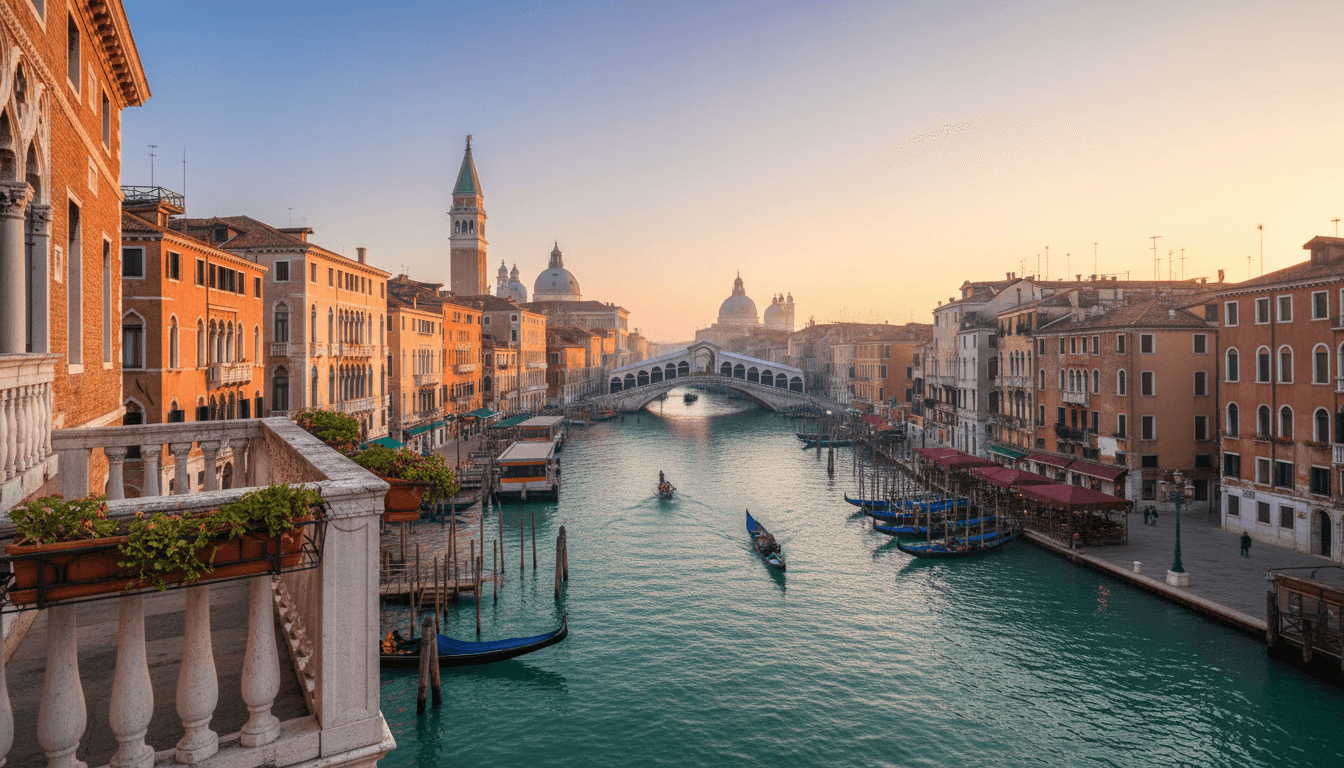
Picture this: a gondolier rounds the corner into a narrow canal off Rio di San Trovaso, and suddenly it clicks—water sports in Venice aren't just activities. They're a completely different way of experiencing a city built on 118 islands. Most tourists shuffle across the Rialto Bridge, snap photos from the Ponte dell'Accademia, and never realize that the best of Venice exists at water level. Down there, morning light catches the moss-covered palazzo foundations. The only sounds are lapping waves and distant church bells.
Here's what makes Venice genuinely unique for water activities: there are no cars. No scooters. No buses honking through the streets. The entire city operates on water. When you're staying in a home swap apartment in Cannaregio or Dorsoduro, you're not just visiting Venice—you're living like someone who navigates by vaporetto stop numbers and knows which canals get too crowded after 10 AM.
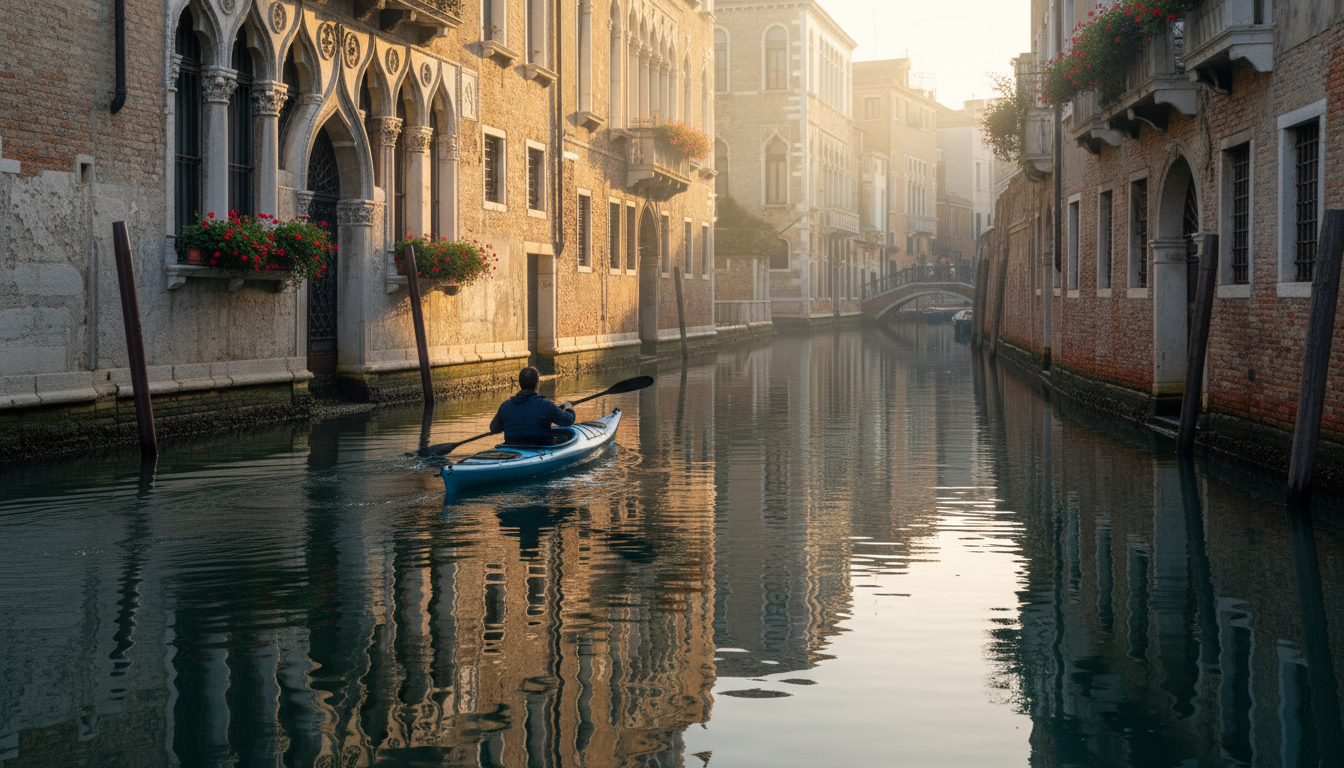 Early morning kayaker paddling through a quiet Venice canal with Gothic windows and flower boxes ref
Why Venice Is Unlike Any Other Water Sports Destination
Forget what you know about water sports from beach resorts or lakeside towns. Venice water activities operate under a completely different logic—one shaped by 1,500 years of maritime history, strict canal traffic regulations, and a lagoon ecosystem that extends far beyond the famous centro storico.
The Venetian Lagoon spans roughly 550 square kilometers, making it the largest wetland in the Mediterranean basin. Within this protected area, you'll find everything from the bustling Grand Canal to completely deserted sandbar islands where the only company is wading birds and the distant silhouette of Burano's colorful houses.
What the SwappaHome community consistently reports about Venice water sports: the experience transforms based on where you're staying. A home swap in Giudecca puts you minutes from open lagoon paddling. An apartment near the Fondamenta Nuove gives you direct access to kayak routes toward Murano and the northern lagoon. Even the quieter residential areas of Santa Croce offer canal-side living where you can watch rowing clubs practice traditional Venetian techniques at dawn.
The Tidal Reality Most Visitors Miss
Venice operates on a tidal schedule that affects every water sport. The difference between high and low tide can exceed a meter during spring tides—and that changes everything from canal depth to which routes are passable. Experienced paddlers check the tide tables (available at mareeVenezia.it) before planning any excursion.
During acqua alta—the high water events that flood Piazza San Marco—certain water activities become impossible while others open up. You won't be launching a kayak when the water's lapping at doorsteps. But the days following high water often bring exceptionally clear lagoon conditions as the tidal flush cleans the canals.
Kayaking Venice's Canals: The Essential Guide
Kayaking in Venice isn't just permitted—it's one of the most intimate ways to experience a city that most visitors only see from above. The catch: you need to understand the rules, the routes, and the realities of sharing waterways with everything from ambulance boats to delivery barges.
Where to Rent and Launch
The most established kayak rental operation in Venice is Venice Kayak, based on the island of Certosa in the northern lagoon. A single kayak rental runs approximately €30-40 for two hours, with guided tours starting around €85-100 per person for a half-day experience. They provide proper instruction on Venetian waterway etiquette—essential knowledge that includes which canals to avoid during peak traffic hours and how to navigate the wake from passing vaporetti.
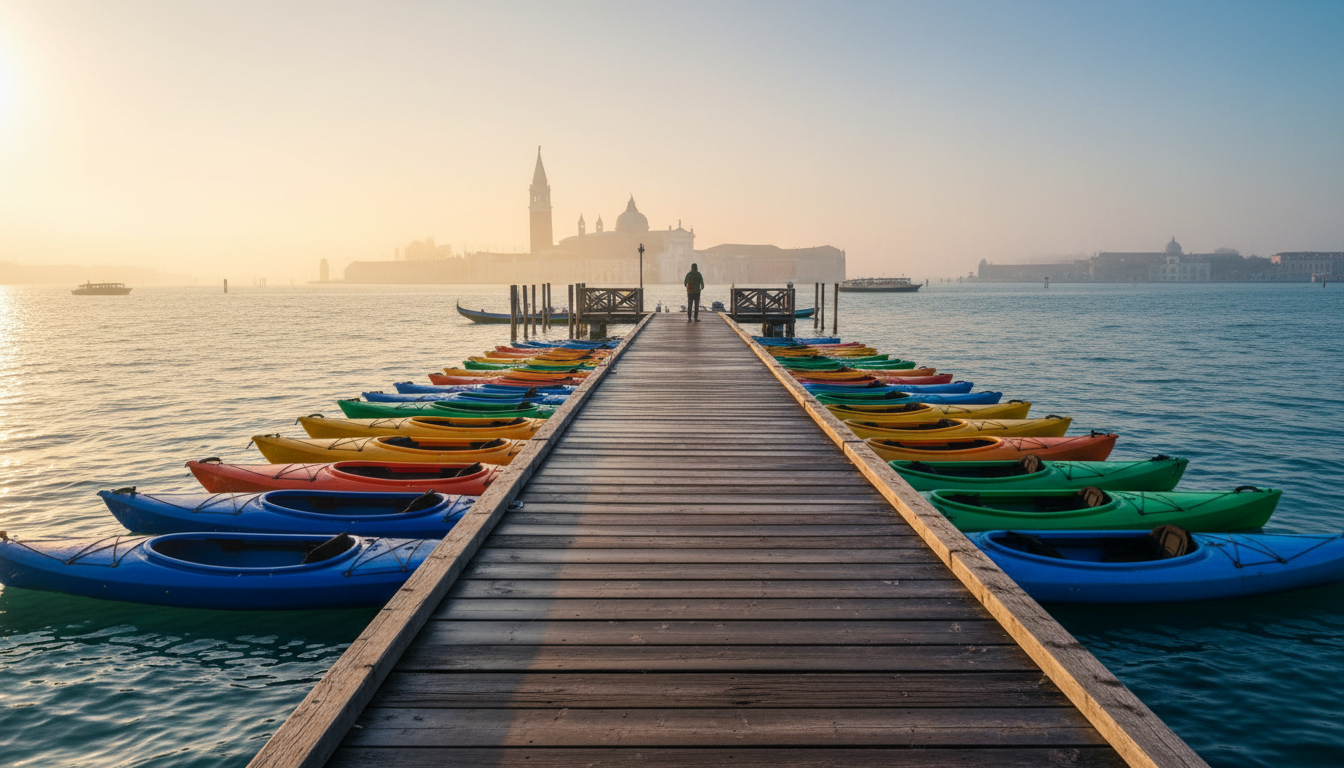 Colorful kayaks lined up on a wooden dock in the Venice lagoon with the distant skyline of Venice vi
For those staying in a home swap with storage space, bringing your own inflatable kayak opens up daily exploration. Several SwappaHome members in Venice mention having garage or ground-floor storage suitable for water gear—worth asking about when arranging your exchange.
The Best Kayaking Routes by Experience Level
Beginner: Certosa Island Circuit Start from Certosa and paddle the protected waters between the island and Sant'Elena. This route avoids the busiest canal traffic while offering views of the Arsenale's medieval shipyard walls and the public gardens of the Biennale grounds. Distance: roughly 4-5 kilometers. Time: 1.5-2 hours with stops.
Intermediate: Northern Lagoon to Burano Launch early—before 7 AM if possible—and paddle north through the channels marked by wooden bricole (navigation poles). The route passes San Michele cemetery island, continues past Murano's glass factories, and reaches Burano's candy-colored houses. This is a 12-15 kilometer round trip that requires attention to boat traffic and tide timing. Most paddlers take 4-5 hours including a Burano lunch stop.
Advanced: The Lido Barrier Islands Experienced sea kayakers can explore the outer lagoon toward the Lido and Pellestrina barrier islands, where the Adriatic meets the lagoon through the Porto di Lido inlet. This requires proper sea kayaking skills—currents at the inlet can run strong, and the open Adriatic demands respect. Check wind forecasts; the bora wind from the northeast can make return paddling brutal.
Canal Kayaking Rules You Must Know
Venice takes its waterway regulations seriously. Kayaks are prohibited in the Grand Canal and several other major thoroughfares during peak hours (typically 8 AM to 7 PM). The smaller canals—the rii—are generally accessible, but you're expected to yield to all motorized traffic and maintain control in the wake of passing boats.
The unwritten rule: early morning is everything. Paddle the Grand Canal at 6 AM and you'll share it with delivery boats and the occasional early vaporetto. Try the same route at noon and you're looking at a citation from the Polizia Locale.
Stand-Up Paddleboarding in the Venetian Lagoon
SUP in Venice has exploded in popularity over the past five years. And for good reason—the lagoon's generally calm waters and the surreal experience of standing at eye level with Renaissance palazzos creates something you genuinely can't replicate anywhere else.
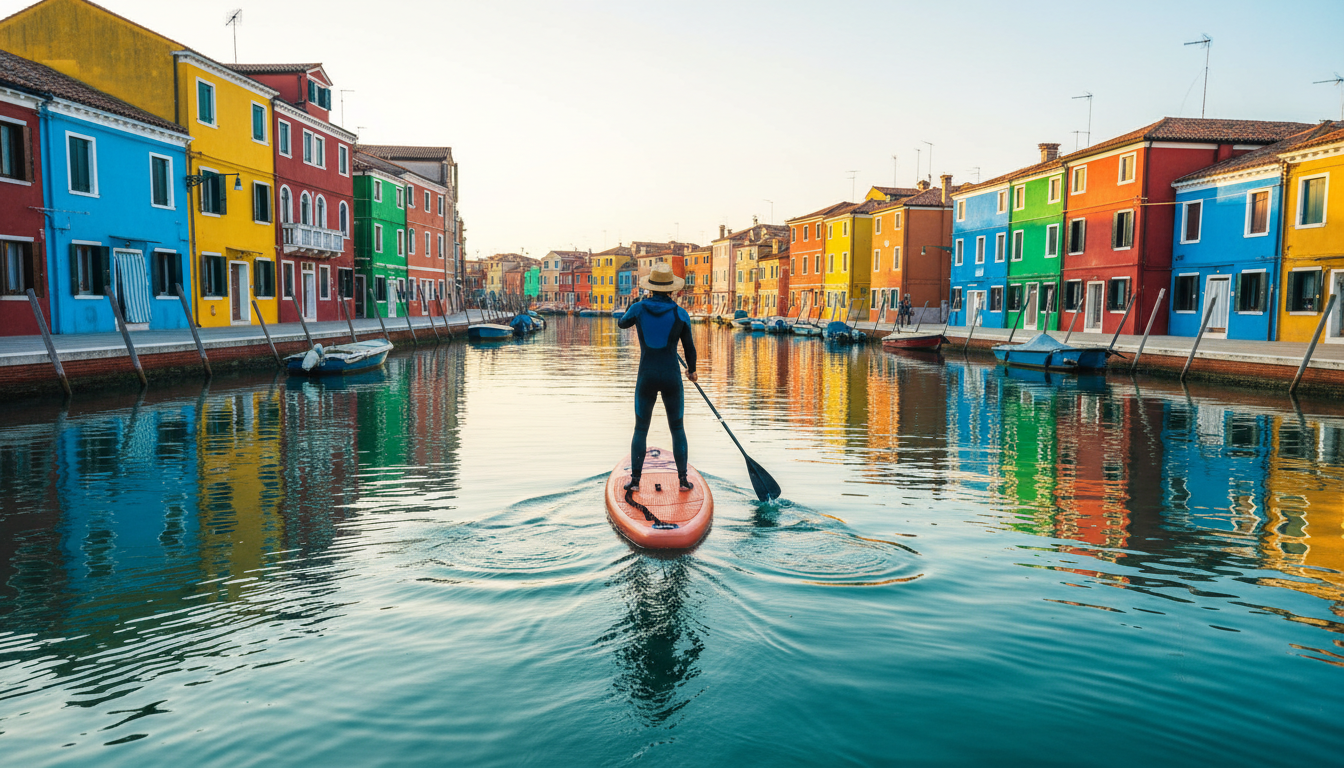 Stand-up paddleboarder gliding past the colorful houses of Burano with their reflections in calm lag
Where to SUP in Venice
The centro storico canals present the same challenges for paddleboarders as for kayakers—traffic restrictions, wake from boats, and the need for early starts. The better option for most SUP sessions: head to the lagoon islands.
Sant'Erasmo: Venice's Secret Garden Island This agricultural island northeast of Venice offers flat-water paddling along channels lined with artichoke fields and vineyards. The water here is often clearer than in the main canals, and you can combine a paddle with a stop at one of the island's agriturismos for lunch. SUP rental is available at the Sant'Erasmo boat dock, typically €25-35 per hour.
The Lido Beach Side The Adriatic-facing beaches of the Lido offer proper sea paddling conditions—small waves, sandy launch points, and the chance to paddle along the same shores where Visconti filmed "Death in Venice." The beach establishments (stabilimenti) near the Hotel Excelsior sometimes rent SUP boards during summer months, usually €20-25 per hour.
Giudecca Canal If you're staying in a home swap on Giudecca island, the wide canal between Giudecca and the Zattere promenade offers relatively calm paddling with spectacular views of the Dorsoduro skyline. Launch from the public waterfront steps near the Redentore church.
SUP Rental Costs and Logistics
Expect to pay €25-40 per hour for SUP board rental in Venice, with half-day rates around €60-80. Guided SUP tours—worth considering for first-timers navigating the waterway rules—run €75-100 per person for 2-3 hours.
Here's the practical challenge: getting a SUP board to and from the water in a city without cars. If you're bringing your own inflatable board, you'll be walking it through narrow streets and over bridges. A home swap near the water's edge—particularly in areas like Dorsoduro's Zattere or the Fondamenta Nuove—makes spontaneous paddling sessions far more realistic.
Traditional Venetian Rowing: Voga alla Veneta
Here's something most tourists never discover: you can learn to row a traditional Venetian boat standing up, using the same technique that gondoliers have practiced for centuries. Voga alla veneta isn't just a water sport—it's a living cultural tradition, and several organizations in Venice teach it to visitors.
How Venetian Rowing Works
Unlike seated rowing where you face backward, Venetian rowers stand at the stern facing forward, using a single oar in a distinctive curved oarlock called a fórcola. The technique requires balance, rhythm, and a completely different relationship with the water than any rowing you've done before.
The boats vary: sandoli are the most common training vessels, while the sleek pupparini are used for racing. Gondolas themselves are rarely used for instruction—they're expensive, specialized craft that require significant experience to handle.
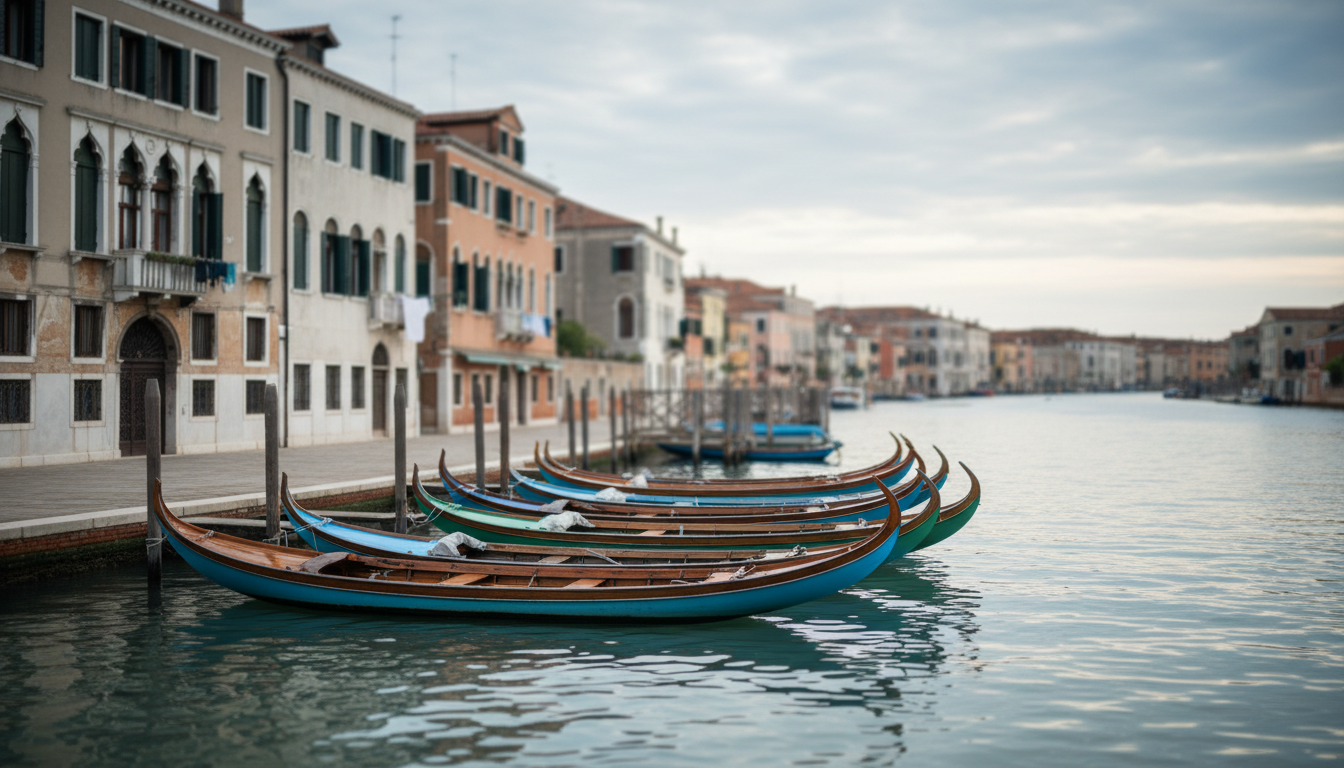 Row of traditional Venetian wooden boats sandoli moored at a canal-side dock with historic buildings
Where to Learn Voga alla Veneta
The nonprofit organization Row Venice offers lessons in English, with introductory sessions starting around €85 for 90 minutes. They operate from various locations including the Sacca della Misericordia in Cannaregio. The instruction emphasizes not just technique but the history and culture of Venetian boat-building and navigation.
For a more immersive experience, the Canottieri Giudecca rowing club sometimes accepts visitors for multi-day workshops. This is where you'll train alongside Venetians who row competitively in the annual Regata Storica and other traditional events.
The home swap advantage here is significant: staying for two weeks or more allows you to progress from wobbling in a sandolo to actually navigating the canals with some confidence. Hotel visitors rarely have time to develop the skill.
Sailing the Venetian Lagoon
The lagoon offers protected sailing waters with enough variety to keep experienced sailors engaged and enough shelter to make it approachable for learning. The key difference from open-water sailing: the lagoon is shallow, with an average depth of about one meter outside the marked channels. Run aground here and you're stuck until the tide shifts.
Sailing Options and Costs
Compagnia della Vela, Venice's historic yacht club founded in 1911, occasionally offers guest sailing experiences and regattas. More accessible for visitors: the sailing schools on the Lido, where small dinghy instruction runs €50-80 per hour and day-long sailing excursions on larger boats cost €150-250 per person.
For certified sailors, bareboat charter options exist through companies based in Chioggia at the lagoon's southern end. A 30-foot sailboat runs roughly €200-350 per day depending on season, with the requirement that you demonstrate competency in shallow-water navigation.
The Best Sailing Season
May through October offers the most reliable conditions, with afternoon breezes typically building from the Adriatic. The summer months (July-August) can be crowded with recreational boat traffic, while late September and early October often bring ideal conditions: warm temperatures, steady winds, and the lagoon's famous golden light.
Winter sailing is possible but challenging—the bora wind can howl through the lagoon at 50+ knots, and the acqua alta season makes planning unpredictable.
Swimming in and Around Venice
Let's address this directly: swimming in Venice's canals is prohibited, and you wouldn't want to anyway. The canal water, while cleaner than its reputation suggests, isn't suitable for swimming due to boat traffic, tidal currents, and the general reality of urban waterways.
But Venice proper isn't your only option when staying in the area.
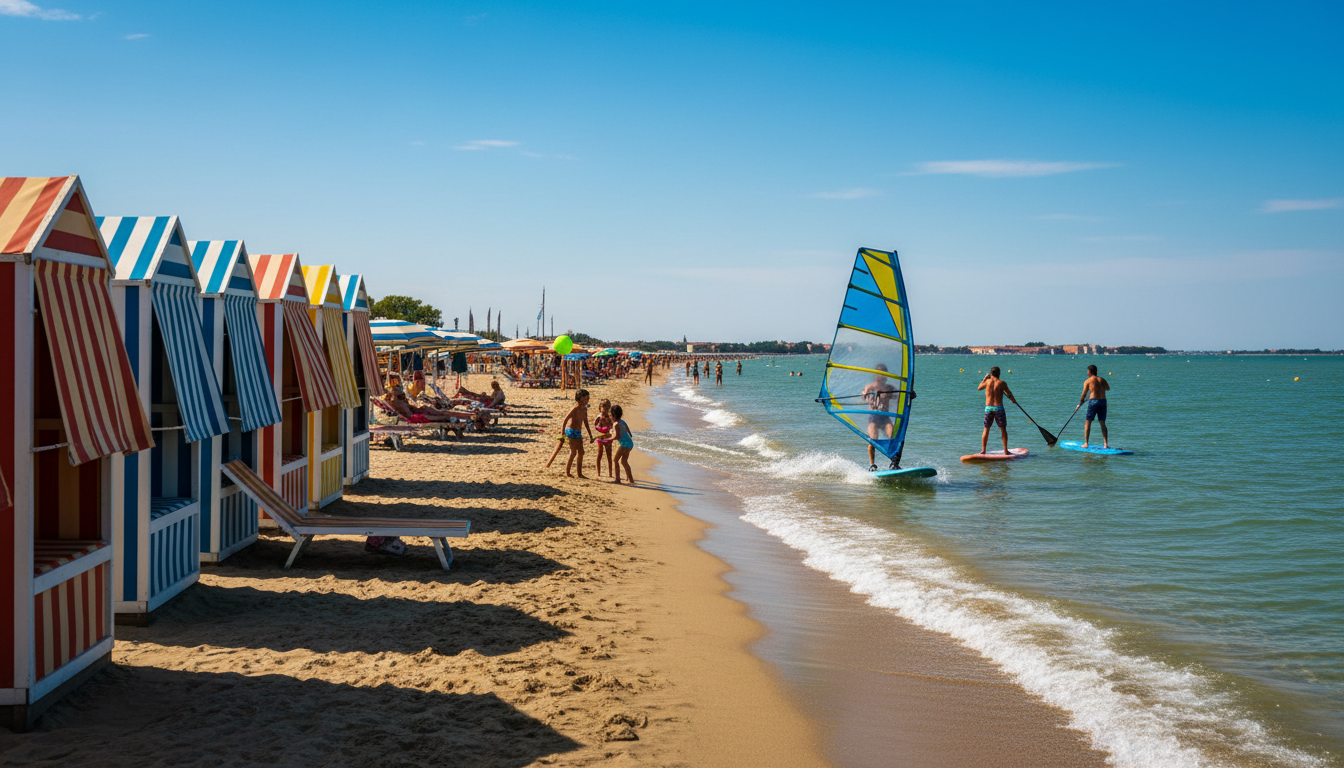 Sandy beach on the Lido di Venezia with traditional striped beach cabanas and the Adriatic Sea, summ
Lido Beaches: Venice's Adriatic Shore
The Lido island, a 15-minute vaporetto ride from San Marco, offers proper sandy beaches along the Adriatic coast. The public beach sections (spiaggia libera) are free, while the private stabilimenti charge €15-40 per day for a sunbed, umbrella, and changing facilities.
The water quality is generally good—the Adriatic here is clean and swimmable throughout summer. The beach near the historic Hotel Des Bains (where "Death in Venice" was filmed) offers a particularly atmospheric setting.
Pellestrina: The Locals' Beach
Further south, the narrow barrier island of Pellestrina offers quieter beaches and a glimpse of authentic lagoon life. The vaporetto journey from Venice takes about an hour, passing through the lagoon and stopping at small fishing communities. The beaches here are less developed but peaceful, with local seafood restaurants serving some of the freshest catches in the region.
Natural Swimming in the Lagoon
Some of the uninhabited lagoon islands have small beaches where swimming is technically possible, though not officially designated. The sandbar areas near Burano and the northern lagoon occasionally see adventurous swimmers, but this requires local knowledge about water quality, tides, and access.
Boat Tours: When You Want Someone Else to Navigate
Not every water experience needs to be self-powered. Venice offers boat tours ranging from the classic gondola ride to speedboat excursions through the lagoon.
Gondola Rides: The Reality Check
The iconic gondola experience costs a fixed €80 for a 30-minute daytime ride (up to 6 passengers), rising to €100 after 7 PM. Worth it? That depends entirely on your expectations. The route through the quieter canals of San Polo or Dorsoduro offers a genuinely unique perspective. The crowded tourist circuit near San Marco feels more like a photo opportunity than an authentic experience.
The smart move: if you're doing a gondola ride, book it for early evening and request a route through the residential canals rather than the Grand Canal tourist circuit.
Private Water Taxis and Speedboat Tours
Water taxis offer flexibility for lagoon exploration at €100-150 per hour. A skilled water taxi driver can take you to islands that public vaporetti don't serve, time your arrival at Burano before the day-trip crowds, or coordinate a sunset cruise through the quieter northern lagoon channels.
Some water taxi operators offer full-day lagoon tours for €400-600, covering multiple islands with local knowledge that transforms the experience from transportation to guided exploration.
Planning Water Sports Around Your Venice Home Swap
The logistics of water activities change significantly based on where in Venice you're staying. Here's what experienced home swappers report about different neighborhoods:
Cannaregio
The northern district offers easy access to the Fondamenta Nuove vaporetto stops for reaching the lagoon islands. Several kayak launch points exist along the quieter canals toward the Ghetto area. Home swaps here often include ground-floor storage—useful for water gear.
Dorsoduro
The Zattere waterfront provides direct access to the Giudecca Canal for paddling. The neighborhood's position near the Accademia bridge means you're close to kayak rental operations while still being in a quieter residential area.
Giudecca
This island across from the main city offers the most direct lagoon access. Several home swaps on Giudecca include private water-level terraces or boat mooring—rare amenities that transform water sports logistics.
Sant'Elena
The eastern tip of Venice, near the Biennale gardens, provides easy access to the Certosa kayak base and relatively calm waters for paddling. It's less central for sightseeing but ideal if water activities are your priority.
What to Bring for Venice Water Sports
Packing for water activities in Venice requires thinking about both the sport and the city's unique characteristics:
Water shoes with good grip: You'll be launching from stone steps, wooden docks, and occasionally muddy lagoon shores. The slippery algae on Venice's waterfront steps has ended more than a few trips prematurely.
Dry bags: Essential for protecting phones and cameras. The combination of paddle spray and boat wake makes waterproof storage non-negotiable.
Sun protection: The lagoon offers no shade, and the water reflection intensifies UV exposure significantly.
Tide chart app: Install a Venice tide app before arrival. Checking conditions becomes second nature after a few days.
Quick-dry clothing: You'll want to transition from paddling to exploring without returning to your home swap to change.
The Best Time of Year for Venice Water Sports
Each season offers different advantages:
Spring (April-May): Mild temperatures, manageable tourist crowds, and the lagoon's bird populations at their most active. Water temperatures hover around 15-18°C—fine for paddling, cold for swimming.
Summer (June-August): Peak season brings the warmest water (22-26°C), longest days, and most crowded conditions. Early morning starts become essential to beat both heat and boat traffic.
Fall (September-October): Many experienced Venice visitors consider this the ideal season. Warm enough for water activities, dramatic light conditions, and the tourist crowds thinning after mid-September. Watch for acqua alta events beginning in late October.
Winter (November-March): Water sports become challenging due to cold temperatures, unpredictable acqua alta, and shorter daylight hours. Some dedicated kayakers still paddle year-round, but this requires proper cold-water gear and experience.
Making It Happen: Your Venice Water Sports Itinerary
A two-week home swap in Venice—the kind of extended stay that makes home exchange so valuable—allows you to build water activities into a rhythm rather than cramming them into a single day.
Week One: Focus on orientation. Take a vaporetto tour of the Grand Canal to understand the waterway geography. Book an introductory kayak session from Certosa. Walk the Zattere and Fondamenta Nuove waterfronts to identify potential launch points near your home swap.
Week Two: Go deeper. Attempt the Burano kayak route on a calm morning. Take a Venetian rowing lesson. Explore the Lido beaches. Consider a private water taxi tour to the lesser-known islands like San Francesco del Deserto or Torcello.
The home swap model makes this progression possible. You're not racing against a three-night hotel checkout—you're settling into a neighborhood, learning which bakery opens earliest, which canal catches the best morning light, and which water routes feel like discoveries you've made on your own.
Frequently Asked Questions
Is kayaking in Venice's canals legal?
Yes, kayaking is legal in most Venice canals, but with important restrictions. The Grand Canal and several major waterways prohibit kayaks during peak hours (typically 8 AM to 7 PM). Paddlers must yield to all motorized traffic and follow waterway regulations. Early morning sessions—before 7 AM—offer the best access to normally restricted areas.
How much do water sports cost in Venice?
Kayak rentals run €30-40 for two hours, with guided tours at €85-100 per half-day. SUP board rental costs €25-40 per hour. Traditional Venetian rowing lessons start around €85 for 90 minutes. Gondola rides are fixed at €80 for 30 minutes daytime, €100 after 7 PM. Private water taxi lagoon tours range from €100-150 per hour.
Can you swim in the Venice canals?
Swimming in Venice's canals is prohibited and inadvisable due to boat traffic and water quality concerns. For swimming, head to the Lido beaches (15-minute vaporetto ride) where the Adriatic offers clean, swimmable water. Public beach access is free; private beach clubs charge €15-40 daily for facilities.
What's the best season for Venice water sports?
September and early October offer ideal conditions: warm temperatures (20-25°C air, 20-22°C water), thinning tourist crowds, and spectacular golden light. Summer provides the warmest water but peak crowds and heat. Spring (April-May) offers pleasant conditions with active lagoon wildlife. Winter water sports require cold-water experience and gear.
Where should I stay in Venice for easy water sports access?
For lagoon paddling, Giudecca and Sant'Elena offer the most direct water access. Dorsoduro's Zattere waterfront provides convenient launching for Giudecca Canal activities. Cannaregio near the Fondamenta Nuove gives easy vaporetto access to lagoon islands and kayak rental bases on Certosa. Home swaps with ground-floor storage make bringing your own equipment practical.

Published by
SwappaHome
SwappaHome Editorial Team
Home Exchange & Slow Travel Editorial
The SwappaHome Editorial Team brings together travel research, home-exchange community insights, and platform data to produce practical guides for first-time and experienced home swappers. Every article cites real platforms, current market rates, and verifiable city-level facts so readers can make informed decisions without guessing.
Ready to try home swapping?
Join SwappaHome and start traveling by exchanging homes. Get 7 free credits when you sign up!
Related articles
Bachelor and Bachelorette Parties in Singapore: The Complete Home Swap Group Guide for 2026
Planning a bachelor or bachelorette party in Singapore? Discover how home swapping lets groups of 6-12 stay together in luxury condos, saving thousands while partying in Marina Bay.
Cycling in Lisbon: 7 Home Swap Bike Tour Itineraries for Every Rider
Discover the best cycling routes in Lisbon with these home swap bike tour itineraries—from waterfront paths to hilltop adventures, all starting from your borrowed home.
Graduation Trip to Barcelona: How Home Swapping Gives New Graduates the Ultimate Celebration
Planning a graduation trip to Barcelona? Discover how home swapping lets new graduates explore Spain's most vibrant city without the hostel crowds or hotel costs.