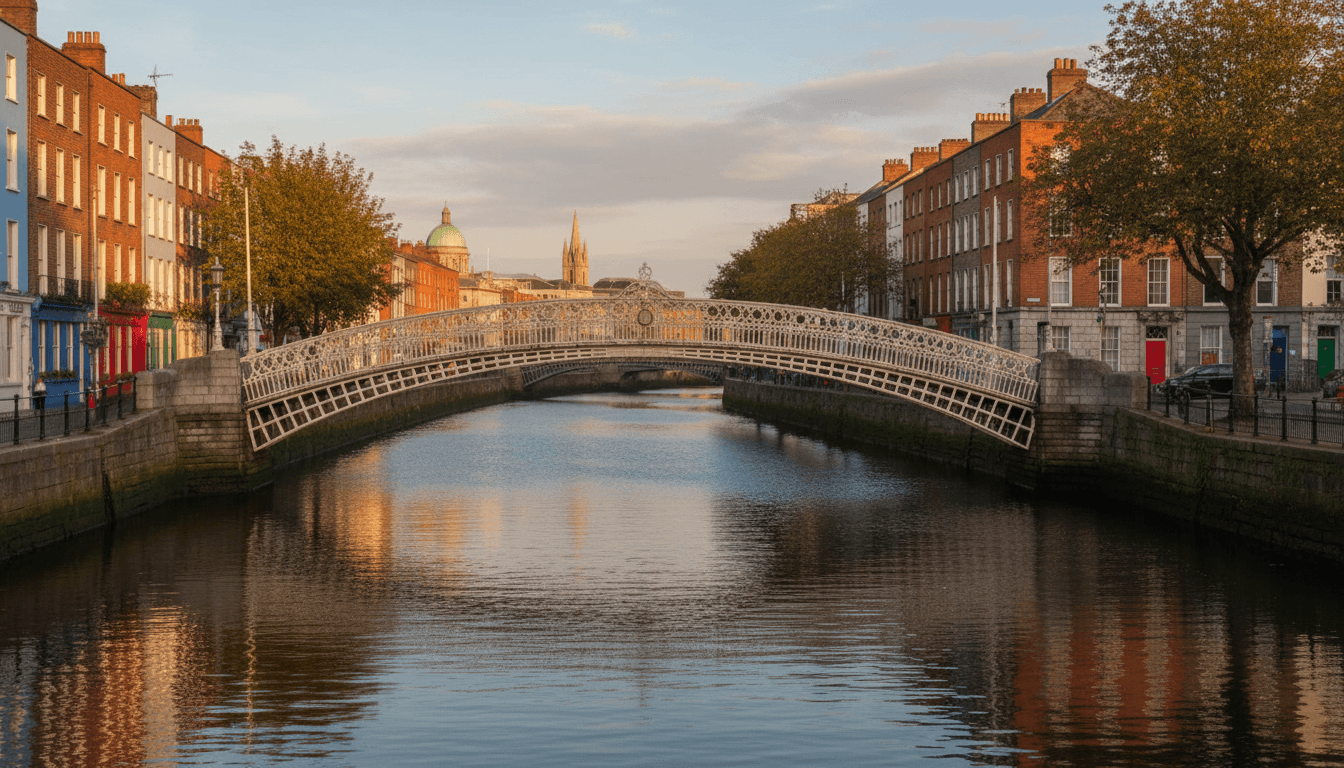
Wine-Lover's Home Swap Guide to Dublin: Where Grapes Meet Georgian Charm

SwappaHome Editorial Team
Home Exchange & Slow Travel Editorial
Discover Dublin's thriving wine scene through home swapping. From natural wine bars in Portobello to Georgian townhouse stays, this guide covers the best wine experiences and neighborhoods for oenophiles.
Wine-Lover's Home Swap Guide to Dublin: Where Grapes Meet Georgian Charm
The glass of Grüner Veltliner catches late afternoon light streaming through the window at Loose Canon on Drury Street, and something clicks: Dublin has become one of Europe's most exciting cities for wine discovery. Not a sentence most people expect to read. Ireland built its reputation on stout and whiskey, not Burgundy and Barolo. But a wine-lover's home swap in Dublin reveals a city that's quietly assembled one of the continent's most interesting wine scenes—intimate natural wine bars tucked into Georgian basements, ambitious sommeliers who left Michelin-starred restaurants in London and Copenhagen to open their own spots, and a community of enthusiasts who approach bottles with the same passion the Irish bring to everything they love.
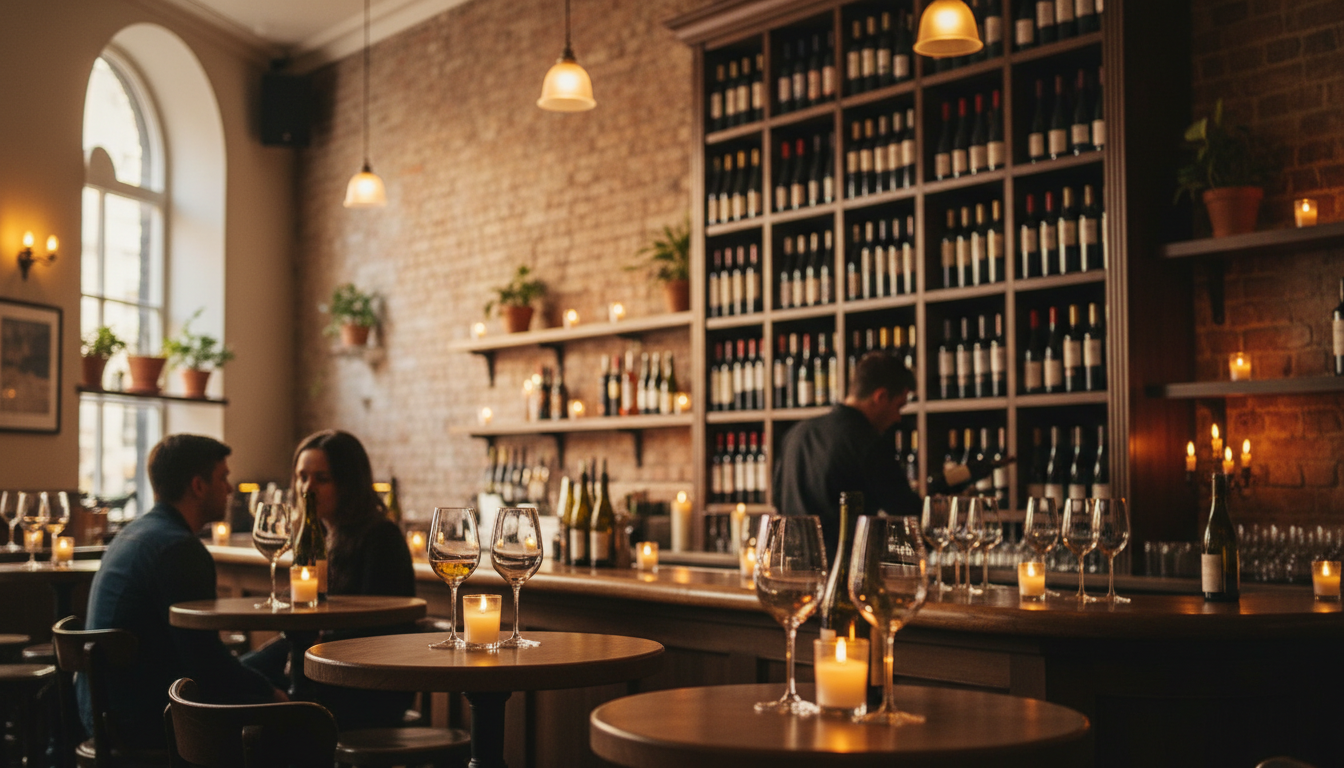 Interior of a cozy Dublin wine bar with exposed brick, candlelight reflecting off wine glasses, and
The magic of combining home swapping with wine exploration here lies in the logistics. Wine lovers know that serious tasting means you don't want to drive. Dublin's compact city center puts dozens of exceptional wine bars, bottle shops, and restaurants within walking distance of each other—and within stumbling distance of a borrowed apartment in Portobello, Ranelagh, or the city center. A home swap means you can explore a different neighborhood's wine offerings each evening, then walk back to a real kitchen where you can pair your own bottle with local Irish cheese from Sheridans on South Anne Street.
Why Dublin Works for a Wine-Focused Home Swap
Dublin's wine renaissance happened almost by accident. When Ireland's economy boomed in the early 2000s, a generation of young Irish people traveled, worked harvests in Burgundy and the Rhône, staged at wine bars in Paris and Barcelona, then brought that knowledge home. The 2008 crash scattered some of them again, but many returned in the 2010s with even more experience and a determination to build something. The result? A wine scene that punches absurdly above its weight for a city of 1.4 million people.
For home swappers specifically, Dublin offers advantages that wine regions themselves often can't match. Swap a home in Beaune, and you'll need a car to reach most domaines—which means a designated driver or expensive taxis. Swap a home in Dublin, and you can walk from the Ely Wine Bar on Ely Place to Piglet Wine Bar on Cow's Lane to Green Man Wines in Terenure, sampling different philosophies and selections without ever needing transport.
The SwappaHome community includes several Dublin members whose listings specifically mention wine storage, proper glassware, and recommendations for local wine shops. One Portobello apartment listing notes a temperature-controlled wine fridge and a collection of Zalto glasses available for guest use—the kind of detail that makes wine-loving travelers immediately click "request to book."
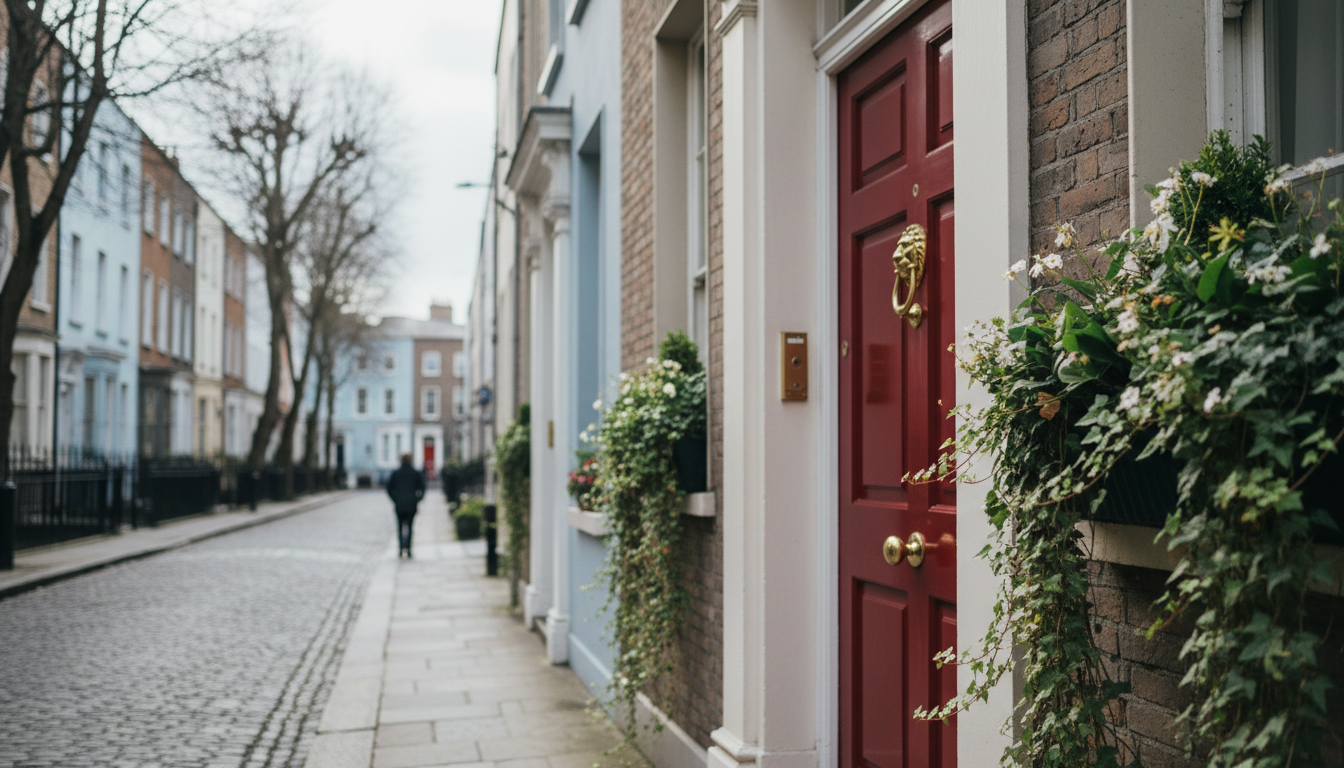 A Georgian Dublin doorway painted deep red, with brass knocker, flanked by window boxes with trailin
The Best Dublin Neighborhoods for Wine-Loving Home Swappers
Portobello: The Natural Wine Epicenter
Serious about natural wine? Portobello is where you want your Dublin home swap base. This neighborhood along the Grand Canal has become ground zero for Ireland's natural wine movement. Within a fifteen-minute walk, you'll find Loose Canon (the bar that arguably started Dublin's natural wine obsession), Craft (combining natural wine with craft beer in a way that actually works), and the legendary Fumbally café, which serves orange wines alongside its famous brunch.
Portobello home swaps typically list between €80-120 per night on rental platforms, which means a week here would cost €560-840. Through SwappaHome's credit system, that same week costs 7 credits—credits you might have earned hosting someone in your own home. The savings fund a lot of interesting bottles.
The neighborhood itself feels like a village within the city. Victorian redbrick terraces line streets named after battles (Lennox Street, Richmond Street), and the canal towpath provides a peaceful morning walk. Many Portobello properties are Georgian or Victorian conversions with high ceilings and original fireplaces—exactly the kind of characterful space that makes home swapping superior to hotels.
Ranelagh: Where Sommeliers Live
A twenty-minute walk south from St. Stephen's Green, Ranelagh has become Dublin's unofficial sommelier district. The neighborhood's main street hosts Forest Avenue (one of Dublin's best restaurants, with a wine list that changes constantly based on what's drinking well) and several excellent bottle shops. But the real draw is the residential character: tree-lined streets, Victorian villas, and a village atmosphere that belies its proximity to the city center.
Ranelagh home swaps tend to be slightly larger than Portobello equivalents—more family homes, fewer studio conversions. For wine lovers traveling as couples, this means actual dining tables for proper meals, kitchens with enough counter space to prepare food that deserves good wine, and often gardens where you can enjoy an aperitif on summer evenings. Dublin stays light until nearly 11pm in June.
The DART suburban rail line stops at nearby Sandymount, connecting Ranelagh to the coastal villages of Dalkey and Killiney—both worth day trips for seafood-and-wine lunches at spots like Cavistons in Sandycove.
Dublin 2 and Dublin 8: City Center Wine Crawling
For those who want to maximize wine bar access, the city center postcodes offer the highest concentration of options. Dublin 2 encompasses the Georgian core around Merrion Square and St. Stephen's Green, while Dublin 8 covers the Liberties and areas around St. Patrick's Cathedral.
A home swap in Dublin 2 puts you within ten minutes' walk of Ely Wine Bar (three locations, the original on Ely Place being the most atmospheric), the wine list at Chapter One (recently relocated but still exceptional), and the casual brilliance of Assassination Custard in the basement of a Dawson Street building. Dublin 8 offers grittier charm and lower swap competition—the Liberties is still emerging as a residential neighborhood, meaning members who list here often have newer, more modern apartments.
 Evening scene on a Dublin street with warm light spilling from wine bar windows, Georgian buildings
Dublin's Essential Wine Bars for Home Swappers
Loose Canon: Where It Started
Loose Canon on Drury Street operates from a narrow room that seats maybe thirty people, with a few more at the bar. The wine list changes constantly—sometimes daily—based on what's arrived and what the staff is excited about. Expect natural and low-intervention wines from small producers, with a heavy emphasis on France, Austria, and emerging regions like Georgia and Slovenia.
Here's what makes Loose Canon essential for visiting wine lovers: the staff's genuine enthusiasm for education without pretension. Mention you're interested in trying something from the Jura, and they'll walk you through the differences between vin jaune and ouillé styles. Say you've never had an orange wine, and they'll find something approachable rather than challenging. Glasses run €8-16, bottles €35-80.
The food—small plates designed for sharing—punches above typical wine bar fare. The burrata is famous. The charcuterie comes from proper suppliers. It's the kind of place where you intend to have one glass and leave three hours later, having made friends with the couple next to you.
Piglet Wine Bar: The Neighborhood Gem
Tucked into Cow's Lane in Temple Bar (the quieter, more interesting end of that tourist-heavy neighborhood), Piglet feels like someone's very stylish living room. The wine list focuses on small producers and interesting regions, but with more approachability than some natural wine bars—you'll find crowd-pleasing Côtes du Rhône alongside funky Sicilian amphora wines.
Piglet's cheese and charcuterie boards deserve special mention. They source from Irish producers (Cashel Blue, Durrus, Gubbeen) and European specialists, assembling boards that actually complement wine rather than overwhelming it. For home swappers, this is ideal pre-dinner grazing before walking to a nearby restaurant.
Ely Wine Bar: The Institution
Ely has been championing Irish food and interesting wine since 2003, which makes it ancient by Dublin wine bar standards. The original location on Ely Place occupies a Georgian townhouse basement, all vaulted ceilings and candlelight. The wine list runs to over 500 labels, with particular strength in organic and biodynamic producers.
What distinguishes Ely is its commitment to Irish produce. The beef comes from the owner's family farm in County Clare. The vegetables are seasonal and local. This makes it an excellent choice for wine lovers who also want to understand Irish food culture—the wine pairings here are designed around what grows in Irish soil, not imported ingredients.
Green Man Wines: The Bottle Shop Experience
Technically a wine shop rather than a bar, Green Man in Terenure deserves inclusion because of its tasting events and the sheer quality of its selection. Owner Oisín Davis has assembled one of Ireland's best collections of natural and artisan wines, with particular expertise in Austrian, German, and Central European bottles that rarely appear elsewhere in Dublin.
For home swappers, Green Man offers something essential: bottles to bring back to your borrowed apartment. The staff provides genuinely useful recommendations based on what you're cooking, what you've enjoyed before, and what you want to explore. Prices range from €12 for interesting everyday wines to several hundred for special bottles.
 Close-up of hands pouring wine from an interesting bottle into a glass, with a cheese board and cand
Planning Your Wine-Focused Dublin Home Swap
Best Time to Visit
Dublin's wine scene operates year-round, but certain periods offer advantages for wine-loving visitors. October through March sees fewer tourists, meaning easier reservations at popular spots and more attention from staff who aren't overwhelmed. The Dublin Wine Week festival (usually late February) brings special tastings, winemaker visits, and events across the city.
Summer offers longer evenings—perfect for canal-side aperitifs—but popular wine bars book up quickly, especially on weekends. Thursday through Saturday evenings at places like Loose Canon or Piglet require reservations, sometimes a week in advance.
Weather-wise, Dublin rarely gets genuinely cold (snow is rare), but it rains frequently regardless of season. This actually works well for wine tourism: when the weather drives you indoors, you have excellent reason to spend another hour at the wine bar.
What to Look for in a Dublin Home Swap Listing
Wine-loving SwappaHome members should prioritize certain features when browsing Dublin listings:
Location over space: A smaller apartment in Portobello or Ranelagh beats a larger one in distant suburbs. Dublin's wine bars cluster in specific neighborhoods, and being able to walk home after a tasting makes the experience infinitely better.
Kitchen quality: Part of the joy of home swapping for wine lovers is cooking your own meals with local ingredients—Irish salmon, Wicklow lamb, farmhouse cheeses—and opening bottles you've discovered. Look for listings that mention proper cookware, a decent cooktop, and enough counter space to actually prepare food.
Wine storage: Some Dublin listings specifically mention wine fridges or cool storage spaces. If you're planning to buy bottles during your stay (and you will), this matters more than you'd think. Dublin apartments can get surprisingly warm when the heating's on.
Glassware: Serious wine lovers know that proper glasses improve the experience dramatically. A few Dublin listings mention specific glassware (Zalto, Riedel, Gabriel-Glas), which suggests hosts who share your priorities.
Dublin Airport and Getting to Your Swap
Dublin Airport (DUB) sits about 10 kilometers north of the city center. The most wine-friendly transport option is the Aircoach bus (€8-10), which drops passengers at various city center stops and runs 24 hours. Taxis cost €25-35 to central neighborhoods.
Arriving with wine—perhaps bottles from a previous destination? Ireland allows EU travelers to bring unlimited wine for personal use, while non-EU travelers can bring up to 4 liters duty-free. Declare anything beyond that to avoid complications.
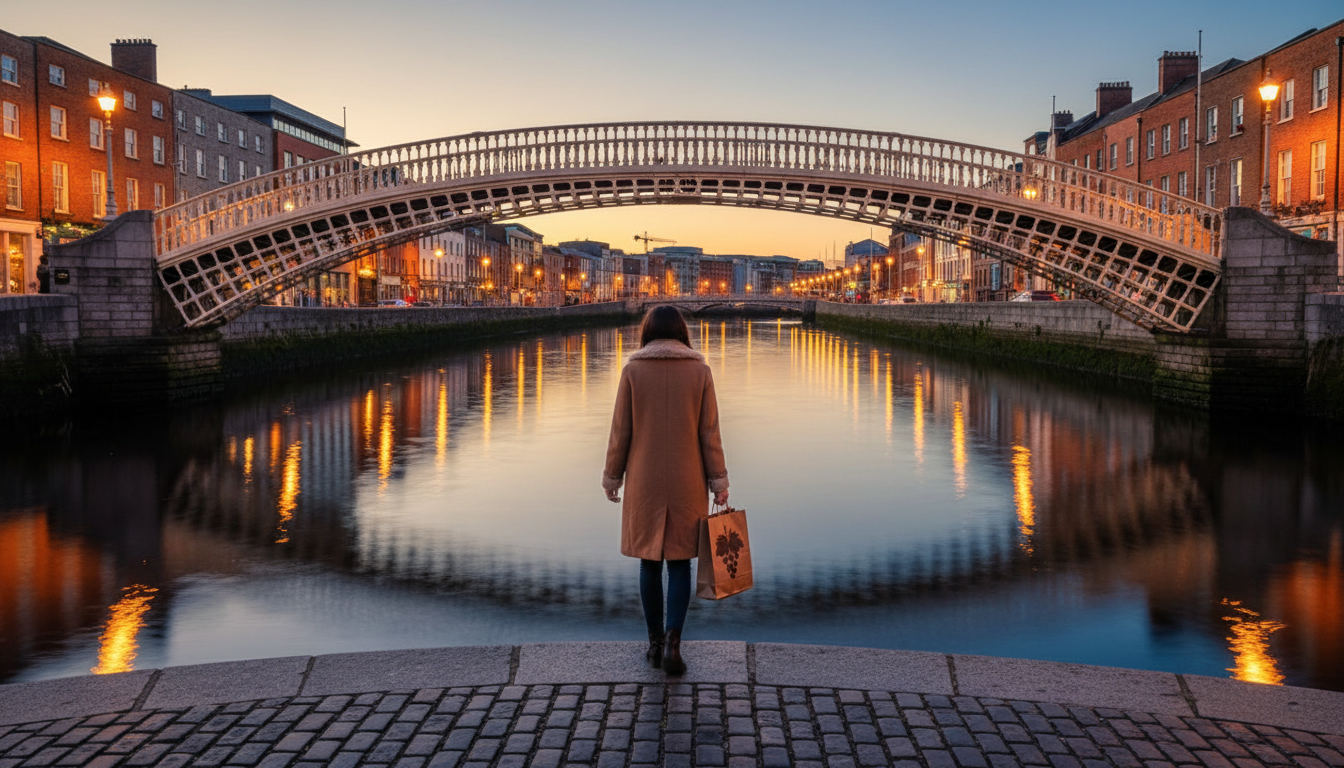 Dublins Hapenny Bridge at dusk with the River Liffey reflecting city lights, a figure walking across
Beyond the Wine Bars: Dublin Experiences for Oenophiles
Wine-Friendly Restaurants
Dublin's restaurant scene has matured dramatically, and several establishments deserve attention for their wine programs specifically.
Chapter One (recently relocated to Parnell Square) holds a Michelin star and maintains a wine list that balances classics with discoveries. The tasting menu with wine pairing runs around €180 per person—expensive by Dublin standards, but comparable to similar experiences in London or Paris.
Forest Avenue in Ranelagh offers a more casual fine-dining experience with a wine list that changes based on what's drinking well. Chef John Wyer's food is produce-driven and pairs beautifully with the natural and biodynamic wines the team favors. Expect €65-80 for food, plus wine.
Bastible in the Liberties (Dublin 8) occupies a converted bakery and serves some of the city's most interesting food alongside a carefully chosen wine list. The neighborhood location makes it perfect for home swappers staying in Dublin 8 or Portobello.
Wine Shops Worth Visiting
Beyond Green Man, Dublin offers several excellent wine shops for building your home swap cellar:
Mitchell & Son on Glasthule Road in Sandycove has been selling wine since 1805, making it one of the oldest wine merchants in these islands. The selection balances classic regions with interesting discoveries, and the staff's knowledge runs deep.
Baggot Street Wines offers a more contemporary selection with strength in natural and organic producers. The location near Merrion Square makes it convenient for city center home swappers.
Blackrock Cellar in the coastal suburb of Blackrock combines an excellent wine shop with a casual wine bar. Worth the DART journey for the selection and the chance to taste before buying.
Day Trips for Wine Lovers
Dublin makes an excellent base for exploring Ireland's emerging wine-adjacent experiences:
Wicklow: The mountains south of Dublin host several craft producers making interesting ciders and meads, plus restaurants like The Strawberry Tree that focus on wild and foraged ingredients. The scenery alone justifies the trip.
Kildare: The Curragh plains west of Dublin are horse country, but the area also hosts some of Ireland's best country house hotels with serious wine cellars. Lunch at Cliff at Lyons combines exceptional food with a wine list that rivals Dublin's best.
Dalkey and Killiney: These coastal villages south of Dublin offer seafood restaurants with thoughtful wine lists, plus some of Ireland's most beautiful coastal scenery. The DART train from central Dublin takes 25 minutes.
The Practical Side: Costs and Comparisons
Hotel Costs vs. Home Swap Value
Dublin hotel prices have risen sharply in recent years. A decent hotel in a central location now runs €180-280 per night, with luxury options exceeding €400. Boutique hotels in neighborhoods like Portobello or Ranelagh—the areas most interesting to wine lovers—are particularly expensive because they're small and popular.
A week in a Dublin hotel suitable for wine tourism (central location, decent breakfast, somewhere to store bottles) might cost €1,400-2,000. Through SwappaHome, that same week costs 7 credits—earned by hosting guests in your own home. The savings fund a lot of interesting bottles at Green Man or dinners at Forest Avenue.
More importantly, home swapping provides something hotels can't: a real kitchen for cooking, a real neighborhood to explore, and a real sense of what Dublin life feels like. Wine lovers particularly benefit because so much of wine culture involves domestic rituals—cooking dinner, opening a bottle, sitting at a table with friends.
Budgeting for Wine in Dublin
Dublin's wine prices compare favorably to London but exceed most European capitals. Expect:
- Wine bar glasses: €8-16 for interesting pours, €5-8 for house wines
- Wine bar bottles: €35-80 for most lists, with special bottles running higher
- Restaurant bottles: €30-50 for entry-level, €60-120 for mid-range, €150+ for special occasions
- Bottle shop wines: €12-25 for everyday drinking, €30-60 for special bottles, €80+ for serious stuff
A wine-focused week in Dublin might budget €300-500 for wine experiences, depending on your preferences. That's on top of food, transport, and any attractions—but it's also the reason you came.
Making Your Dublin Wine Swap Happen
Creating a Wine-Lover's Profile
SwappaHome members looking for wine-focused swaps should mention their interest explicitly in their profiles. Describe your home's wine storage, your glassware, your local wine scene. Wine lovers recognize each other through these details, and mentioning them attracts like-minded hosts.
When reaching out to Dublin hosts, ask specific questions: Do they have wine storage? What's their favorite local wine bar? Would they recommend any bottle shops? These questions signal your priorities and often reveal whether a host shares your interests.
Timing Your Request
Dublin home swaps book quickly, especially for popular neighborhoods. For peak periods (summer weekends, St. Patrick's Day week, major rugby matches), reach out 3-4 months in advance. For quieter periods (January-February, midweek stays), 4-6 weeks often suffices.
Flexibility helps enormously. A home swapper who can adjust dates by a few days will find far more options than one locked into specific dates. This is particularly true for Dublin, where supply remains limited compared to larger cities.
What to Bring for Your Host
Wine lovers have a built-in advantage when it comes to host gifts: bring a bottle from your home region that they can't easily get in Dublin. Irish wine enthusiasts are particularly interested in wines from emerging regions (Greece, Croatia, Georgia) and small producers who don't export widely.
A €20-30 bottle from your local wine shop—something with a story, something they couldn't buy in Dublin—makes a far better gift than generic chocolates or tourist trinkets. It also establishes you as a fellow traveler in the wine world, which often leads to better recommendations and warmer hosting.
Frequently Asked Questions
Is Dublin good for wine lovers compared to traditional wine regions?
Dublin offers something wine regions often can't: concentrated, walkable access to diverse wine bars and bottle shops without needing a car. While you won't visit vineyards, you'll encounter wines from dozens of countries in a single evening, curated by knowledgeable staff. The city's natural wine scene rivals London and Copenhagen, with prices 20-30% lower. For tasting breadth rather than production depth, Dublin increasingly stands among Europe's best wine cities.
How much should I budget for wine experiences during a Dublin home swap?
Plan €40-70 per day for active wine exploration: two glasses at a wine bar (€20-30), a bottle from a shop for dinner (€15-25), and occasional restaurant splurges. A week's wine budget of €300-500 allows serious exploration without restraint. Home swapping dramatically reduces this effective cost by eliminating €180-280 nightly hotel bills, freeing funds for better bottles.
What's the best neighborhood for a wine-focused Dublin home swap?
Portobello offers the highest concentration of natural wine bars within walking distance, plus the Grand Canal's pleasant towpath and excellent restaurants. Ranelagh provides slightly more space and a village atmosphere with strong wine credentials. Dublin 2 maximizes variety but sacrifices neighborhood character. For first-time visitors prioritizing wine, Portobello edges ahead—Loose Canon alone justifies the location.
Can I bring wine into Ireland from other countries?
EU travelers face no limits on wine brought for personal consumption—bring your entire cellar if you're driving. Non-EU visitors may import up to 4 liters duty-free; beyond that, declare bottles and pay applicable duties (typically €2-3 per bottle). Dublin Airport customs rarely scrutinizes reasonable personal quantities. For wines purchased during your stay, Irish bottle shops ship internationally, though costs often exceed the wine's value.
When is the best time to visit Dublin for wine tourism?
October through March offers easier reservations, more staff attention, and cozy wine bar atmospheres perfect for Dublin's moody weather. February brings Dublin Wine Week with special events citywide. Summer provides long evenings (light until 10:30pm in June) ideal for outdoor aperitifs, but popular spots book quickly. Avoid St. Patrick's Day week (mid-March) unless you enjoy crowds—wine bars become standing-room-only with visitors less interested in terroir than celebration.

Published by
SwappaHome
SwappaHome Editorial Team
Home Exchange & Slow Travel Editorial
The SwappaHome Editorial Team brings together travel research, home-exchange community insights, and platform data to produce practical guides for first-time and experienced home swappers. Every article cites real platforms, current market rates, and verifiable city-level facts so readers can make informed decisions without guessing.
Ready to try home swapping?
Join SwappaHome and start traveling by exchanging homes. Get 7 free credits when you sign up!
Related articles

Bachelor and Bachelorette Parties in Singapore: The Complete Home Swap Group Guide for 2026
Planning a bachelor or bachelorette party in Singapore? Discover how home swapping lets groups of 6-12 stay together in luxury condos, saving thousands while partying in Marina Bay.
Cycling in Lisbon: 7 Home Swap Bike Tour Itineraries for Every Rider
Discover the best cycling routes in Lisbon with these home swap bike tour itineraries—from waterfront paths to hilltop adventures, all starting from your borrowed home.
Graduation Trip to Barcelona: How Home Swapping Gives New Graduates the Ultimate Celebration
Planning a graduation trip to Barcelona? Discover how home swapping lets new graduates explore Spain's most vibrant city without the hostel crowds or hotel costs.