For Digital Nomads Home Exchange in Australia
Reliable WiFi, proper desks, and walkable neighbourhoods.
1 matching home in Australia
Australia's timezone sprawl means digital nomads can catch both Asian and European work hours without brutal sleep schedules, and the country's fibre rollout has finally reached most urban pockets. Melbourne's laneway cafe culture doubles as unofficial coworking space, while Sydney's northern beaches offer surf-before-standup routines and reliable NBN. Brisbane's subtropical pace and Adelaide's festival calendar give structure to longer stays without the frenetic energy of Southeast Asian hubs. Below, you'll find homes where the Wi-Fi works, the lease flexibility exists, and the local rhythm suits remote work.
Why Australia works for for digital nomads
Homes, not hotel rooms
Live in a real Australia home — kitchen, balcony, neighbourhood rhythm — instead of a generic hotel room.
Fair by design
1 credit = 1 night. Every home is worth the same. No bidding, no haggling, no price surges.
Curated for for digital nomads
We prioritise wifi, workspace · apartment, houses — the kind of homes that actually fit the travel style.
Matching homes in Australia
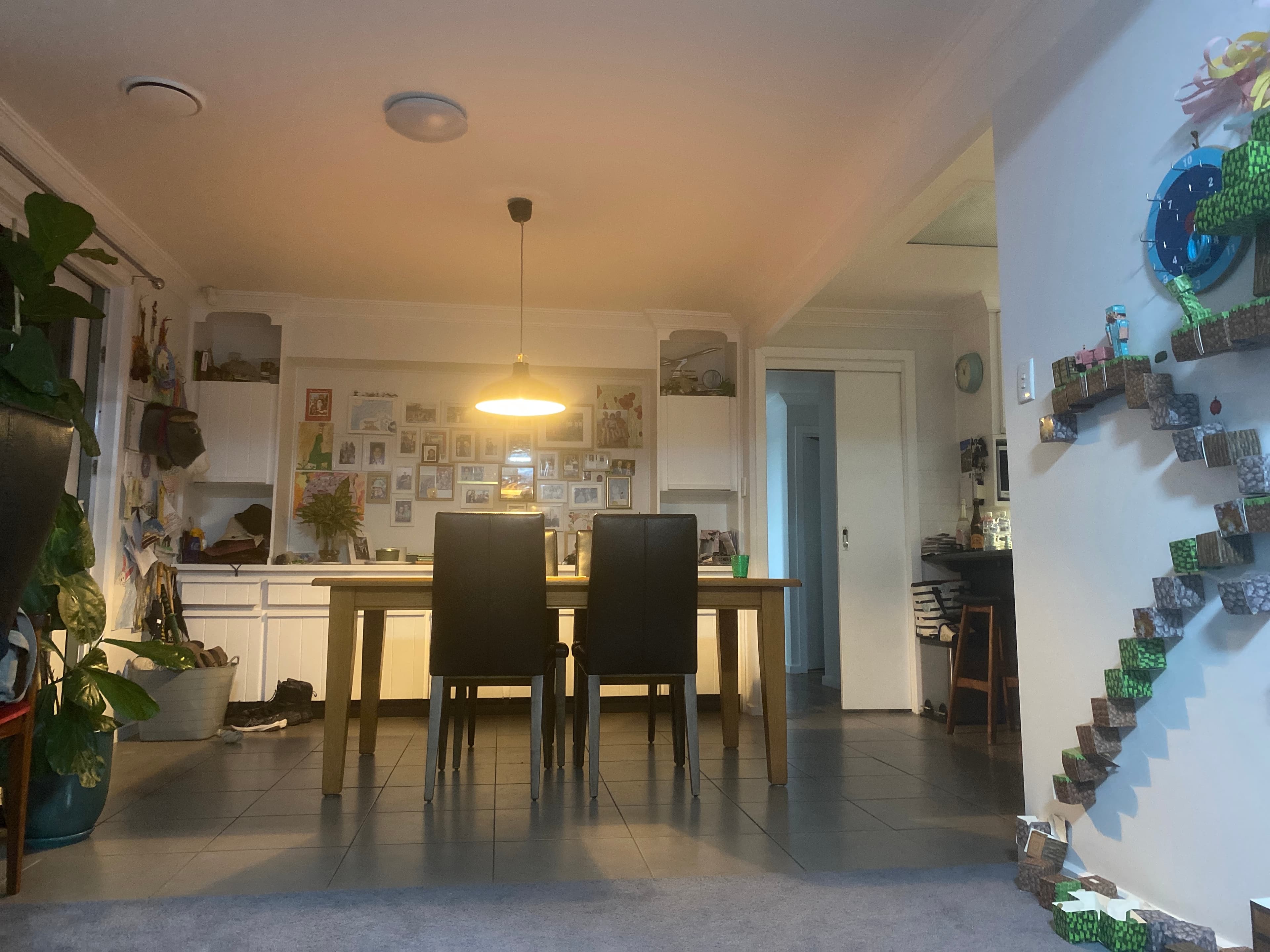
Guides for for digital nomads in Australia

Sydney Home Exchange for Remote Workers: Finding Workspaces That Actually Work
Discover how Sydney home exchange gives remote workers dedicated workspaces, fast NBN internet, and harbour views—without the $300/night hotel price tag.
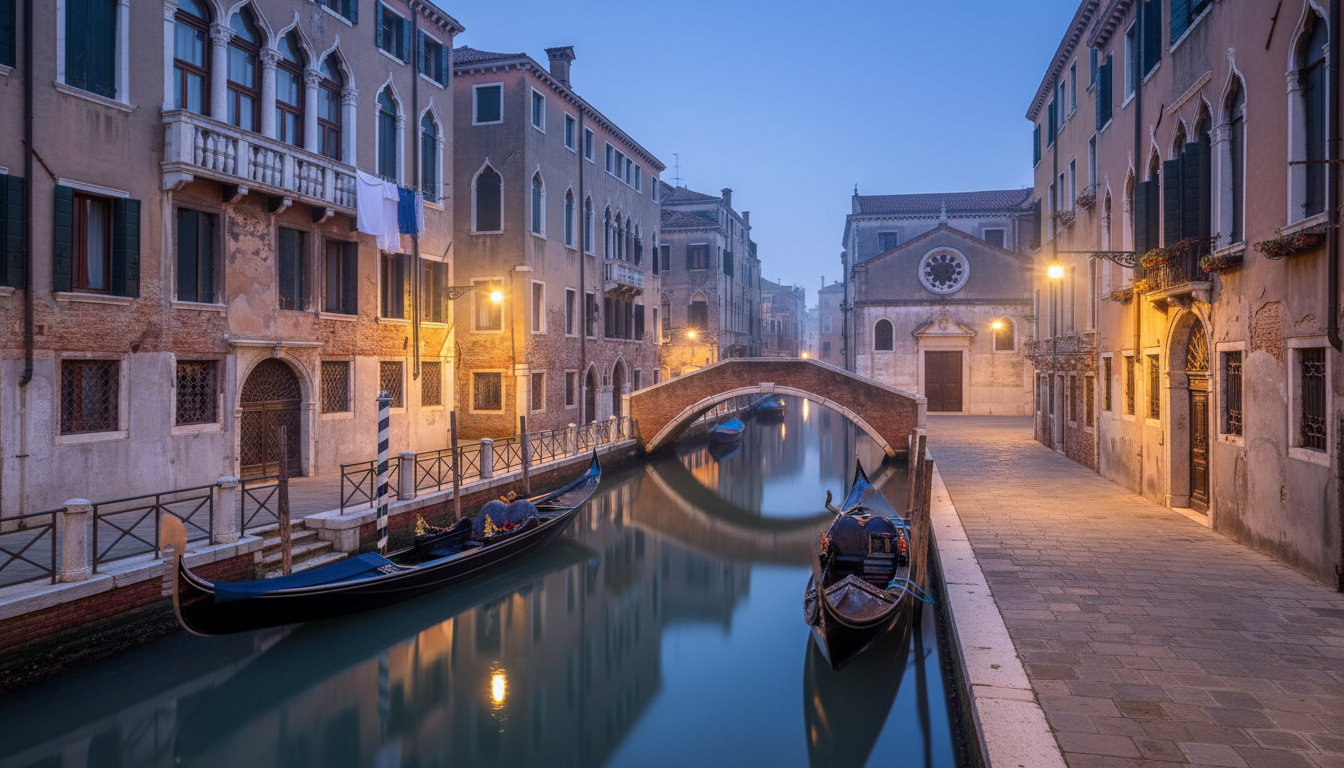
Digital Nomad Home Swap in Venice: Work Remotely from a Floating City
Discover how digital nomads use home swaps to live and work remotely in Venice—real neighborhoods, WiFi realities, and how to avoid tourist-trap pricing.

Home Swaps in Turin: The Remote Worker's Guide to Italy's Hidden Tech Hub
Discover why Turin is becoming the go-to destination for remote workers seeking affordable home swaps in Italy—with fast WiFi, coworking culture, and half the crowds of Milan.
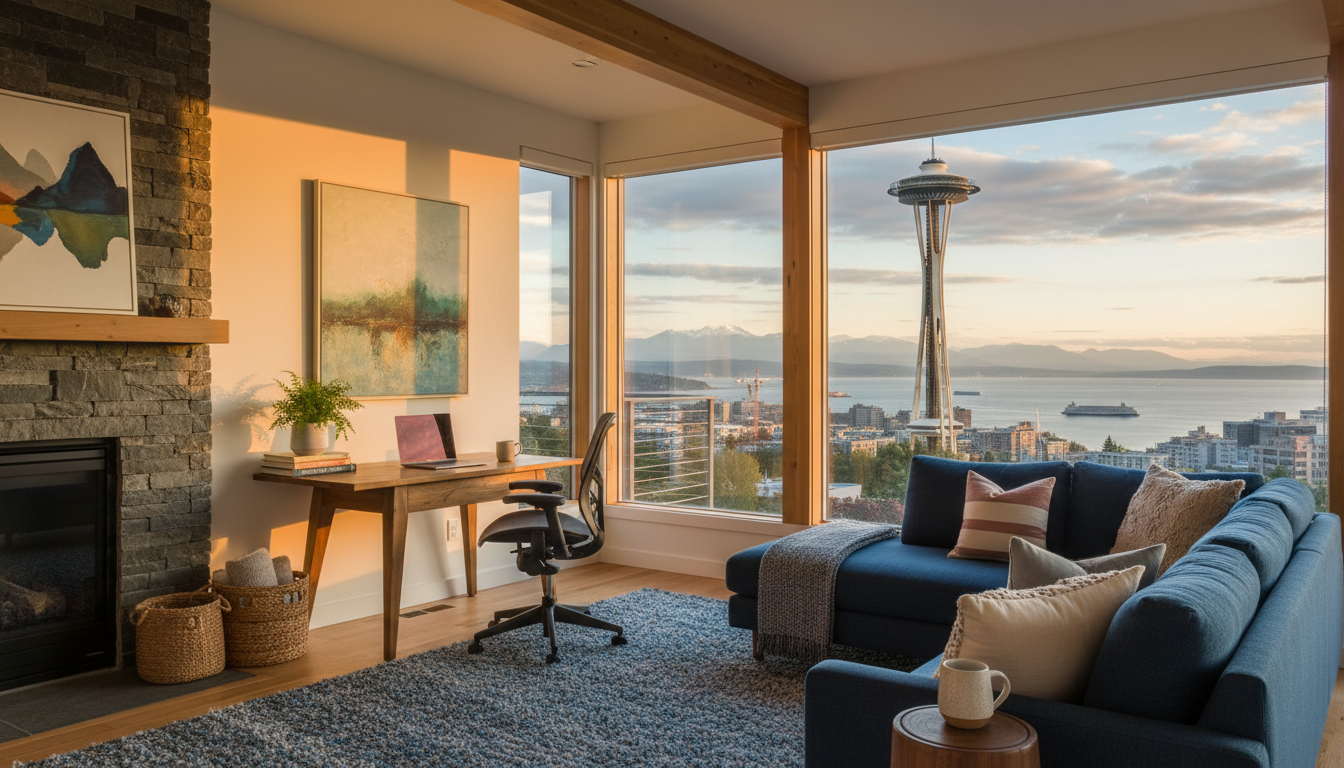
Seattle Home Exchange for Remote Workers: Finding Your Perfect Workspace Away from Home
Discover how to find Seattle home exchanges with dedicated workspaces, fast WiFi, and inspiring views. A remote worker's complete guide to swapping into the Emerald City.

Edinburgh for Remote Workers: Finding Home Exchanges with Perfect Workspaces
Discover why Edinburgh is a remote worker's dream and how home exchange gives you access to proper workspaces, fast WiFi, and local life beyond tourist zones.
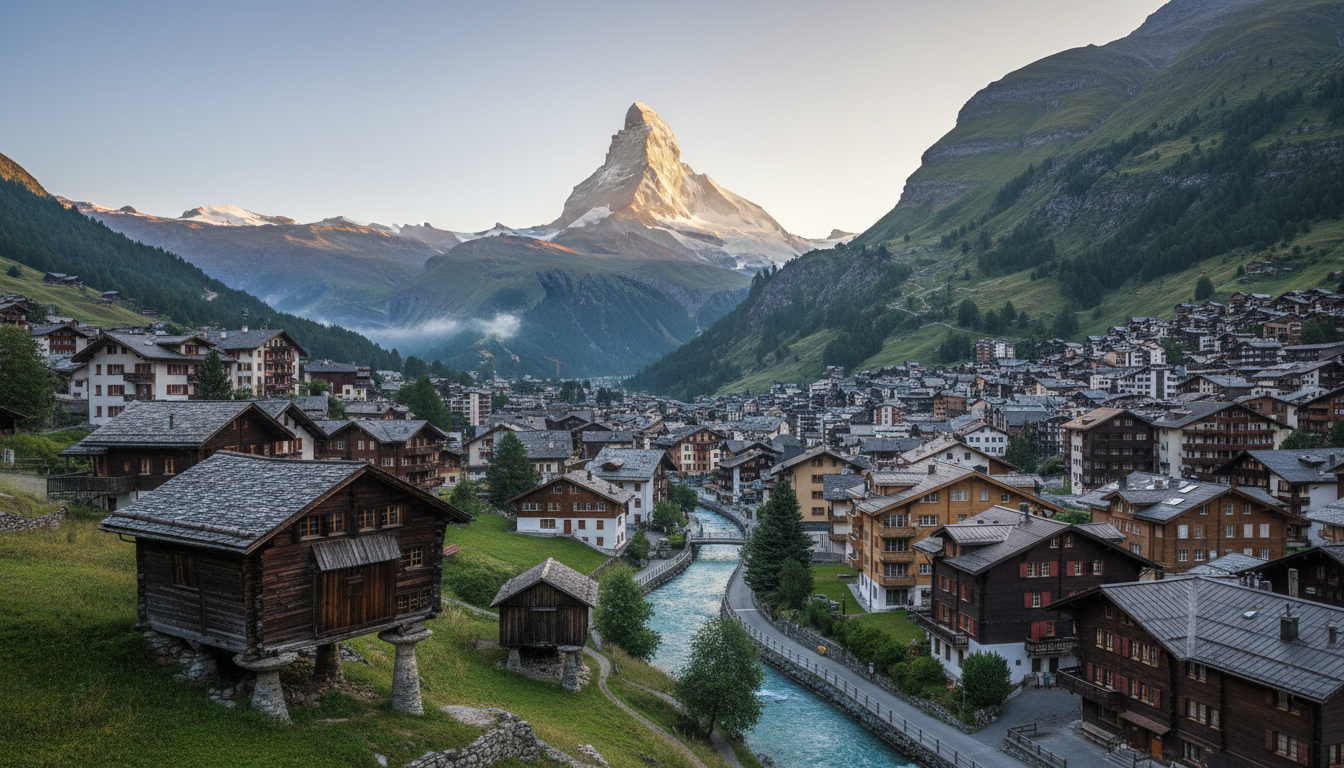
Best Home Swaps in Zermatt for Working Professionals: Your Guide to Remote Work with a Matterhorn View
Discover the best home swaps in Zermatt for remote workers—fast WiFi, stunning alpine views, and neighborhoods perfect for balancing work and ski slopes.
Frequently asked questions
How does home exchange on SwappaHome work?
You list your home, then swap into work-ready places worldwide. Hosting earns 1 credit per night; spending a credit books 1 night anywhere in the network. No money changes hands between members. Join with LinkedIn — that's how we know you're a real person.
Is it safe to swap homes with strangers?
Everyone joins with LinkedIn, so you meet people with real names and professional profiles — not anonymous accounts. All conversations stay inside SwappaHome. Homes are reviewed before they go live, and after each stay guests and hosts leave mutual reviews. For extra peace of mind, we recommend a video call before you confirm a swap.
Do I need to swap directly with the same person?
No. SwappaHome uses a credit system, not direct 1-to-1 swaps. You can host a family from Berlin and use the credits you earn to stay with a completely different host in Tokyo six months later. It makes travel dates, destinations and group sizes much easier to match.
Can I join if I don't own a home?
Yes — you can earn credits by hosting in a spare room, a long-term rental (if your lease allows guests) or by gifting/receiving credits from other members. You can also buy a starter pack if you want to travel before you host. Listing your primary home is the most common path, but it's not the only one.
How many homes are available for exchange in Australia?
Right now there are 1 verified home available for exchange in Australia. The list you see on this page is pulled live, so it stays in sync as new members join the community.
What kind of homes can I expect to find in Australia?
The current Australia catalog includes house. You can filter by property type, number of bedrooms and amenities directly on the listings page — and because this information comes straight from the database, it reflects what's actually available today, not a generic description.
What should digital nomads know about internet reliability and coworking culture in Australia?
Australia's National Broadband Network covers most cities well, though speeds vary—inner suburbs of Melbourne, Sydney, and Brisbane typically offer 50-100 Mbps. Regional areas can be patchy. Coworking spaces are common in capital cities, but Australians also embrace cafe working; expect good coffee and power outlets, though peak brunch hours get crowded. Mobile data is expensive compared to Southeast Asia, so prioritise homes with solid fixed-line internet. Time zones align well with Asia-Pacific clients, less so with Europe or US East Coast.