For Digital Nomads Home Exchange in Spain
Reliable WiFi, proper desks, and walkable neighbourhoods.
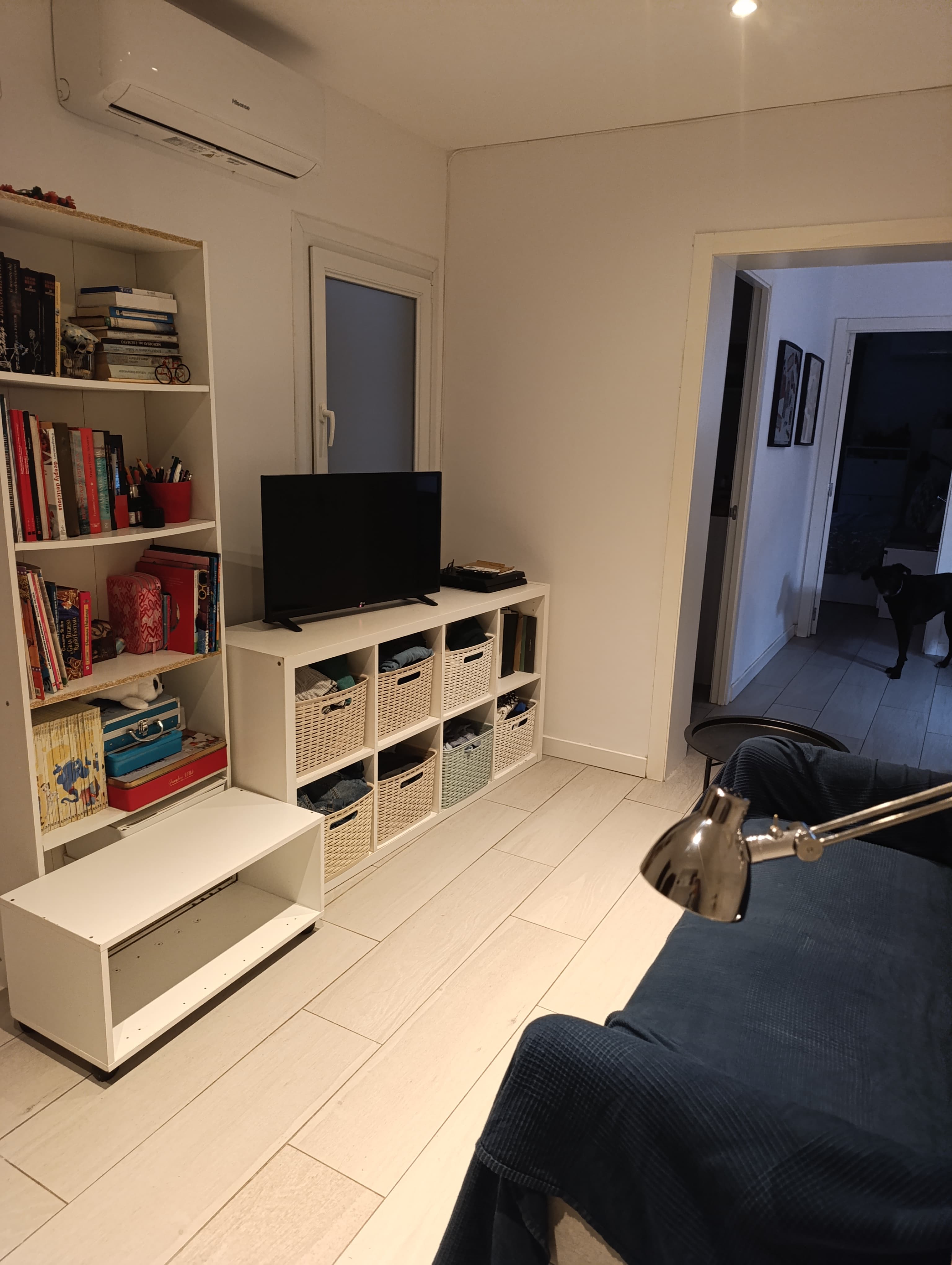
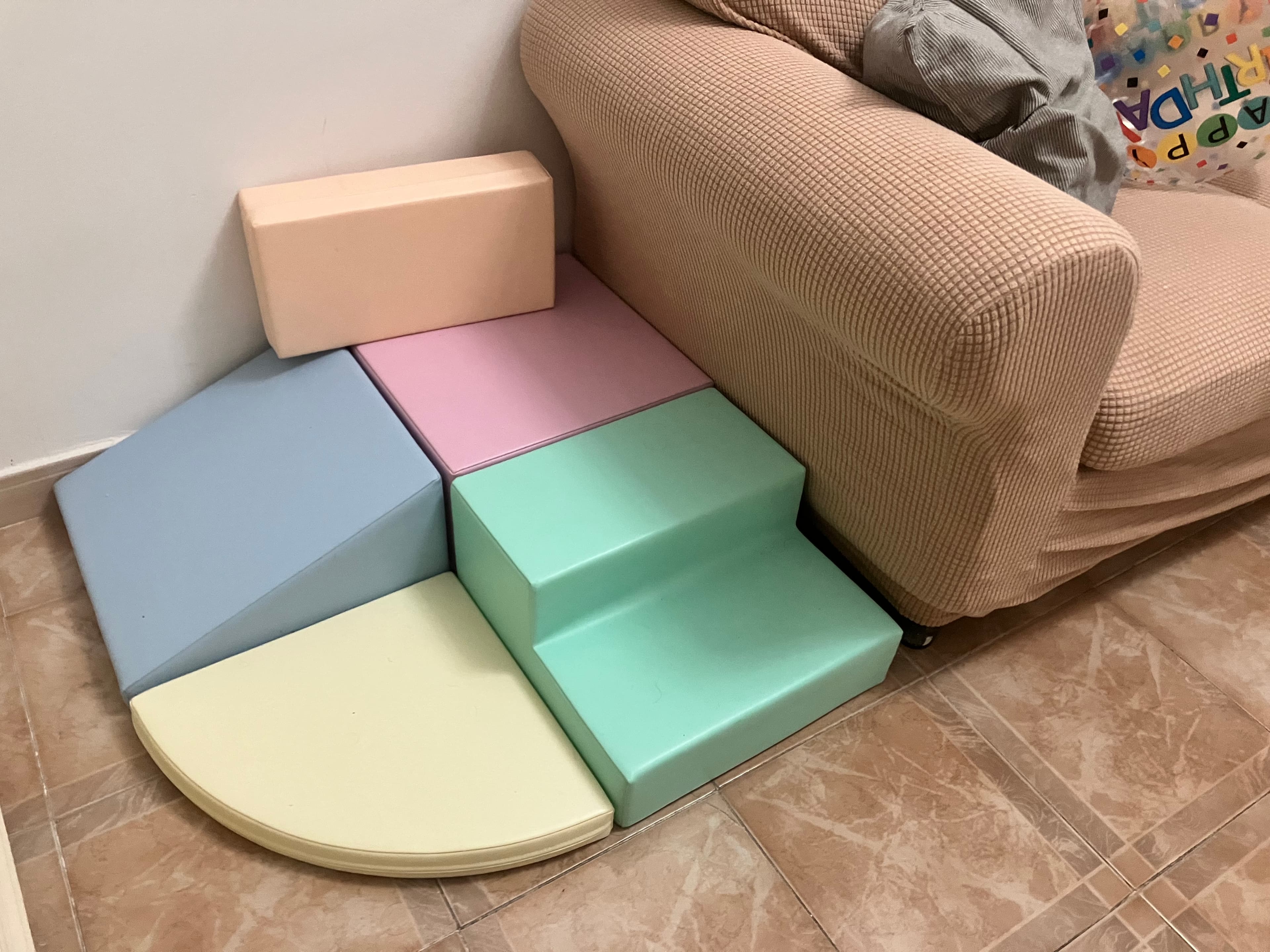
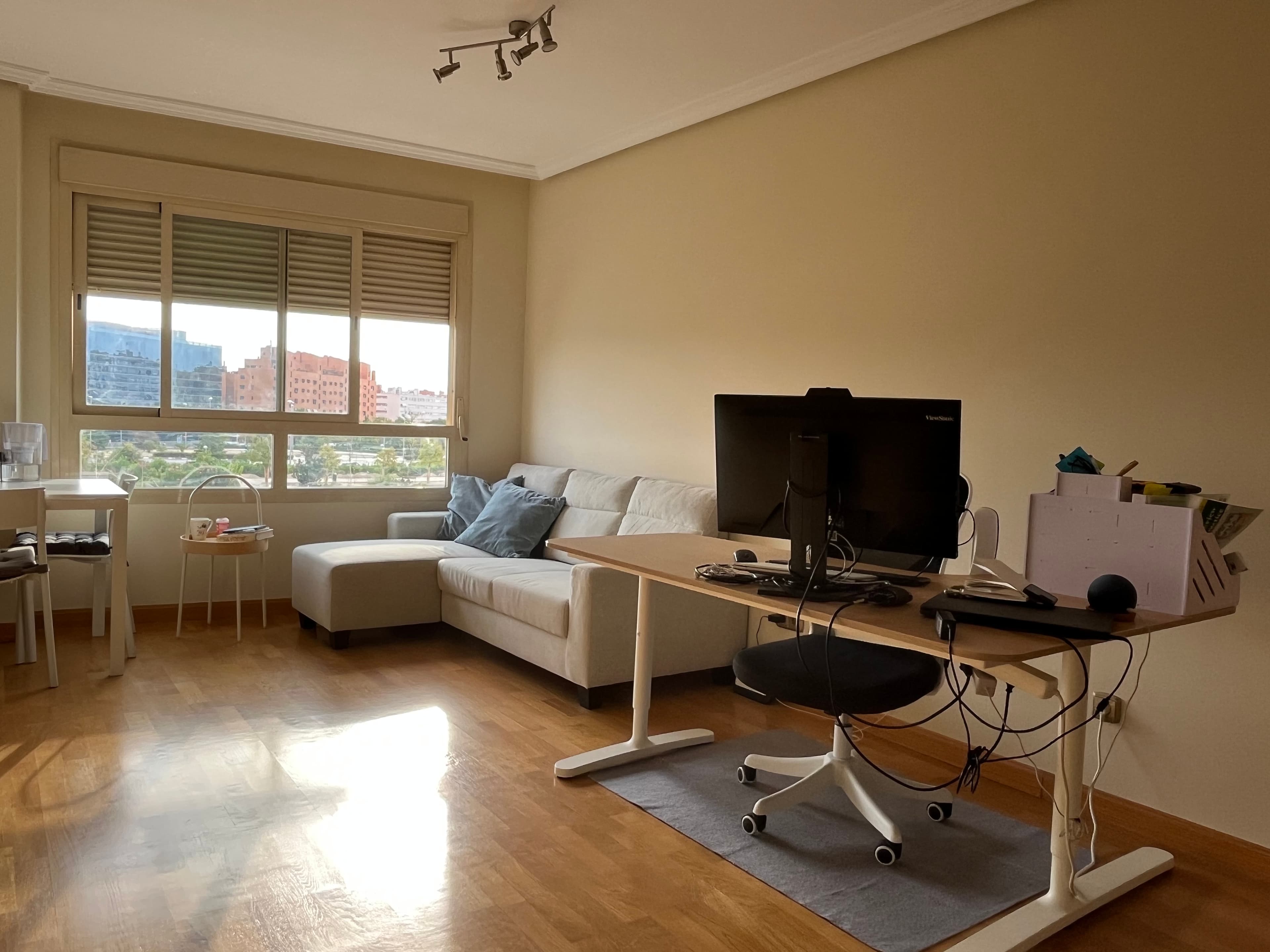
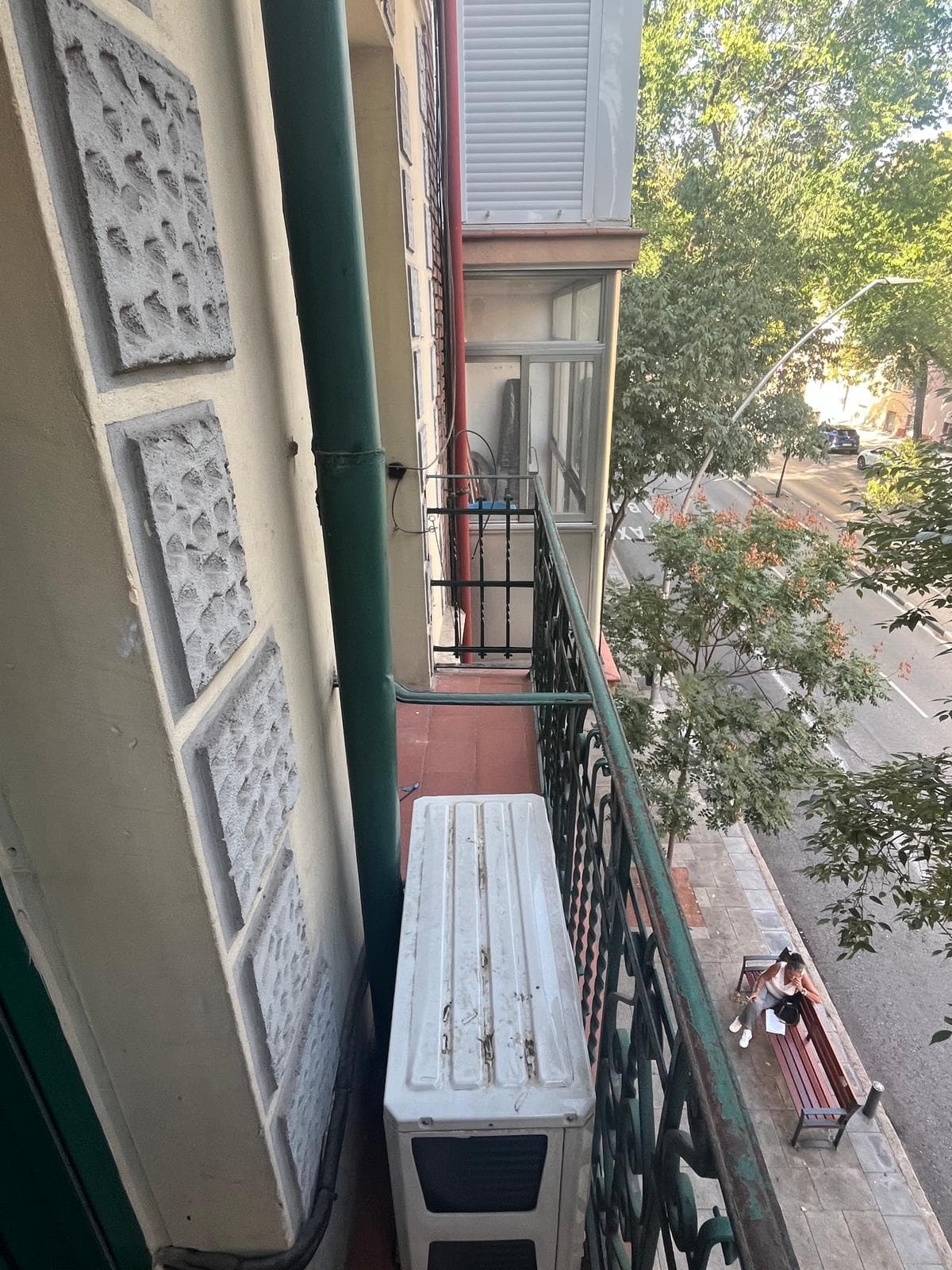
7 matching homes in Spain
Remote work from Spain means trading grey skies for Mediterranean light that floods your laptop screen until 9pm in summer. The country has rebuilt itself around long-term travellers: Barcelona and Valencia hum with coworking spaces that double as social infrastructure, while smaller coastal cities offer fibre connections that rival Berlin at half the cost of living. Cafés serve cortados until noon without rushing you, and the late dinner culture naturally separates deep work mornings from evening socialising. Spanish bureaucracy has softened for digital residents—cities now court remote workers with dedicated visa pathways and nomad-friendly landlords who understand monthly flexibility. The homes below put you inside that infrastructure, not outside it looking in.
Why Spain works for for digital nomads
Homes, not hotel rooms
Live in a real Spain home — kitchen, balcony, neighbourhood rhythm — instead of a generic hotel room.
Fair by design
1 credit = 1 night. Every home is worth the same. No bidding, no haggling, no price surges.
Curated for for digital nomads
We prioritise wifi, workspace · apartment, houses — the kind of homes that actually fit the travel style.
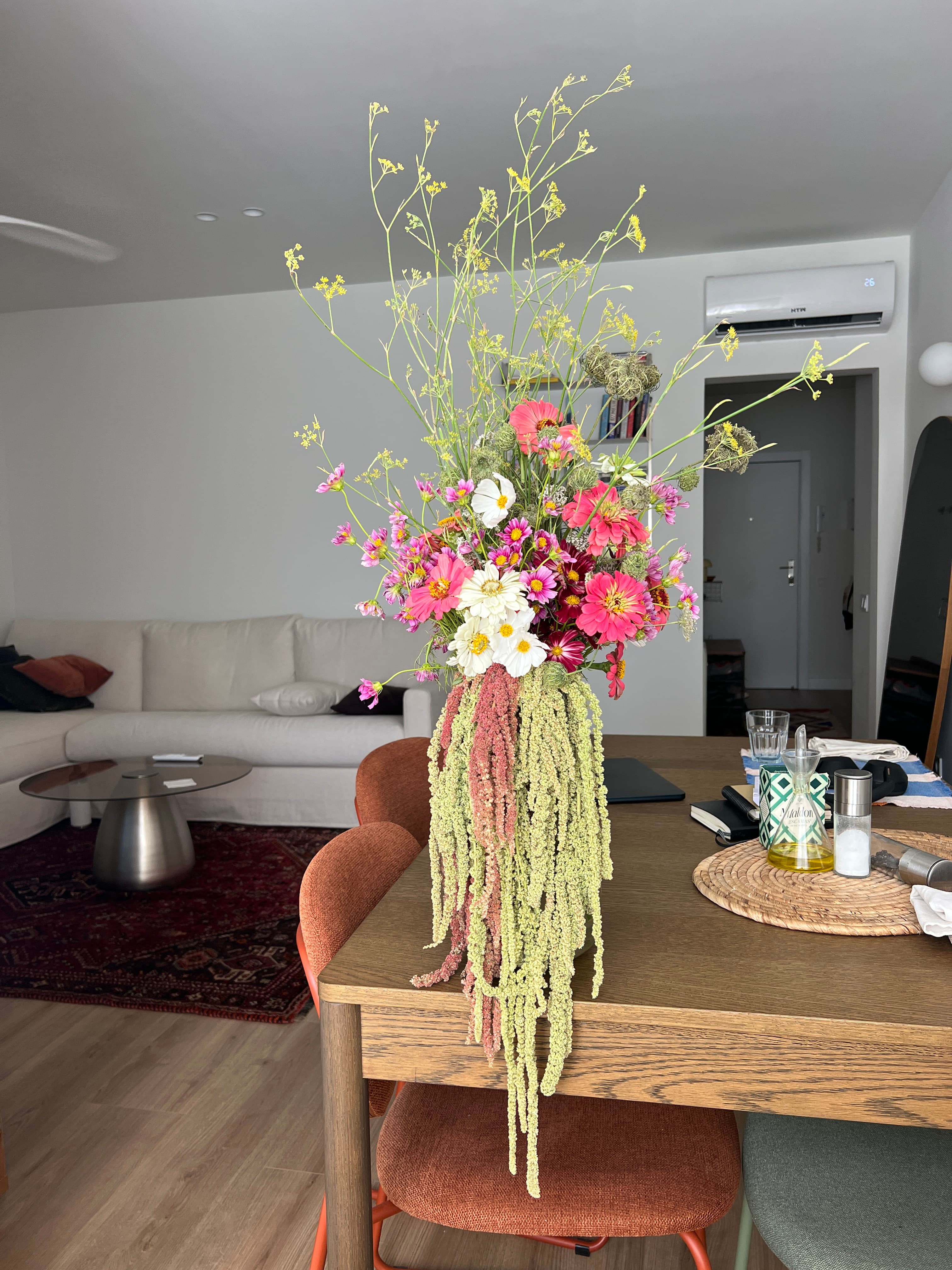
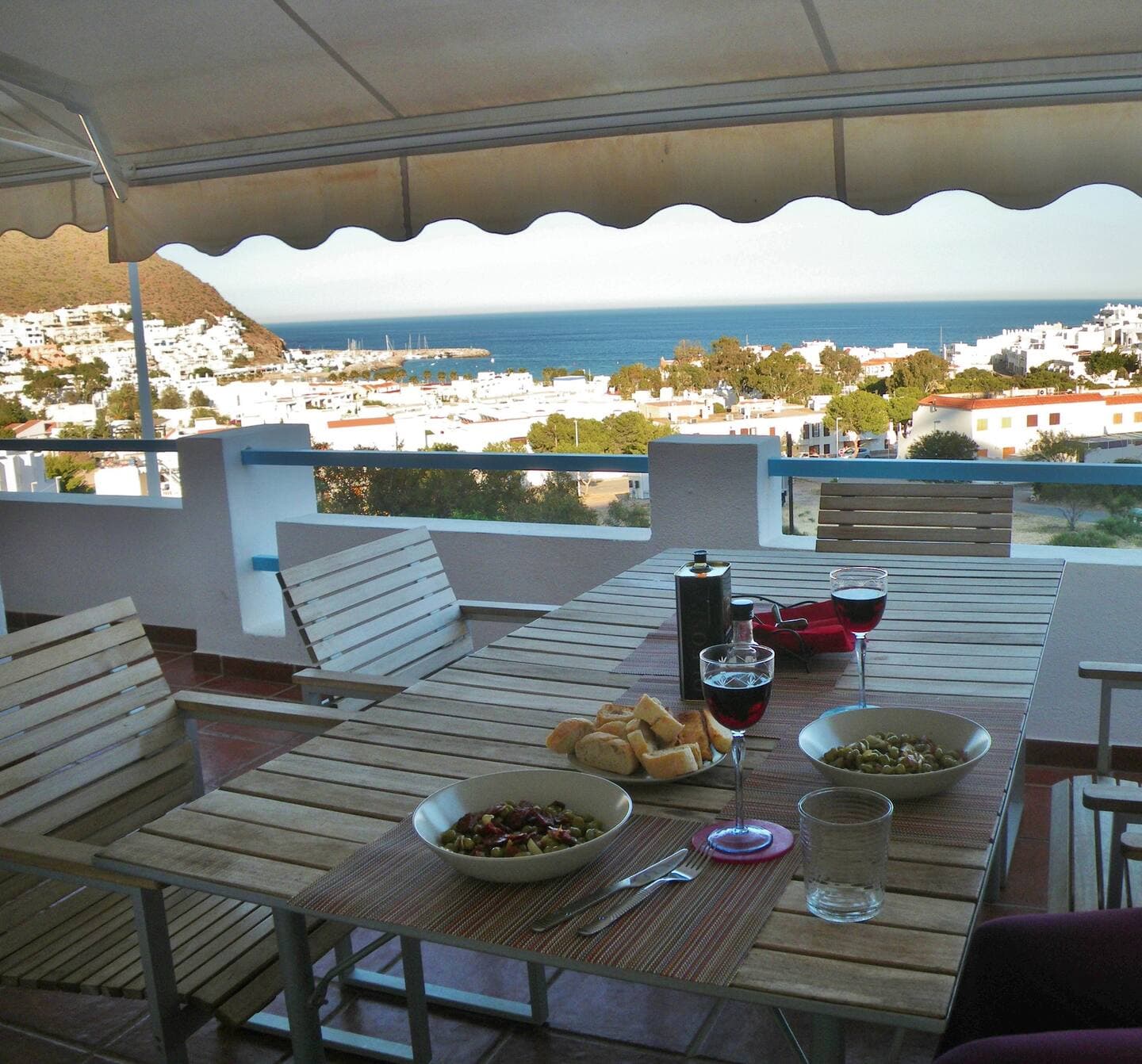
Matching homes in Spain

Guides for for digital nomads in Spain

Sydney Home Exchange for Remote Workers: Finding Workspaces That Actually Work
Discover how Sydney home exchange gives remote workers dedicated workspaces, fast NBN internet, and harbour views—without the $300/night hotel price tag.
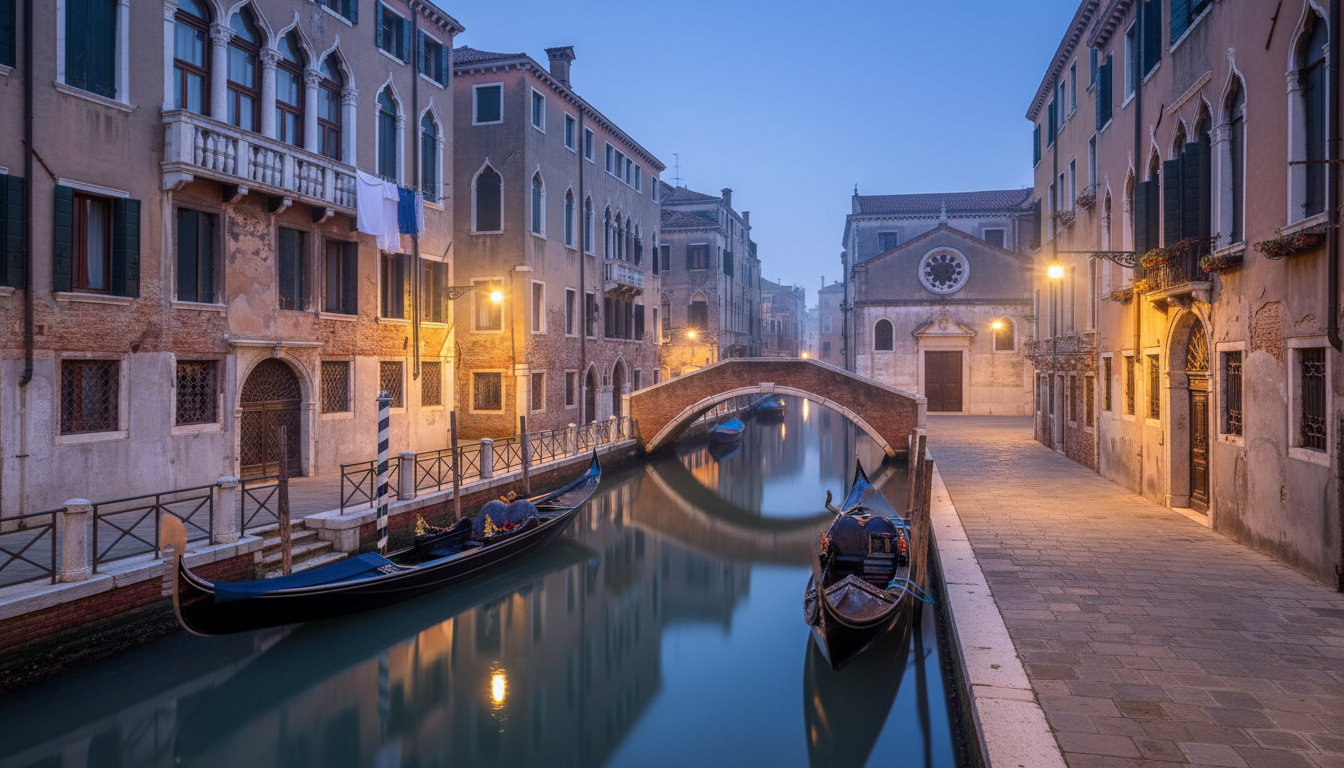
Digital Nomad Home Swap in Venice: Work Remotely from a Floating City
Discover how digital nomads use home swaps to live and work remotely in Venice—real neighborhoods, WiFi realities, and how to avoid tourist-trap pricing.

Home Swaps in Turin: The Remote Worker's Guide to Italy's Hidden Tech Hub
Discover why Turin is becoming the go-to destination for remote workers seeking affordable home swaps in Italy—with fast WiFi, coworking culture, and half the crowds of Milan.
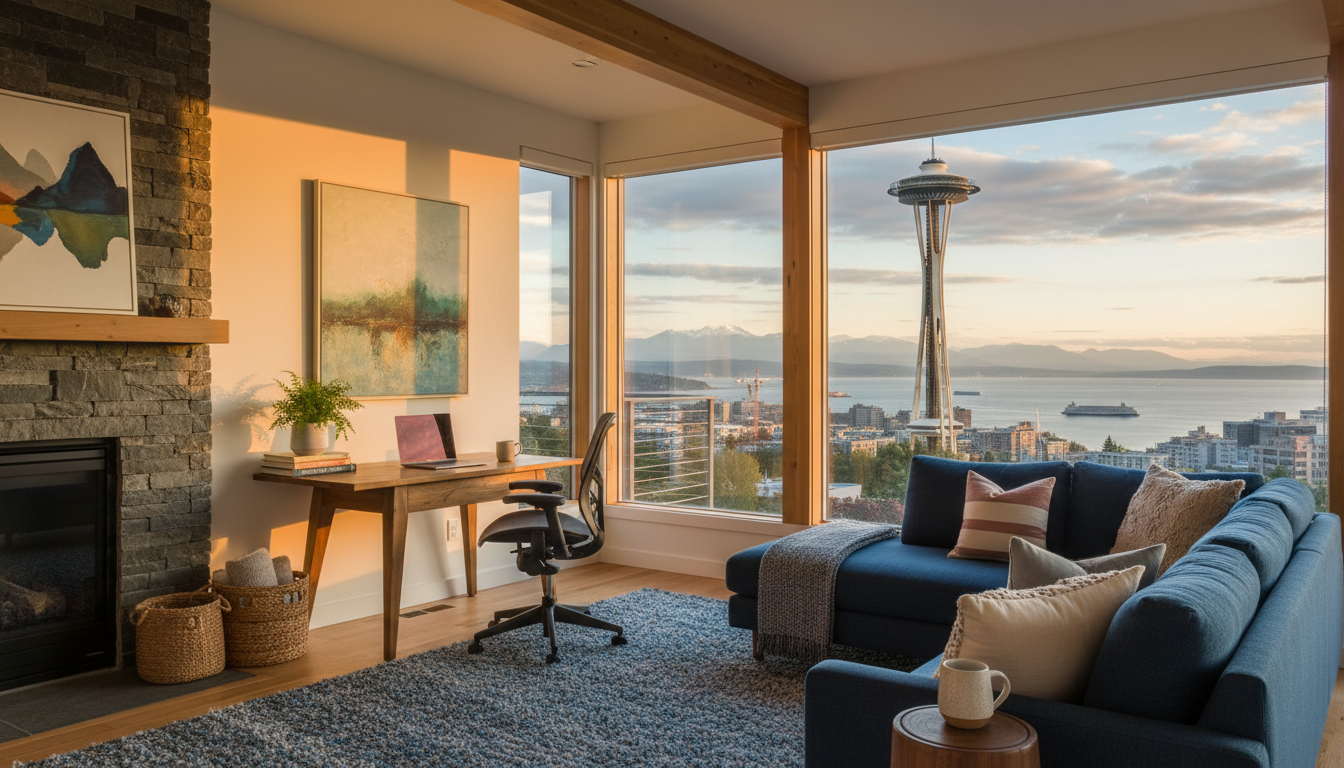
Seattle Home Exchange for Remote Workers: Finding Your Perfect Workspace Away from Home
Discover how to find Seattle home exchanges with dedicated workspaces, fast WiFi, and inspiring views. A remote worker's complete guide to swapping into the Emerald City.

Edinburgh for Remote Workers: Finding Home Exchanges with Perfect Workspaces
Discover why Edinburgh is a remote worker's dream and how home exchange gives you access to proper workspaces, fast WiFi, and local life beyond tourist zones.
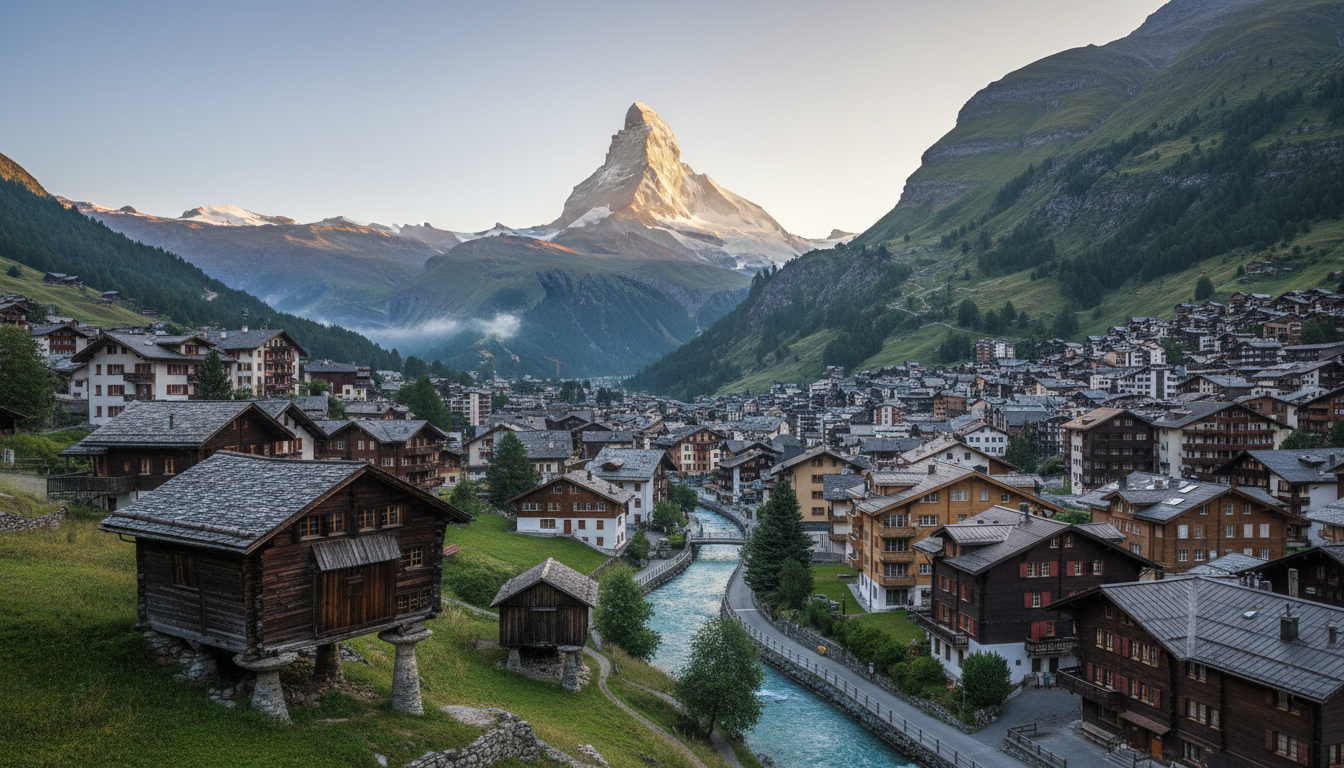
Best Home Swaps in Zermatt for Working Professionals: Your Guide to Remote Work with a Matterhorn View
Discover the best home swaps in Zermatt for remote workers—fast WiFi, stunning alpine views, and neighborhoods perfect for balancing work and ski slopes.
Frequently asked questions
How does home exchange on SwappaHome work?
You list your home, then swap into work-ready places worldwide. Hosting earns 1 credit per night; spending a credit books 1 night anywhere in the network. No money changes hands between members. Join with LinkedIn — that's how we know you're a real person.
Is it safe to swap homes with strangers?
Everyone joins with LinkedIn, so you meet people with real names and professional profiles — not anonymous accounts. All conversations stay inside SwappaHome. Homes are reviewed before they go live, and after each stay guests and hosts leave mutual reviews. For extra peace of mind, we recommend a video call before you confirm a swap.
Do I need to swap directly with the same person?
No. SwappaHome uses a credit system, not direct 1-to-1 swaps. You can host a family from Berlin and use the credits you earn to stay with a completely different host in Tokyo six months later. It makes travel dates, destinations and group sizes much easier to match.
Can I join if I don't own a home?
Yes — you can earn credits by hosting in a spare room, a long-term rental (if your lease allows guests) or by gifting/receiving credits from other members. You can also buy a starter pack if you want to travel before you host. Listing your primary home is the most common path, but it's not the only one.
How many homes are available for exchange in Spain?
Right now there are 7 verified homes across 6 cities in Spain, with the biggest selection in Madrid, Palma, Aranjuez and 3 more. This list refreshes automatically as hosts open and close their calendars, so the count you see here is always current.
What kind of homes can I expect to find in Spain?
The current Spain catalog includes apartments, house and villa. You can filter by property type, number of bedrooms and amenities directly on the listings page — and because this information comes straight from the database, it reflects what's actually available today, not a generic description.
How reliable is internet connectivity for remote work across different Spanish cities?
Major cities like Barcelona, Madrid, and Valencia offer fibre connections routinely exceeding 300Mbps, with most modern apartments wired for Movistar or Vodafone fibre as standard. Coastal cities including Málaga and Palma have upgraded infrastructure specifically for remote workers, though older building cores may require a technician visit to activate ports. Coworking spaces provide backup connectivity when home setups falter. Smaller towns and rural areas remain patchy—always confirm the specific connection type before committing to a stay outside metropolitan zones.