Food & Culture Home Exchange in Brazil
Cook local ingredients and eat where the locals eat.
No listings matched yet in Brazil — be the first host
Brazil doesn't just serve food—it stages it. From the African-rooted moquecas of Bahia to the Japanese-inflected temaki bars of São Paulo, the country's kitchen tells the story of centuries of migration, indigenous wisdom, and coastal abundance. Street corners smell of acarajé frying in dendê oil. Boteco tables overflow with petiscos meant for sharing. Staying in a Brazilian home puts you inside the rhythm of daily markets, the late lunch that stretches into afternoon, the cafézinho offered to every guest. You'll learn which neighbourhood padaria bakes the best pão de queijo, when to hunt for jabuticaba at the feira, and why Sunday feijoada is a social sacrament, not just a meal.
Why Brazil works for food & culture
Homes, not hotel rooms
Live in a real Brazil home — kitchen, balcony, neighbourhood rhythm — instead of a generic hotel room.
Fair by design
1 credit = 1 night. Every home is worth the same. No bidding, no haggling, no price surges.
Curated for food & culture
We prioritise kitchen — the kind of homes that actually fit the travel style.
Guides for food & culture in Brazil
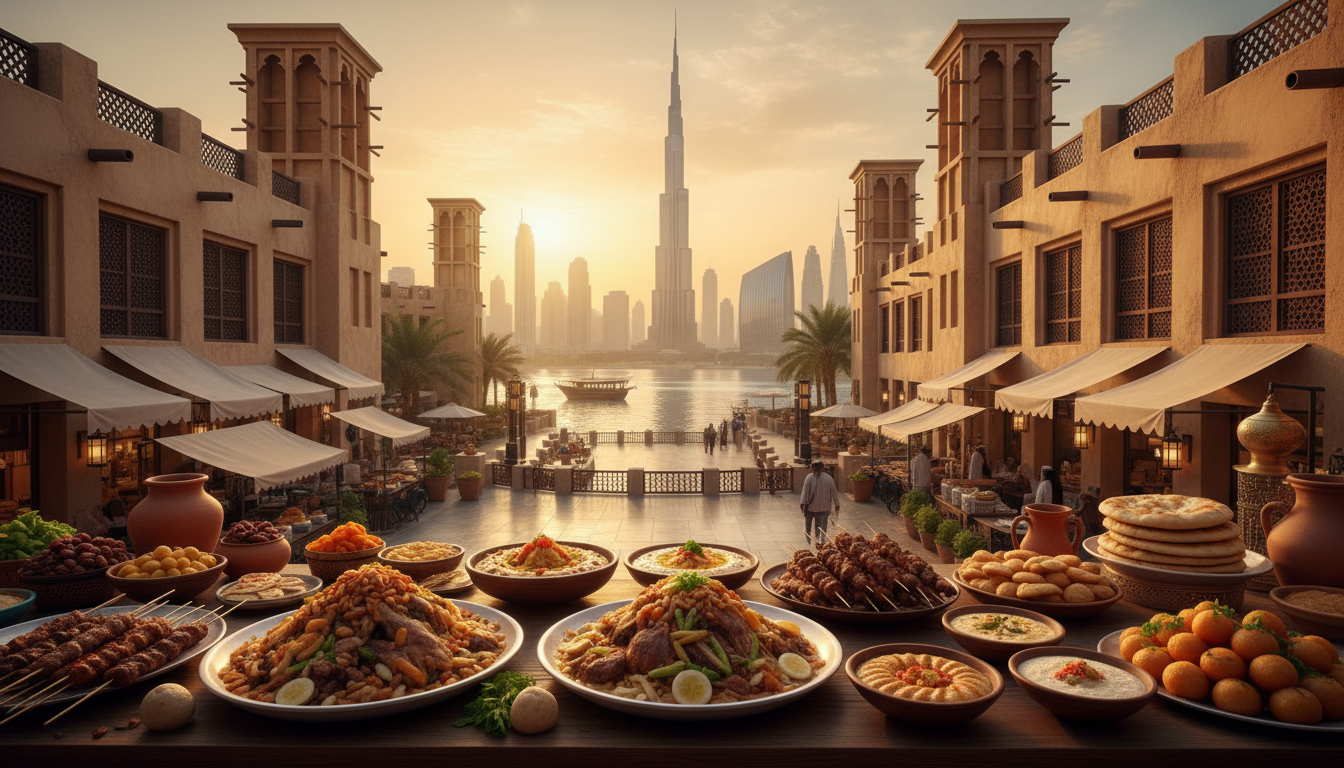
Dubai Food Scene: The Complete Culinary Guide for Home Exchange Travelers
Discover Dubai's extraordinary food scene during your home exchange—from AED 3 shawarma to Michelin-starred dining, with insider tips only locals know.
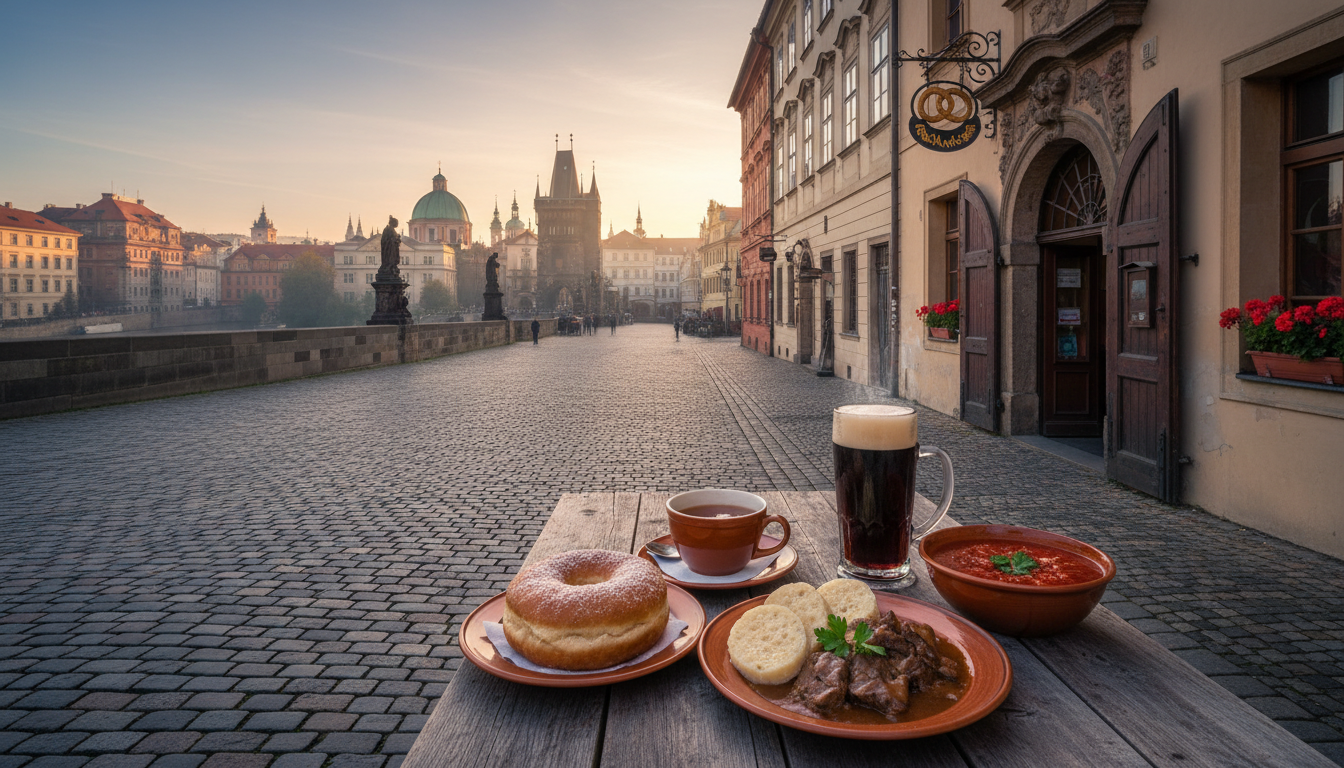
Prague Food Scene: A Home Exchanger's Guide to Czech Culinary Treasures
Discover Prague's food scene through a home exchange lens—from svíčková at local hospodas to farmers markets and hidden wine bars that tourists never find.
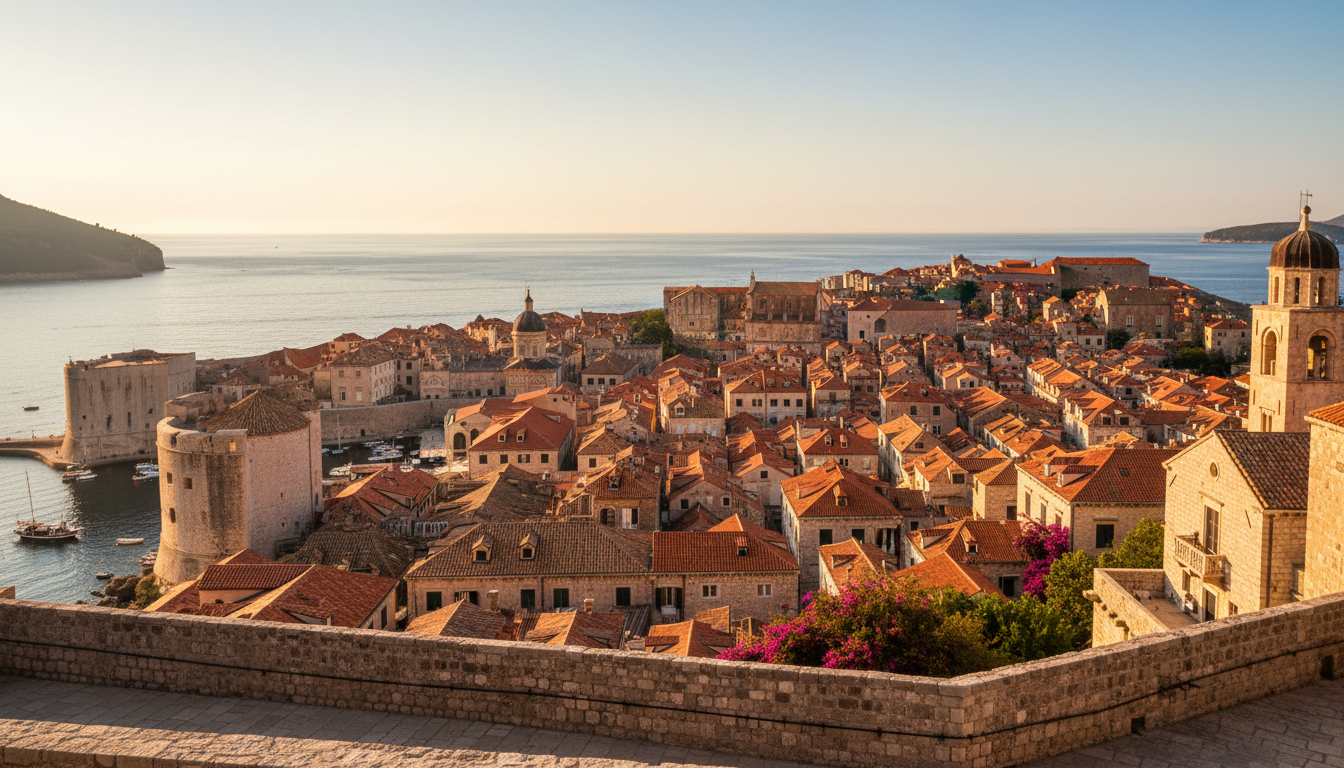
Cultural Immersion in Dubrovnik: How Home Swapping Unlocks the Real Croatia
Skip the cruise ship crowds and tourist traps. Discover how home swapping in Dubrovnik lets you live like a local, from morning markets to hidden konobas.

Local Cuisine in Cambridge: Your Complete Guide to Cooking and Dining During a Home Swap
Discover Cambridge's food scene through a home swap lens—from market shopping to pub dinners, plus tips for cooking in your borrowed kitchen.

Food Lover's Home Swap Guide to Oxford: How to Eat Like a Local in England's Culinary Hidden Gem
Discover Oxford's incredible food scene through home swapping. From covered market stalls to gastropubs, here's how to eat like a local and save thousands.
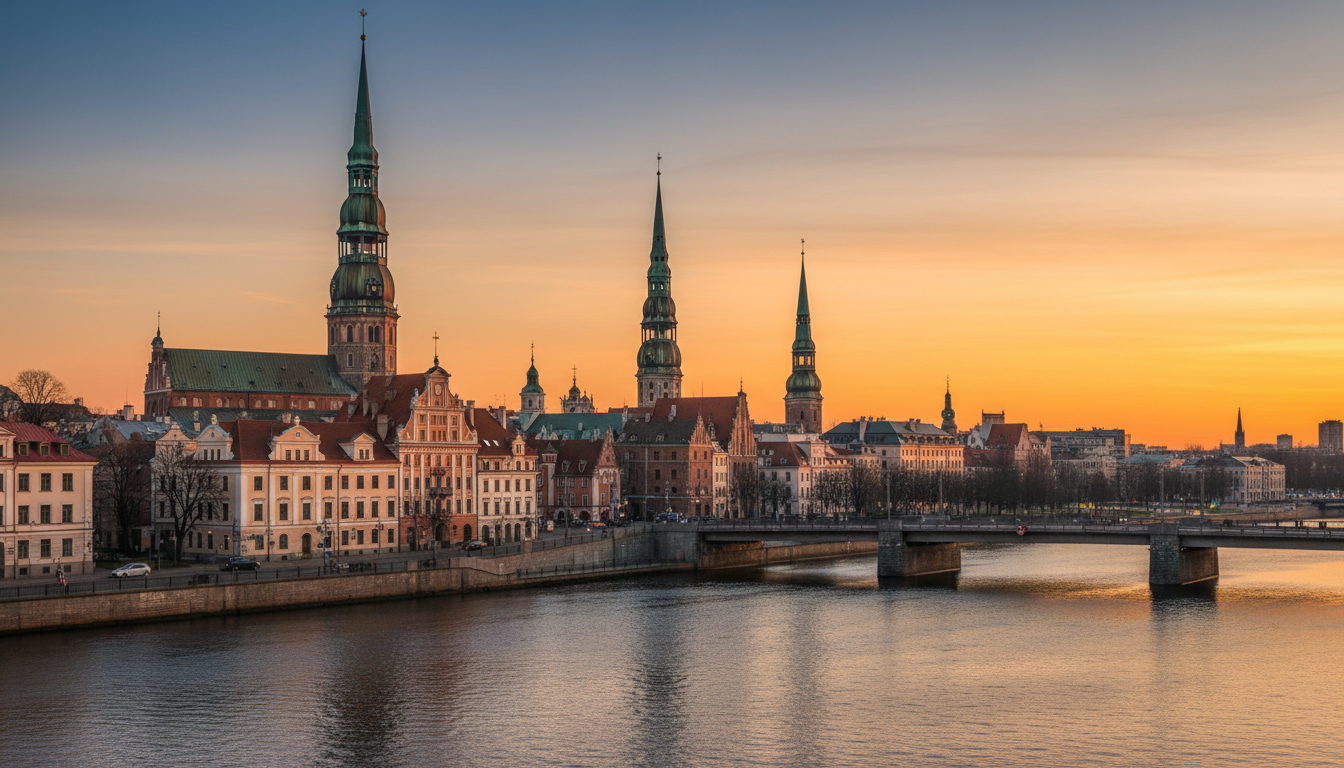
Home Swap in Riga: Your Guide to Authentic Latvian Cultural Immersion
Discover how home swapping in Riga unlocks authentic Latvian culture—from Art Nouveau neighborhoods to secret saunas and grandmother-approved recipes.
Frequently asked questions
How does home exchange on SwappaHome work?
You list your home, then swap into work-ready places worldwide. Hosting earns 1 credit per night; spending a credit books 1 night anywhere in the network. No money changes hands between members. Join with LinkedIn — that's how we know you're a real person.
Is it safe to swap homes with strangers?
Everyone joins with LinkedIn, so you meet people with real names and professional profiles — not anonymous accounts. All conversations stay inside SwappaHome. Homes are reviewed before they go live, and after each stay guests and hosts leave mutual reviews. For extra peace of mind, we recommend a video call before you confirm a swap.
Do I need to swap directly with the same person?
No. SwappaHome uses a credit system, not direct 1-to-1 swaps. You can host a family from Berlin and use the credits you earn to stay with a completely different host in Tokyo six months later. It makes travel dates, destinations and group sizes much easier to match.
Can I join if I don't own a home?
Yes — you can earn credits by hosting in a spare room, a long-term rental (if your lease allows guests) or by gifting/receiving credits from other members. You can also buy a starter pack if you want to travel before you host. Listing your primary home is the most common path, but it's not the only one.
What should food-focused travellers know about eating regionally in Brazil?
Brazil's culinary landscape shifts dramatically by region. The Northeast celebrates Afro-Brazilian flavours—coconut milk, palm oil, fresh seafood—while the South leans into European churrasco traditions and hearty stews. The Amazon offers tucupi, tacacá, and river fish you won't find elsewhere. In São Paulo and Rio, immigrant communities have built entire food districts: Japanese, Lebanese, Italian. Don't try to eat "Brazilian food" generically. Follow the regional specialties, ask locals which feira (open-air market) they trust, and embrace the long, conversational meals that define the culture.