Food & Culture Home Exchange in Cyprus
Cook local ingredients and eat where the locals eat.
No listings matched yet in Cyprus — be the first host
Cyprus sits at the crossroads of three continents, and its table tells that story in every bite. Meze culture here isn't just a meal—it's a slow-unfolding ritual of halloumi straight from village dairies, olive oil pressed in mountain cooperatives, and wine from grape varieties that grow nowhere else on earth. Stay in a Cypriot home and you'll find yourself drawn into neighborhood bakeries for warm flaounes at Easter, village festivals where souvla turns over open flames, and kitchens where grandmothers still roll koupepia by hand. The island's food isn't performance; it's daily life, generous and unpretentious.
Why Cyprus works for food & culture
Homes, not hotel rooms
Live in a real Cyprus home — kitchen, balcony, neighbourhood rhythm — instead of a generic hotel room.
Fair by design
1 credit = 1 night. Every home is worth the same. No bidding, no haggling, no price surges.
Curated for food & culture
We prioritise kitchen — the kind of homes that actually fit the travel style.
Guides for food & culture in Cyprus

Dubai Food Scene: The Complete Culinary Guide for Home Exchange Travelers
Discover Dubai's extraordinary food scene during your home exchange—from AED 3 shawarma to Michelin-starred dining, with insider tips only locals know.
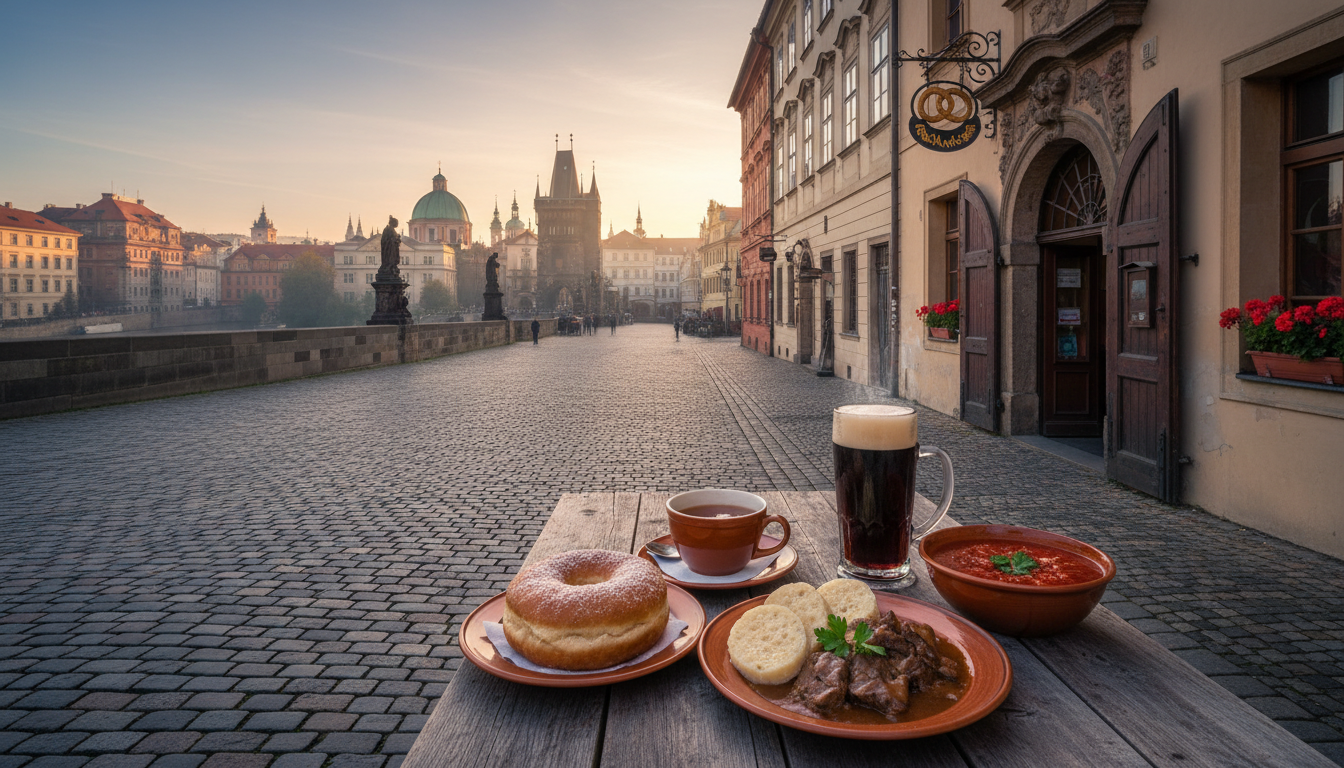
Prague Food Scene: A Home Exchanger's Guide to Czech Culinary Treasures
Discover Prague's food scene through a home exchange lens—from svíčková at local hospodas to farmers markets and hidden wine bars that tourists never find.
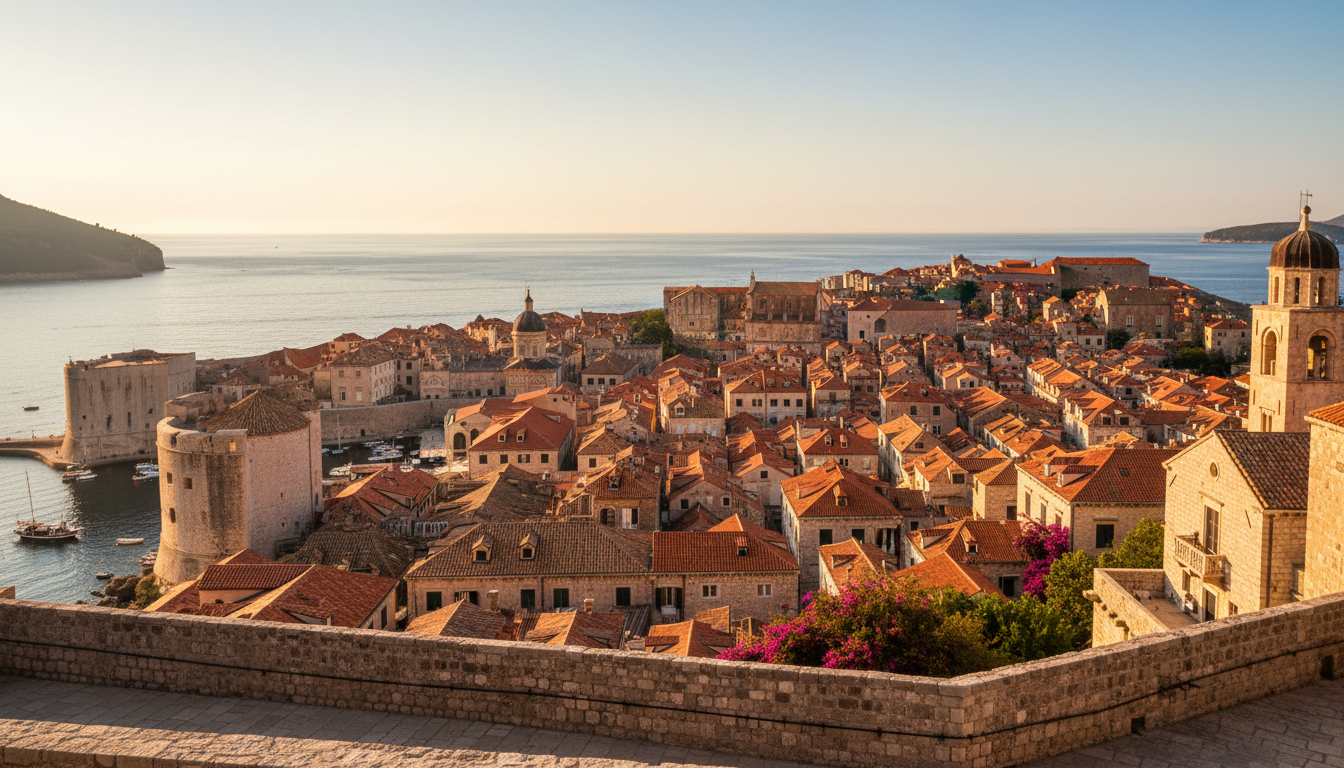
Cultural Immersion in Dubrovnik: How Home Swapping Unlocks the Real Croatia
Skip the cruise ship crowds and tourist traps. Discover how home swapping in Dubrovnik lets you live like a local, from morning markets to hidden konobas.

Local Cuisine in Cambridge: Your Complete Guide to Cooking and Dining During a Home Swap
Discover Cambridge's food scene through a home swap lens—from market shopping to pub dinners, plus tips for cooking in your borrowed kitchen.

Food Lover's Home Swap Guide to Oxford: How to Eat Like a Local in England's Culinary Hidden Gem
Discover Oxford's incredible food scene through home swapping. From covered market stalls to gastropubs, here's how to eat like a local and save thousands.

Home Swap in Riga: Your Guide to Authentic Latvian Cultural Immersion
Discover how home swapping in Riga unlocks authentic Latvian culture—from Art Nouveau neighborhoods to secret saunas and grandmother-approved recipes.
Frequently asked questions
How does home exchange on SwappaHome work?
You list your home, then swap into work-ready places worldwide. Hosting earns 1 credit per night; spending a credit books 1 night anywhere in the network. No money changes hands between members. Join with LinkedIn — that's how we know you're a real person.
Is it safe to swap homes with strangers?
Everyone joins with LinkedIn, so you meet people with real names and professional profiles — not anonymous accounts. All conversations stay inside SwappaHome. Homes are reviewed before they go live, and after each stay guests and hosts leave mutual reviews. For extra peace of mind, we recommend a video call before you confirm a swap.
Do I need to swap directly with the same person?
No. SwappaHome uses a credit system, not direct 1-to-1 swaps. You can host a family from Berlin and use the credits you earn to stay with a completely different host in Tokyo six months later. It makes travel dates, destinations and group sizes much easier to match.
Can I join if I don't own a home?
Yes — you can earn credits by hosting in a spare room, a long-term rental (if your lease allows guests) or by gifting/receiving credits from other members. You can also buy a starter pack if you want to travel before you host. Listing your primary home is the most common path, but it's not the only one.
What makes Cypriot food culture different from Greek or Turkish cuisine?
Cyprus blends both influences but stands apart with its own ingredients and rituals. Halloumi originated here, made from a sheep-goat milk blend you won't find elsewhere. Commandaria wine has been produced in the same villages for 800 years. The meze tradition is more elaborate than in Greece—often 20-30 small dishes served over hours—and Cypriots use distinct spices like mahlepi in their breads. Village festivals revolve around communal cooking: whole lambs on spits, grape molasses made in copper pots, carob syrup drizzled over fresh bread.