Food & Culture Home Exchange in United States
Cook local ingredients and eat where the locals eat.
No listings matched yet in United States — be the first host
The United States unfolds as a patchwork of culinary traditions, where third-generation Italian bakeries share blocks with Korean BBQ joints, Cajun seafood shacks, and farm-to-table dining rooms showcasing heirloom grains. Food and culture travelers find their rhythm here by settling into neighborhoods where morning markets reveal regional obsessions—whether that's sourdough in San Francisco, barbecue in Texas, or lobster rolls along the Maine coast. Living like a local means discovering the taqueria that line cooks swear by, the dive bar with the best fried chicken, and the community potlucks that turn strangers into friends. Every region writes its own edible story, shaped by waves of immigration, indigenous foodways, and fierce local pride.
Why United States works for food & culture
Homes, not hotel rooms
Live in a real United States home — kitchen, balcony, neighbourhood rhythm — instead of a generic hotel room.
Fair by design
1 credit = 1 night. Every home is worth the same. No bidding, no haggling, no price surges.
Curated for food & culture
We prioritise kitchen — the kind of homes that actually fit the travel style.
Guides for food & culture in United States
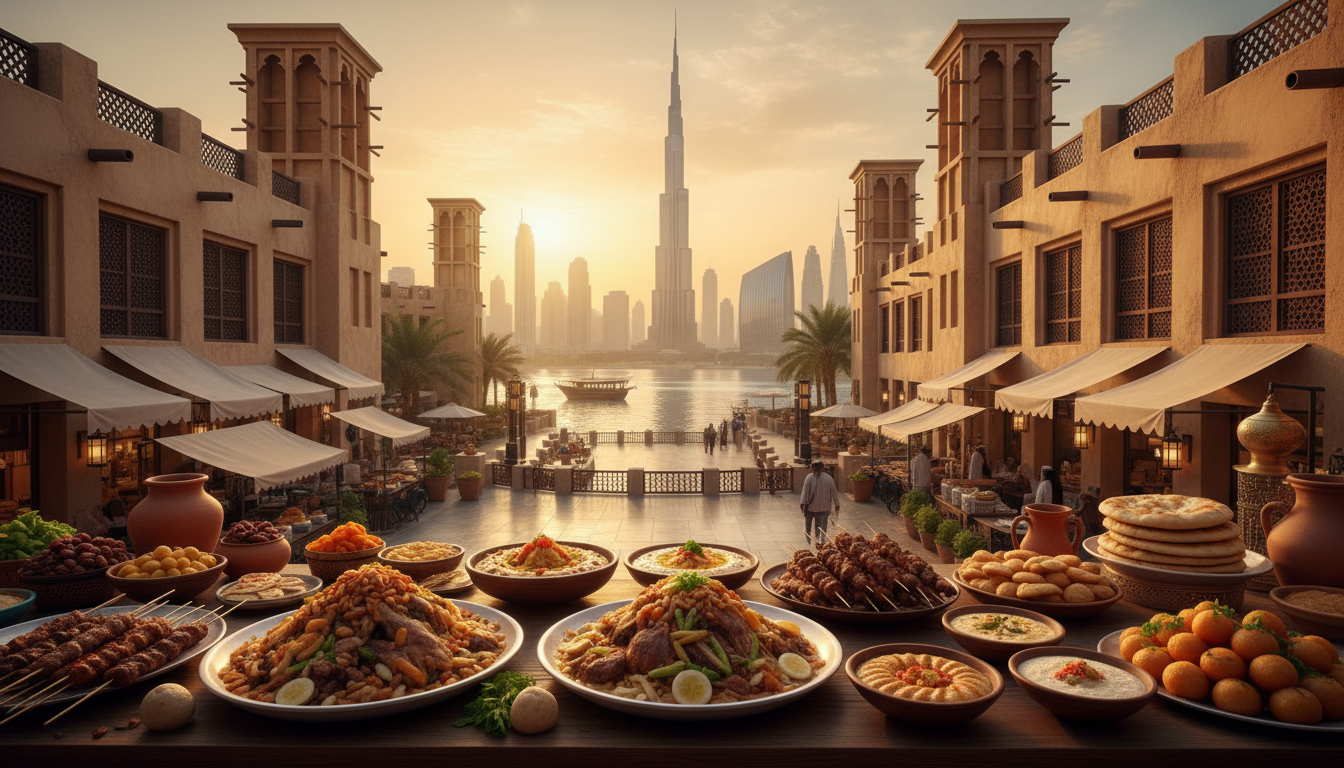
Dubai Food Scene: The Complete Culinary Guide for Home Exchange Travelers
Discover Dubai's extraordinary food scene during your home exchange—from AED 3 shawarma to Michelin-starred dining, with insider tips only locals know.
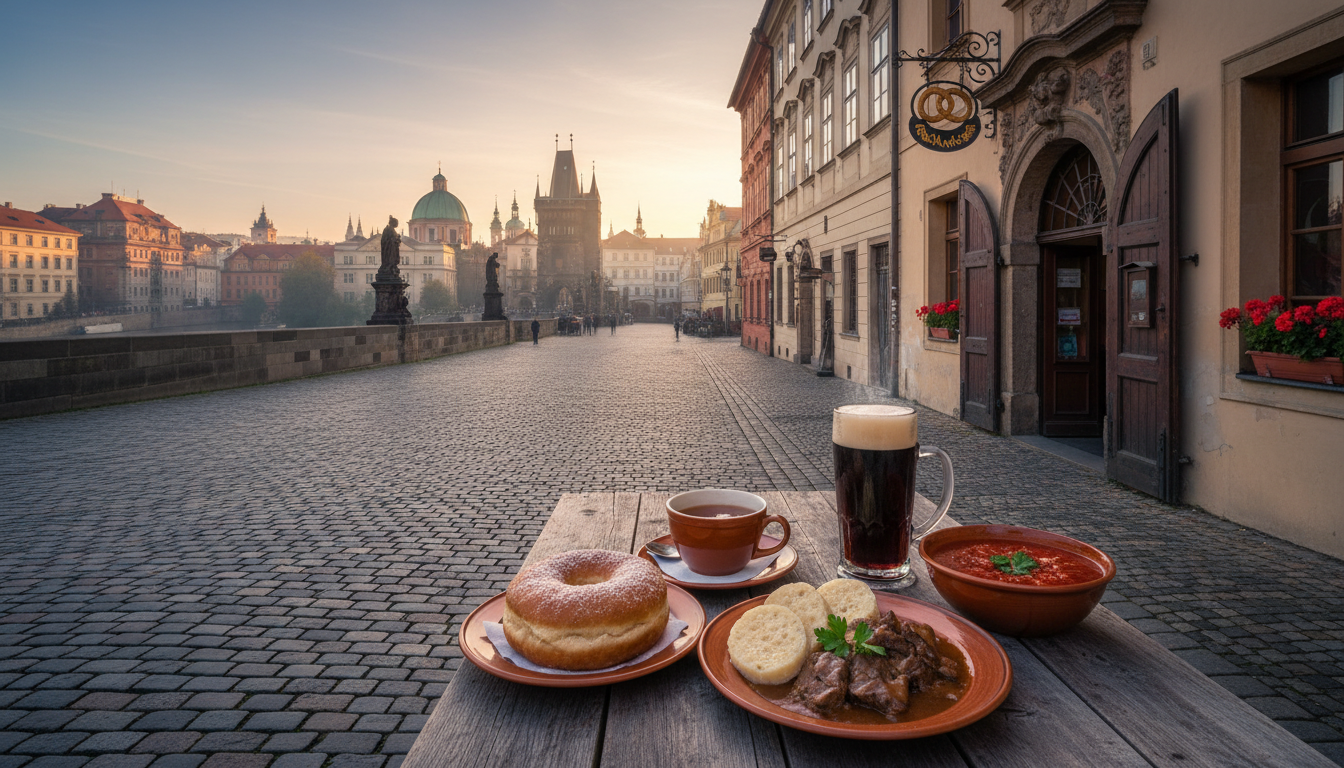
Prague Food Scene: A Home Exchanger's Guide to Czech Culinary Treasures
Discover Prague's food scene through a home exchange lens—from svíčková at local hospodas to farmers markets and hidden wine bars that tourists never find.
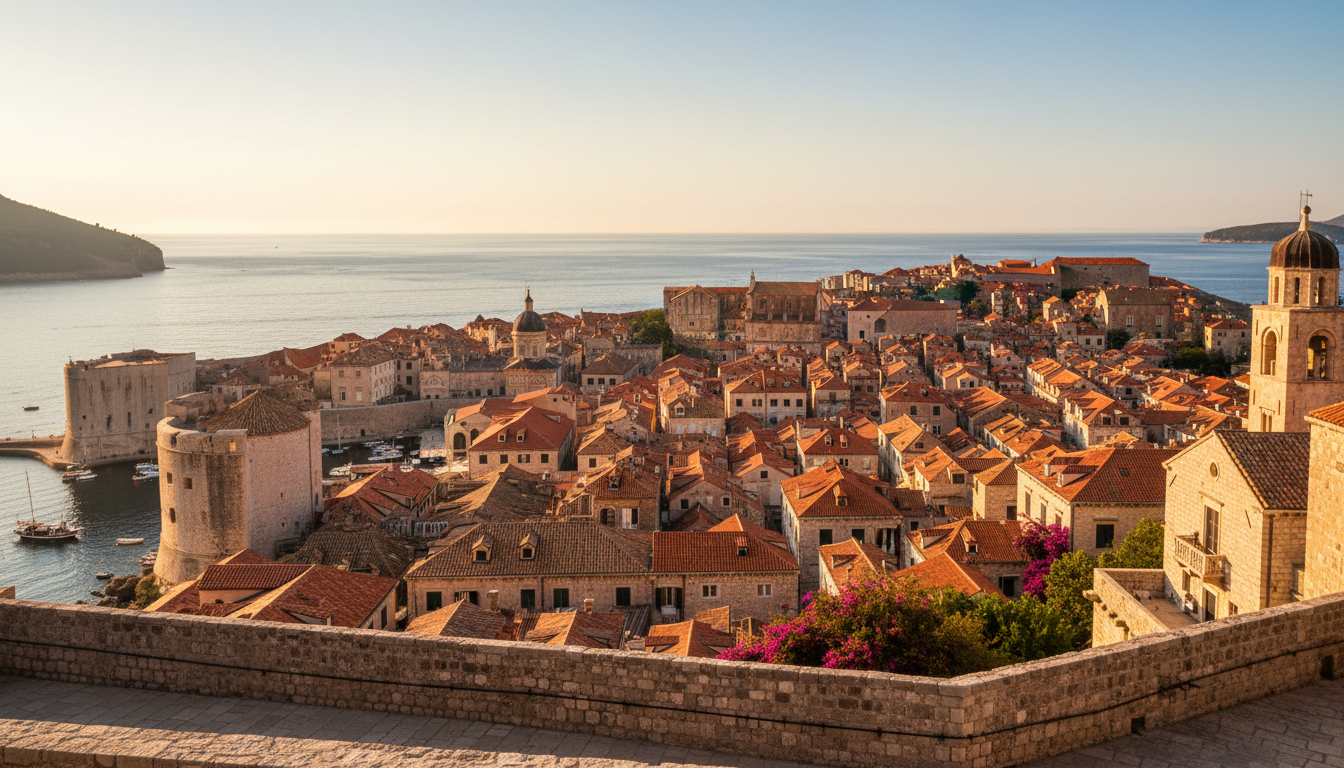
Cultural Immersion in Dubrovnik: How Home Swapping Unlocks the Real Croatia
Skip the cruise ship crowds and tourist traps. Discover how home swapping in Dubrovnik lets you live like a local, from morning markets to hidden konobas.

Local Cuisine in Cambridge: Your Complete Guide to Cooking and Dining During a Home Swap
Discover Cambridge's food scene through a home swap lens—from market shopping to pub dinners, plus tips for cooking in your borrowed kitchen.

Food Lover's Home Swap Guide to Oxford: How to Eat Like a Local in England's Culinary Hidden Gem
Discover Oxford's incredible food scene through home swapping. From covered market stalls to gastropubs, here's how to eat like a local and save thousands.
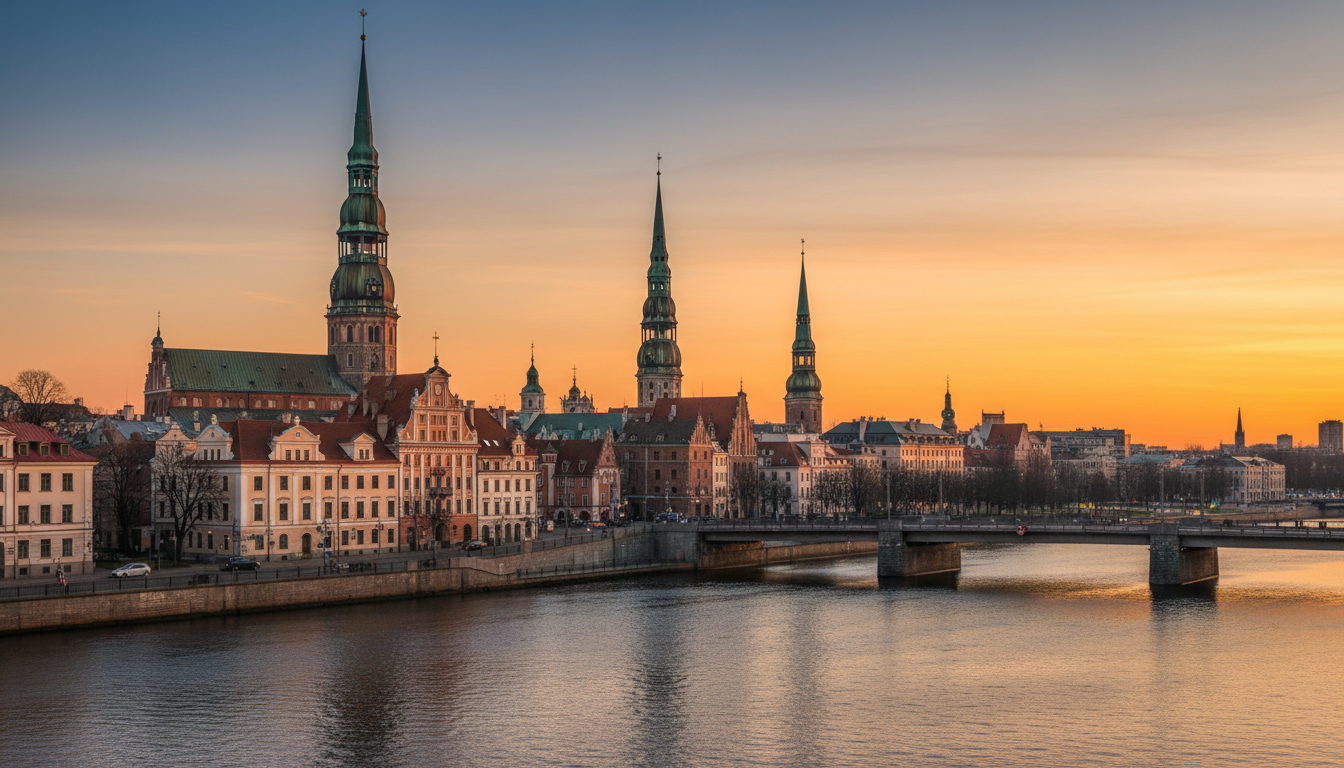
Home Swap in Riga: Your Guide to Authentic Latvian Cultural Immersion
Discover how home swapping in Riga unlocks authentic Latvian culture—from Art Nouveau neighborhoods to secret saunas and grandmother-approved recipes.
Frequently asked questions
How does home exchange on SwappaHome work?
You list your home, then swap into work-ready places worldwide. Hosting earns 1 credit per night; spending a credit books 1 night anywhere in the network. No money changes hands between members. Join with LinkedIn — that's how we know you're a real person.
Is it safe to swap homes with strangers?
Everyone joins with LinkedIn, so you meet people with real names and professional profiles — not anonymous accounts. All conversations stay inside SwappaHome. Homes are reviewed before they go live, and after each stay guests and hosts leave mutual reviews. For extra peace of mind, we recommend a video call before you confirm a swap.
Do I need to swap directly with the same person?
No. SwappaHome uses a credit system, not direct 1-to-1 swaps. You can host a family from Berlin and use the credits you earn to stay with a completely different host in Tokyo six months later. It makes travel dates, destinations and group sizes much easier to match.
Can I join if I don't own a home?
Yes — you can earn credits by hosting in a spare room, a long-term rental (if your lease allows guests) or by gifting/receiving credits from other members. You can also buy a starter pack if you want to travel before you host. Listing your primary home is the most common path, but it's not the only one.
What makes the United States special for travelers focused on food and culinary culture?
The country's culinary landscape reflects centuries of immigration and regional agriculture, creating distinct food ecosystems in every corner. You'll encounter everything from Lowcountry Gullah-Geechee cuisine and New Mexican chile traditions to Midwestern supper clubs and Pacific Northwest foraging culture. Cities host vibrant ethnic enclaves where recipes remain unchanged for generations, while smaller towns often guard secret barbecue techniques or pie recipes like family heirlooms. The craft beverage scene—from bourbon distilleries to urban breweries and natural wine bars—adds another layer. Staying in residential neighborhoods gives you access to farmers' markets, corner groceries, and the kind of everyday eateries that never make glossy travel guides but define how Americans actually eat.