Market & Trends Home Exchange in Vietnam
How home exchange compares to the alternatives.
No listings matched yet in Vietnam — be the first host
Vietnam presents a compelling case study for market analysts seeking firsthand exposure to one of Southeast Asia's fastest-evolving economies. The country's transition from state planning to market mechanisms plays out visibly across its cities—Hanoi's emerging fintech corridors, Ho Chi Minh City's logistics boom, and Da Nang's manufacturing clusters offer ground-level insights into supply chain dynamics and consumer behavior shifts. Staying in residential neighborhoods rather than business districts gives you access to the informal retail networks, family-owned enterprises, and micro-entrepreneurship that still drive much of Vietnam's GDP, alongside the venture-backed startups reshaping urban commerce.
Why Vietnam works for market & trends
Homes, not hotel rooms
Live in a real Vietnam home — kitchen, balcony, neighbourhood rhythm — instead of a generic hotel room.
Fair by design
1 credit = 1 night. Every home is worth the same. No bidding, no haggling, no price surges.
Curated for market & trends
The page is tuned to show homes that genuinely fit this travel style.
Guides for market & trends in Vietnam

Home Swap Demand in Bali: What Hosts and Guests Need to Know in 2026
Bali home swap demand is surging. Here's the real breakdown of what hosts offer, what guests want, and how to navigate the island's unique exchange market.

Vienna Home Exchange: 2026 Market Trends and Opportunities for Smart Travelers
Discover Vienna home exchange trends for 2026—from Innere Stadt apartments to emerging districts. Real data on savings, timing, and how to land the best swaps.

Is Rome Good for Home Swapping? An Honest Analysis for 2026
Discover if Rome is worth it for home swapping in 2026. Real neighborhood tips, cost breakdowns, and honest advice from the SwappaHome community.
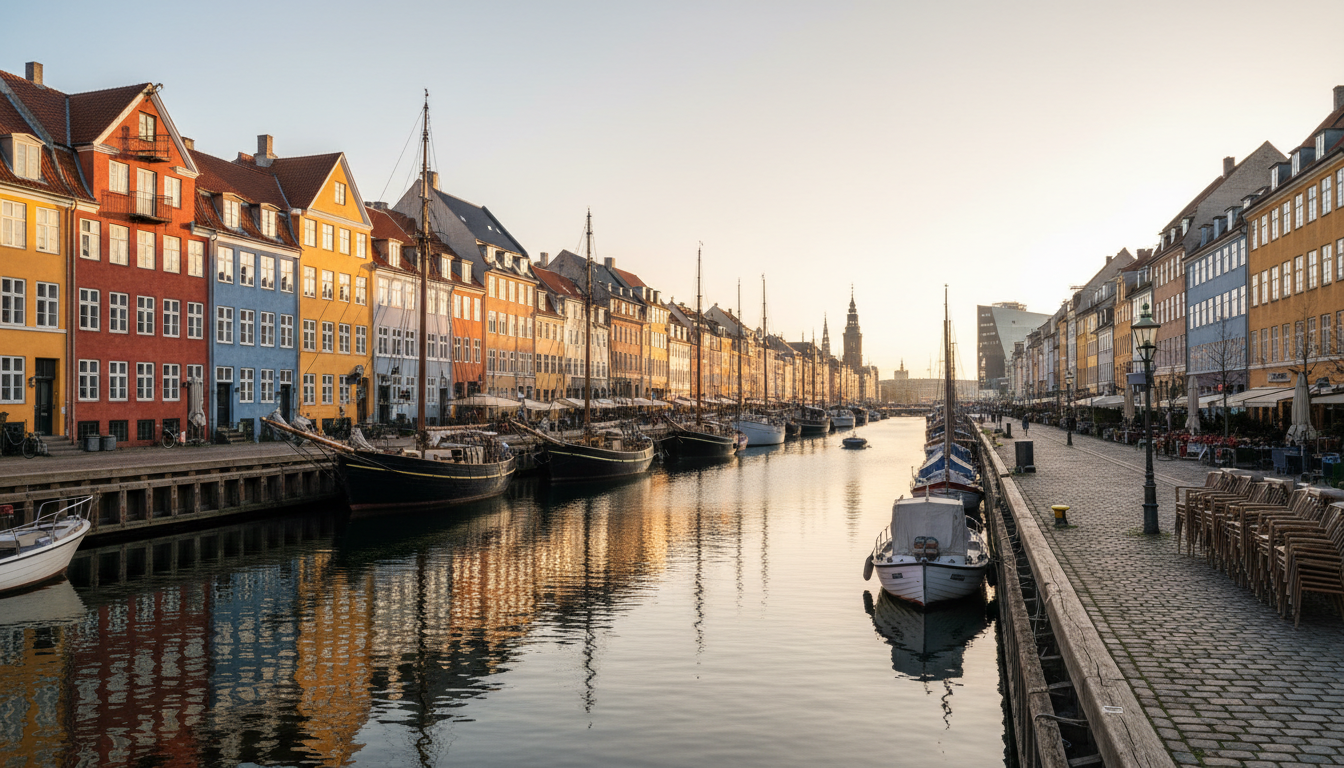
Copenhagen Home Exchange: 2026 Market Trends, Neighborhoods, and Booking Strategies
Copenhagen home exchange demand jumped 47% in 2025. Discover which neighborhoods swap fastest, when to list, and how to stand out in Denmark's hottest market.

Rome Home Exchange: 2026 Market Trends, Neighborhoods, and How to Score the Best Swaps
Rome home exchange demand jumped 47% in 2025. Here's where to find swaps in Trastevere, Testaccio, and beyond—plus what Roman hosts actually want.

Lyon Home Exchange: Your Complete Guide to France's Hidden Gem for Home Swapping
Discover why Lyon home exchange is booming among savvy travelers. From Croix-Rousse to Presqu'île, find the best neighborhoods and insider tips for your swap.
Frequently asked questions
How does home exchange on SwappaHome work?
You list your home, then swap into work-ready places worldwide. Hosting earns 1 credit per night; spending a credit books 1 night anywhere in the network. No money changes hands between members. Join with LinkedIn — that's how we know you're a real person.
Is it safe to swap homes with strangers?
Everyone joins with LinkedIn, so you meet people with real names and professional profiles — not anonymous accounts. All conversations stay inside SwappaHome. Homes are reviewed before they go live, and after each stay guests and hosts leave mutual reviews. For extra peace of mind, we recommend a video call before you confirm a swap.
Do I need to swap directly with the same person?
No. SwappaHome uses a credit system, not direct 1-to-1 swaps. You can host a family from Berlin and use the credits you earn to stay with a completely different host in Tokyo six months later. It makes travel dates, destinations and group sizes much easier to match.
Can I join if I don't own a home?
Yes — you can earn credits by hosting in a spare room, a long-term rental (if your lease allows guests) or by gifting/receiving credits from other members. You can also buy a starter pack if you want to travel before you host. Listing your primary home is the most common path, but it's not the only one.
What market research opportunities does Vietnam offer for analysts studying emerging economies?
Vietnam's dual economy—state-owned enterprises alongside a thriving private sector—creates unique observation points for transition economics. You'll find manufacturing diversification beyond textiles in the north, rapid e-commerce adoption driven by mobile-first consumers, and agricultural value chains modernizing in the Mekong Delta. The country's young demographic (median age 32) and rising middle class provide real-time data on consumption pattern shifts. Local markets, industrial parks near residential areas, and the contrast between Hanoi's policy centers and Ho Chi Minh City's commercial energy offer tangible context that supplements desk research.