Granada Bucket List: 23 Unforgettable Experiences During Your Home Swap

SwappaHome Editorial Team
Home Exchange & Slow Travel Editorial
From secret Alhambra viewpoints to underground flamenco caves, here's your insider Granada bucket list for an authentic home swap experience in Andalusia.
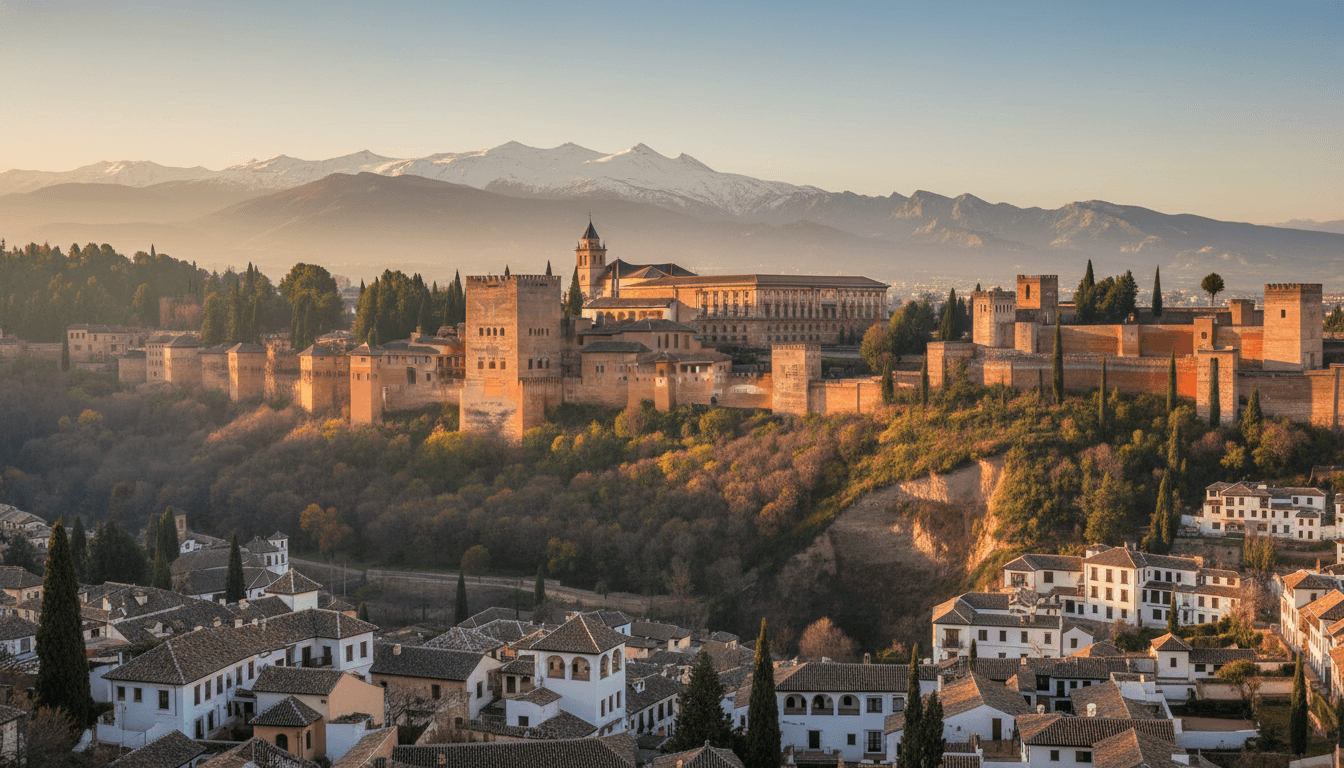
The first morning I woke up in my Granada home swap, I made the mistake of checking my phone before getting out of bed. Big error. Because the moment I looked up and saw the Alhambra—actually saw it, rose-gold in the early light, framed perfectly by my bedroom window in the Albaicín—I realized I'd wasted precious seconds staring at a screen when that was right there.
I stayed in that bed for another twenty minutes, just watching the fortress change colors as the sun climbed higher. No hotel room has ever given me that. No Airbnb either. That's the thing about a Granada bucket list during a home swap: you're not just visiting this city. You're living in it, waking up to it, becoming part of its rhythm.
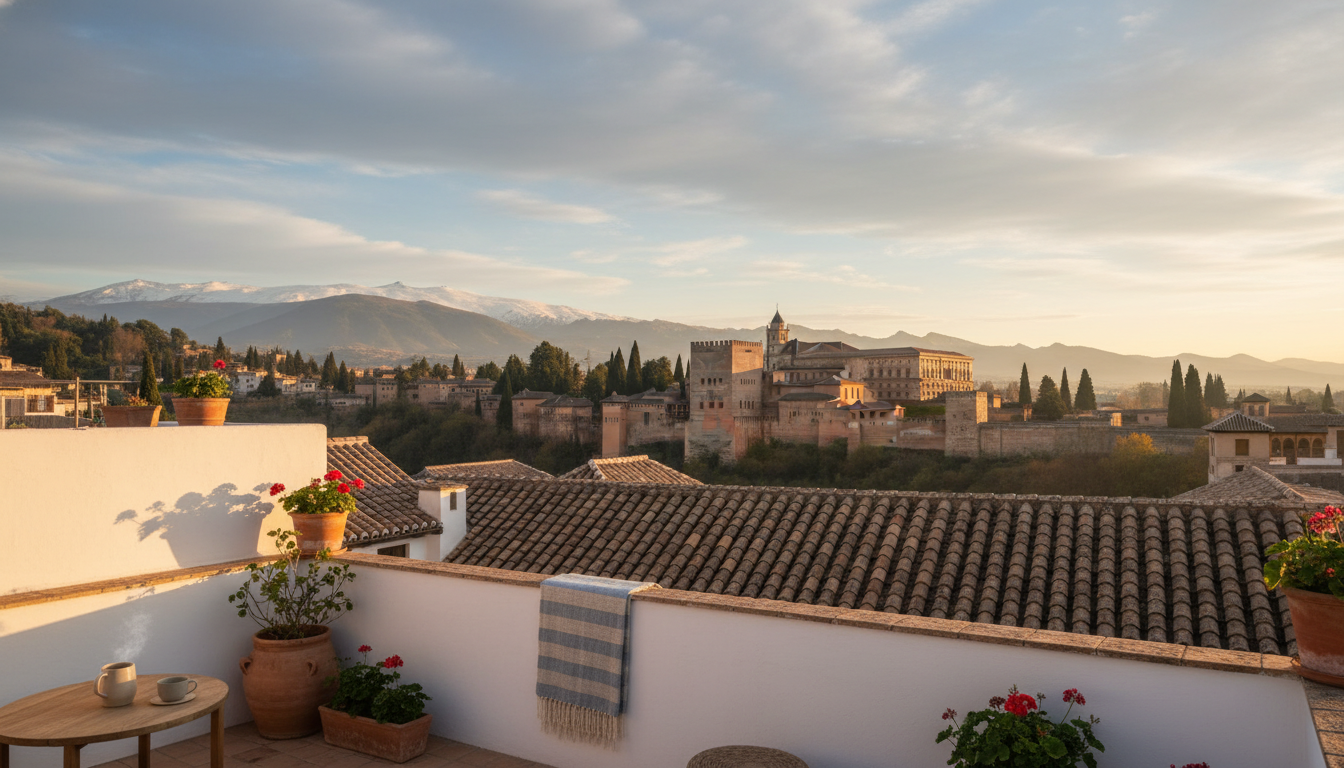 View of the Alhambra palace at sunrise from a traditional Albaicn home terrace, with terracotta roof
I spent three weeks in Granada last spring, swapping my San Francisco apartment for a cave house in Sacromonte. Three weeks of flamenco at midnight, tapas that came free with every drink, and getting hopelessly lost in whitewashed alleyways that all looked the same but somehow led to different miracles. This Granada bucket list isn't from a guidebook. It's from my notebook, my camera roll, and the recommendations scribbled on napkins by locals who became friends.
Why Granada Is Perfect for Home Swap Travel
Here's something most travel guides won't tell you: Granada is one of the most affordable cities in Western Europe, and a home swap makes it almost absurdly cheap. The average hotel in the historic center runs €120-180/night ($130-195 USD). A decent Airbnb? €80-120 ($87-130 USD). But with a home swap through SwappaHome, you're spending zero on accommodation—just one credit per night, regardless of whether you're in a modern apartment or a centuries-old carmen with gardens.
That means your Granada bucket list suddenly becomes very achievable. The €50 ($54 USD) you would've spent on one hotel night? That's now a private Alhambra tour. Or fifteen tapas crawls. Or a weekend trip to the Alpujarras villages.
But beyond the money, there's something else. When you're staying in someone's actual home—their neighborhood, their local bakery, their secret sunset spot—you experience a Granada that tourists staying in the hotel zone simply never see.
My host, Elena, left me a hand-drawn map of her favorite places. Not the tourist spots. Her spots. The tetería where she reads on Sunday mornings. The mirador where she takes her dog at dusk. The butcher who saves her the best jamón. That map became my most valuable possession in Granada.
The Alhambra: Beyond the Basic Visit
Yes, the Alhambra is on every Granada bucket list. It should be. But let me save you from the mistake I made on my first visit years ago: buying a general admission ticket, showing up at noon, and shuffling through the Nasrid Palaces shoulder-to-shoulder with 6,000 other people.
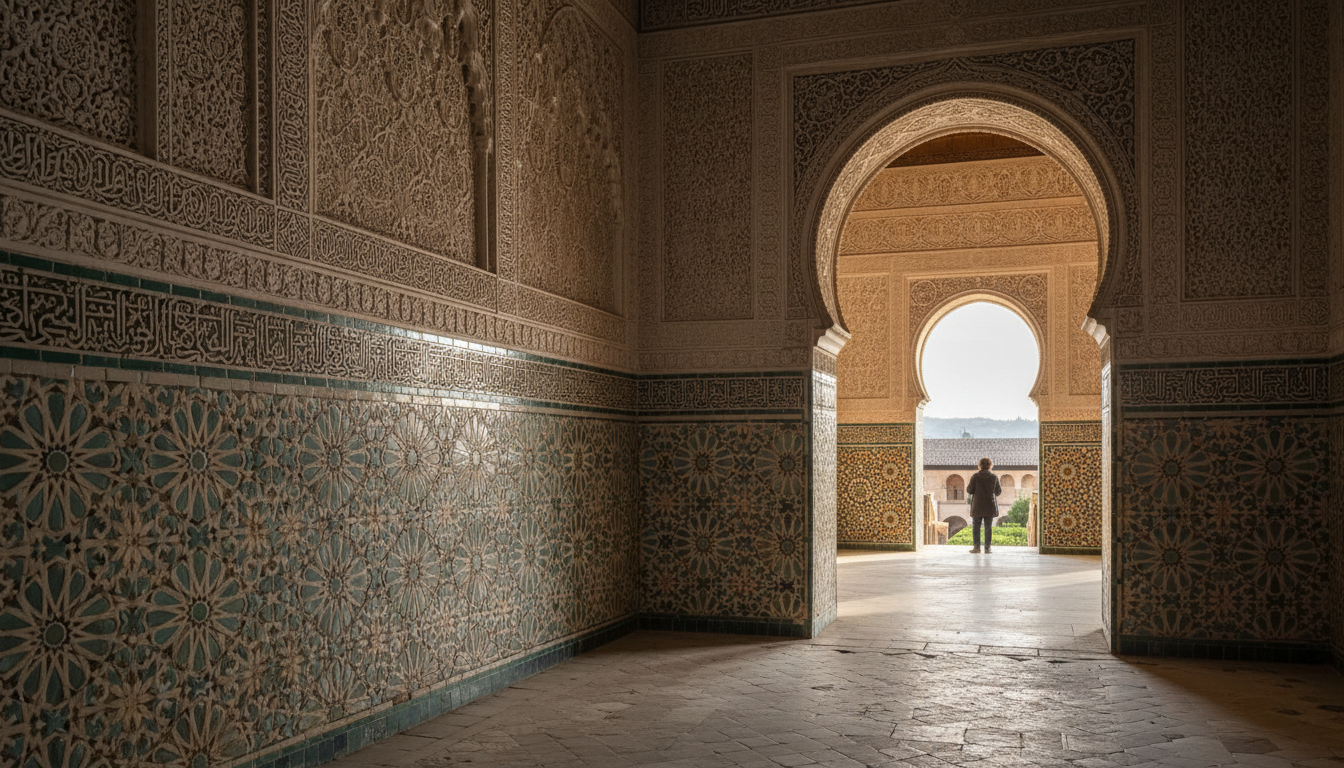 Intricate geometric tile work and carved stucco details inside the Nasrid Palaces, with afternoon li
Here's how to actually experience it:
Book the first Nasrid Palace slot. Tickets release about two months in advance on the official Alhambra website. Set a calendar reminder. The 8:30 AM entry means you'll have roughly 45 minutes in the palaces before the crowds arrive. I've done both—early morning and midday—and they're genuinely different experiences. Early morning, you can hear the fountains. You can stand alone in the Court of the Lions and feel the weight of 700 years.
General admission is €19 ($21 USD). But honestly? Consider the €55 ($60 USD) guided tour. I know, I know—I'm usually anti-tour. But the Alhambra's history is so layered, so complex, that having someone explain why the ceilings look like stalactites or what the Arabic inscriptions actually say transforms it from "pretty palace" to "absolutely mind-blowing achievement of human civilization."
The secret viewpoint nobody mentions: After your Alhambra visit, walk down through the Generalife gardens and exit via the Cuesta de los Chinos path. About halfway down, there's a bend in the path with a small clearing. From here, you get the Alhambra framed by cypress trees with the Albaicín behind it. No crowds. No barriers. Just you and one of the most photographed buildings on Earth, from an angle almost nobody photographs.
Living Like a Local in the Albaicín
The Albaicín is where most home swaps happen, and for good reason. This UNESCO-listed neighborhood is a maze of narrow streets, hidden plazas, and carmen houses—those traditional homes with interior gardens that you'd never guess existed from the plain white walls facing the street.
During my home swap, I stayed in the lower Albaicín, near Plaza Larga. Every morning, I'd walk up to the plaza for coffee at Bar Lara (€1.50/$1.60 for a café con leche, and they'll throw in a small pastry if you become a regular). The market happens on Saturday mornings—vegetables, cheese, olives, and the kind of bread that makes you understand why Europeans pity American grocery stores.
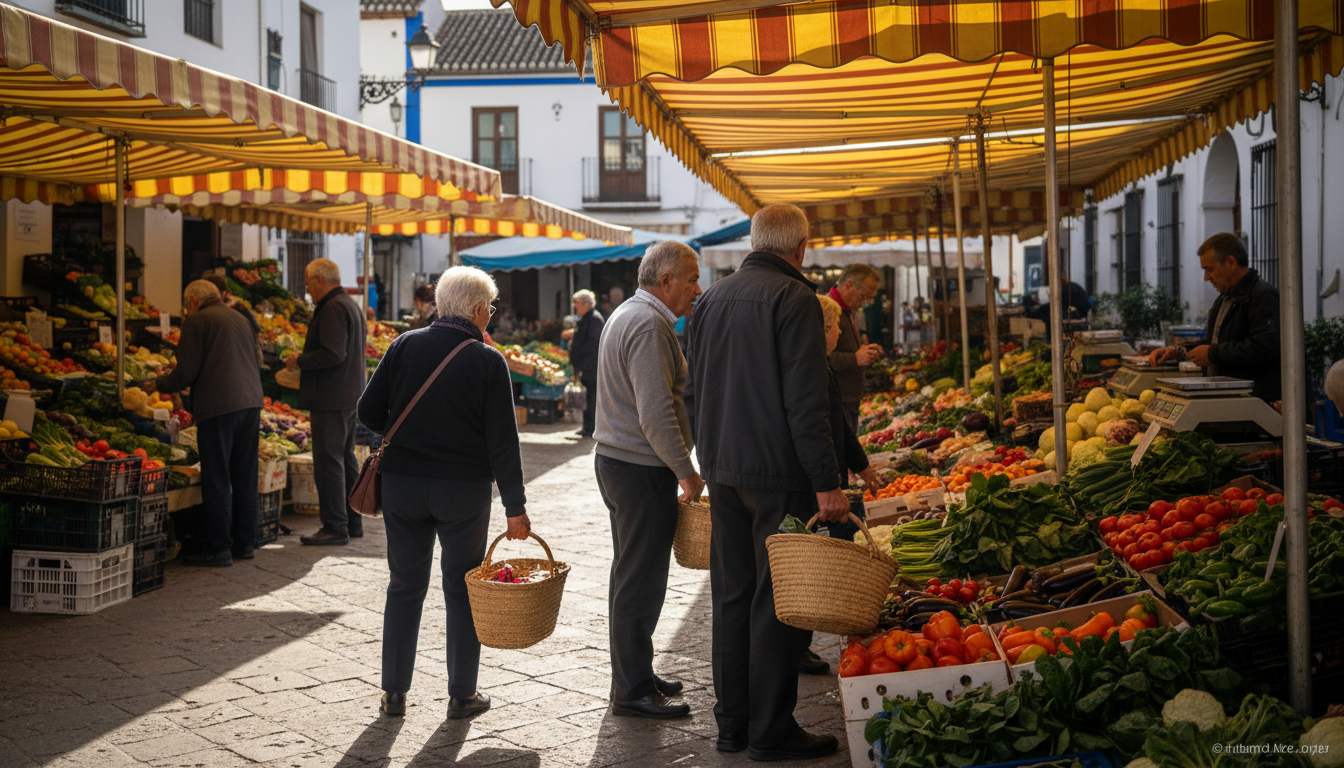 Morning market scene at Plaza Larga in the Albaicn, elderly locals shopping at vegetable stalls, wic
Your Granada bucket list in the Albaicín should include getting lost on purpose. I mean it. Put your phone away for an hour and just walk uphill. Every turn reveals something: a tiny plaza with orange trees, a fountain that's been running for 500 years, a doorway that opens to reveal a garden courtyard. The Albaicín rewards wandering like no neighborhood I've experienced.
Then there's Mirador de San Nicolás at sunset. Yes, it's famous. Yes, it's crowded. Go anyway, but go smart. Arrive 45 minutes before sunset, bring a bottle of wine from the shop on Calle Calderería Nueva (€6-8/$6.50-8.70 for something decent), and stake out a spot on the low wall to the left of the main viewpoint. The guitar players usually show up around golden hour. When the Alhambra turns pink and the call to prayer echoes from the mosque below—I'm not exaggerating when I say it's one of the most moving experiences I've had anywhere.
And Hammam Al Ándalus? A splurge at €49 ($53 USD) for the basic bath circuit, but worth every cent. These Arab baths are built on the site of original 13th-century hammams, and the experience—moving between hot, warm, and cold pools in candlelit rooms with star-shaped ceiling cutouts—is genuinely transportive. Book the 10 PM slot if you can. Floating in warm water, staring up at fake stars while real ones shine outside, knowing the Alhambra is just up the hill... it's the kind of memory that stays.
Sacromonte: Cave Houses and Authentic Flamenco
I'll be honest: I almost skipped Sacromonte. The guidebooks made it sound like a tourist trap—"traditional cave houses" that are actually just bars selling overpriced shows to cruise ship groups. I'm glad I ignored them.
Sacromonte is where Granada's Roma community has lived for centuries, carving homes directly into the hillside. The caves stay cool in summer and warm in winter, and the neighborhood has a completely different energy from the rest of Granada—grittier, more bohemian, unapologetically itself.
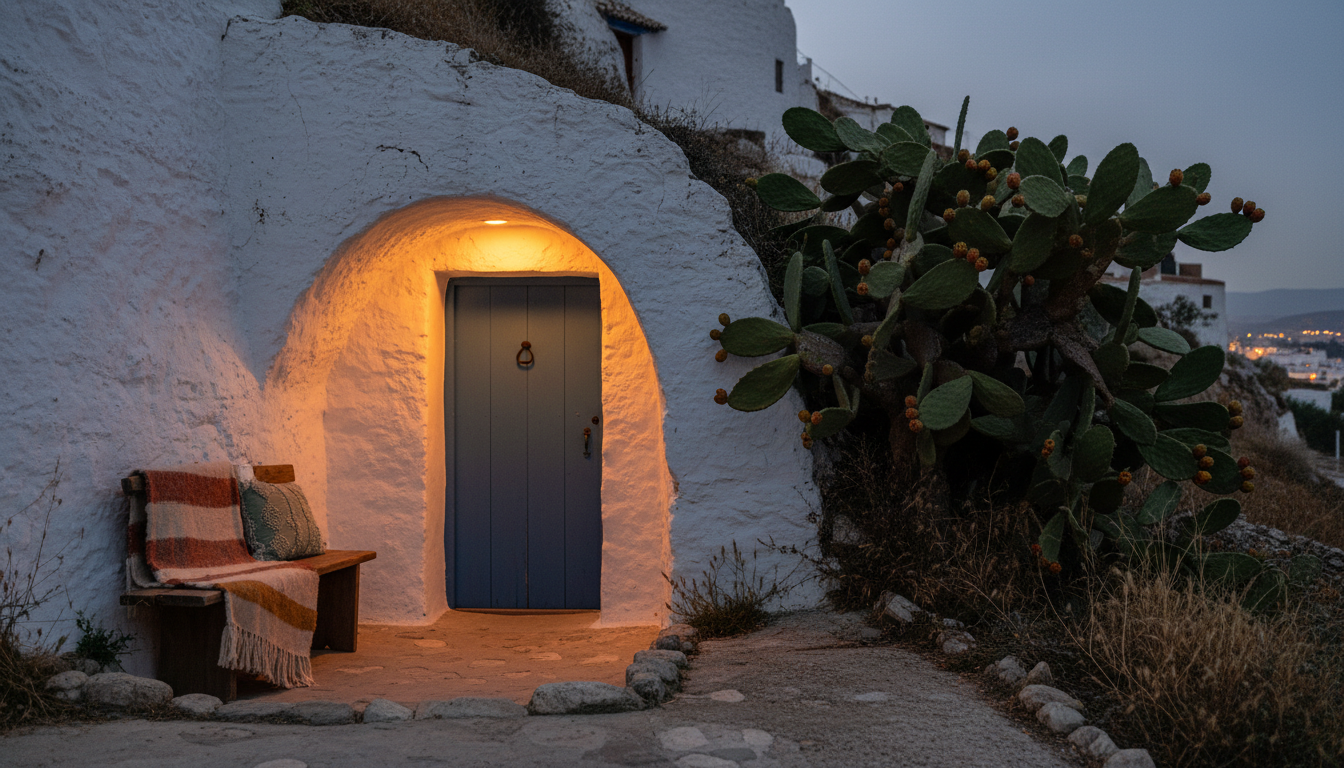 Whitewashed cave house entrance in Sacromonte at dusk, with prickly pear cacti, a wooden door painte
My home swap was actually in one of these caves. I found it on SwappaHome listed by a ceramicist named Jorge who was heading to Portland for a month. The cave had three rooms carved into the rock, a terrace overlooking the valley, and a wood-burning stove that I never needed because the temperature stayed perfect regardless of the weather outside.
For flamenco, skip the big tablao shows in the center (€30-40/$32-43 and often mediocre). Head to Sacromonte's smaller venues instead. Cueva de la Rocío is the real deal—a family-run cave where the performers are often related to each other and the audience sits close enough to feel the floor shake. Shows are around €25 ($27 USD) including a drink, and they usually start around 10:30 PM. Don't eat dinner first; you won't be hungry for hours after the emotional intensity of genuine flamenco.
If you want to understand Sacromonte's history, the Museo Cuevas del Sacromonte (€5/$5.40) is a small but fascinating collection of cave dwellings showing how people actually lived here. Go in the late afternoon when the light is soft and the tour groups have left.
The Free Tapas Trail: Your Granada Bucket List Essential
This is the part where Granada becomes legendary. In most Spanish cities, tapas are small plates you pay for. In Granada, tapas come FREE with every drink. Order a €2.50 ($2.70) beer, get a plate of food. Order another, get a different plate. By your fourth drink, you've had dinner.
I'm not talking about sad olives and stale bread, either. I'm talking about plates of grilled chorizo, mini hamburgers, fried fish, patatas bravas, slices of tortilla. The system works because bars compete to have the best tapas—better food means more drink orders.
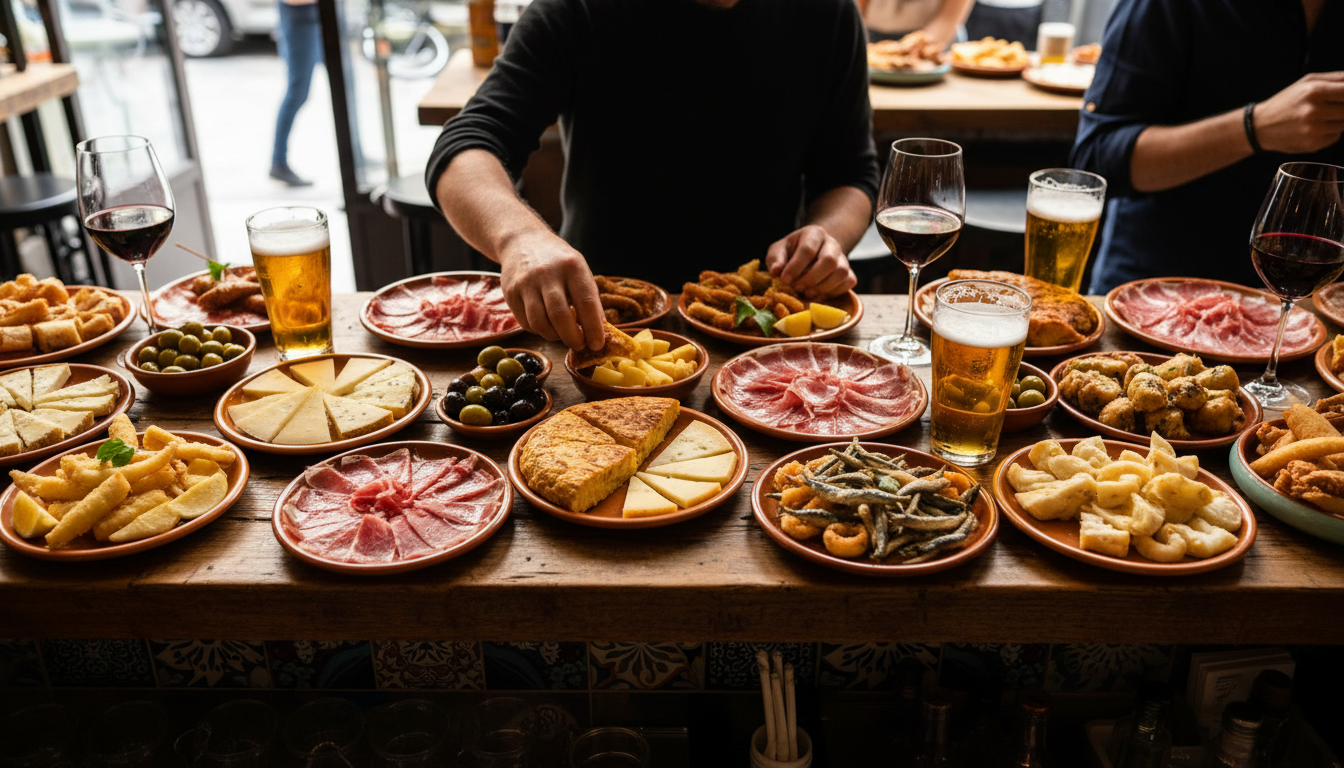 Overhead shot of a wooden bar counter covered with small plates of tapas - jamn, cheese, olives, fri
Here's my tested Granada tapas route, perfected over three weeks of very dedicated research:
Start at Bodegas Castañeda (Calle Almireceros 1). This place has been operating since 1942, and the vermut de grifo (vermouth on tap, €2/$2.15) is the perfect way to begin an evening. The tapas here lean traditional—montaditos, cheese, cured meats.
Walk to Los Diamantes (multiple locations, but the original on Calle Navas is best). Order the pescaíto frito—fried fish so fresh and perfectly crispy that you'll wonder why anyone eats fish any other way. Beer is €2.50 ($2.70), and the tapa portions here are generous.
Continue to Bar Poe (Calle Verónica de la Magdalena 40). Smaller, more modern, and the tapas are creative—think pulled pork sliders and gourmet croquettes. The crowd skews younger and local.
End at La Tana (Placeta del Agua 3). This is where the wine nerds go. The selection is exceptional, and the tapas—while smaller—are carefully chosen to complement what you're drinking. A glass of something interesting runs €4-5 ($4.30-5.40).
Four stops, four drinks, four tapas. Total cost: around €12 ($13 USD). Total satisfaction: immeasurable.
Day Trips That Belong on Your Granada Bucket List
One of the best things about a home swap is having a base. You're not packing and unpacking every few days. You can leave your suitcase, grab a day bag, and explore the region knowing you have a home to return to.
The Alpujarras Villages (1.5 hours by car, or €8/$8.70 by bus from Granada bus station)
These whitewashed villages clinging to the southern slopes of the Sierra Nevada are what most people imagine when they think of Andalusian mountain towns. Pampaneira, Bubión, and Capileira are the three most accessible, connected by a winding road with views that'll have you pulling over every five minutes.
I spent a day hiking between them—the trails are well-marked and not too strenuous—stopping for lunch in Capileira at Restaurante Poqueira (the migas with jamón are incredible, around €12/$13 for a huge portion). The whole day, including bus fare and lunch, cost me under €30 ($32 USD).
Sierra Nevada (45 minutes by car, or €9/$9.75 round trip by bus)
Europe's southernmost ski resort is also a summer hiking paradise. Even if you're not into serious trekking, take the cable car up to 2,500 meters and walk along the ridgeline. The views stretch to Africa on clear days. In winter, a day pass runs around €52 ($56 USD), but summer hiking is free once you're up there.
Guadix (1 hour by car or €5.50/$6 by train)
If you're fascinated by Sacromonte's cave houses, Guadix will blow your mind. This town has the largest concentration of inhabited cave dwellings in Europe—over 2,000 of them, with TV antennas and satellite dishes poking out of the hillside. The Barrio de las Cuevas is surreal, and the Cueva Museo (€3/$3.25) shows what life inside looks like.
Evening Rituals: How Granadinos Actually Spend Their Nights
One thing I loved about my home swap: I had time to learn the rhythm of the city. Granada doesn't operate on tourist schedules. Dinner at 7 PM? That's for children. Here, the evening unfolds slowly.
7-8 PM: The paseo. Granadinos walk. Not for exercise, not to get somewhere—just to walk. Join them on Carrera de la Virgen or around Plaza Nueva. Stop for an ice cream at Los Italianos (Calle Gran Vía 4), which has been serving the same incredible flavors since 1936.
9-10 PM: Pre-dinner drinks. This is when the tapas bars fill up. Most locals hit two or three spots, standing at the bar, catching up with friends.
10:30-11 PM: Dinner. Yes, really. Restaurants don't even get busy until now. If you're eating at 8 PM, you're eating alone.
Midnight onwards: This is when the city transforms. The Realejo neighborhood comes alive with bars and small clubs. Calle Elvira fills with students. And if it's a Thursday, Friday, or Saturday, the flamenco shows in Sacromonte are just getting started.
During my home swap, I fell into this rhythm completely. By week two, eating dinner at 11 PM felt normal. By week three, I couldn't imagine going back to my 7 PM San Francisco dinners.
Hidden Granada: The Spots Tourists Miss
After three weeks, I found places that weren't in any guidebook. Some came from Elena's map. Others I stumbled on. All of them belong on a Granada bucket list for anyone staying long enough to find them.
Carmen de los Mártires: A free public garden below the Alhambra with peacocks, grottoes, and views that rival Mirador de San Nicolás without any of the crowds. Open 10 AM-2 PM and 6-8 PM (summer hours). I went five times and never saw more than a dozen people.
Huerta de San Vicente: Federico García Lorca's summer house, now a museum (€3/$3.25). The guided tours are in Spanish only, but even without understanding everything, walking through the rooms where Spain's greatest poet wrote some of his most famous works is moving. The garden is peaceful in a way that the city center never is.
Calle Calderería Nueva and Calderería Vieja: The tetería (tea house) streets. Lined with Moroccan-style tea houses serving sweet mint tea and honey pastries, these narrow lanes feel transported from Marrakech. My favorite was Tetería Nazarí—order the tea ceremony (€8/$8.65) and settle in for an hour of doing absolutely nothing.
The Realejo neighborhood: This former Jewish quarter is where young Granadinos actually live and go out. The street art is some of the best in Spain (look for works by El Niño de las Pinturas), and the bars—Taberna La Tana, Potemkin, Bar Avila—are more local than anything in the Albaicín.
Practical Tips for Your Granada Home Swap
After three weeks of home swap living in Granada, here's what I wish I'd known from day one:
The hills are no joke. Granada is built on multiple hills, and the Albaicín in particular is a cardiovascular workout. Pack comfortable walking shoes with good grip—the cobblestones get slippery when wet, and you'll be walking up and down constantly. I averaged 15,000 steps a day without even trying.
Summer is brutal. July and August temperatures regularly hit 40°C (104°F). If you're swapping during these months, make sure your home has air conditioning or, if it's a cave house, trust that the natural insulation will keep things bearable. The best months are April-May and September-October.
Spanish language helps enormously. Unlike Barcelona or Madrid, Granada isn't overrun with English-speaking tourists. Basic Spanish—ordering food, asking directions, making small talk—opens doors. Download a translation app, but also learn a few phrases. Locals genuinely appreciate the effort.
Cash is still king in traditional bars. Many old-school tapas places don't take cards, or add a surcharge. Keep €20-30 in small bills for your evening tapas crawls.
The siesta is real. Most shops close from 2-5 PM. Don't fight it. Have a long lunch, take a nap, read on your terrace. Then come alive again when the city does, around 7 PM.
Making the Most of Your Home Swap Experience
The magic of a home swap isn't just free accommodation—it's the connection. When you stay in someone's home, you inherit their neighborhood. Their favorite coffee spot becomes your favorite coffee spot. Their morning routine becomes yours.
Before I left Granada, I updated Elena's hand-drawn map with my own discoveries. The mirador I found in Sacromonte where nobody goes. The bakery in Realejo with the best palmeras. The bench in Carmen de los Mártires where I sat every afternoon, watching peacocks strut past the Alhambra.
She messaged me a month later. She'd tried the bakery. The palmeras were, in her words, "life-changing."
That's what a Granada bucket list should really be about. Not checking off monuments, but finding the places that become yours. And then, if you're lucky, passing them on to the next traveler who sleeps in your borrowed bed and wakes up to that same rose-gold Alhambra light.
If you're ready to experience Granada this way—as a temporary local, not a tourist—SwappaHome makes it surprisingly easy. List your home, browse Granada properties, and start a conversation with someone whose terrace view might just change your morning routine forever.
Frequently Asked Questions
What is the best time of year to visit Granada for a home swap?
April through May and September through October are your sweet spots. Temperatures hover around 20-25°C (68-77°F), the crowds thin out compared to summer, and everything's open and running smoothly. Spring means blooming gardens everywhere you look, while fall brings harvest festivals and that gorgeous golden light that makes the Alhambra glow.
How much money can I save with a home swap in Granada compared to hotels?
You're looking at roughly €100-150 ($108-162 USD) saved per night versus central hotels. Do the math on a two-week stay and that's €1,400-2,100 ($1,512-2,268 USD) back in your pocket. With SwappaHome's credit system—one credit per night no matter the property—you're basically staying free after you've hosted guests at your place.
Do I need to book Alhambra tickets in advance during a home swap?
100% yes. Tickets vanish weeks ahead of time, especially those Nasrid Palace time slots everyone wants. Mark your calendar and hit the official website exactly two months before your visit. Grab the 8:30 AM entry if you can—fewer crowds, better experience. General admission runs €19 ($21 USD), guided tours €55 ($60 USD).
Is Granada safe for solo travelers doing a home swap?
Granada's genuinely safe for solo travelers and home swappers. The historic neighborhoods—Albaicín, Realejo—stay well-lit and lively even late into the night. Just use common sense: keep an eye on your stuff in packed tapas bars, skip poorly lit streets after midnight. The home swap community adds another layer of security through member verification and reviews.
What should I include in my Granada bucket list for a week-long stay?
Pack in an Alhambra visit with that early Nasrid Palace entry, sunset drinks at Mirador de San Nicolás, a proper tapas crawl through the center, authentic flamenco up in Sacromonte, a soak at Hammam Al Ándalus, aimless wandering through the Albaicín's hidden plazas, and a day trip out to the Alpujarras villages. Set aside around €200-250 ($216-270 USD) for activities and food beyond your free accommodation.

Published by
SwappaHome
SwappaHome Editorial Team
Home Exchange & Slow Travel Editorial
The SwappaHome Editorial Team brings together travel research, home-exchange community insights, and platform data to produce practical guides for first-time and experienced home swappers. Every article cites real platforms, current market rates, and verifiable city-level facts so readers can make informed decisions without guessing.
Ready to try home swapping?
Join SwappaHome and start traveling by exchanging homes. Get 7 free credits when you sign up!
Related articles

Bachelor and Bachelorette Parties in Singapore: The Complete Home Swap Group Guide for 2026
Planning a bachelor or bachelorette party in Singapore? Discover how home swapping lets groups of 6-12 stay together in luxury condos, saving thousands while partying in Marina Bay.
Cycling in Lisbon: 7 Home Swap Bike Tour Itineraries for Every Rider
Discover the best cycling routes in Lisbon with these home swap bike tour itineraries—from waterfront paths to hilltop adventures, all starting from your borrowed home.
Graduation Trip to Barcelona: How Home Swapping Gives New Graduates the Ultimate Celebration
Planning a graduation trip to Barcelona? Discover how home swapping lets new graduates explore Spain's most vibrant city without the hostel crowds or hotel costs.