
The Psychology of Home Swapping: Why Strangers Trust Each Other with Their Homes

SwappaHome Editorial Team
Home Exchange & Slow Travel Editorial
Discover the fascinating psychology of home swapping and why thousands of strangers willingly exchange keys. The science of trust might surprise you.
I still remember standing outside a stranger's apartment in Copenhagen, key in hand, thinking: What am I doing?
It was 2017, my third home swap ever, and the reality had just hit me. A woman I'd exchanged maybe fifteen messages with had given me complete access to her life—her books, her kitchen, her bed, the photos of her kids on the hallway wall. And I'd done the same for her, 5,000 miles away in my San Francisco apartment.
The psychology of home swapping fascinates me because, on paper, it shouldn't work. Strangers trusting strangers with their most personal space? Their grandmother's china? Their Netflix password? Yet here we are—thousands of people doing exactly that, and loving it.
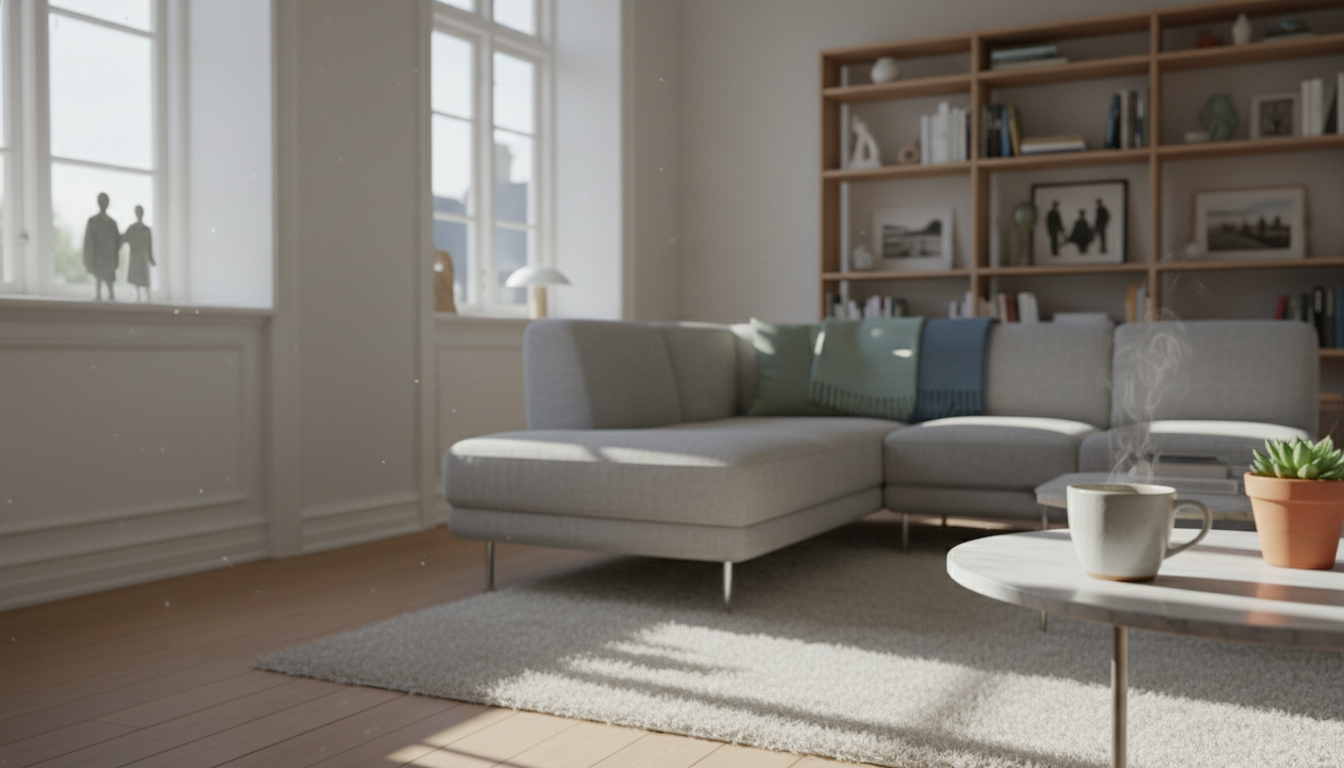 cozy Copenhagen apartment interior with morning light streaming through tall windows, Danish design
So why do we trust each other? And maybe more importantly—why does that trust almost always pay off? I've spent seven years thinking about this, and I've got some theories. Some backed by psychology research, some from pure observation, and some from my own moments of vulnerability with strangers who became friends.
Why the Psychology of Home Swapping Defies Our Expectations
Here's what should happen, according to conventional wisdom: we should be terrified. Our homes are our sanctuaries. We lock our doors, install security systems, teach our kids about "stranger danger." Yet home exchange communities thrive, with members reporting trust levels that would make sociologists do a double-take.
The disconnect comes from a fundamental misunderstanding about human nature. We've been conditioned—by news cycles, crime dramas, overprotective parenting—to assume the worst about strangers. But research tells a different story.
A 2019 study from the Journal of Experimental Social Psychology found that people consistently underestimate how trustworthy strangers actually are. We expect betrayal and get... kindness. We brace for theft and find hand-written notes about the best local bakery.
I've done over 40 home swaps now. Want to know how many have gone wrong? Zero. Not one stolen item. Not one trashed apartment. The closest I've come to a "problem" was a guest who accidentally broke a wine glass and left me $50 and an apologetic novel of a note.
The Reciprocity Effect: How Home Exchange Builds Automatic Trust
There's a psychological principle that explains a lot about why home swapping works: reciprocity. When someone does something for you, you feel compelled to return the favor. It's hardwired into our social brains.
Home exchange takes reciprocity and supercharges it.
When you stay in someone's home, you're not just receiving hospitality—you're holding something precious. Their space. Their memories. Their trust. And they're holding yours simultaneously (or will be soon, in a credit-based system like SwappaHome). Psychologists call this "mutual vulnerability," and it's incredibly powerful.
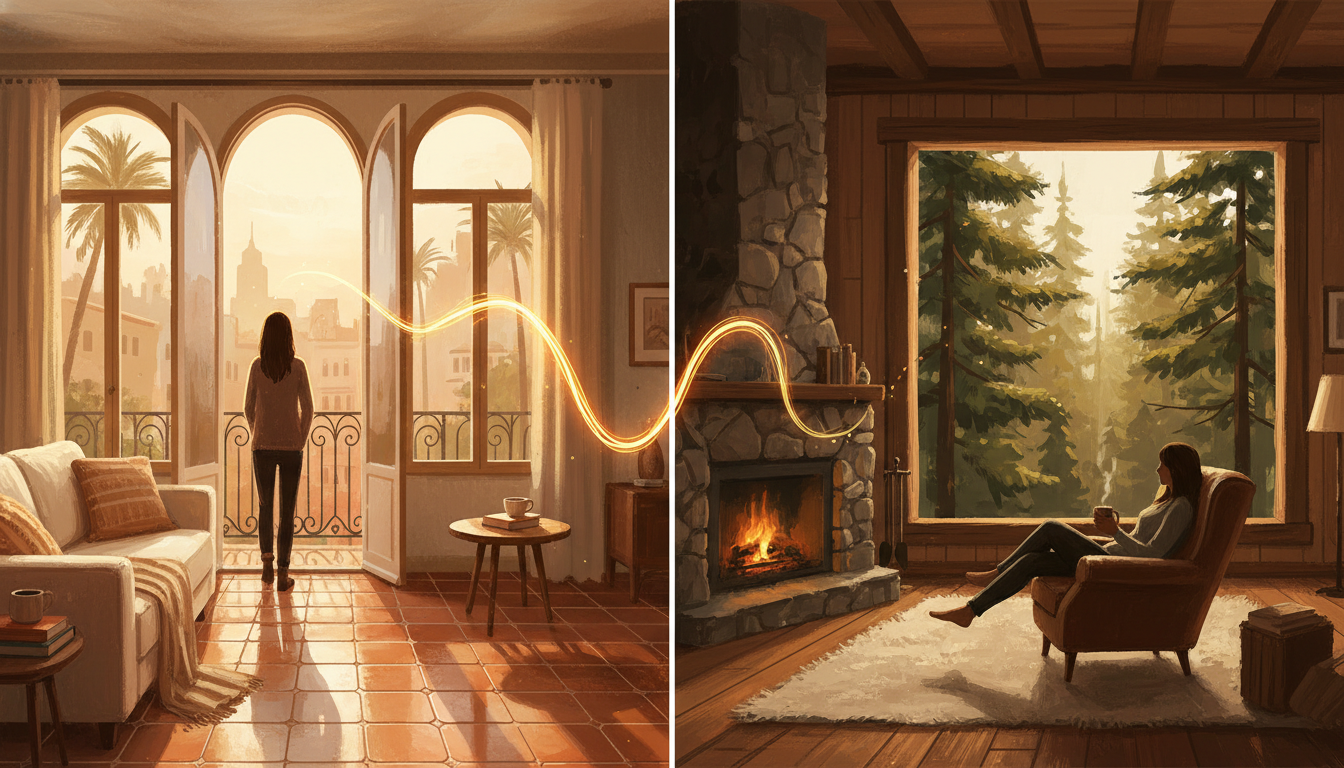 split-screen visual showing two different homesa sunny Barcelona apartment with terracotta tiles and
Think about it: if I trash your apartment in Rome, what happens when you arrive at mine in San Francisco? We're both exposed. We both have skin in the game. This isn't a one-way transaction like a hotel stay—it's a relationship, even if we never meet in person.
Dr. Paul Zak, a neuroeconomist who studies trust, has shown that reciprocal relationships trigger oxytocin release—the same hormone involved in bonding between mothers and infants. Home swapping literally creates a biochemical trust response. Wild, right?
The Screening Paradox: Why Less Vetting Can Mean More Trust
This one surprised me when I first noticed it.
You'd think more rigorous background checks and verification would make people trust each other more. And to some extent, that's true—identity verification on platforms like SwappaHome does help. But here's the paradox: communities built primarily on reputation and reviews often foster deeper trust than those relying on institutional gatekeeping.
Why? Because when you trust someone based on their reviews, their communication style, and your gut feeling, you're making an active choice. You're exercising judgment. That investment makes you more committed to the relationship working out.
Contrast this with a hotel: you don't trust the Marriott because you've evaluated their character. You trust them because of legal frameworks, corporate accountability, and the threat of lawsuits. It's passive, transactional trust.
Home swapping requires you to actually see the other person as a human being. You read their profile. You notice they mention their dog, their love of hiking, their job as a teacher. You exchange messages and get a sense of their personality. By the time you hand over your keys, you've formed a genuine impression of who they are.
Sociologist Guido Möllering calls this "trust as a leap of faith"—not blind faith, but informed faith. You've done your homework, and then you choose to believe.
The Home as Identity: What Your Space Reveals About You
Here's something I've learned after staying in 40+ strangers' homes: you can tell a lot about someone by how they live.
The books on their shelves. The art on their walls. Whether they have a junk drawer (everyone does) or a meditation corner (fewer people, but growing). The spices in their kitchen tell you if they cook. The worn spot on the couch tells you where they sit to watch TV.
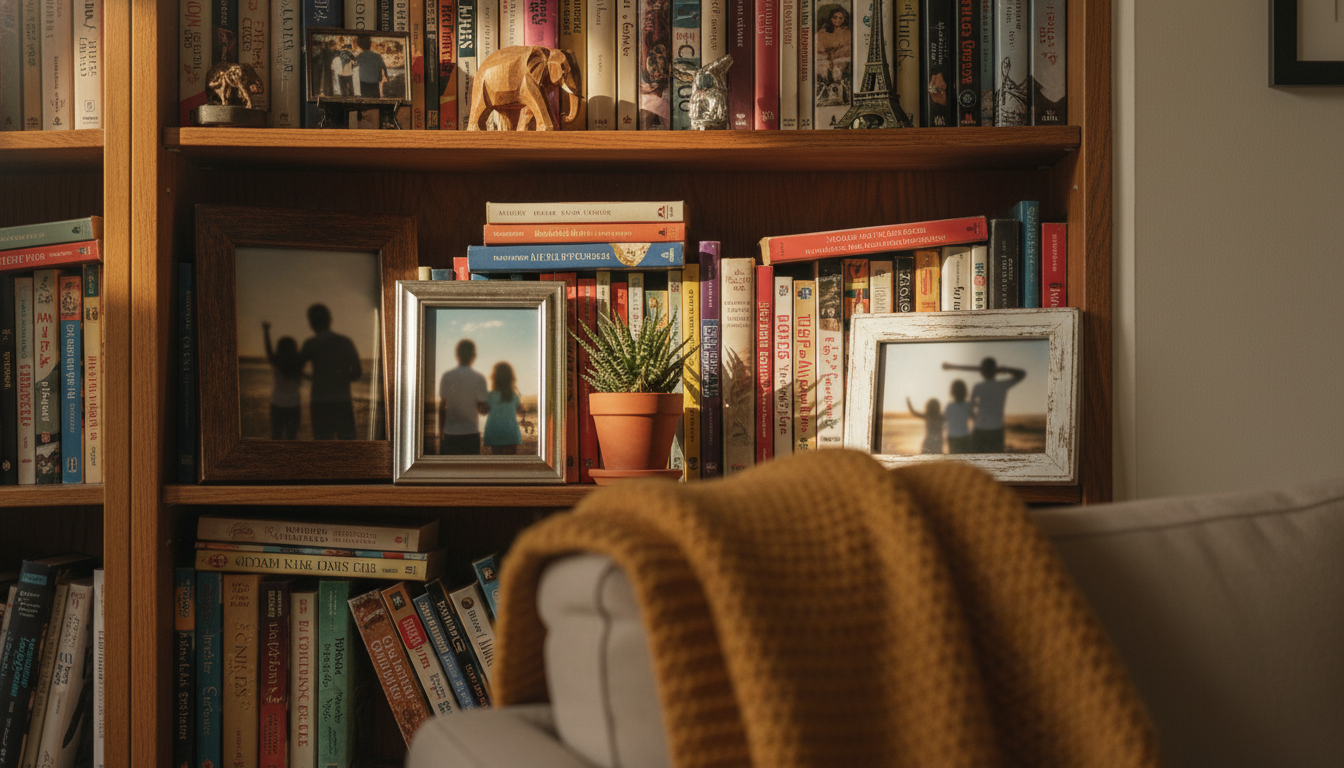 close-up of a lived-in bookshelf in a London flat showing eclectic book collection, travel souvenirs
This visibility creates what I call "accidental intimacy." Before you've even met someone, you've seen how they live. And usually, what you see is... reassuring. Normal. Human.
People who keep tidy homes tend to respect others' spaces. People with family photos tend to value relationships. People with well-stocked kitchens tend to be generous hosts. It's not foolproof, but our homes are honest in ways we can't always control.
I once stayed in a home in Portland where the owner had labeled everything. I mean everything. The drawers, the remote controls, the different types of recycling bins. At first, I thought it was a bit much. By day three, I realized this was someone who genuinely cared about making my stay easy. The labels weren't neurotic—they were generous.
That's the thing about homes: they don't lie.
The Self-Selection Effect: Why Home Swappers Are Different
Not everyone is cut out for home exchange. And that's actually a feature, not a bug.
Think about who chooses to participate in home swapping: people comfortable with vulnerability, people who value experiences over stuff, people open to cultural differences, people who see strangers as potential friends rather than threats, people who believe in community and sharing.
This isn't everyone. And that's okay.
The self-selection process means that by the time someone creates a profile, writes a description, uploads photos, and reaches out to potential swap partners, they've already demonstrated a baseline level of trust, effort, and good faith.
Contrast this with renting out your home on a short-term rental platform where the primary motivation is profit. The incentive structure is completely different. In home swapping, the "payment" is the experience itself—and that attracts a particular kind of person.
I've met retired professors, young families, digital nomads, artists, doctors, and teachers through SwappaHome. The common thread isn't demographic—it's disposition. These are people who lean toward trust rather than suspicion.
The Role of Communication: How Messages Build (or Break) Trust
Want to know my number one predictor of a successful home swap? The quality of the initial messages.
Not the length—I've had great swaps with people who wrote three sentences and terrible inquiries from people who wrote three paragraphs. It's about how someone communicates.
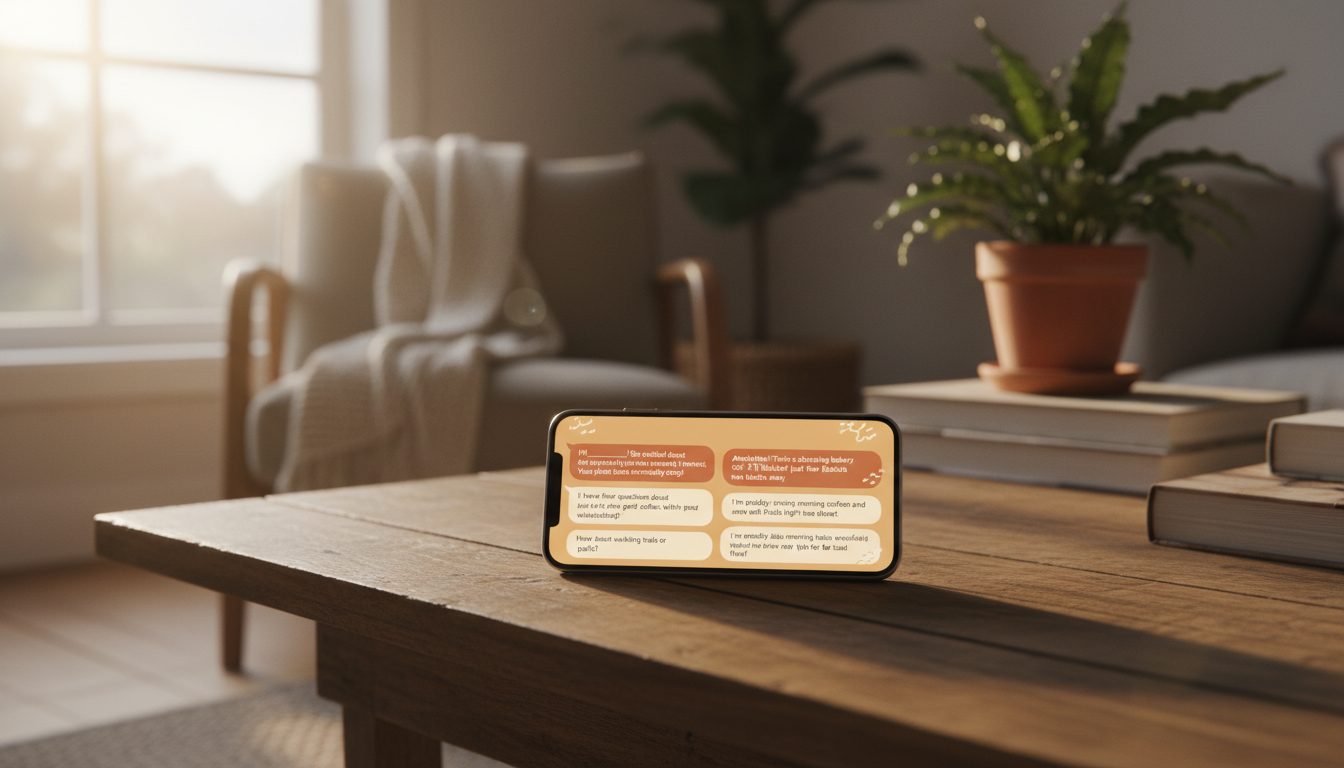 smartphone screen showing a warm, friendly home swap message conversation with personalized question
Red flags? Generic messages that could be sent to anyone. No questions about your home or neighborhood. Vague about their own situation. Pushy about dates without flexibility. No mention of why they chose your listing.
Green flags look different. Specific references to your profile or photos. Questions that show they've read your description. Sharing relevant details about themselves unprompted. Flexibility and graciousness about logistics. A sense of personality coming through.
The psychology here is about signaling. Good communicators signal that they see you as an individual, not just a means to free accommodation. They signal investment in the relationship working out. They signal they'll be the kind of guest who leaves your home better than they found it.
I once declined a swap request—my only decline ever—because the person's messages felt transactional and impersonal. They answered my questions with one-word responses and never asked anything about me. Maybe they would have been fine. But trust is a feeling, and my gut said no.
The Review System: Accountability Without Authority
Let's talk about what happens when trust is broken. Because it does happen—rarely, but it happens.
In traditional transactions, we have contracts, courts, and corporate customer service. In home exchange communities, we have... reviews.
And honestly? Reviews might be more powerful.
A bad review in a tight-knit community is devastating. It's not like getting one star on Amazon where you can bury it in a sea of positive ratings. In home exchange, every review matters. Every interaction is visible. Your reputation is your currency.
This creates what economists call "shadow of the future" effects. People behave well not just because they're good people (though most are), but because they know their behavior has consequences. Treat someone's home poorly, and your home-swapping days are numbered.
I've seen this work in practice. A friend of mine had a guest who left her apartment messier than agreed. She wrote an honest review—not angry, just factual. That guest's future swap requests dried up. The community self-regulated.
The flip side is that positive reviews compound. After 40+ swaps, my profile is a testament to trustworthiness. New members can see that I've been a good guest and host, over and over. That track record is worth more than any background check.
Why We Trust Strangers More Than We Think We Do
Here's a thought experiment: How many strangers did you trust today?
If you drove a car, you trusted other drivers not to veer into your lane. If you ate at a restaurant, you trusted the kitchen not to poison you. If you walked on a sidewalk, you trusted passersby not to attack you. If you used the internet, you trusted countless servers and systems not to steal your data.
We trust strangers constantly. We just don't think about it.
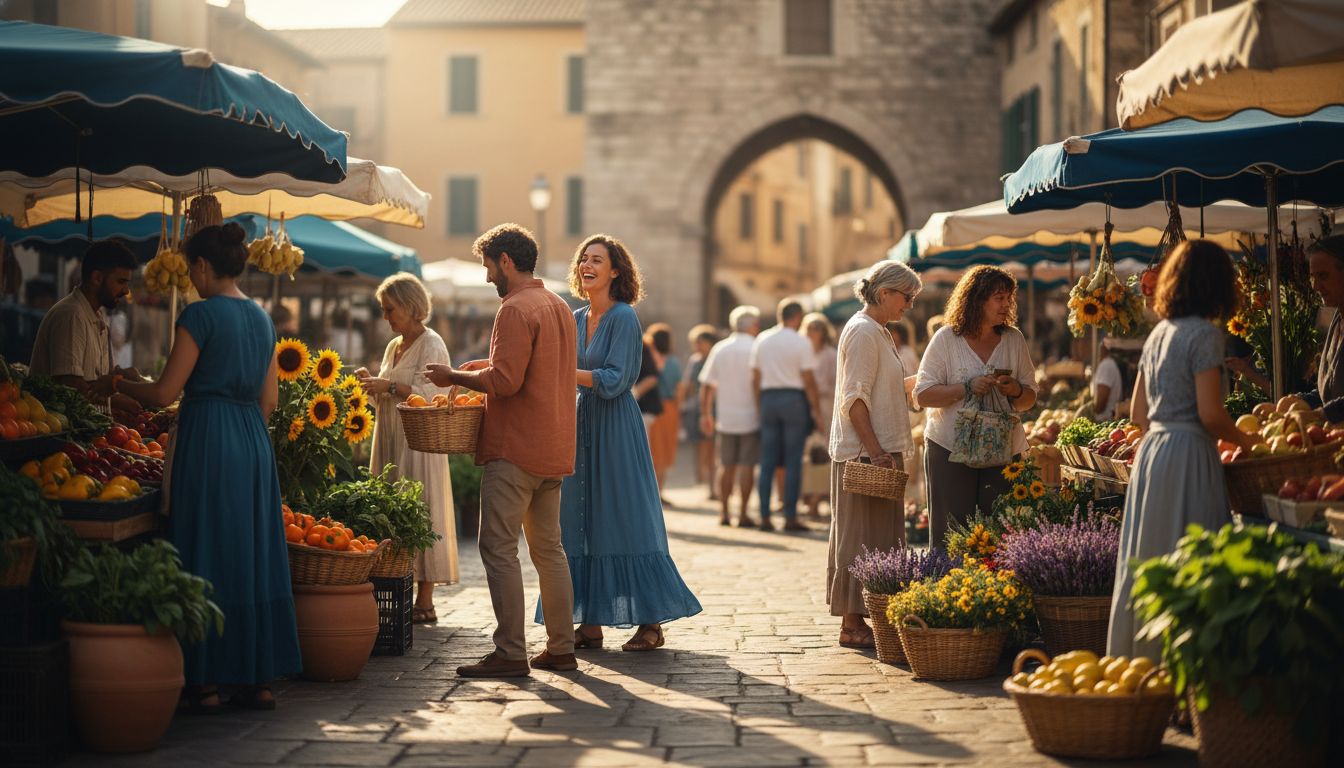 bustling morning scene at a European outdoor market with vendors and customers exchanging goods, smi
Home swapping feels scary because it makes trust explicit. You can't pretend it's not happening. You're consciously handing your keys to someone you've never met, and you have to sit with that vulnerability.
But the actual risk? It's lower than driving to work.
Psychologist David DeSteno, who studies trust, points out that humans are actually quite good at detecting trustworthiness—when we pay attention. The problem is that we often don't pay attention. We rely on stereotypes, snap judgments, fear-based heuristics.
Home swapping forces you to pay attention. You read profiles carefully. You analyze messages. You look at photos. You ask questions. And when you do all that, your trust instincts are remarkably accurate.
The Transformation: How Home Swapping Changes Your Relationship with Trust
I'm not the same person I was before I started home swapping. And I don't just mean I've seen more of the world (though I have—25 countries and counting, mostly for free).
I mean my relationship with trust has fundamentally shifted.
I used to be suspicious by default. I grew up in a city, learned to keep my guard up, assumed the worst about strangers' intentions. Home swapping rewired that.
After 40+ experiences of trusting strangers and having that trust honored, my baseline has changed. I'm more open. More generous with my assumptions. More willing to take small social risks.
This isn't naivety—it's calibration. I've updated my priors based on evidence. And the evidence says: most people are good. Most people want to do right by each other. Most people, given the chance, will exceed your expectations.
That's the hidden gift of home exchange. Yes, you save money (a lot of money—my last two-week swap in Barcelona would have cost $3,500+ in hotels). Yes, you get authentic local experiences. Yes, you have more space and a kitchen and a neighborhood to explore.
But the real value? You learn to trust again. Or maybe for the first time.
Getting Started: Practical Steps to Build Trust in Your First Home Swap
If you're reading this and thinking "okay, but how do I actually do this?"—here's what I wish someone had told me before my first swap.
Start small. Your first swap doesn't have to be a month in Tokyo. Try a weekend in a nearby city. Get comfortable with the mechanics before you go big.
Write a real profile. Not a hotel description—a human one. Mention your interests, your pets, your quirks. The more specific you are, the more you attract compatible swappers.
Be the guest you'd want. Leave the home cleaner than you found it. Replace what you use. Write a thank-you note. Small gestures build enormous trust.
Communicate proactively. Don't wait for problems. Send a message when you arrive. Ask if anything needs attention. Share a photo of you enjoying their space.
Trust the process. The first time is scary. The second time is easier. By the fifth time, you'll wonder why you ever paid for hotels.
SwappaHome's credit system makes this even easier to start—you get 7 free credits when you join, which means you can book 7 nights before you've even hosted anyone. It lowers the barrier to that first leap of faith.
The Bigger Picture: What Home Swapping Says About Humanity
I think about this a lot: what does it mean that home swapping works?
In an age of increasing isolation, distrust, and tribalism, thousands of people are quietly doing the opposite. They're opening their homes to strangers. They're choosing vulnerability over protection. They're betting on human goodness—and winning.
Maybe that's naive. Maybe I've just been lucky. But I don't think so.
I think home swapping works because it taps into something fundamental about human nature: we want to trust each other. We're wired for connection, for reciprocity, for community. The modern world has made us forget that, but it hasn't erased it.
Every time I hand my keys to a stranger, I'm making a small bet on humanity. And every time that bet pays off—every time I come home to a clean apartment and a grateful note—I'm reminded that the bet is worth making.
That's the psychology of home swapping, really. It's not about overcoming our fear of strangers. It's about remembering that strangers are just friends we haven't met yet.
If you've been curious about home exchange but held back by fear, I get it. I was there too, standing outside that Copenhagen apartment with my heart racing.
But here's what I know now: the fear is the smallest part. The trust, the connection, the experiences, the friendships—that's the big part. And it's waiting for you.
Frequently Asked Questions
Is home swapping safe for first-time exchangers?
Home swapping is remarkably safe, especially on platforms with review systems and member verification. The psychology of mutual vulnerability—where both parties have something to lose—creates natural accountability. Start with shorter swaps in nearby cities to build confidence, communicate thoroughly with your exchange partner, and trust your instincts about who feels like a good match.
How do home swappers build trust with strangers online?
Trust in home exchange develops through detailed profiles, personalized messaging, and reputation systems. Members evaluate each other through communication quality, profile authenticity, and accumulated reviews. The self-selection effect means participants tend to be naturally trusting, community-oriented people. Most successful swappers report that message exchanges reveal trustworthiness before any keys change hands.
What happens if something goes wrong during a home swap?
Problems are rare in home exchange communities due to mutual accountability. When issues arise, members typically resolve them directly through communication. The review system serves as a powerful deterrent against bad behavior—negative reviews significantly impact future swap opportunities. Many experienced swappers recommend getting personal travel and home insurance for additional peace of mind.
Why do people trust strangers with their homes?
The psychology behind trusting strangers with your home involves reciprocity, self-selection, and community accountability. Home swappers are simultaneously vulnerable—you're in their space while they're in yours—creating mutual investment in positive outcomes. Research shows humans actually underestimate stranger trustworthiness, and home exchange communities consistently prove that most people exceed expectations.
How much money can you save with home swapping compared to hotels?
Home swapping typically saves 80-100% on accommodation costs. A two-week stay that might cost $2,000-$5,000 in hotels becomes essentially free through exchange. On SwappaHome, every night costs just 1 credit regardless of location or property value, and new members receive 7 free credits to start. Over a year of travel, active home swappers often save $5,000-$15,000 compared to traditional accommodation.

Published by
SwappaHome
SwappaHome Editorial Team
Home Exchange & Slow Travel Editorial
The SwappaHome Editorial Team brings together travel research, home-exchange community insights, and platform data to produce practical guides for first-time and experienced home swappers. Every article cites real platforms, current market rates, and verifiable city-level facts so readers can make informed decisions without guessing.
Ready to try home swapping?
Join SwappaHome and start traveling by exchanging homes. Get 7 free credits when you sign up!
Related articles

Bachelor and Bachelorette Parties in Singapore: The Complete Home Swap Group Guide for 2026
Planning a bachelor or bachelorette party in Singapore? Discover how home swapping lets groups of 6-12 stay together in luxury condos, saving thousands while partying in Marina Bay.

Cycling in Lisbon: 7 Home Swap Bike Tour Itineraries for Every Rider
Discover the best cycling routes in Lisbon with these home swap bike tour itineraries—from waterfront paths to hilltop adventures, all starting from your borrowed home.

Graduation Trip to Barcelona: How Home Swapping Gives New Graduates the Ultimate Celebration
Planning a graduation trip to Barcelona? Discover how home swapping lets new graduates explore Spain's most vibrant city without the hostel crowds or hotel costs.