City Guide Home Exchange in South Korea
In-depth destination guides for home exchangers.
No listings matched yet in South Korea — be the first host
South Korea's cities unfold like chapters in a design manual, each with its own architectural signature and urban rhythm. Seoul layers centuries of palace districts beneath glass skyscrapers and late-night pojangmacha tents. Busan spills down hillsides to meet beaches and fish markets that wake before dawn. Jeonju preserves hanok villages where paper doors slide open to courtyards, while Gwangju pulses with art districts born from revolution. Every city here rewards the methodical explorer: subway systems colour-coded to perfection, neighbourhood markets selling everything from temple ceramics to USB cables, and alleyways that dead-end in unexpected tea rooms or indie bookshops.
Why South Korea works for city guide
Homes, not hotel rooms
Live in a real South Korea home — kitchen, balcony, neighbourhood rhythm — instead of a generic hotel room.
Fair by design
1 credit = 1 night. Every home is worth the same. No bidding, no haggling, no price surges.
Curated for city guide
The page is tuned to show homes that genuinely fit this travel style.
Guides for city guide in South Korea
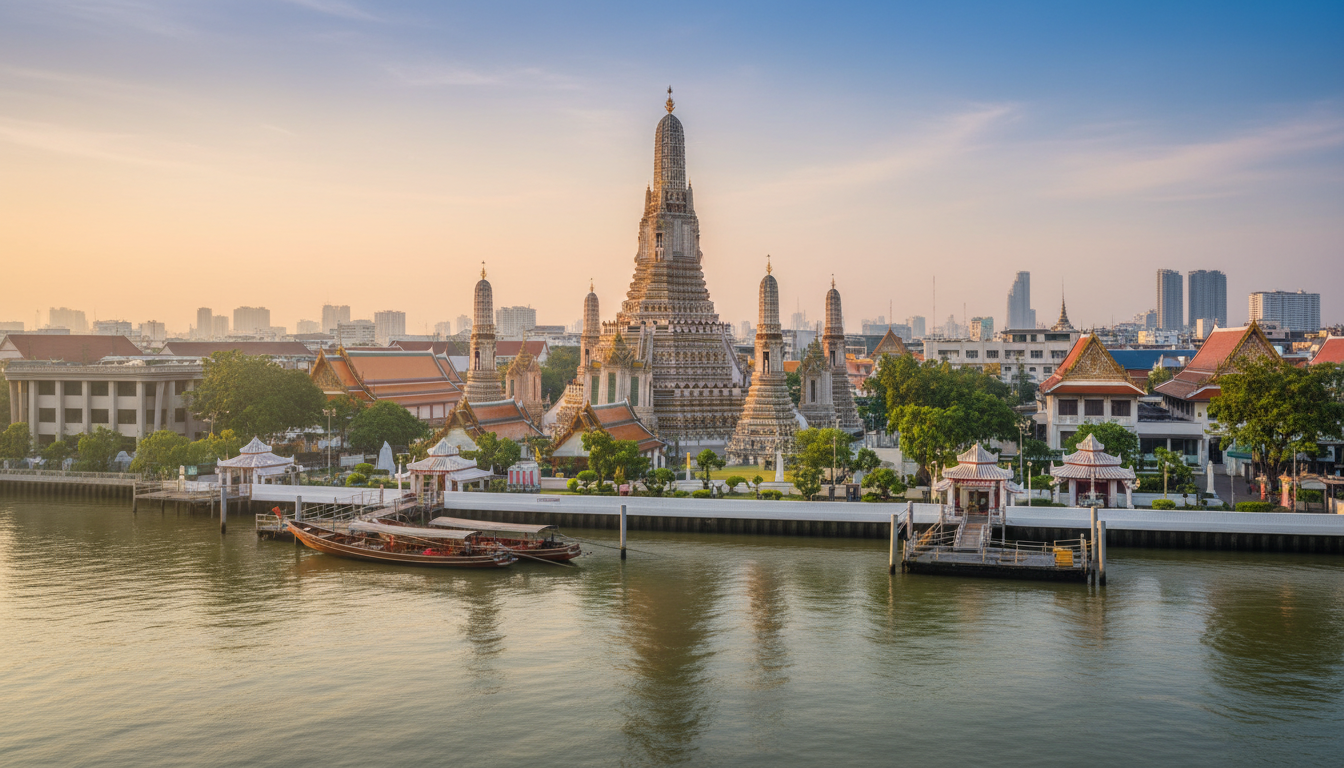
Home Exchange in Bangkok: The Complete First-Timer's Guide to Thailand's Capital
Discover how home exchange in Bangkok lets you experience Thailand's capital like a local—from Sukhumvit condos to Thonglor townhouses—while saving thousands on accommodation.

Home Exchange in Rome: The Complete Guide for First-Time Visitors
Everything first-time visitors need to know about home exchange in Rome—from the best neighborhoods to insider tips that'll make you feel like a local.

Bali Home Swap Guide: Everything You Need to Know Before Your First Exchange
Planning a Bali home swap? This complete guide covers neighborhoods, costs, timing, and insider tips to help you exchange your way to an unforgettable Indonesian adventure.
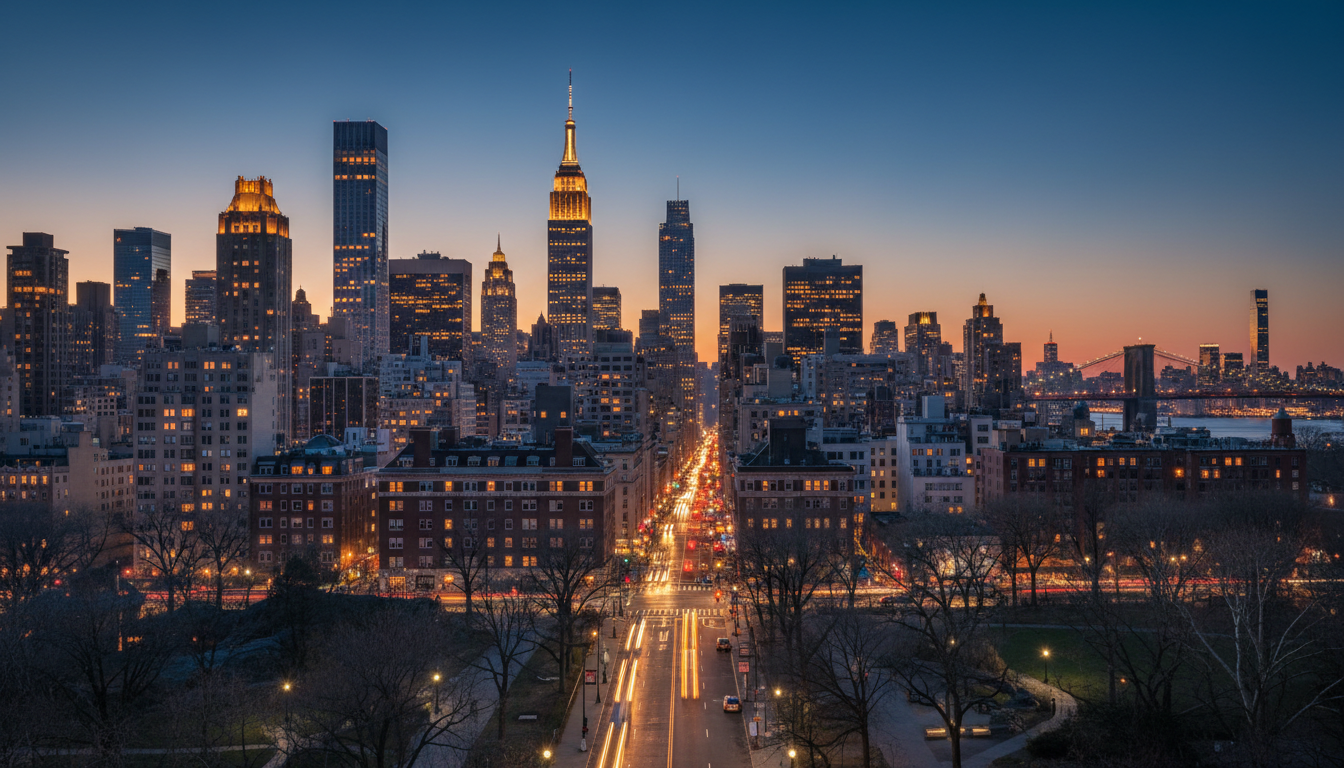
Home Exchange in New York: The Complete First-Timer's Guide to NYC Swaps
Planning a home exchange in New York? This guide covers neighborhoods, costs, timing, and insider tips for your first NYC home swap experience.

Home Swap in San Diego: Your Complete Guide to Neighborhoods, Tips, and Local Secrets
Discover the best San Diego neighborhoods for home swapping, insider tips from a local expert, and secrets to finding your perfect beach-side exchange.
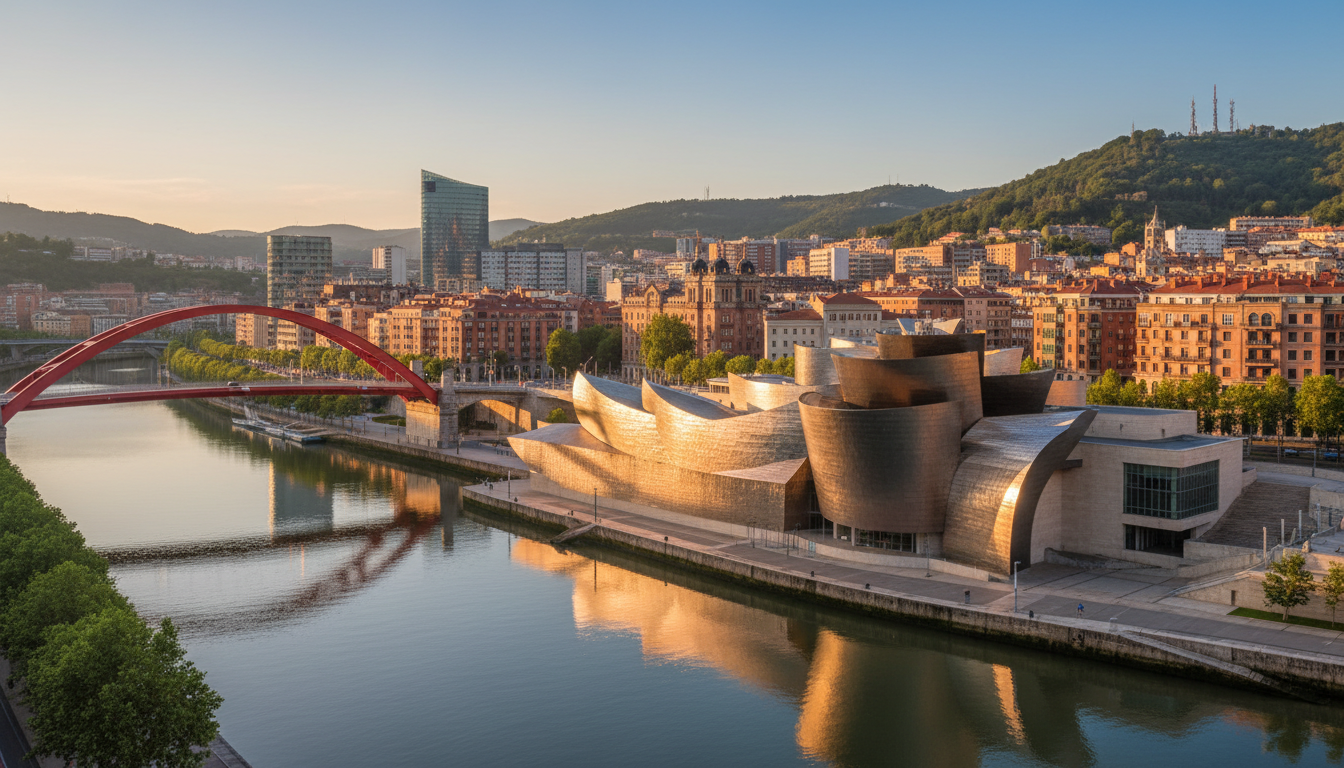
Bilbao Home Swap Guide: Your Complete Blueprint for Spain's Most Underrated City
Everything you need to know about home swapping in Bilbao—from the best neighborhoods and local secrets to practical tips that'll save you hundreds.
Frequently asked questions
How does home exchange on SwappaHome work?
You list your home, then swap into work-ready places worldwide. Hosting earns 1 credit per night; spending a credit books 1 night anywhere in the network. No money changes hands between members. Join with LinkedIn — that's how we know you're a real person.
Is it safe to swap homes with strangers?
Everyone joins with LinkedIn, so you meet people with real names and professional profiles — not anonymous accounts. All conversations stay inside SwappaHome. Homes are reviewed before they go live, and after each stay guests and hosts leave mutual reviews. For extra peace of mind, we recommend a video call before you confirm a swap.
Do I need to swap directly with the same person?
No. SwappaHome uses a credit system, not direct 1-to-1 swaps. You can host a family from Berlin and use the credits you earn to stay with a completely different host in Tokyo six months later. It makes travel dates, destinations and group sizes much easier to match.
Can I join if I don't own a home?
Yes — you can earn credits by hosting in a spare room, a long-term rental (if your lease allows guests) or by gifting/receiving credits from other members. You can also buy a starter pack if you want to travel before you host. Listing your primary home is the most common path, but it's not the only one.
How walkable are South Korean cities for travellers who want to explore on foot?
South Korean cities blend exceptional walkability with strategic transit use. Historic districts like Seoul's Bukchon or Jeonju's hanok quarter are best explored on foot, with pedestrian-friendly lanes and minimal car traffic. Modern districts feature covered walkways and underground shopping passages that connect subway exits to major buildings—crucial during summer humidity or winter cold. Most cities reserve car-dominated zones for industrial areas, while residential and commercial neighbourhoods prioritize pedestrians. Download Naver Map rather than Google; it shows walking routes through building complexes and accurate pedestrian crossing times.