For Digital Nomads Home Exchange in South Korea
Reliable WiFi, proper desks, and walkable neighbourhoods.
No listings matched yet in South Korea — be the first host
Seoul's neon-lit cafes stay open past midnight, Busan's beachside coworking spaces hum with laptops and espresso machines, and fiber-optic internet faster than most Western capitals runs through even the smallest provincial towns. South Korea has quietly become one of Asia's most seamless destinations for remote workers: convenience stores double as 24-hour offices with printing and decent coffee, public transit connects every corner with punctual efficiency, and the won stretches further than yen or Singapore dollars. Beyond the infrastructure, there's a rhythm here—temple stays for weekend resets, hiking trails that empty your head before Monday calls, night markets that fuel late coding sessions. The homes below put you inside neighbourhoods where life actually happens, not tourist corridors.
Why South Korea works for for digital nomads
Homes, not hotel rooms
Live in a real South Korea home — kitchen, balcony, neighbourhood rhythm — instead of a generic hotel room.
Fair by design
1 credit = 1 night. Every home is worth the same. No bidding, no haggling, no price surges.
Curated for for digital nomads
We prioritise wifi, workspace · apartment, houses — the kind of homes that actually fit the travel style.
Guides for for digital nomads in South Korea

Sydney Home Exchange for Remote Workers: Finding Workspaces That Actually Work
Discover how Sydney home exchange gives remote workers dedicated workspaces, fast NBN internet, and harbour views—without the $300/night hotel price tag.
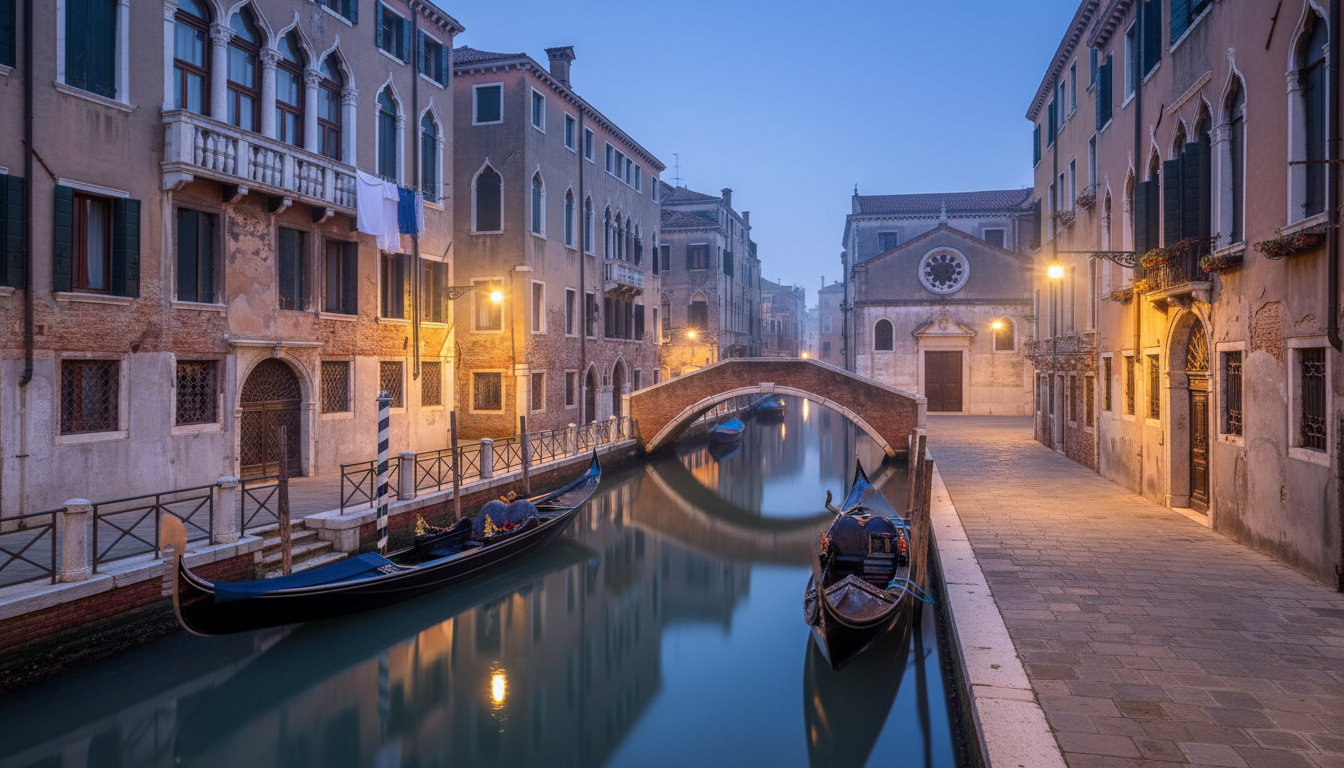
Digital Nomad Home Swap in Venice: Work Remotely from a Floating City
Discover how digital nomads use home swaps to live and work remotely in Venice—real neighborhoods, WiFi realities, and how to avoid tourist-trap pricing.

Home Swaps in Turin: The Remote Worker's Guide to Italy's Hidden Tech Hub
Discover why Turin is becoming the go-to destination for remote workers seeking affordable home swaps in Italy—with fast WiFi, coworking culture, and half the crowds of Milan.
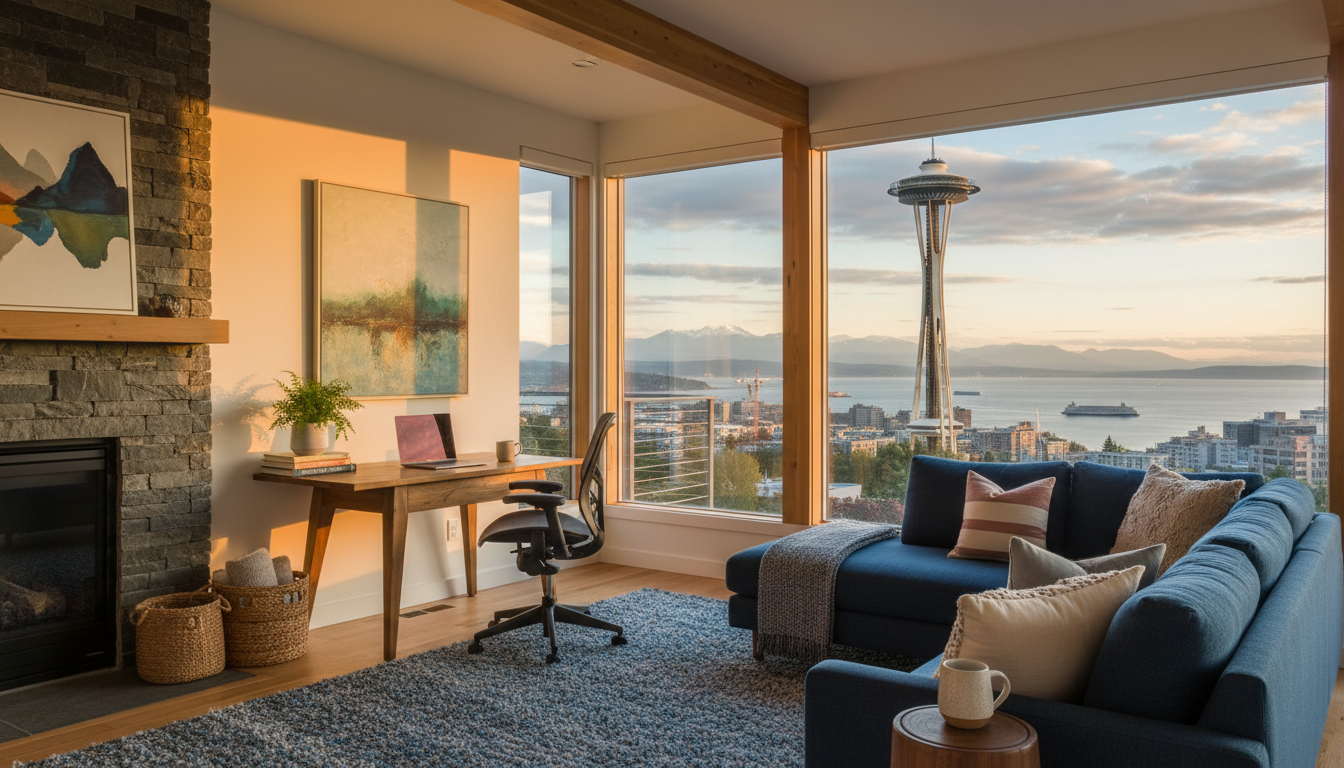
Seattle Home Exchange for Remote Workers: Finding Your Perfect Workspace Away from Home
Discover how to find Seattle home exchanges with dedicated workspaces, fast WiFi, and inspiring views. A remote worker's complete guide to swapping into the Emerald City.

Edinburgh for Remote Workers: Finding Home Exchanges with Perfect Workspaces
Discover why Edinburgh is a remote worker's dream and how home exchange gives you access to proper workspaces, fast WiFi, and local life beyond tourist zones.
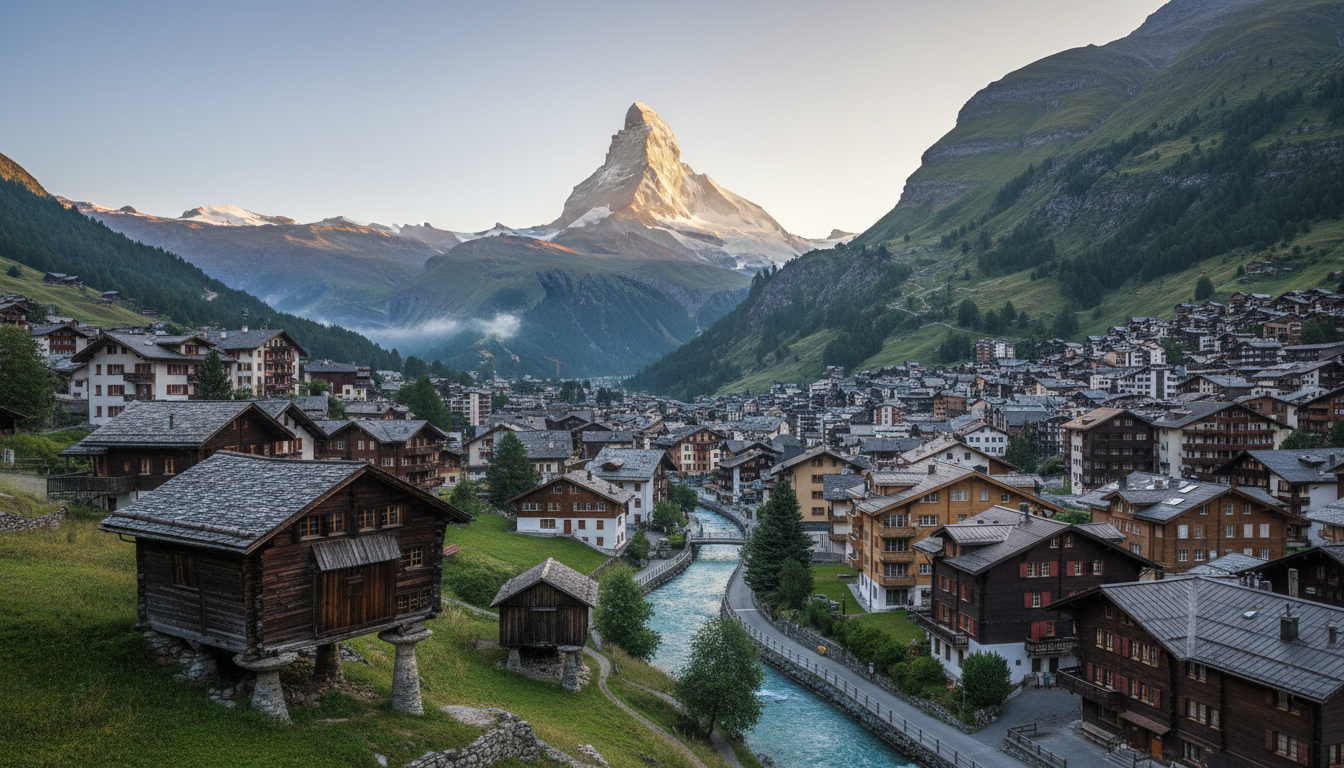
Best Home Swaps in Zermatt for Working Professionals: Your Guide to Remote Work with a Matterhorn View
Discover the best home swaps in Zermatt for remote workers—fast WiFi, stunning alpine views, and neighborhoods perfect for balancing work and ski slopes.
Frequently asked questions
How does home exchange on SwappaHome work?
You list your home, then swap into work-ready places worldwide. Hosting earns 1 credit per night; spending a credit books 1 night anywhere in the network. No money changes hands between members. Join with LinkedIn — that's how we know you're a real person.
Is it safe to swap homes with strangers?
Everyone joins with LinkedIn, so you meet people with real names and professional profiles — not anonymous accounts. All conversations stay inside SwappaHome. Homes are reviewed before they go live, and after each stay guests and hosts leave mutual reviews. For extra peace of mind, we recommend a video call before you confirm a swap.
Do I need to swap directly with the same person?
No. SwappaHome uses a credit system, not direct 1-to-1 swaps. You can host a family from Berlin and use the credits you earn to stay with a completely different host in Tokyo six months later. It makes travel dates, destinations and group sizes much easier to match.
Can I join if I don't own a home?
Yes — you can earn credits by hosting in a spare room, a long-term rental (if your lease allows guests) or by gifting/receiving credits from other members. You can also buy a starter pack if you want to travel before you host. Listing your primary home is the most common path, but it's not the only one.
What's the digital nomad infrastructure actually like outside Seoul?
Busan, Jeju City, and even mid-sized spots like Gwangju offer reliable gigabit internet, co-working spaces with day passes, and cafe cultures that welcome laptop setups for hours. Korea's backbone infrastructure means you'll rarely hunt for connectivity. Smaller cities tend to be quieter, cheaper, and still walkable or bikeable, with convenience stores stocking everything from SIM cards to instant meals. English signage varies, but translation apps and the prevalence of digital menus make daily life manageable. Many nomads find the blend of urban efficiency and mountain proximity outside the capital less overwhelming than Seoul's pace.