Market & Trends Home Exchange in Indonesia
How home exchange compares to the alternatives.
No listings matched yet in Indonesia — be the first host
Indonesia presents a fascinating study in contrasts for market researchers and business analysts. Jakarta's sprawling commercial districts reveal Southeast Asia's fastest-growing consumer markets, while Bali's Canggu and Ubud neighborhoods showcase the digital economy's impact on traditional communities. The archipelago's 17,000 islands create distinct regional markets—from Surabaya's manufacturing corridors to Medan's agricultural trade networks. Staying in residential neighborhoods rather than business hotels offers unfiltered access to local commerce patterns, family spending habits, and the informal economy that still drives much of Indonesian daily life.
Why Indonesia works for market & trends
Homes, not hotel rooms
Live in a real Indonesia home — kitchen, balcony, neighbourhood rhythm — instead of a generic hotel room.
Fair by design
1 credit = 1 night. Every home is worth the same. No bidding, no haggling, no price surges.
Curated for market & trends
The page is tuned to show homes that genuinely fit this travel style.
Guides for market & trends in Indonesia

Home Swap Demand in Bali: What Hosts and Guests Need to Know in 2026
Bali home swap demand is surging. Here's the real breakdown of what hosts offer, what guests want, and how to navigate the island's unique exchange market.

Vienna Home Exchange: 2026 Market Trends and Opportunities for Smart Travelers
Discover Vienna home exchange trends for 2026—from Innere Stadt apartments to emerging districts. Real data on savings, timing, and how to land the best swaps.

Is Rome Good for Home Swapping? An Honest Analysis for 2026
Discover if Rome is worth it for home swapping in 2026. Real neighborhood tips, cost breakdowns, and honest advice from the SwappaHome community.
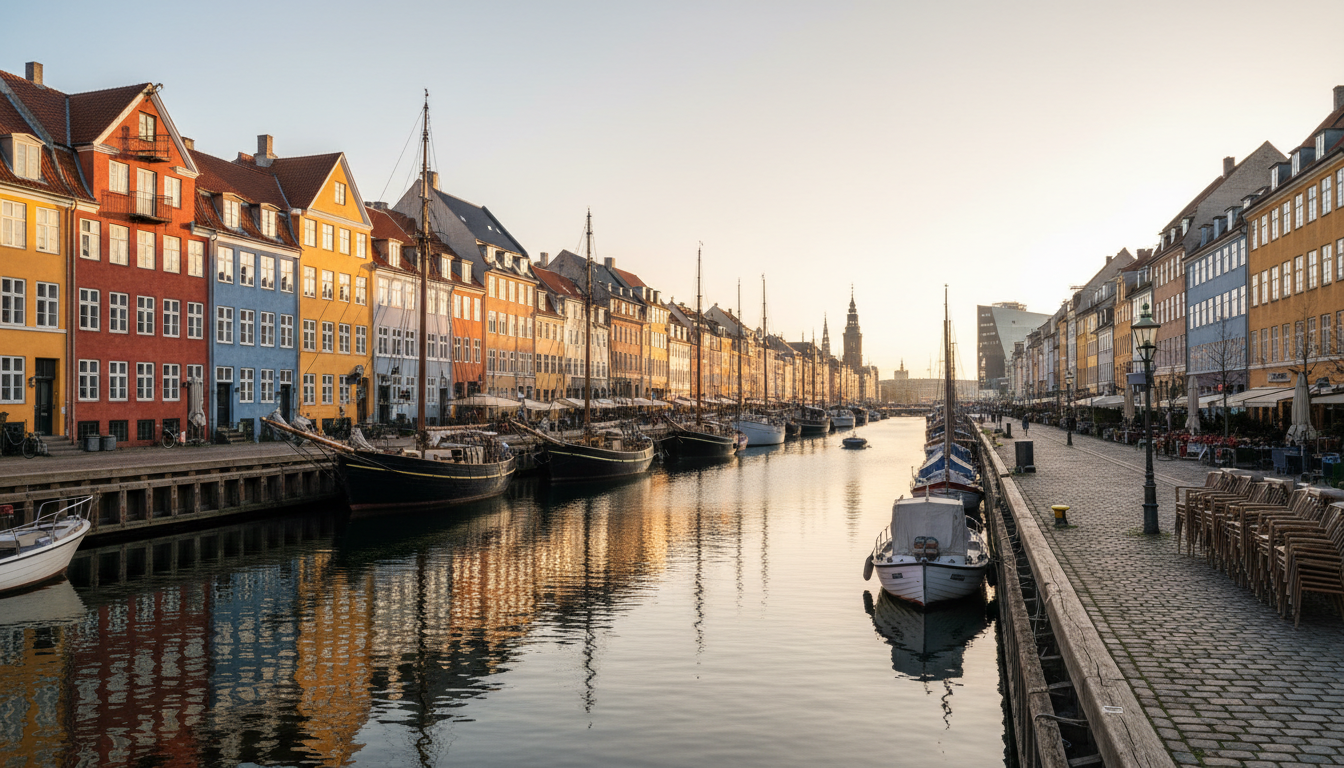
Copenhagen Home Exchange: 2026 Market Trends, Neighborhoods, and Booking Strategies
Copenhagen home exchange demand jumped 47% in 2025. Discover which neighborhoods swap fastest, when to list, and how to stand out in Denmark's hottest market.

Rome Home Exchange: 2026 Market Trends, Neighborhoods, and How to Score the Best Swaps
Rome home exchange demand jumped 47% in 2025. Here's where to find swaps in Trastevere, Testaccio, and beyond—plus what Roman hosts actually want.

Lyon Home Exchange: Your Complete Guide to France's Hidden Gem for Home Swapping
Discover why Lyon home exchange is booming among savvy travelers. From Croix-Rousse to Presqu'île, find the best neighborhoods and insider tips for your swap.
Frequently asked questions
How does home exchange on SwappaHome work?
You list your home, then swap into work-ready places worldwide. Hosting earns 1 credit per night; spending a credit books 1 night anywhere in the network. No money changes hands between members. Join with LinkedIn — that's how we know you're a real person.
Is it safe to swap homes with strangers?
Everyone joins with LinkedIn, so you meet people with real names and professional profiles — not anonymous accounts. All conversations stay inside SwappaHome. Homes are reviewed before they go live, and after each stay guests and hosts leave mutual reviews. For extra peace of mind, we recommend a video call before you confirm a swap.
Do I need to swap directly with the same person?
No. SwappaHome uses a credit system, not direct 1-to-1 swaps. You can host a family from Berlin and use the credits you earn to stay with a completely different host in Tokyo six months later. It makes travel dates, destinations and group sizes much easier to match.
Can I join if I don't own a home?
Yes — you can earn credits by hosting in a spare room, a long-term rental (if your lease allows guests) or by gifting/receiving credits from other members. You can also buy a starter pack if you want to travel before you host. Listing your primary home is the most common path, but it's not the only one.
What makes Indonesia valuable for market analysis and consumer research?
Indonesia's 270+ million population represents the world's fourth-largest consumer market, with a rapidly expanding middle class and mobile-first digital adoption rates that outpace infrastructure development. The country offers live case studies in leapfrog technology, informal retail ecosystems, and multi-generational household purchasing decisions. Regional variations are extreme—what sells in Java differs vastly from Sulawesi—making ground-level observation essential. Markets, warungs, and residential areas reveal consumer behavior that surveys often miss, particularly around brand loyalty, price sensitivity, and the blend of traditional and modern commerce.