Practical Tips Home Exchange in Croatia
Everything you need to know for a smooth exchange.
1 matching home in Croatia
Croatia rewards the prepared traveller. Cash still matters in smaller coastal towns and island villages, even though cards work fine in Split and Dubrovnik. Public ferries run on fixed schedules — miss the last boat to Vis or Korčula and you're spending an unplanned night on the mainland. Summer brings fierce sun and crowds; shoulder seasons offer calmer seas, lower prices, and locals who have time to chat. Learn a few phrases in Croatian — hvala and dobar dan open doors — and always ask before photographing someone's stone cottage or fishing net. The Adriatic looks gentle, but sea urchins hide on rocky shores. Pack water shoes, a reusable bottle, and patience for island time.
Why Croatia works for practical tips
Homes, not hotel rooms
Live in a real Croatia home — kitchen, balcony, neighbourhood rhythm — instead of a generic hotel room.
Fair by design
1 credit = 1 night. Every home is worth the same. No bidding, no haggling, no price surges.
Curated for practical tips
The page is tuned to show homes that genuinely fit this travel style.
Matching homes in Croatia
Guides for practical tips in Croatia
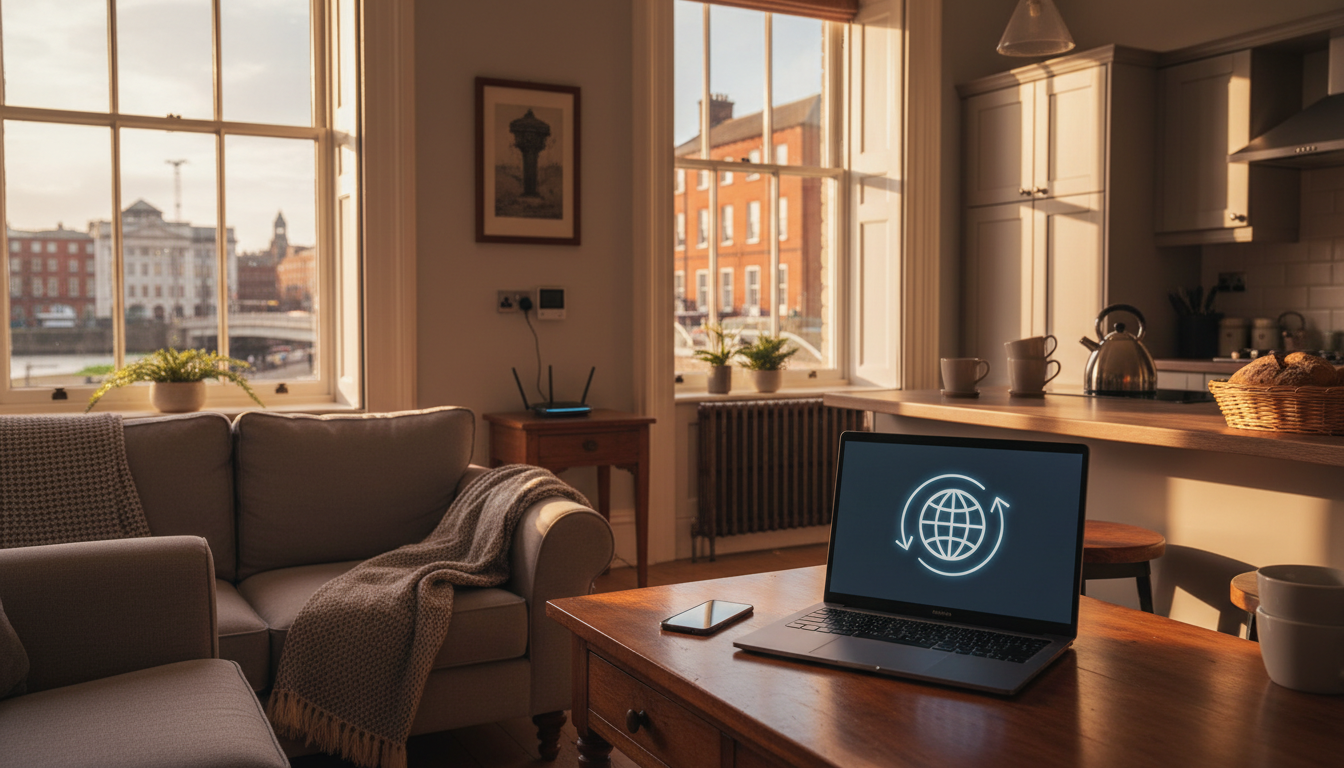
Dublin Home Exchange Utilities Guide: WiFi, Heating & Everything Your Guests Need
Master Dublin home exchange utilities—from dodgy WiFi fixes to heating quirks. Practical tips from 7 years of swapping homes across Ireland.

San Francisco Home Exchange Guide: Utilities, WiFi & Essentials for Your Stay
Everything you need to know about utilities, WiFi, and daily essentials when doing a home exchange in San Francisco—from a local who's hosted 40+ swaps.
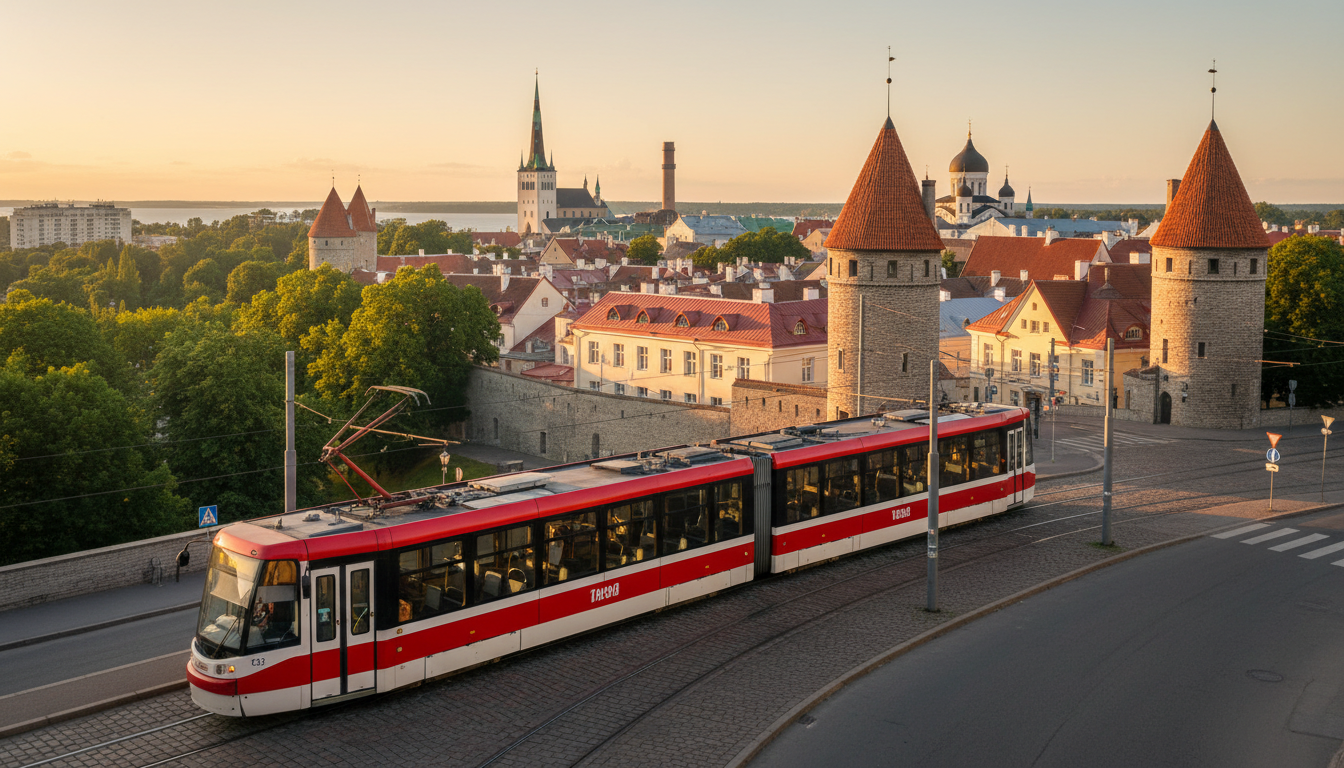
Getting Around Tallinn: Complete Transport Guide for Home Swap Travelers
Master Tallinn transport like a local during your home swap. From free public transit tricks to hidden bike routes, here's everything you need to know.
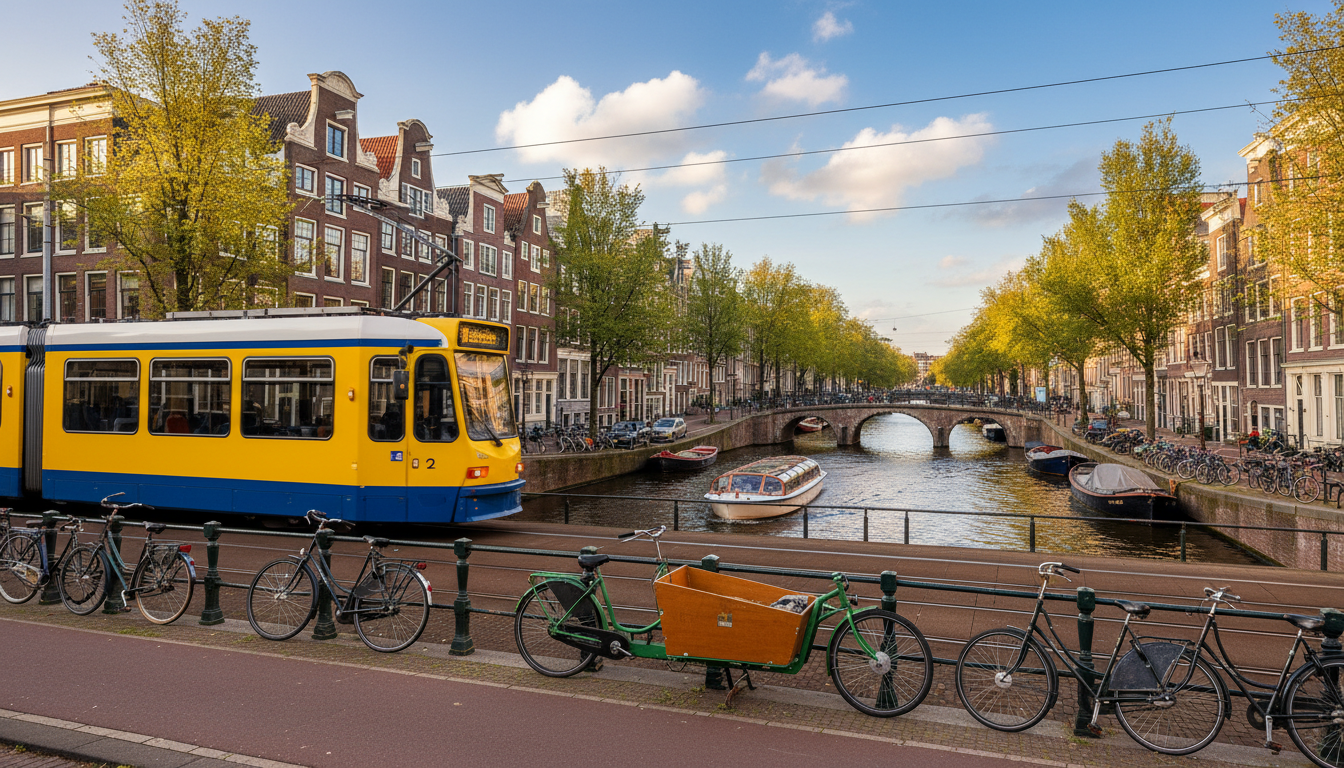
Amsterdam Transport Guide: How to Get Around During Your Home Swap
Master Amsterdam transport during your home swap—from bikes to trams, ferries to walking routes. Local tips for navigating the city like a Dutch local.
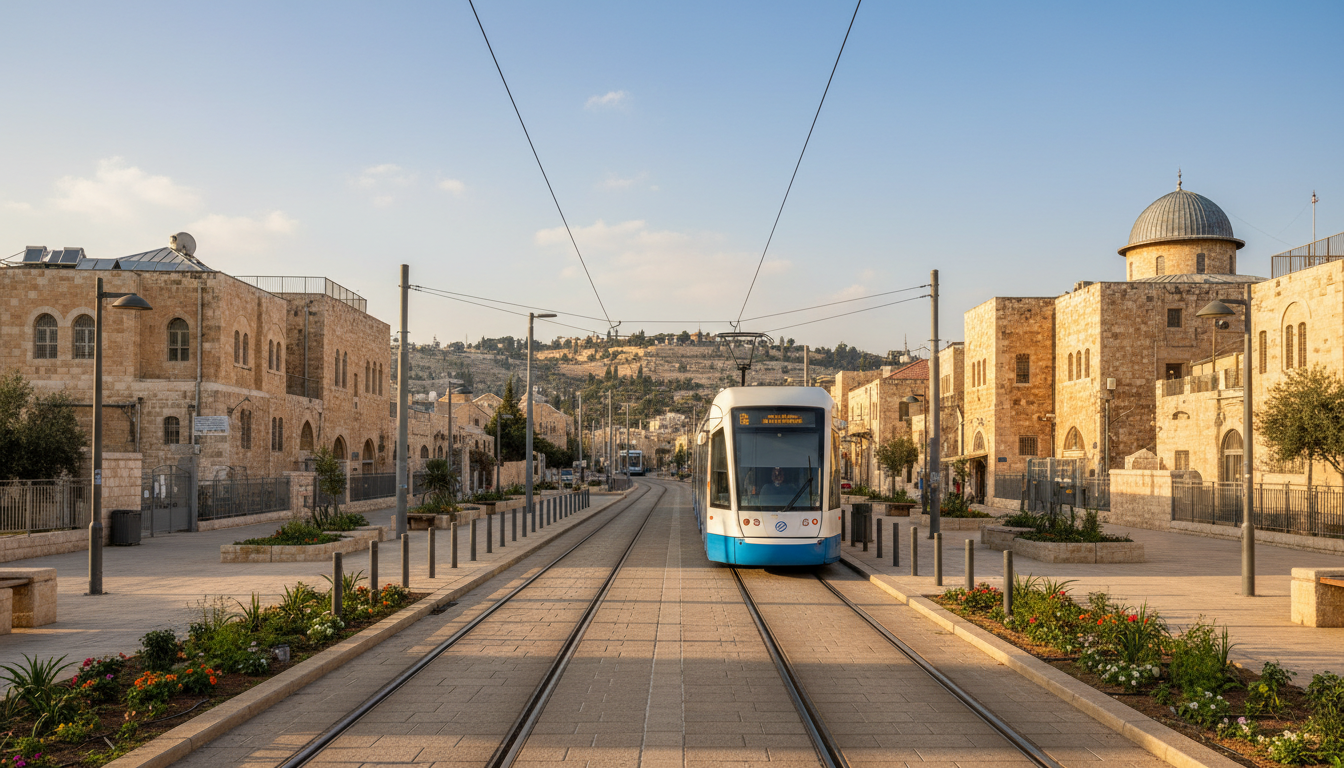
Jerusalem Transport Guide: How to Get Around During Your Home Swap
Master Jerusalem transport like a local during your home swap. From light rail secrets to sherut tips, here's everything you need to navigate the Holy City.
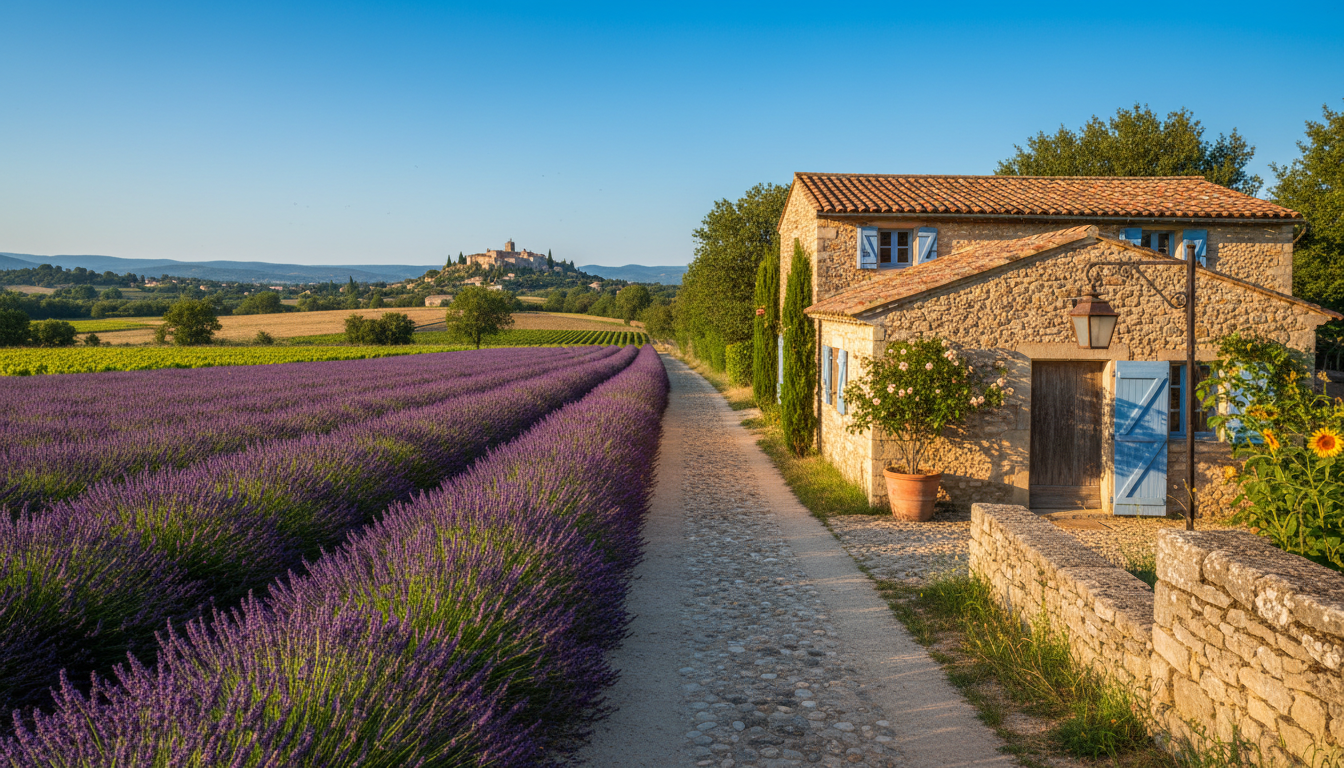
Home Exchange in Provence: Your Complete Guide to Utilities, WiFi, and Essentials
Everything you need to know about managing utilities, WiFi, and daily essentials during your Provence home exchange—from electricity quirks to finding the best boulangerie.
Frequently asked questions
How does home exchange on SwappaHome work?
You list your home, then swap into work-ready places worldwide. Hosting earns 1 credit per night; spending a credit books 1 night anywhere in the network. No money changes hands between members. Join with LinkedIn — that's how we know you're a real person.
Is it safe to swap homes with strangers?
Everyone joins with LinkedIn, so you meet people with real names and professional profiles — not anonymous accounts. All conversations stay inside SwappaHome. Homes are reviewed before they go live, and after each stay guests and hosts leave mutual reviews. For extra peace of mind, we recommend a video call before you confirm a swap.
Do I need to swap directly with the same person?
No. SwappaHome uses a credit system, not direct 1-to-1 swaps. You can host a family from Berlin and use the credits you earn to stay with a completely different host in Tokyo six months later. It makes travel dates, destinations and group sizes much easier to match.
Can I join if I don't own a home?
Yes — you can earn credits by hosting in a spare room, a long-term rental (if your lease allows guests) or by gifting/receiving credits from other members. You can also buy a starter pack if you want to travel before you host. Listing your primary home is the most common path, but it's not the only one.
How many homes are available for exchange in Croatia?
Right now there are 1 verified home available for exchange in Croatia. The list you see on this page is pulled live, so it stays in sync as new members join the community.
What kind of homes can I expect to find in Croatia?
The current Croatia catalog includes apartment. You can filter by property type, number of bedrooms and amenities directly on the listings page — and because this information comes straight from the database, it reflects what's actually available today, not a generic description.
What should I know about getting around Croatia's islands and coastal towns?
Ferry schedules dictate island life. Jadrolinija runs the main routes, but frequencies drop outside July and August. Book car ferries ahead in peak season — they fill fast. Coastal roads are stunning but narrow, with tight village corners and summer traffic. Parking in old towns like Rovinj or Hvar is scarce; arrive early or use park-and-walk lots. Buses connect major cities reliably, but rural routes thin out on weekends. Renting a scooter works well on smaller islands, though helmets are required and gravel paths can be tricky.