Practical Tips Home Exchange in South Africa
Everything you need to know for a smooth exchange.
No listings matched yet in South Africa — be the first host
South Africa rewards preparation. The country spans dramatic climate zones—pack layers for Cape Town's wind, sun cream for Durban's humidity, and warm gear if you're chasing winter wildlife in Kruger. Load-shedding (scheduled power cuts) still happens, so confirm backup power arrangements and download offline maps. Driving is on the left; roads between cities are excellent, but rural routes need attention. Cash still matters in smaller towns, though cards work everywhere urban. Tap water is safe in major metros. Most importantly, South Africans are direct and helpful—ask locals for current advice on neighbourhoods, timings, and hidden gems. A little Afrikaans or Zulu goes a long way.
Why South Africa works for practical tips
Homes, not hotel rooms
Live in a real South Africa home — kitchen, balcony, neighbourhood rhythm — instead of a generic hotel room.
Fair by design
1 credit = 1 night. Every home is worth the same. No bidding, no haggling, no price surges.
Curated for practical tips
The page is tuned to show homes that genuinely fit this travel style.
Guides for practical tips in South Africa
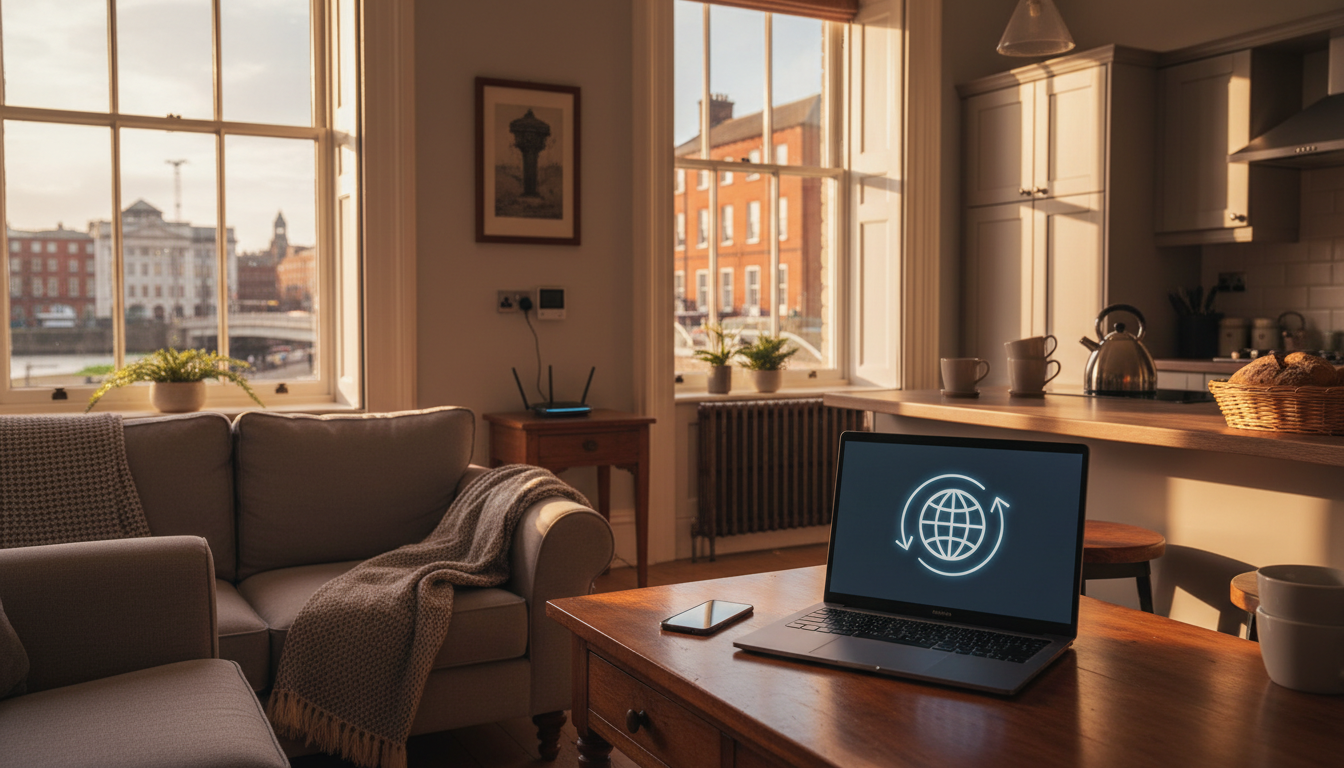
Dublin Home Exchange Utilities Guide: WiFi, Heating & Everything Your Guests Need
Master Dublin home exchange utilities—from dodgy WiFi fixes to heating quirks. Practical tips from 7 years of swapping homes across Ireland.

San Francisco Home Exchange Guide: Utilities, WiFi & Essentials for Your Stay
Everything you need to know about utilities, WiFi, and daily essentials when doing a home exchange in San Francisco—from a local who's hosted 40+ swaps.
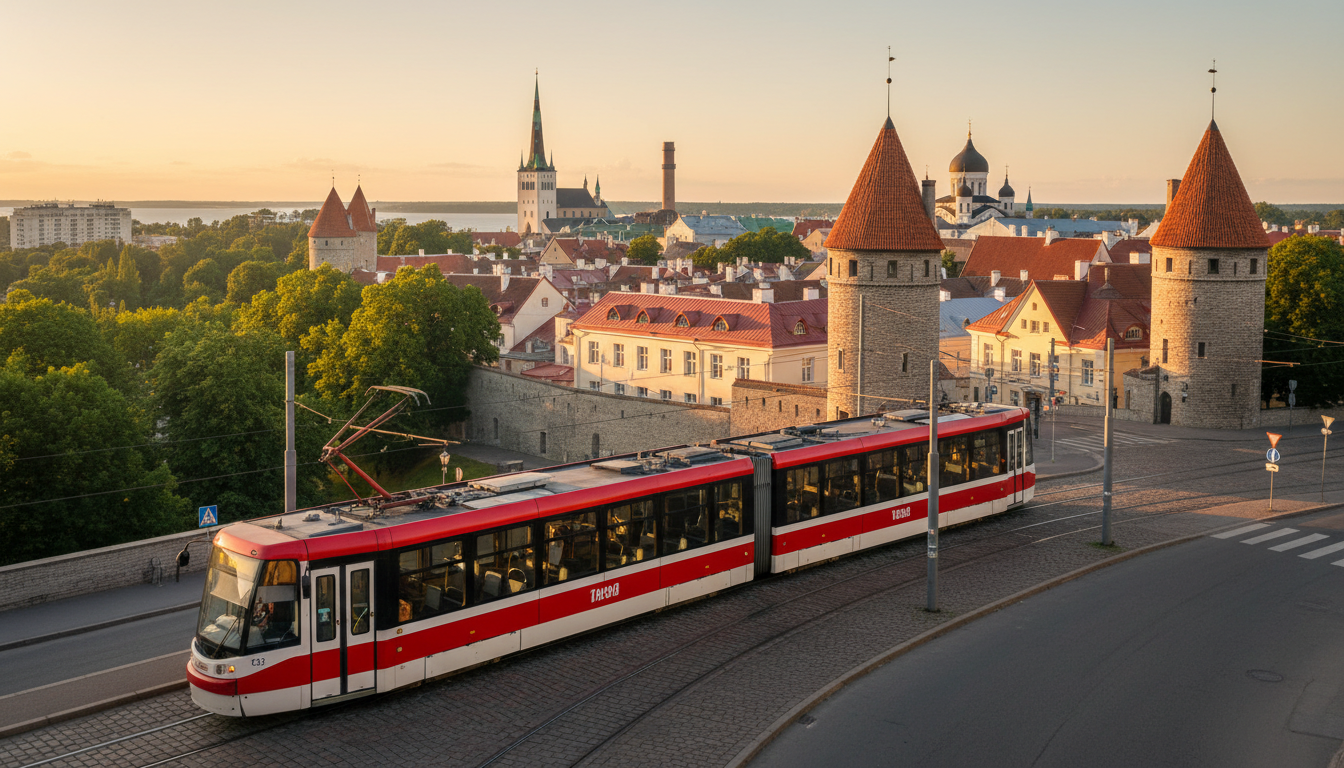
Getting Around Tallinn: Complete Transport Guide for Home Swap Travelers
Master Tallinn transport like a local during your home swap. From free public transit tricks to hidden bike routes, here's everything you need to know.
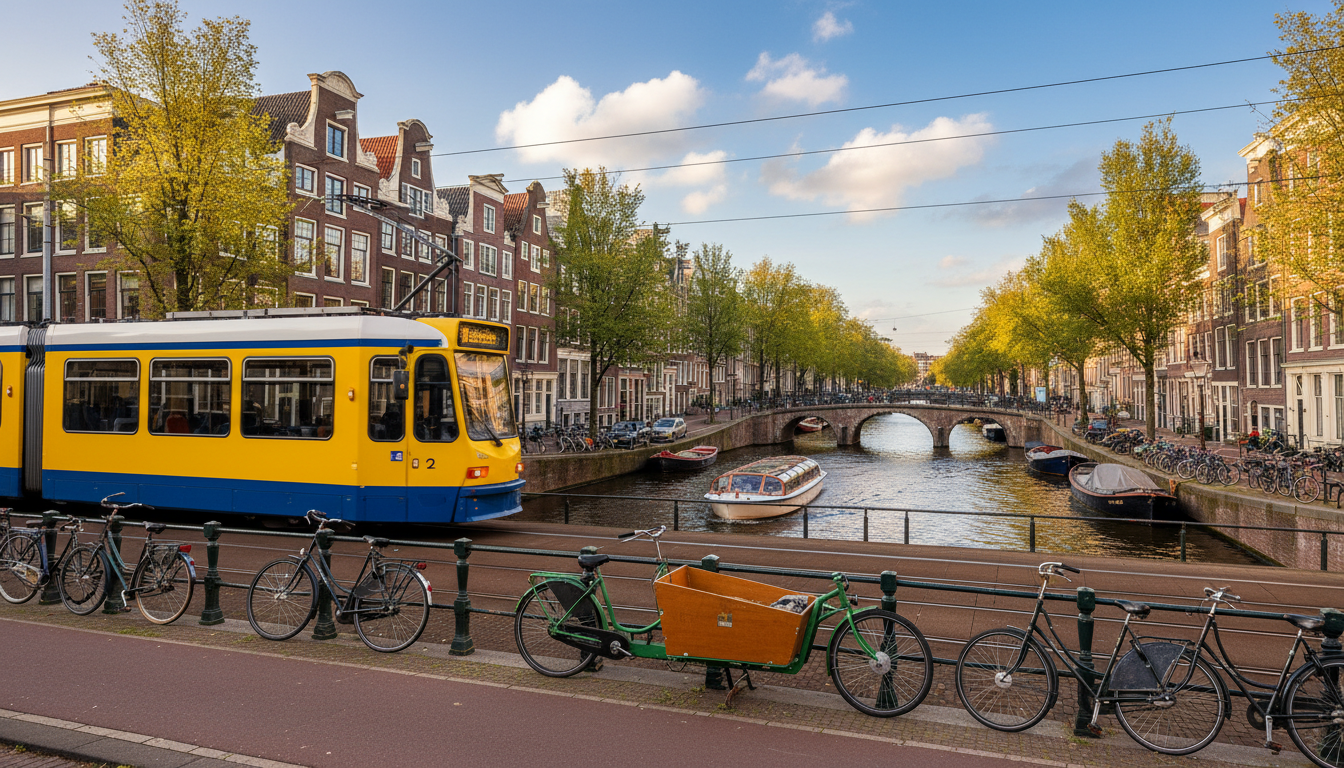
Amsterdam Transport Guide: How to Get Around During Your Home Swap
Master Amsterdam transport during your home swap—from bikes to trams, ferries to walking routes. Local tips for navigating the city like a Dutch local.

Jerusalem Transport Guide: How to Get Around During Your Home Swap
Master Jerusalem transport like a local during your home swap. From light rail secrets to sherut tips, here's everything you need to navigate the Holy City.

Home Exchange in Provence: Your Complete Guide to Utilities, WiFi, and Essentials
Everything you need to know about managing utilities, WiFi, and daily essentials during your Provence home exchange—from electricity quirks to finding the best boulangerie.
Frequently asked questions
How does home exchange on SwappaHome work?
You list your home, then swap into work-ready places worldwide. Hosting earns 1 credit per night; spending a credit books 1 night anywhere in the network. No money changes hands between members. Join with LinkedIn — that's how we know you're a real person.
Is it safe to swap homes with strangers?
Everyone joins with LinkedIn, so you meet people with real names and professional profiles — not anonymous accounts. All conversations stay inside SwappaHome. Homes are reviewed before they go live, and after each stay guests and hosts leave mutual reviews. For extra peace of mind, we recommend a video call before you confirm a swap.
Do I need to swap directly with the same person?
No. SwappaHome uses a credit system, not direct 1-to-1 swaps. You can host a family from Berlin and use the credits you earn to stay with a completely different host in Tokyo six months later. It makes travel dates, destinations and group sizes much easier to match.
Can I join if I don't own a home?
Yes — you can earn credits by hosting in a spare room, a long-term rental (if your lease allows guests) or by gifting/receiving credits from other members. You can also buy a starter pack if you want to travel before you host. Listing your primary home is the most common path, but it's not the only one.
What practical essentials should I know before staying in a South African home?
Check if the home has load-shedding backup (inverter or generator) and ask for the current schedule via the EskomSePush app. Confirm security features—most homes have alarms, gates, or estate access. Water pressure can vary; some areas face occasional restrictions. If you're driving, get an e-toll account for Gauteng highways or use the pay-after option. Keep small cash for tips, parking attendants, and township tours. Woolworths and Pick n Pay are reliable for groceries. Lastly, don't leave valuables visible in cars, even in driveways—it's standard local practice, not paranoia.