For Retirees Home Exchange in Philippines
Comfortable long-stay homes with a relaxed pace.
No listings matched yet in Philippines — be the first host
The Philippines offers retirees a rare blend of unhurried island living, genuine warmth, and affordability that stretches pension income remarkably far. Picture mornings on covered verandas where the tropical breeze arrives before the heat, afternoons exploring Spanish colonial towns with walkable plazas, and evenings among English-speaking communities who gather for potlucks and sunset watching. The slower pace of provincial life—whether in heritage cities like Vigan or coastal towns along Palawan—suits those seeking respite from relentless schedules, while excellent private healthcare in hubs like Manila and Cebu provides reassurance. Here, daily rhythms revolve around fresh markets, afternoon siestas, and neighbourhoods where multi-generational living remains the norm.
Why Philippines works for for retirees
Homes, not hotel rooms
Live in a real Philippines home — kitchen, balcony, neighbourhood rhythm — instead of a generic hotel room.
Fair by design
1 credit = 1 night. Every home is worth the same. No bidding, no haggling, no price surges.
Curated for for retirees
We prioritise heating, air conditioning, wifi · house, apartment, villas — the kind of homes that actually fit the travel style.
Guides for for retirees in Philippines
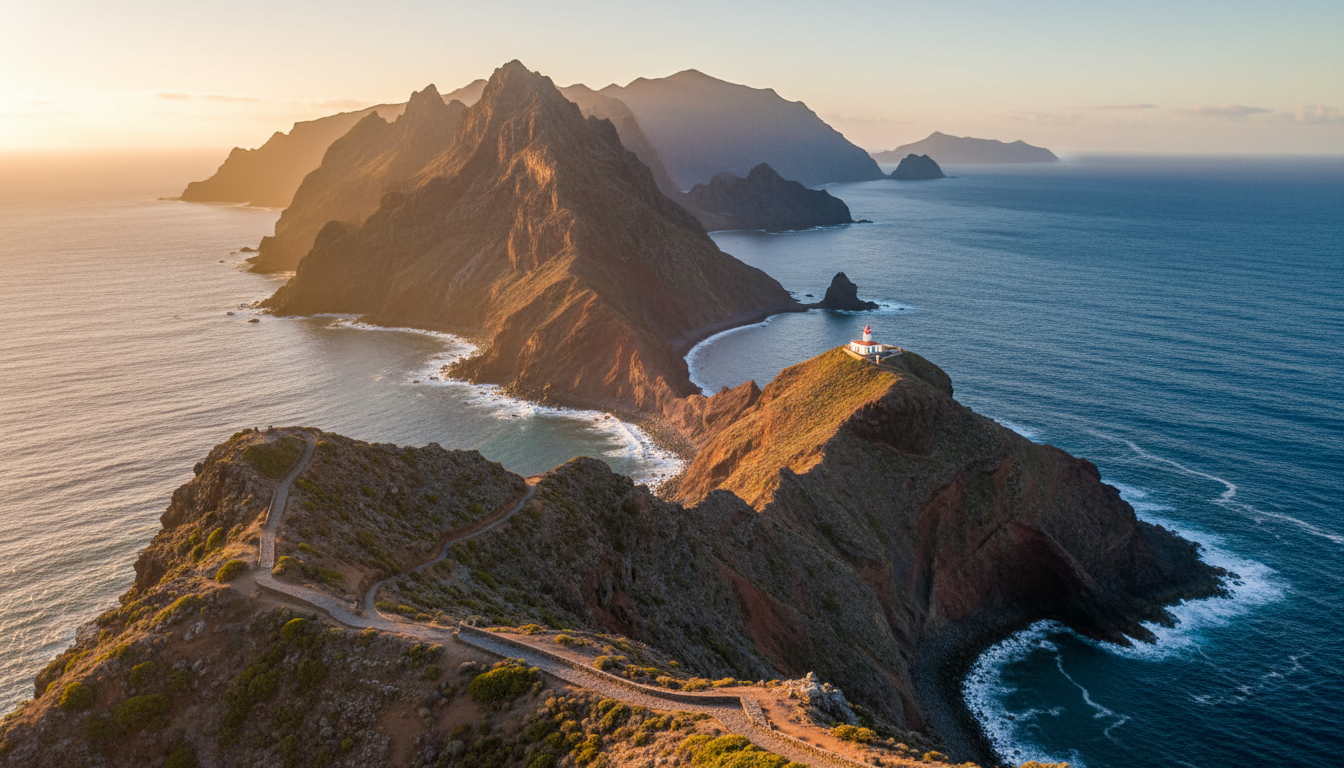
Madeira for Retirees: Your Complete Guide to Relaxed Home Exchange Experiences
Discover why Madeira is perfect for retired home swappers seeking mild weather, affordable living, and authentic Portuguese culture without the crowds.

Nairobi for Retirees: Your Complete Guide to Relaxed Home Exchange Experiences in Kenya
Discover why Nairobi is becoming a top destination for retired home exchangers seeking adventure, comfort, and authentic African experiences at a fraction of hotel costs.

Abu Dhabi for Retirees: Your Complete Guide to Relaxed Home Exchange Experiences
Discover why Abu Dhabi is perfect for retired home swappers seeking warm winters, world-class healthcare, and a pace of life that actually lets you breathe.
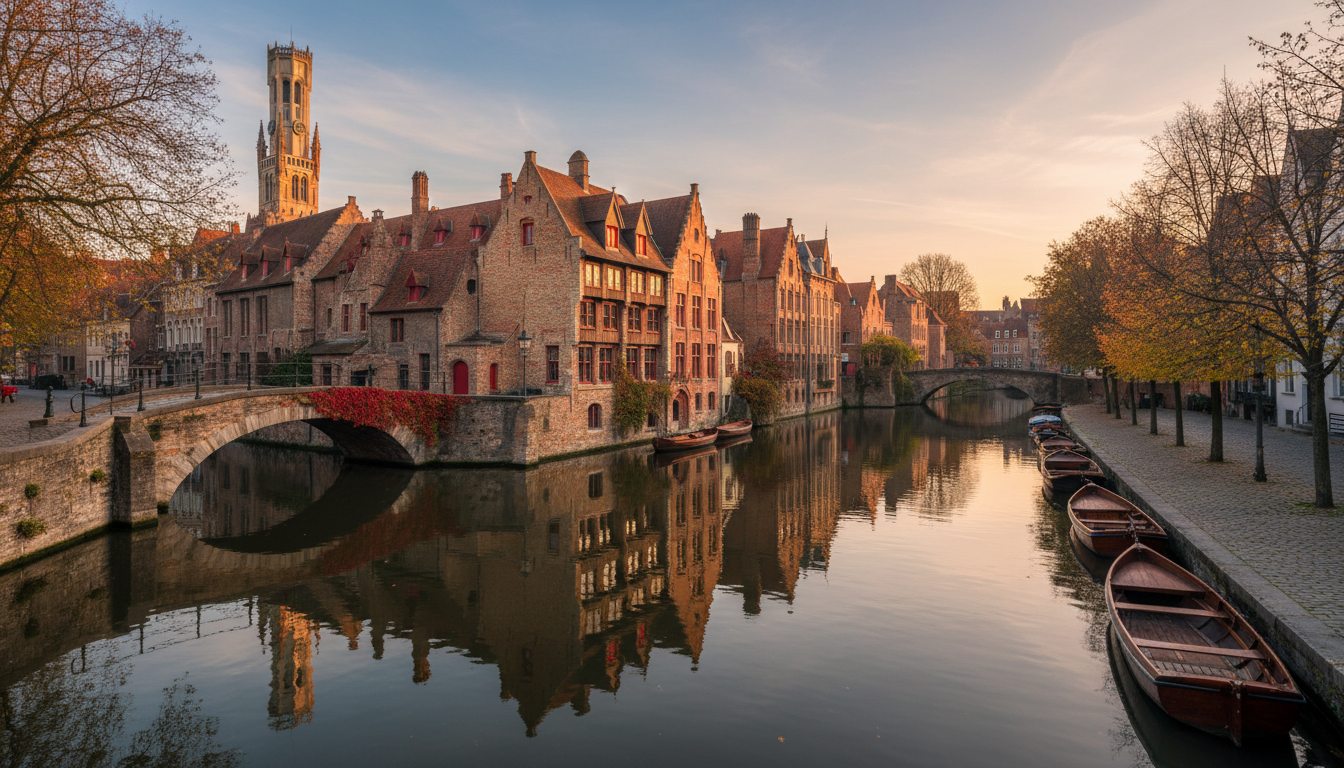
Retirement Travel to Bruges: Why Home Exchange is Perfect for Slow Travel
Discover why retirement travel to Bruges through home exchange offers the ideal slow travel experience—affordable, authentic, and perfectly paced for savoring Belgium's medieval gem.
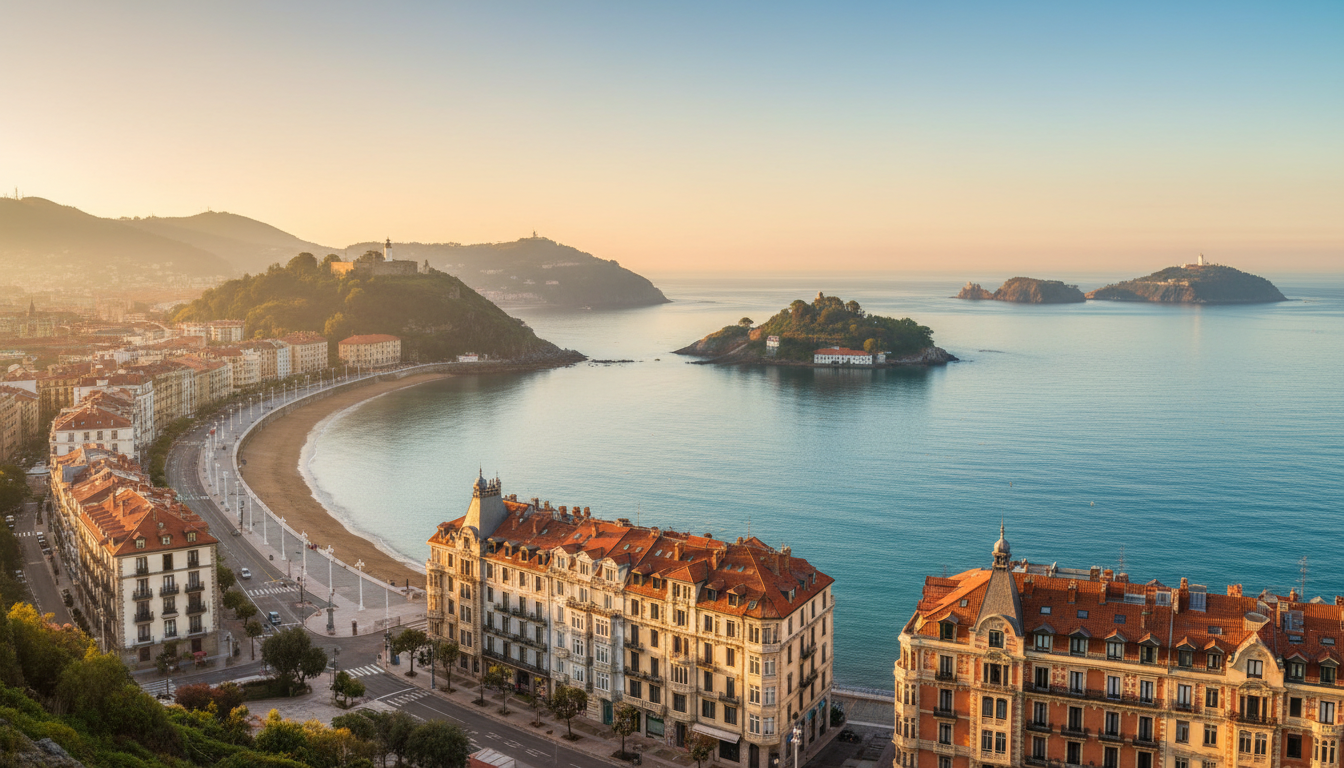
Retirement Travel to San Sebastián: Why Home Exchange is the Perfect Way to Experience Basque Country
Discover why retirement travel to San Sebastián through home exchange offers retirees the authentic Basque experience—world-class pintxos, stunning beaches, and a slower pace of life without hotel costs.
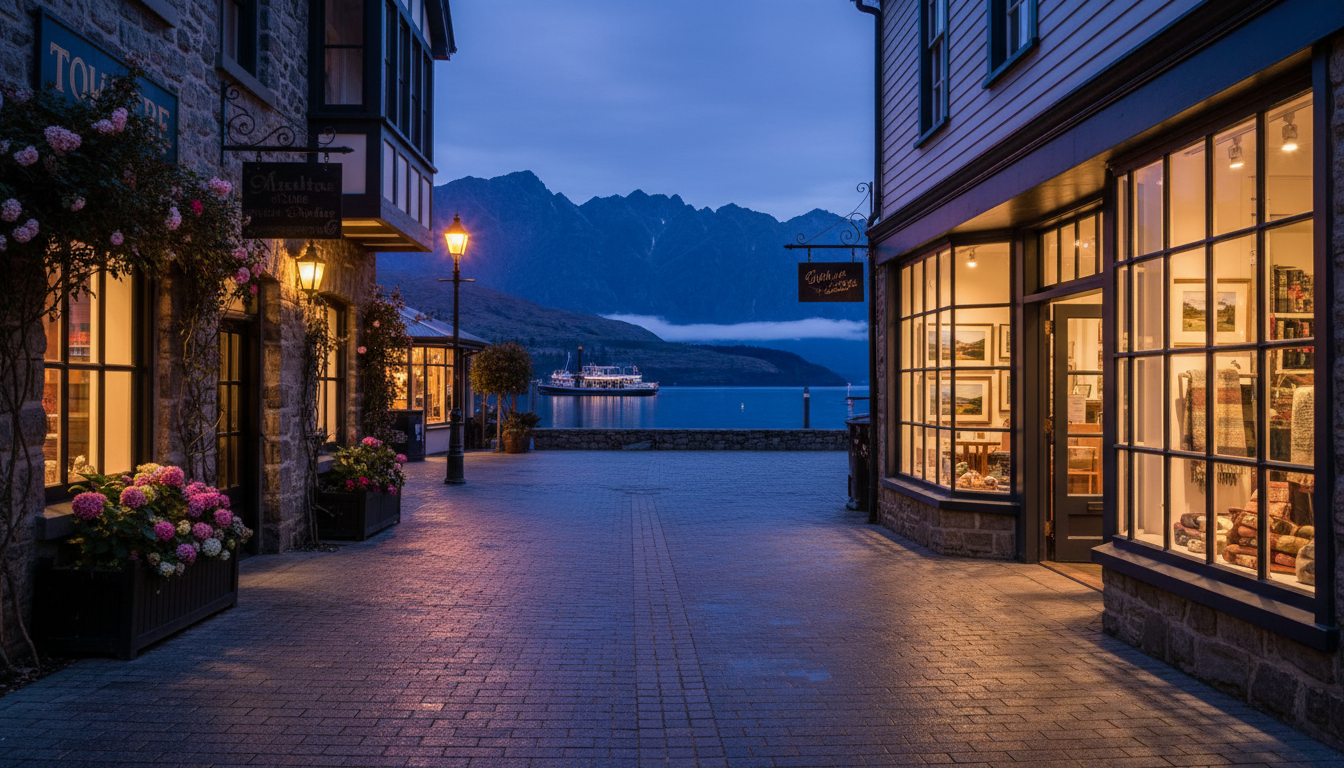
Queenstown for Retirees: Your Complete Guide to Relaxed Home Exchange Experiences
Discover why Queenstown is perfect for retired home swappers seeking adventure at their own pace—from lakeside mornings to vineyard afternoons.
Frequently asked questions
How does home exchange on SwappaHome work?
You list your home, then swap into work-ready places worldwide. Hosting earns 1 credit per night; spending a credit books 1 night anywhere in the network. No money changes hands between members. Join with LinkedIn — that's how we know you're a real person.
Is it safe to swap homes with strangers?
Everyone joins with LinkedIn, so you meet people with real names and professional profiles — not anonymous accounts. All conversations stay inside SwappaHome. Homes are reviewed before they go live, and after each stay guests and hosts leave mutual reviews. For extra peace of mind, we recommend a video call before you confirm a swap.
Do I need to swap directly with the same person?
No. SwappaHome uses a credit system, not direct 1-to-1 swaps. You can host a family from Berlin and use the credits you earn to stay with a completely different host in Tokyo six months later. It makes travel dates, destinations and group sizes much easier to match.
Can I join if I don't own a home?
Yes — you can earn credits by hosting in a spare room, a long-term rental (if your lease allows guests) or by gifting/receiving credits from other members. You can also buy a starter pack if you want to travel before you host. Listing your primary home is the most common path, but it's not the only one.
What should retirees know about daily life and accessibility in the Philippines?
English is widely spoken, making everything from medical appointments to market shopping straightforward. Many towns feature single-storey homes with minimal stairs, and tricycles (motorcycle sidecars) offer affordable door-to-door transport where walking becomes tiring. The tropical climate means year-round warmth, though the rainy season from June to November brings afternoon downpours. Healthcare is excellent in cities, with international-standard hospitals and English-speaking doctors. Filipino culture deeply respects elders, so expect genuine courtesy and patience. Cash remains king outside major centres, and slower internet speeds are common in provincial areas.