Practical Tips Home Exchange in Canada
Everything you need to know for a smooth exchange.
No listings matched yet in Canada — be the first host
Canada rewards the prepared traveller. Distances here are vast — a drive from Toronto to Vancouver spans more than 4,000 kilometres — so understanding regional climate, transport logistics, and seasonal timing transforms your experience. Winter gear isn't optional if you're visiting November through March; even southern cities like Toronto see serious snow. Grocery costs run higher than many expect, especially in remote areas, but farmers' markets and bulk stores offer savvy savings. Cell coverage can disappear quickly outside urban corridors, so offline maps are essential. Tipping culture sits at 15-20% in restaurants, and tax is added at checkout, not displayed on shelf prices.
Why Canada works for practical tips
Homes, not hotel rooms
Live in a real Canada home — kitchen, balcony, neighbourhood rhythm — instead of a generic hotel room.
Fair by design
1 credit = 1 night. Every home is worth the same. No bidding, no haggling, no price surges.
Curated for practical tips
The page is tuned to show homes that genuinely fit this travel style.
Guides for practical tips in Canada
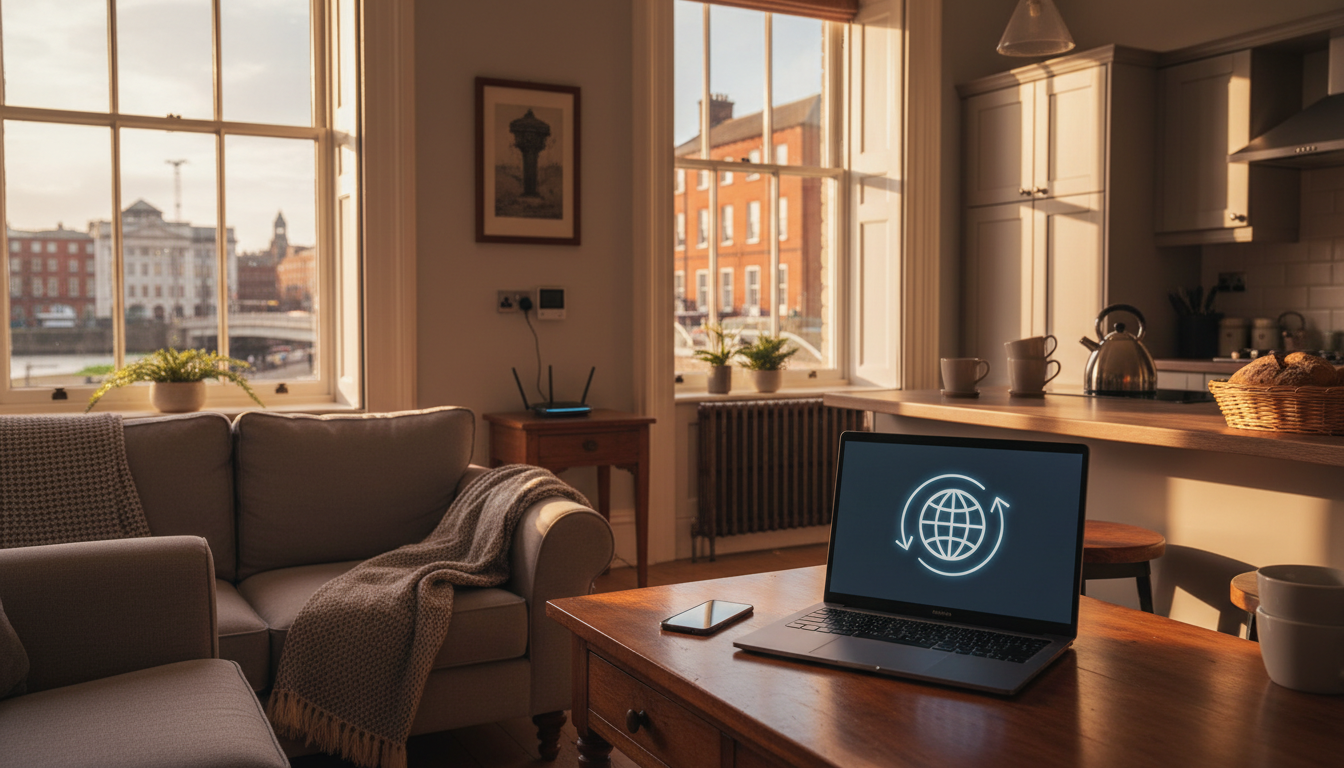
Dublin Home Exchange Utilities Guide: WiFi, Heating & Everything Your Guests Need
Master Dublin home exchange utilities—from dodgy WiFi fixes to heating quirks. Practical tips from 7 years of swapping homes across Ireland.

San Francisco Home Exchange Guide: Utilities, WiFi & Essentials for Your Stay
Everything you need to know about utilities, WiFi, and daily essentials when doing a home exchange in San Francisco—from a local who's hosted 40+ swaps.

Getting Around Tallinn: Complete Transport Guide for Home Swap Travelers
Master Tallinn transport like a local during your home swap. From free public transit tricks to hidden bike routes, here's everything you need to know.

Amsterdam Transport Guide: How to Get Around During Your Home Swap
Master Amsterdam transport during your home swap—from bikes to trams, ferries to walking routes. Local tips for navigating the city like a Dutch local.

Jerusalem Transport Guide: How to Get Around During Your Home Swap
Master Jerusalem transport like a local during your home swap. From light rail secrets to sherut tips, here's everything you need to navigate the Holy City.

Home Exchange in Provence: Your Complete Guide to Utilities, WiFi, and Essentials
Everything you need to know about managing utilities, WiFi, and daily essentials during your Provence home exchange—from electricity quirks to finding the best boulangerie.
Frequently asked questions
How does home exchange on SwappaHome work?
You list your home, then swap into work-ready places worldwide. Hosting earns 1 credit per night; spending a credit books 1 night anywhere in the network. No money changes hands between members. Join with LinkedIn — that's how we know you're a real person.
Is it safe to swap homes with strangers?
Everyone joins with LinkedIn, so you meet people with real names and professional profiles — not anonymous accounts. All conversations stay inside SwappaHome. Homes are reviewed before they go live, and after each stay guests and hosts leave mutual reviews. For extra peace of mind, we recommend a video call before you confirm a swap.
Do I need to swap directly with the same person?
No. SwappaHome uses a credit system, not direct 1-to-1 swaps. You can host a family from Berlin and use the credits you earn to stay with a completely different host in Tokyo six months later. It makes travel dates, destinations and group sizes much easier to match.
Can I join if I don't own a home?
Yes — you can earn credits by hosting in a spare room, a long-term rental (if your lease allows guests) or by gifting/receiving credits from other members. You can also buy a starter pack if you want to travel before you host. Listing your primary home is the most common path, but it's not the only one.
What practical surprises should I prepare for when staying in a Canadian home?
Heating systems vary widely — baseboard electric, forced air, or radiant floor — so ask your exchange partner for a quick walkthrough. Tap water is safe nationwide, but some rural homes use well systems with specific care instructions. Recycling and compost rules differ by province and even by municipality; Toronto has strict multi-stream sorting, while smaller towns keep it simple. If you're driving, winter tires are legally required in Quebec from December to March, and strongly recommended elsewhere. Lastly, many homes have mudrooms or boot trays by the door — Canadians take shoes off indoors year-round.