Practical Tips Home Exchange in Peru
Everything you need to know for a smooth exchange.
No listings matched yet in Peru — be the first host
Peru rewards prepared travellers. The country spans desert coastlines, Andean highlands above 3,000 metres, and humid Amazon basin — each demanding different gear and acclimatisation strategies. Cash remains king outside Lima and Cusco; ATMs in smaller towns often run dry on weekends. Spanish basics unlock everything from negotiating collectivo fares to understanding altitude sickness remedies offered by locals. Tap water isn't drinkable, but bottled agua sin gas is everywhere. Markets operate on morning schedules, and many family-run restaurants close by 4pm outside tourist zones. Understanding these rhythms transforms logistics from obstacles into part of the adventure.
Why Peru works for practical tips
Homes, not hotel rooms
Live in a real Peru home — kitchen, balcony, neighbourhood rhythm — instead of a generic hotel room.
Fair by design
1 credit = 1 night. Every home is worth the same. No bidding, no haggling, no price surges.
Curated for practical tips
The page is tuned to show homes that genuinely fit this travel style.
Guides for practical tips in Peru
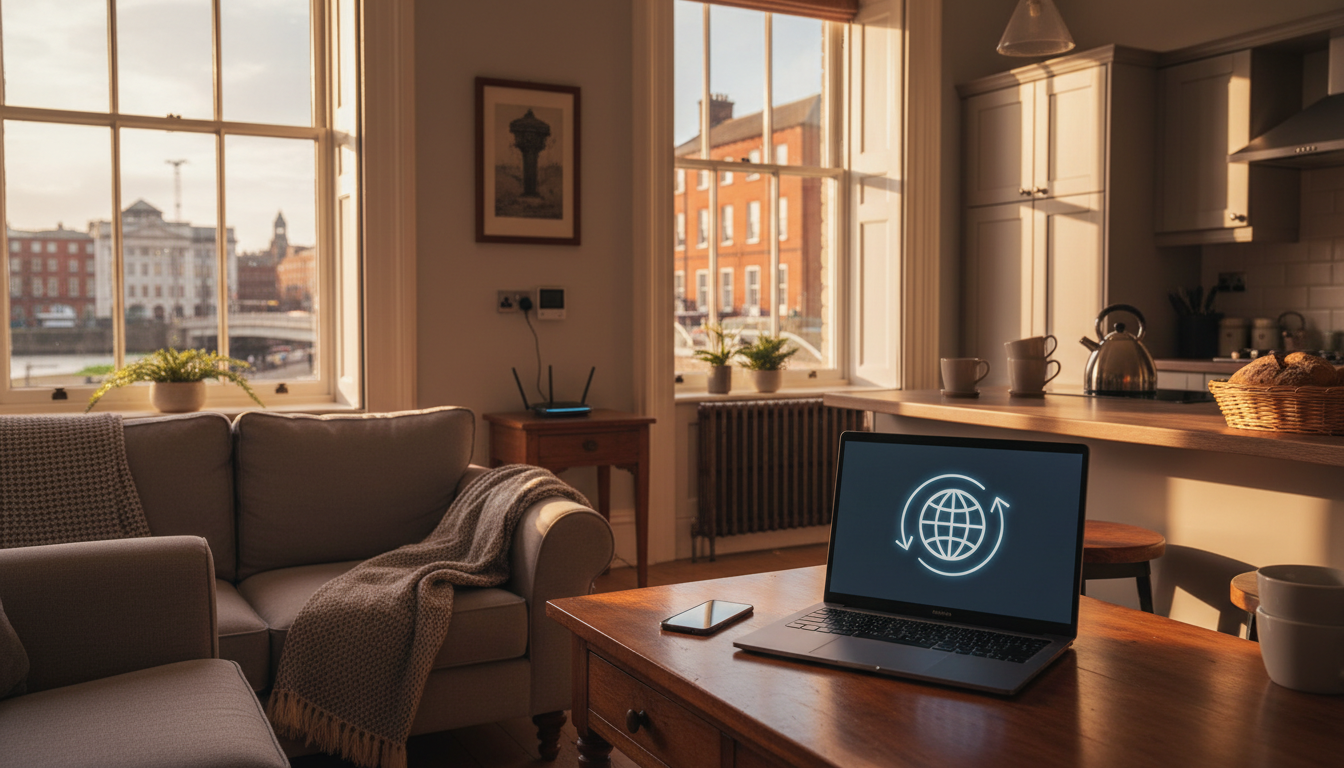
Dublin Home Exchange Utilities Guide: WiFi, Heating & Everything Your Guests Need
Master Dublin home exchange utilities—from dodgy WiFi fixes to heating quirks. Practical tips from 7 years of swapping homes across Ireland.

San Francisco Home Exchange Guide: Utilities, WiFi & Essentials for Your Stay
Everything you need to know about utilities, WiFi, and daily essentials when doing a home exchange in San Francisco—from a local who's hosted 40+ swaps.
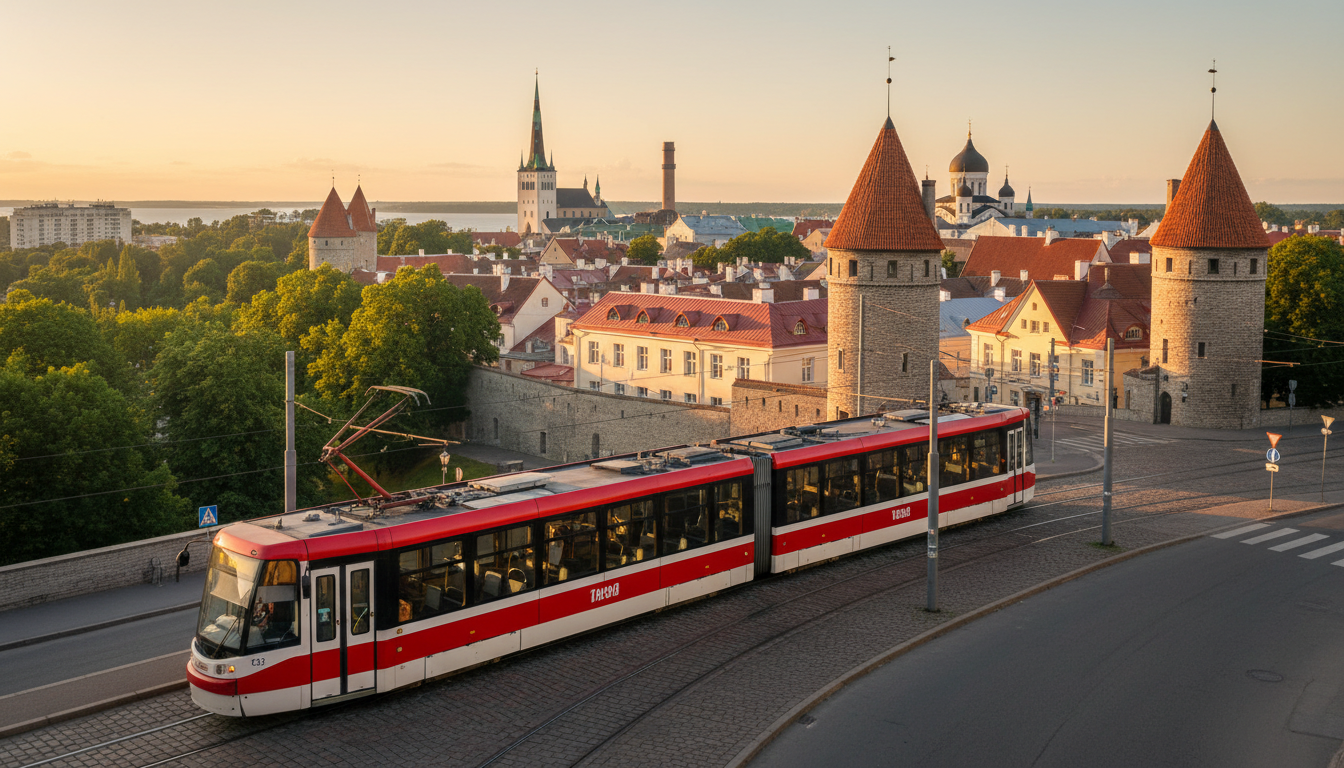
Getting Around Tallinn: Complete Transport Guide for Home Swap Travelers
Master Tallinn transport like a local during your home swap. From free public transit tricks to hidden bike routes, here's everything you need to know.
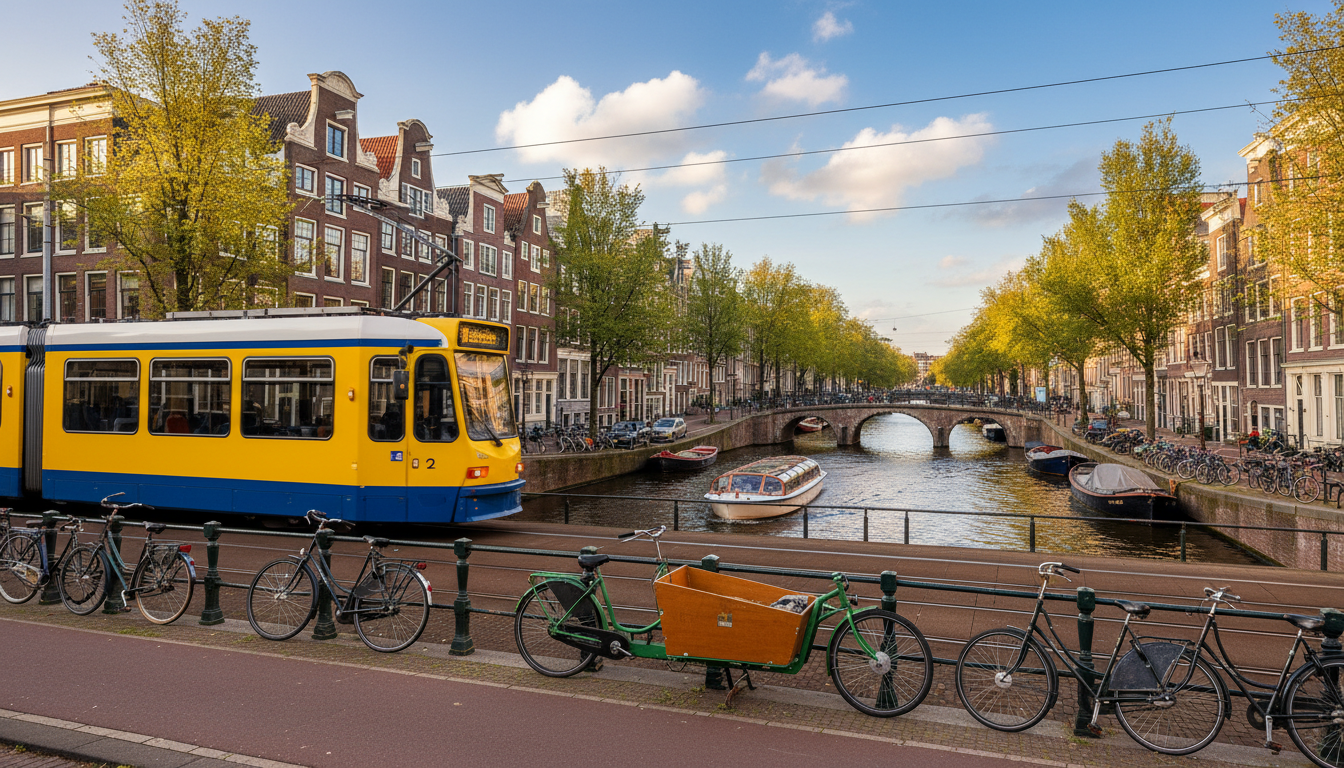
Amsterdam Transport Guide: How to Get Around During Your Home Swap
Master Amsterdam transport during your home swap—from bikes to trams, ferries to walking routes. Local tips for navigating the city like a Dutch local.
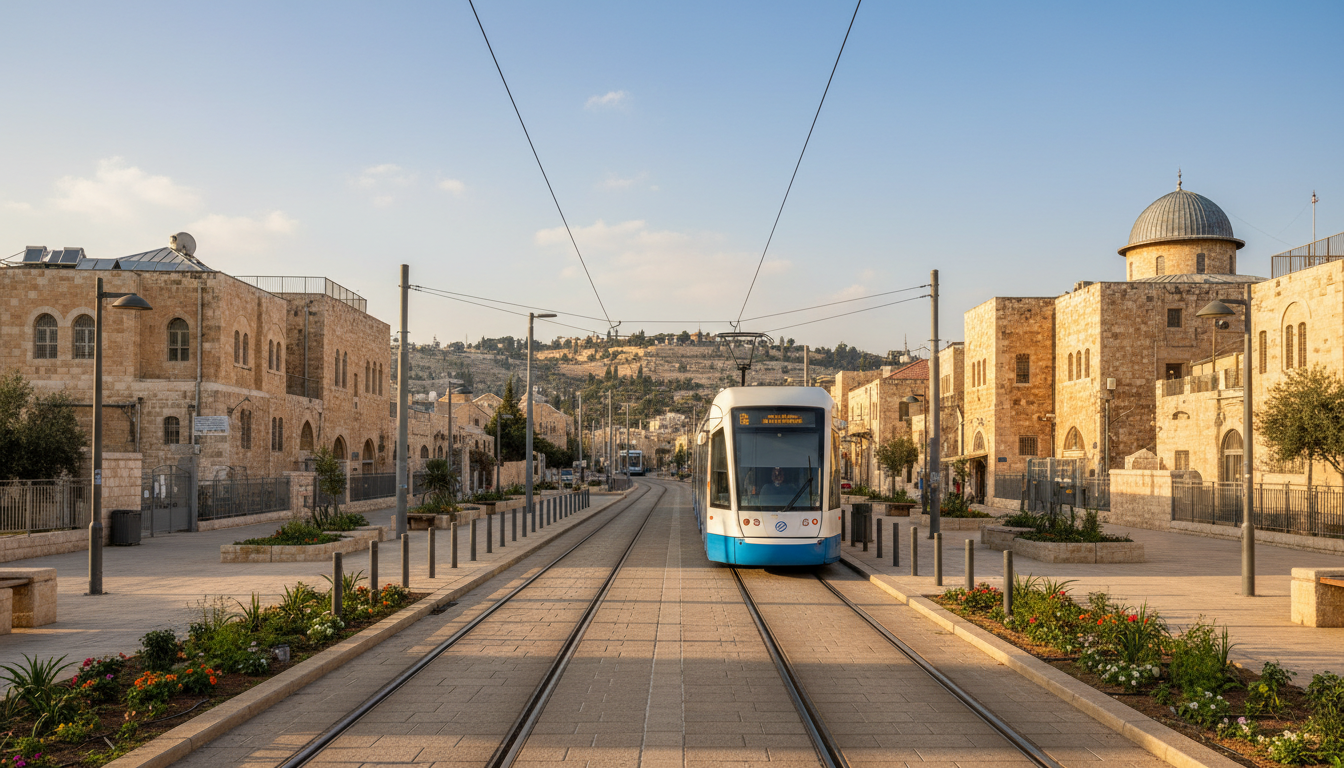
Jerusalem Transport Guide: How to Get Around During Your Home Swap
Master Jerusalem transport like a local during your home swap. From light rail secrets to sherut tips, here's everything you need to navigate the Holy City.
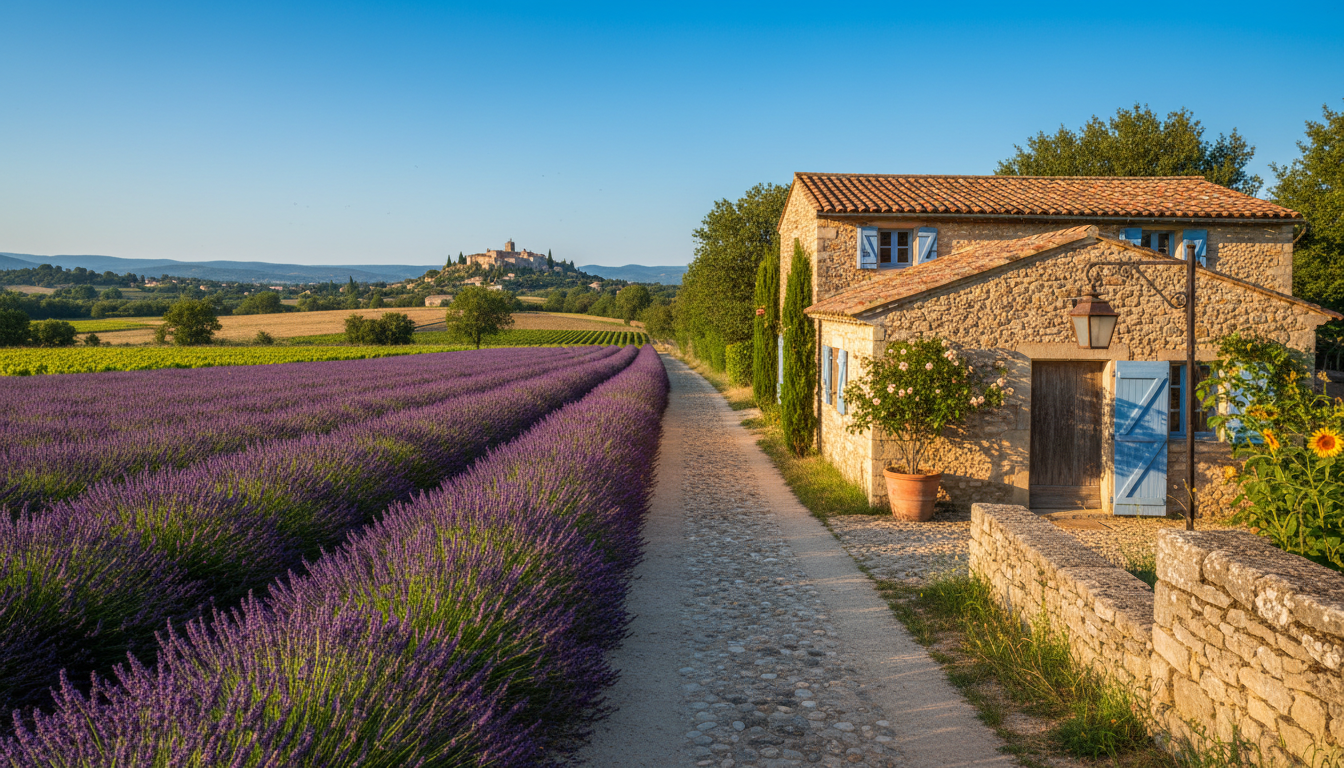
Home Exchange in Provence: Your Complete Guide to Utilities, WiFi, and Essentials
Everything you need to know about managing utilities, WiFi, and daily essentials during your Provence home exchange—from electricity quirks to finding the best boulangerie.
Frequently asked questions
How does home exchange on SwappaHome work?
You list your home, then swap into work-ready places worldwide. Hosting earns 1 credit per night; spending a credit books 1 night anywhere in the network. No money changes hands between members. Join with LinkedIn — that's how we know you're a real person.
Is it safe to swap homes with strangers?
Everyone joins with LinkedIn, so you meet people with real names and professional profiles — not anonymous accounts. All conversations stay inside SwappaHome. Homes are reviewed before they go live, and after each stay guests and hosts leave mutual reviews. For extra peace of mind, we recommend a video call before you confirm a swap.
Do I need to swap directly with the same person?
No. SwappaHome uses a credit system, not direct 1-to-1 swaps. You can host a family from Berlin and use the credits you earn to stay with a completely different host in Tokyo six months later. It makes travel dates, destinations and group sizes much easier to match.
Can I join if I don't own a home?
Yes — you can earn credits by hosting in a spare room, a long-term rental (if your lease allows guests) or by gifting/receiving credits from other members. You can also buy a starter pack if you want to travel before you host. Listing your primary home is the most common path, but it's not the only one.
How should I prepare for altitude when visiting Peru's highland regions?
Cusco sits at 3,400 metres, where altitude affects most visitors within hours. Arrive a day early before attempting Machu Picchu or higher passes. Locals swear by coca tea (mate de coca), available everywhere and genuinely helpful for headaches and nausea. Avoid alcohol and heavy meals the first 48 hours. Diamox can help but requires advance prescription. Walk slowly, hydrate obsessively, and don't dismiss symptoms — serious altitude sickness requires descent. Many travellers acclimatise in Sacred Valley towns like Urubamba (2,900m) before ascending to Cusco.