Practical Tips Home Exchange in Philippines
Everything you need to know for a smooth exchange.
No listings matched yet in Philippines — be the first host
The Philippines rewards travellers who plan with flexibility and local insight. Island-hopping between Luzon, Visayas, and Mindanao often means juggling ferries, domestic flights, and tricycle rides — connections aren't always daily, especially in shoulder seasons. Cash remains king outside Metro Manila and major resort zones; ATMs can be sparse on smaller islands, and credit cards aren't universally accepted. Tropical weather swings between dry and monsoon seasons, so timing your exchange around regional climate patterns makes a real difference. Power cuts happen, water pressure varies, and internet speeds can be patchy beyond urban centres. Embracing these rhythms rather than resisting them unlocks the archipelago's charm.
Why Philippines works for practical tips
Homes, not hotel rooms
Live in a real Philippines home — kitchen, balcony, neighbourhood rhythm — instead of a generic hotel room.
Fair by design
1 credit = 1 night. Every home is worth the same. No bidding, no haggling, no price surges.
Curated for practical tips
The page is tuned to show homes that genuinely fit this travel style.
Guides for practical tips in Philippines
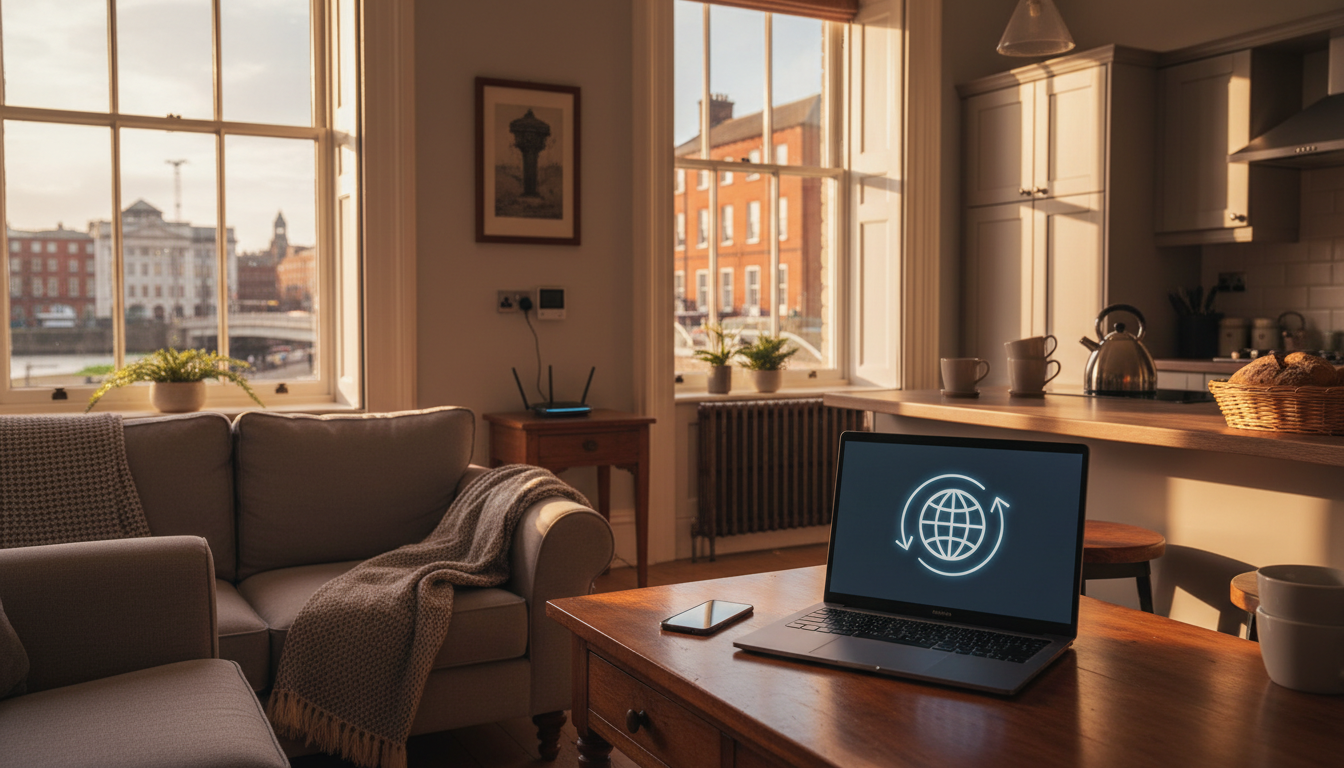
Dublin Home Exchange Utilities Guide: WiFi, Heating & Everything Your Guests Need
Master Dublin home exchange utilities—from dodgy WiFi fixes to heating quirks. Practical tips from 7 years of swapping homes across Ireland.

San Francisco Home Exchange Guide: Utilities, WiFi & Essentials for Your Stay
Everything you need to know about utilities, WiFi, and daily essentials when doing a home exchange in San Francisco—from a local who's hosted 40+ swaps.
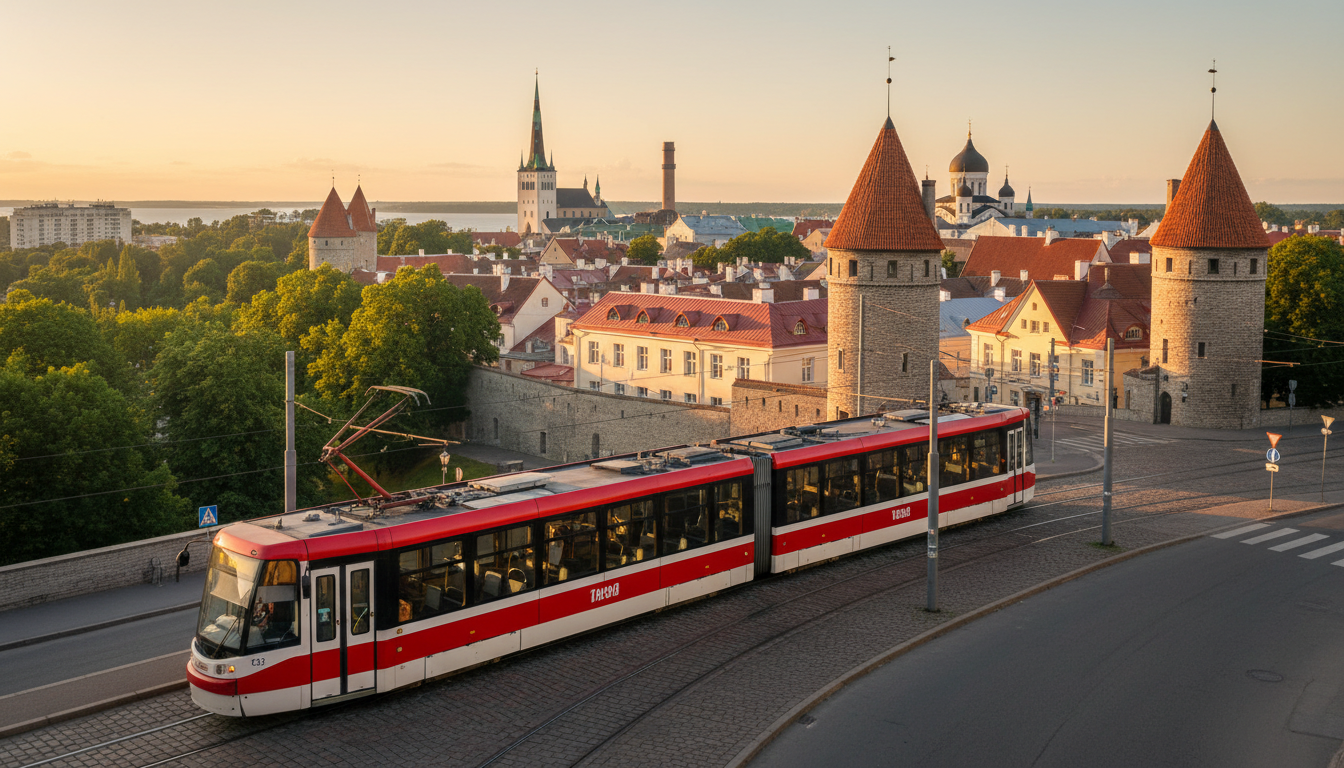
Getting Around Tallinn: Complete Transport Guide for Home Swap Travelers
Master Tallinn transport like a local during your home swap. From free public transit tricks to hidden bike routes, here's everything you need to know.
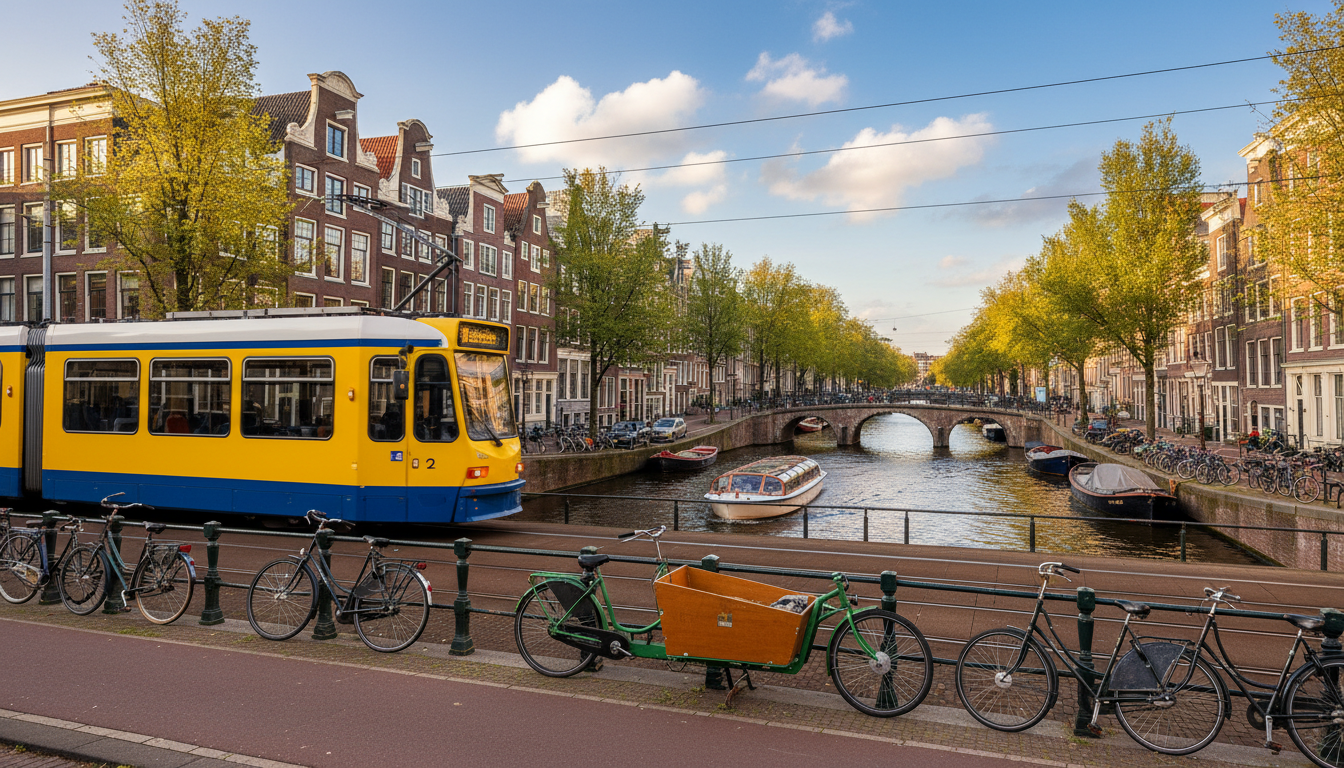
Amsterdam Transport Guide: How to Get Around During Your Home Swap
Master Amsterdam transport during your home swap—from bikes to trams, ferries to walking routes. Local tips for navigating the city like a Dutch local.
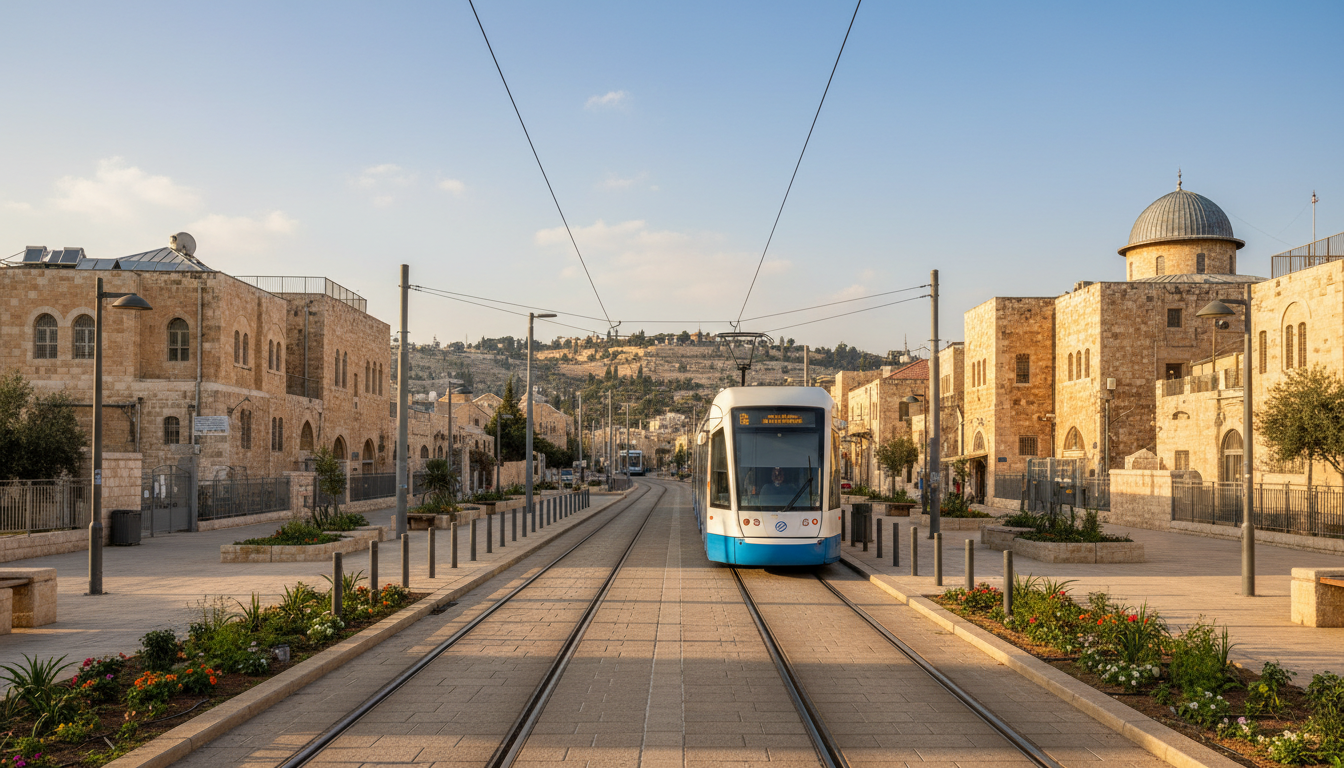
Jerusalem Transport Guide: How to Get Around During Your Home Swap
Master Jerusalem transport like a local during your home swap. From light rail secrets to sherut tips, here's everything you need to navigate the Holy City.

Home Exchange in Provence: Your Complete Guide to Utilities, WiFi, and Essentials
Everything you need to know about managing utilities, WiFi, and daily essentials during your Provence home exchange—from electricity quirks to finding the best boulangerie.
Frequently asked questions
How does home exchange on SwappaHome work?
You list your home, then swap into work-ready places worldwide. Hosting earns 1 credit per night; spending a credit books 1 night anywhere in the network. No money changes hands between members. Join with LinkedIn — that's how we know you're a real person.
Is it safe to swap homes with strangers?
Everyone joins with LinkedIn, so you meet people with real names and professional profiles — not anonymous accounts. All conversations stay inside SwappaHome. Homes are reviewed before they go live, and after each stay guests and hosts leave mutual reviews. For extra peace of mind, we recommend a video call before you confirm a swap.
Do I need to swap directly with the same person?
No. SwappaHome uses a credit system, not direct 1-to-1 swaps. You can host a family from Berlin and use the credits you earn to stay with a completely different host in Tokyo six months later. It makes travel dates, destinations and group sizes much easier to match.
Can I join if I don't own a home?
Yes — you can earn credits by hosting in a spare room, a long-term rental (if your lease allows guests) or by gifting/receiving credits from other members. You can also buy a starter pack if you want to travel before you host. Listing your primary home is the most common path, but it's not the only one.
What practical considerations should I keep in mind when staying in a Filipino home?
Expect to remove shoes indoors — it's standard etiquette. Water heaters are rare outside cities, so bucket baths with ambient-temperature water are common. Washing machines may be twin-tub or manual, and line-drying is the norm in humid climates. Stock up on drinking water; tap water isn't potable. Sari-sari stores (neighbourhood convenience shops) are lifelines for daily essentials, but larger grocery runs require planning. Mosquito nets and repellent are essentials year-round. Finally, building relationships with neighbours pays off — Filipinos are famously hospitable and often become your best local guides.